

Ending Statelessness for a Bright Future for Every Child
The right to a nationality for every child
- English
- ไทย
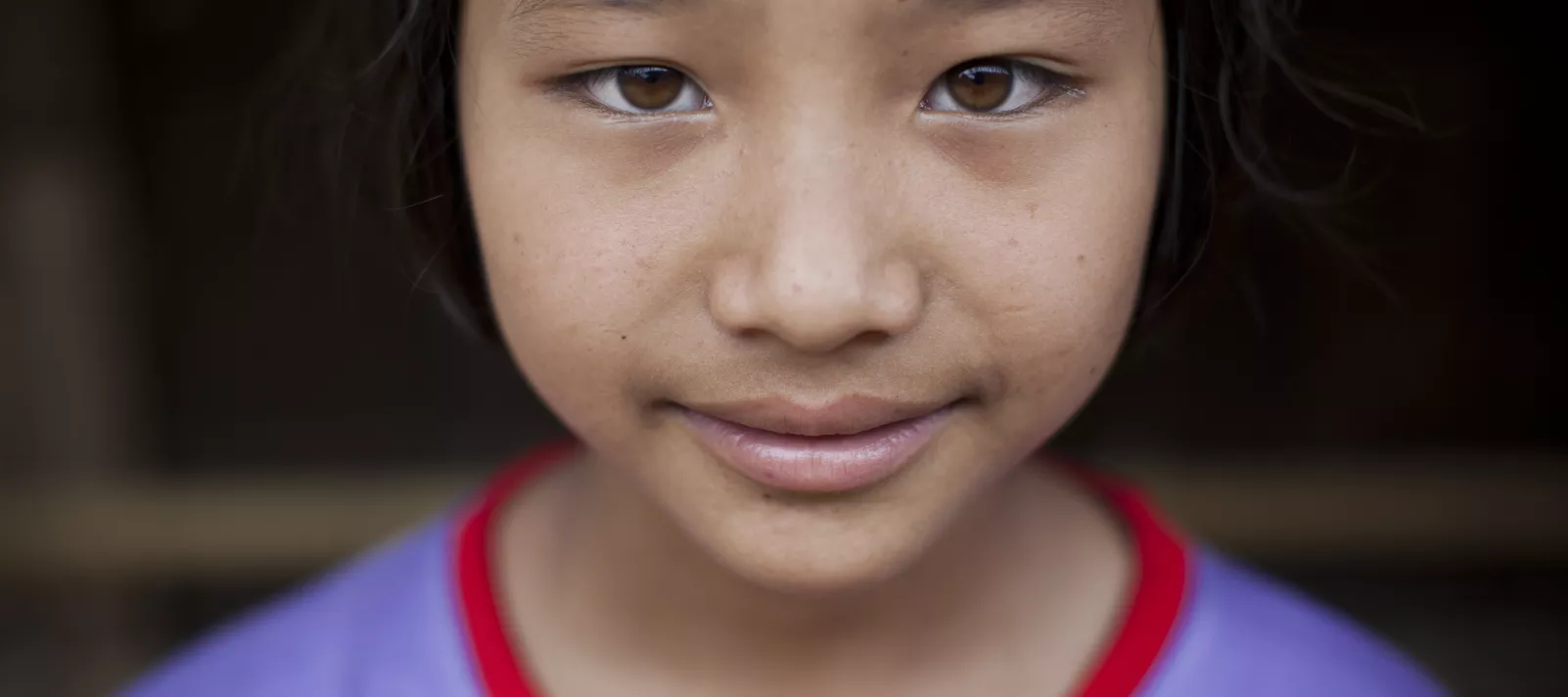
A stateless child does not exist on the land they live on. They are not recognized as citizens of any state in the world. In Thailand, a child without Thai or any other citizenship is defined as a stateless child. Even more concerning is that if they do not have an identity document from Thailand or any other state, then they are undocumented and often assumed to have entered the country through irregular channels. Being stateless forces legal non-existence upon the child – this means that although on the surface the child seems to be living a life like any other child, in reality, leading an ordinary life is just not possible. They are left unseen and unheard. A life without a legal identity constrains every aspect of a child’s life. Every day, they inevitably face the impact of statelessness on their quality of life.

Stateless children are denied access to many fundamental rights and services. Too often they are discriminated against and held back from full participation in society. They are uniquely vulnerable to a number of social problems such as poverty and limited access to education, healthcare and social protection. They are also at higher risk of violence, exploitation, trafficking and child labour. When they reach the age of legal employment, they often face discrimination at work – including being underpaid, prohibited from certain occupations and often left with no choice but to take on dangerous jobs due to limited job opportunities. They are also excluded from exercising civic rights, including the right to legal protection and the right to vote.
The problem of statelessness is perpetuated through a vicious cycle, passing from one generation to the next. Children of stateless persons will inherit statelessness at birth. This lack of status will stick with them until the process of obtaining legal status is complete, which often drags out for many years. This only perpetuates the cycle of statelessness and contributes to the increasing number of stateless children.

The Convention on the Rights of the Child clearly states the right of every child to be registered at birth and to hold citizenship. States parties to the Convention have the responsibility to assist stateless children.
The Convention on the Rights of the Child, Article 7
- The child shall be registered immediately after birth and shall have the right from birth to a name, the right to acquire a nationality and, as far as possible, the right to know and be cared for by his or her parents.
- States Parties shall ensure the implementation of these rights in accordance with their national law and their obligations under the relevant international instruments in this field, in particular where the child would otherwise be stateless.
In Thailand, the problem of childhood statelessness continues to this day. Policy and legislation on statelessness have been put in place but implementation remains a major hurdle. There are still hundreds of thousands of stateless children in many parts of Thailand.
When a child is born stateless, they are shut out from access to basic rights and opportunities to study their passion, pursue their dream job, show the world their true potential or simply live an ordinary life like others.
“It’s okay,” for many, it is a unique phrase that is used to console weary hearts in tough times. But for certain children, these words may not be enough to make a difference in their tough lives.
The voices that no one hears… These belong to stateless children who cannot access basic services like others. Basic rights are their hope for a better future.
Thailand: UNICEF’s work to end statelessness for children
UNICEF has long worked to end statelessness among children. Birth registration is a critical tool for reducing and eventually ending statelessness. It is the first official record of a child’s existence and establishes their legal identity. UNICEF Thailand with the support of partners is working with the Ministry of Interior’s Department of Provincial Administration to develop a programme that automatically links the data of all children born in hospitals to civil registration records. In 2013, public hospitals in Thailand launched e-registration to link the information of all newborns to guarantee that all children born in Thailand, regardless of their parents’ nationalities, are registered and receive a birth certificate. A birth certificate is an essential document for proving a child’s legal identity and ensuring that they can access their full range of rights, including access to education, healthcare and other social services.
Under the partnership with the European Union on “Protecting Children Affected by Migration” which started in 2018, UNICEF Thailand has been working to break the cycle of statelessness and address the challenges facing stateless children. UNICEF together with partners and with support from the EU has developed a series of new comprehensive studies on stateless children and put forward recommendations for facilitating stateless children’s progress toward attaining legal status as well as guidelines and manuals for frontline implementers managing this process to address gaps in implementation and help reduce and ultimately end childhood statelessness.
Publications
Invisible Lives: 48 Years of the Situation of Stateless Children in Thailand
This report features an overview of the situation of stateless children in Thailand, including barriers to obtaining birth registration and Thai nationality. It also includes policy recommendations and best practices for agencies tasked with addressing statelessness.
Rights and approaches to facilitating the acquisition of legal status for children affected by migration in Thailand
This publication outlines the situation of children accompanying refugees, migrant workers and other groups facing problems with legal status in Thailand. It summarizes key information about facilitating the acquisition of legal status, civil rights, laws and policies relevant for government officials, civil society organizations, refugees, migrant workers and other groups.
Manual on Birth Registration and Procedures on Facilitating the Right to a Thai Nationality
This manual aims to strengthen the understanding of relevant stakeholders, including stateless persons, their family members, academics, civil society organizations and officials involved in these procedures under the current policies and legal framework.

An Assessment of Access to Birth Registration among Migrant Children: the Quantitative Study
Access to birth registration for all children born in Thailand, including cross-border migrants and ethnic populations is one of the key conditions for the prevention of human trafficking and statelessness, and ensuring access to basic rights of children in various areas, particularly education and health services. This report focuses on quantitative assessment of the status of birth registration and examine the facilitating and inhibiting factors related to the registration of births of the study population
Directory of Stateless Children Protection Stakeholders
This document collects a directory of organizations and agencies nationwide working to support and protect stateless children.
Ending and Protecting Child Statelessness in Thailand: Developing an Accelerated Nationality Review Model
This is the full report on the study of situation on limitations in accessing birth registration and facilitating the rights to a nationality with the policy recommendations and model to prevent and find solutions to the lack of access to birth registration and problems pertaining to the processes towards facilitating the rights to a nationality.


