

Healthy Starts
Building blocks for lifelong health: Why we must prioritize children
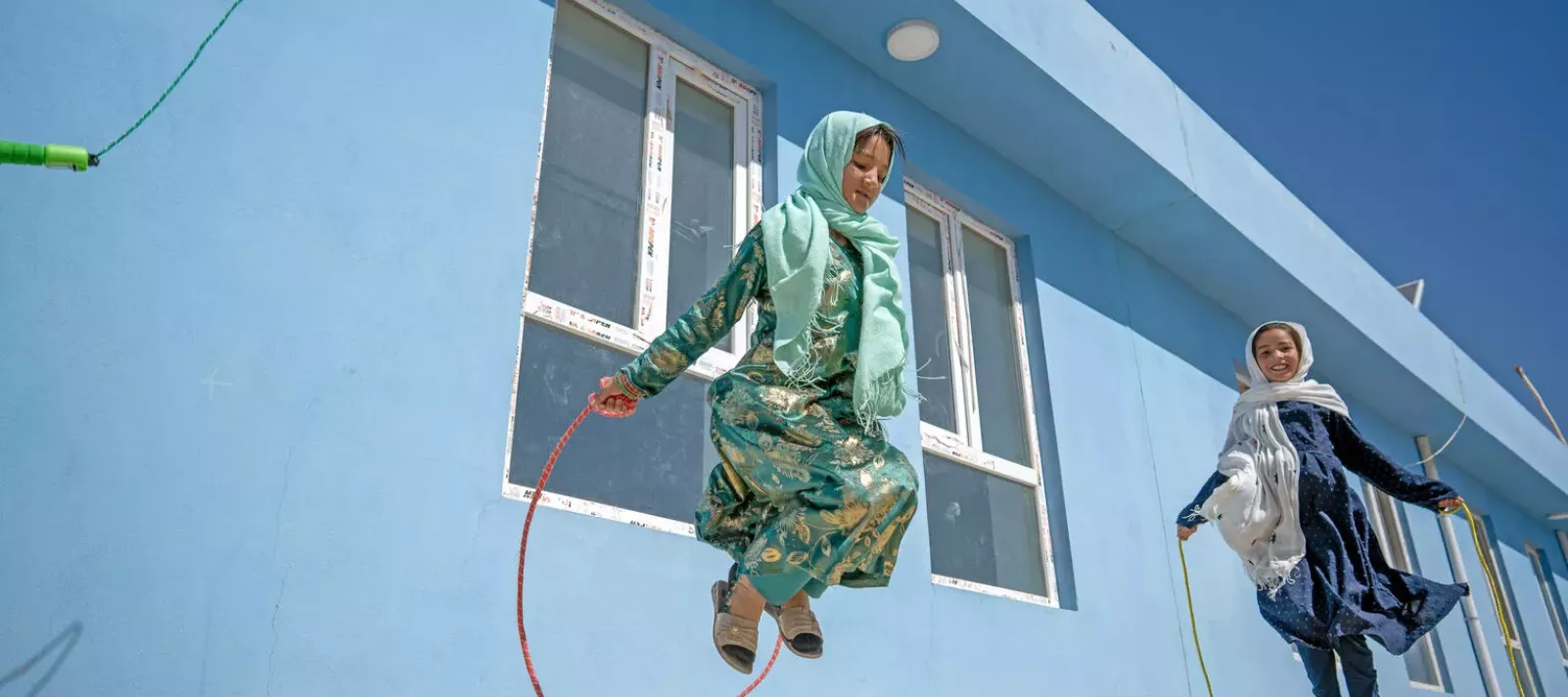
Every child has the right to grow up healthy and safe. Yet, around the world, more than 2.1 billion children and adolescents are affected by non-communicable diseases and mental health conditions.
From the start, children’s health and wellbeing are at risk due to poor nutrition, harmful environments and too few opportunities to play and grow.
When left unaddressed, these risks ripple outward, impacting families, communities and entire economies. And the impacts are not felt equally: the poorest children and communities bear the greatest burden, missing out on the essential resources and support needed for a healthy life.
The roots of non-communicable diseases and mental health conditions often begin early in life. But the good news is that prevention works — when we invest and act early.
That’s why UNICEF and partners are calling on the private sector to step up. Because a healthy start is everyone’s business.
UNICEF welcomes this statement from global businesses, foundations and platforms:
Joint statement ahead of the 4th High-Level Meeting on NCDs and Mental Health
As Member States prepare to gather for the 4th High-Level Meeting on Non-Communicable Diseases (NCDs) and Mental Health in September, we support UNICEF’s call to place children and adolescents at the heart of this agenda. Contrary to common belief, cardiovascular disease, cancers, chronic respiratory diseases, diabetes, obesity and mental health conditions are not exclusive to adult populations in affluent societies – they disproportionately affect children and young people, especially in the world’s poorest communities. Representing the leading cause of mortality worldwide, NCDs, mental health conditions and obesity represent not only a public health and development crisis, but also a major source of human suffering, hampering the development of children with negative impacts that manifest over an entire life course.
The root causes of many NCD risk factors are established early in life, with children growing up in environments overwhelmed by unhealthy food choices; exposure to alcohol and tobacco use; high levels of air pollution; and a lack of space and infrastructure for exercise and play. Many environmental factors also influence the mental health and wellbeing of children, adolescents and youth – including exposure to violence, poverty, stigma, exclusion, and living in humanitarian and fragile settings. This deprives children of the necessary building blocks for lifelong health, affecting their fundamental rights to health, education, adequate nutrition, and play.
If we fail to address these barriers to healthy living now, we will face an ever-growing population burdened by chronic disease, obesity and poor mental health, with impacts spanning generations – driving families into poverty, hitting the global workforce, and threatening the future of businesses, with projected costs to the global economy expected to reach $47 trillion over the next two decades.
Alarmingly:
391 million children and adolescents over 5 years old are living with overweight or obesity, dramatically increasing their risk of developing cardiovascular disease and type 2 diabetes later in life.
81 percent of adolescents do not engage in sufficient physical activity, contributing to a growing crisis of childhood overweight and obesity.
150 million adolescents use tobacco-related products. About 90% of adult smokers started smoking as teens. 12% engage in heavy episodic drinking, increasing their risk of liver and colorectal cancers.
Over 90 percent of children under the age of 15 years breathe toxic air daily, with air pollution being the second leading risk factor for early death worldwide.
1 in 7 adolescents live with a mental health condition. Half of all mental health conditions start at 18 years of age, but most cases are undetected and untreated, with devastating impacts on education, social connection, and future economic participation.
By focusing on prevention efforts that address early exposure to these risk factors, we can reshape the trajectory of millions of young lives and alleviate pressures on already overwhelmed health systems and other social services. The time has come for a collective wake-up call, one that demands a fundamental mindset shift: from viewing spending on prevention and health promotion as additional costs, towards recognizing them as critical long-term investments.
We support UNICEF’s call to Member States to strengthen policies and systems for integrated prevention strategies that protect children and adolescents from exposure to risk factors of NCDs, obesity and mental health conditions. But governments cannot act alone – coordinated action is essential.
By taking a ‘whole of society approach’ that leverages strengths across sectors and industries, we have a collective opportunity to ensure a healthier, more resilient future for children and society. Public-private approaches that bring together business, government, policymakers, health and educational institutions, and local communities can elevate standards, systems and programmes to protect the most vulnerable children across a range of critical areas—from transforming and regulating food environments to promoting physical activity through active programming and infrastructure; and from safeguarding children’s environmental health to reducing youth exposure to substance use and strengthening mental health and psychosocial support. By pooling our expertise, innovation, resources, and networks, we hold the power to drive change. The private sector can – and must be – a game changer for childhood physical and mental health.
We, the undersigned, as leading businesses, foundations and platforms operating around the world, emphasize the need to prioritize Healthy Starts for children and adolescents, and call on global leaders to join us to:
Comply: Respect regulations to protect children’s rights, health and well-being across company value chains.
Care: Foster employee and community well-being with enhanced workplace policies that prioritize caregivers through family friendly policies and promotion of mental and physical health, as well as a commitment to environmental sustainability.
Champion: Advocate for stronger policies and guidelines that unify industries around systemic issues and shared commitments that promote prevention of risk factors to healthy starts for children. Raise awareness to ensure investing in prevention during childhood and adolescence gains visibility and stays at the forefront of global, regional and national agendas.
Contribute: Invest in and partner on preventative programmes at a local and global scale that foster healthy environments by providing resources, building capacity and supporting comprehensive public-private programs to drive meaningful and sustainable change
Communicate: Leverage brand influence to promote the power of prevention. Embed health values into brand campaigns, creating aspirational images that inspire healthier living in children, youth and caregivers, and address societal stigma and misconceptions around physical and mental health.
Change: Reimagine products, service offerings and business models that integrate healthier lifestyle considerations with a positive influence on physical and mental health.
Signed by:
adidas
Bupa
Capgemini
Gasol Foundation
Eli Lilly and Company
Haleon
Helmsley Charitable Trust
Les Mills International
lululemon
The MHPSS Collaborative
NCD-Alliance
Novo Nordisk
Pentland Brands
Prospira Global
Shimano
Tim Bergling Foundation
United for Global Mental Health
WFSGI (World Federation of the Sporting Goods Industry)
UNICEF does not endorse any company, brand, product, or service.