Unlocking the transformative power of clean water in Malawi
The installation of UNICEF solar-powered water systems has improved healthcare, education, and the lives of children and mothers in Malawi.
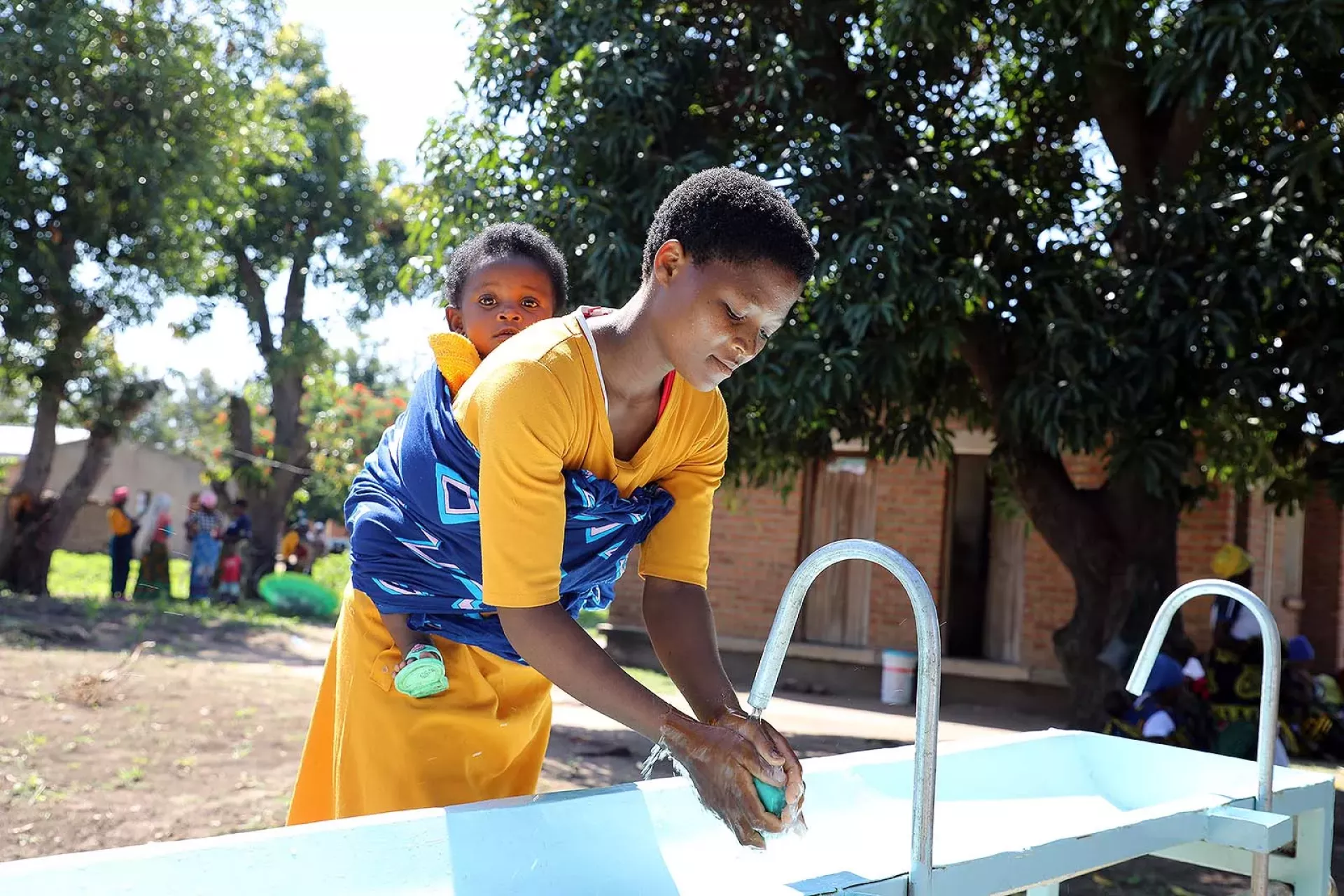
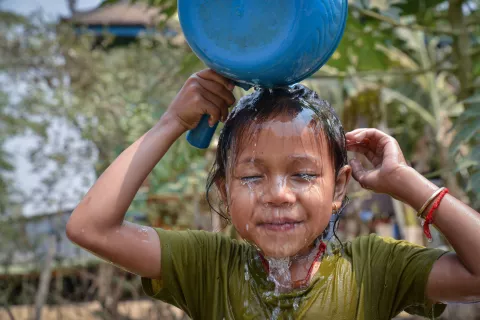
Enjoying a fresh mango without worrying about contamination, confidently bringing babies to a healthcare centre or having a refreshing bath before heading to school. These are a few highlights of routines that families in several villages in Malawi’s Machinga District are experiencing. Thanks to the installation of UNICEF's solar-powered water systems, clean and safe water is transforming lives, making these simple yet vital moments possible.
Freshly bathed and on time for school
“We would leave home thirsty, stay in class thirsty and return home just as thirsty.”
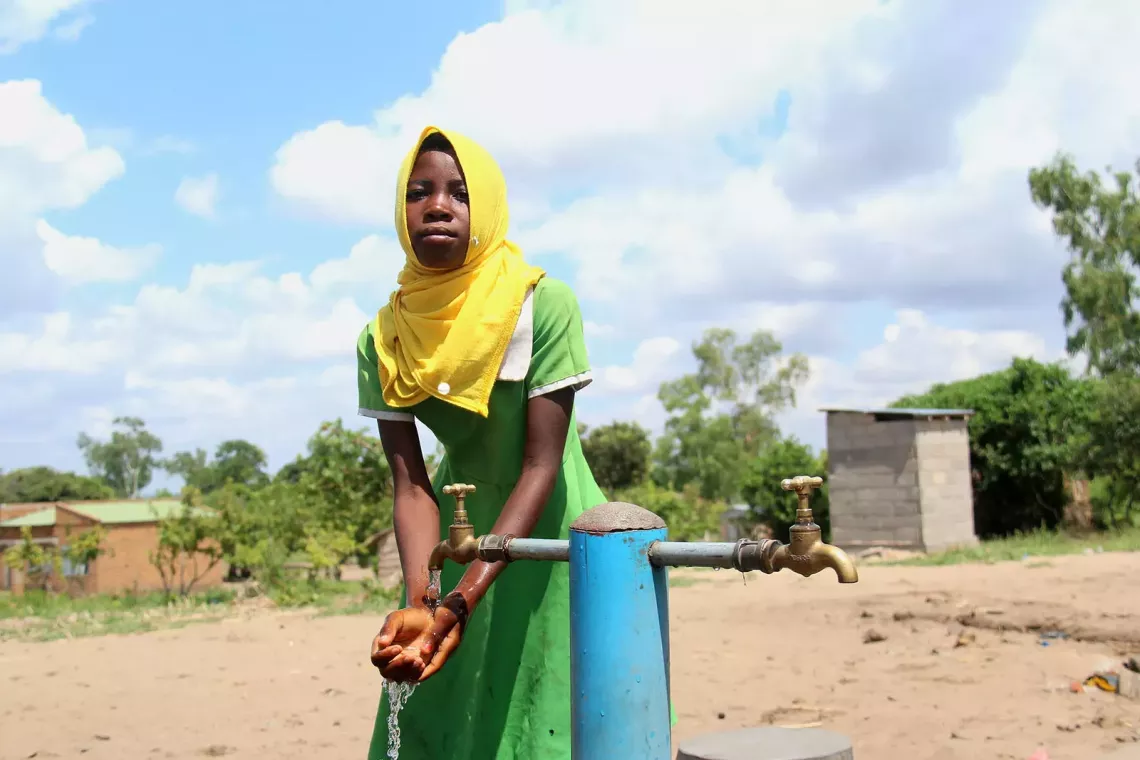
For generations, the thought of clean, running water at Msambira Primary School and its surrounding villages was a far-fetched dream. Situated in the remote corners of Machinga District, the school and nearly 500 people from seven villages depended on a single borehole and unsafe open water sources, sparking struggles for survival and compromising lives in ways that rippled through education, health, and relationships.
The water scarcity often resulted in long queues, frustration and conflicts. Without access to safe water, the 400 students and their teachers could not wash their hands and maintain basic hygiene. Cases of waterborne diseases like diarrhoea were high, and some parents began to hesitate about sending their children to school.
Wave of health consciousness
Everything changed in 2024 when UNICEF completed the installation of a solar-powered system with six water points to deliver treated water directly to the school and four surrounding villages.
“The impact has been extraordinary,” says Maria Maulana, the headteacher at Msambira Primary School. “Students now arrive on time, freshly bathed and dressed in clean clothes.”
The piped water has also sparked a wave of health consciousness, and students now regularly wash their hands after using the toilet and before eating.
“Before, we would eat unwashed mangoes because we had no choice. Now, we wash everything before we eat it.”
In the villages, the changes are equally profound. “We no longer hear of people quarrelling at the borehole,” says Dickson Komazinja, chairperson of the local Water Committee. “The taps have brought harmony to our villages and a renewed sense of cooperation.”
Read more:
Piped water turns the tide for Msambira Primary School in Malawi
“Water right at our doorstep”
Mother to five children, Melise Madeya’s daily routine once revolved around fetching water. Every day, she had to walk a long distance, often in the heat, to the borehole that served her family and the entire Mchelera village. There she would endure long waits in the queue.
"Sometimes the water from the borehole wasn’t even clean and we were always worried about getting sick. And other times the borehole would run dry due to prolonged dry spell, so we had to wait for hours to get water."
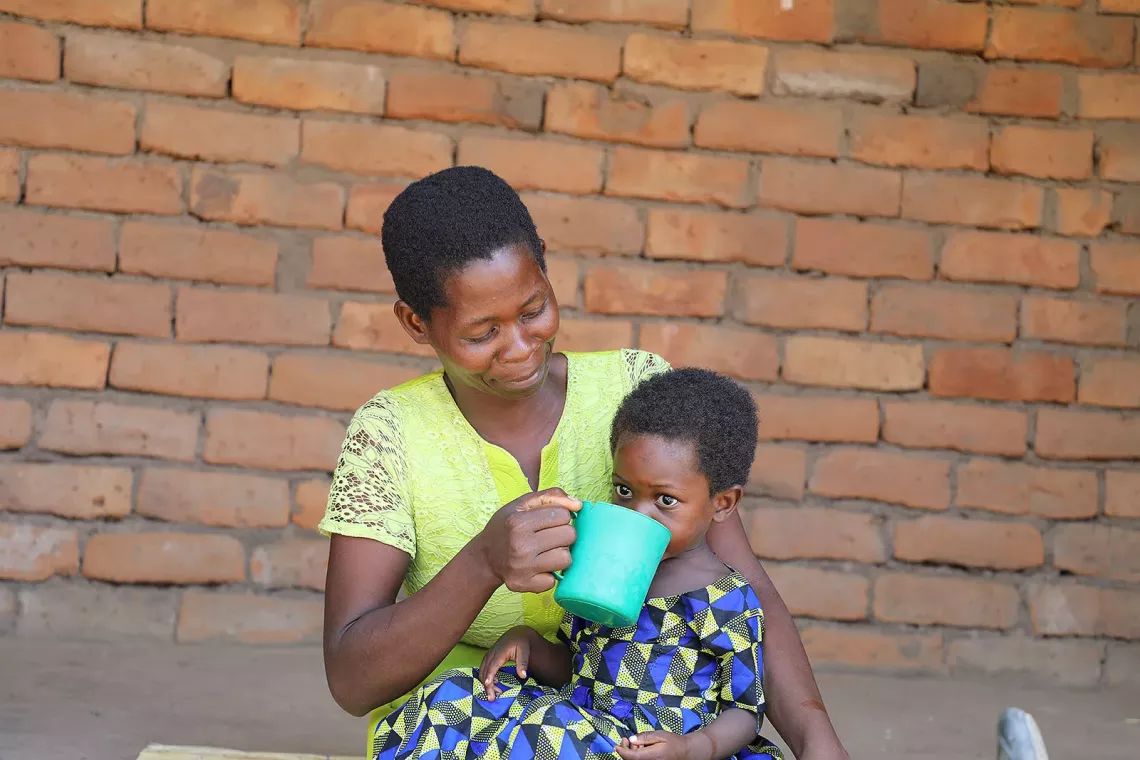
The situation changed when UNICEF installed five water points, strategically placing them to serve the community of Mchelera and 15 other surrounding villages. "Now we have water right at our doorstep. It’s so much easier, and it’s clean water," she says with relief.
Waterborne diseases
The solar-powered water system has improved the health, security and livelihoods of families in Melise’s neighbourhood. Prior to the project, Chipolonga Health Post, which serves the area, struggled with frequent outbreaks of cholera and other waterborne diseases.
“Due to prolonged dry spells and scarcity of water, we were recording many cases of diarrhoea and had a cholera outbreak that led to five deaths in 2023. But with the new solar-powered water system, the number of waterborne disease cases has gone down,” says Lanjesi Masale, a health surveillance assistant at Chipolonga Health Post.
Read more:
How a solar-powered water system changed Melise’s family in southern Malawi
Clean healthcare environment
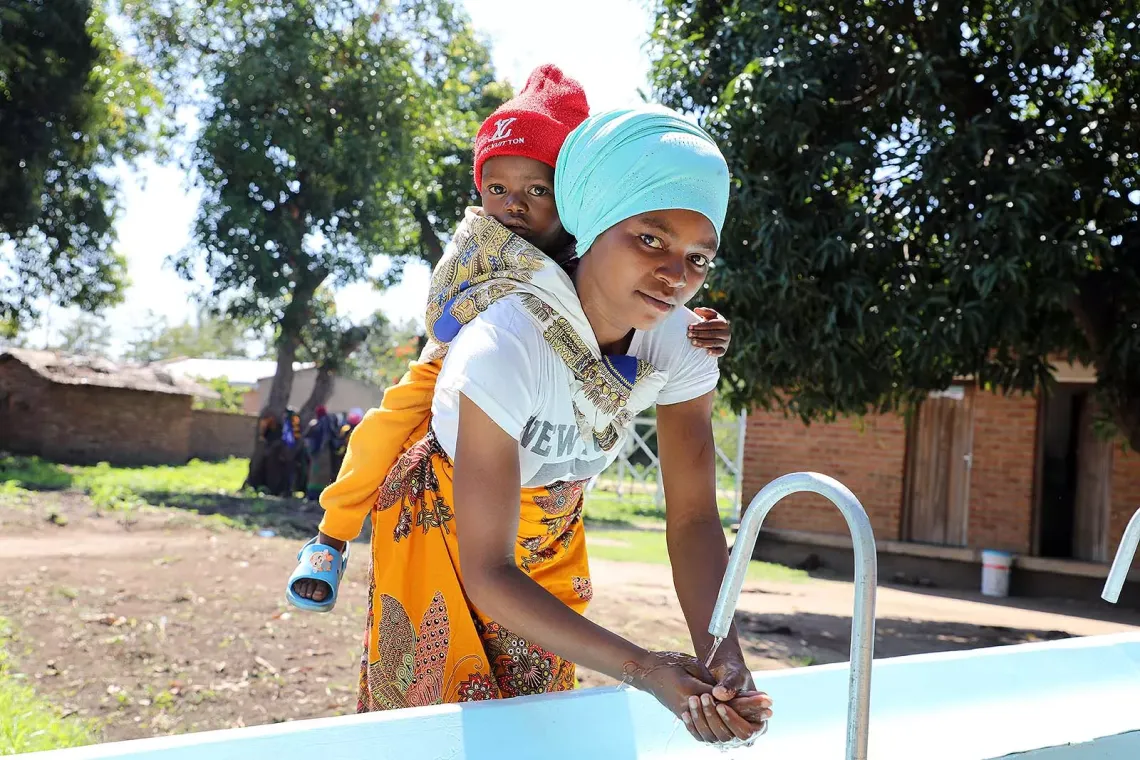
Before the installation of a solar-powered water system, the Masanje river was Chikuluma Health Post’s main source of water. This was a major obstacle to providing proper healthcare to the community as the river’s water is not safe.
"We struggled with hygiene due to lack of clean water, but now we can disinfect equipment and maintain a clean environment for mothers, babies, and other patients," says Moses Mphatso, a health surveillance assistant at Chikuluma Health Post. “Now we can disinfect equipment and maintain a clean environment for mothers, babies, and other patients," he adds.
"With the water system at the clinic, I feel more at ease bringing my children for treatment, knowing the water is safe and clean."