Students take ownership to end cholera
How a Zambian school turned fear into actions that keep cholera at bay.

When cholera first struck Lusaka, the capital of Zambia, fear spread throughout the communities.
Joy and Shaekaim live in Chilanga district in southern Lusaka, a cholera hotspot. For them, this acute disease was like an invisible threat that swept across their community overnight, catching everyone off guard.
They heard stories of diarrhoea and vomiting that made adults become too frail to walk, and of small children who were rushed to hospitals fighting for their lives. Fear loomed over the community. No one knew when this deadly disease would eventually hit their own family members. Nowhere felt safe.
Turning fear into action
When news of cholera incidents broke in the community, teachers at Joy and Shaekaim’s school, Parkland Secondary, took swift action. They regularly shared cholera prevention messages, taught their students the best hygiene practices, and encouraged them to share these practices with their families.
At first, everyone was scared, Joy and Shaekaim recall. But learning how to prevent cholera outbreaks has helped them and their classmates feel safer and be more protected both at school and at home.
Learning how to chlorinate water was incredibly helpful. We always make sure our buckets are filled with safe, clean water for our classmates and encourage them to drink only from these buckets.
To keep up with the efforts to prevent cholera over the long term, it is necessary to ensure that everyone at school has safe drinking water and practice proper handwashing with soap and clean water.
Encouraged by their teacher, Joy and Shaekaim took the initiative to manage the handwashing and drinking water process for their class. The pair learnt how to thoroughly chlorinate the water to make it safe to drink. They are now in charge of refilling their classroom’s two buckets with fresh water every morning.
In addition to chlorinating the water, Joy and Shaekaim have been actively sharing cholera prevention messages with their classmates and making sure that everyone continues to wash hands and drink from the designated water points.

Critical water, sanitation and hygiene supplies
At first, Parkland Secondary School faced a significant challenge with only one bucket available for all students to use for drinking water. The lack of adequate supplies made it nearly impossible to provide everyone with safe, clean water, increasing the risk of cholera spreading.
With support from UNICEF and partners, Parkland Secondary School received more critical water and sanitation supplies just in time. Chlorine and bleach are available to treat water. Every class has two buckets for storing the treated drinking water. Soap bars in ample numbers allow students to wash their hands properly. Educational posters are also displayed around the classrooms, hallways and playgrounds to spread cholera prevention messages.
"Including our students in the process has helped them take ownership of their class’s drinking water and apply what they’ve learned,” says Precious, a teacher at Parkland Secondary and member of the School Health and Nutrition Committee that oversees the cholera prevention efforts.
Equipped with these supplies, more students at Parkland Secondary signed up to join Joy and Shaikeim. Together they have been able to keep their classrooms free from cholera.

A global fight to end cholera
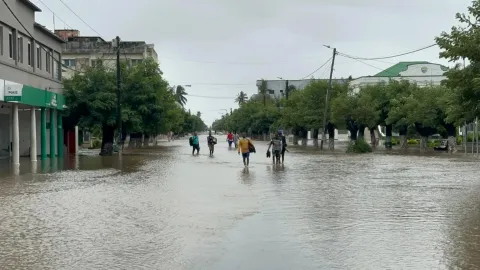
After years of steady decline, cholera has made a devastating comeback in Zambia and many parts of the world. Underinvestment in water and sanitation services and education, coupled with climate-induced droughts, floods and natural disasters, have put many communities at risk.
UNICEF aims to bring water and sanitation supplies, skills and confidence to empower students and young people, like Joy and Shaekaim, to take ownership of preventing cholera, benefiting schools and communities for years to come.

Based on a story originally published on UNICEF Zambia.