Preventing health system collapse in Afghanistan
UNICEF and partners have kept Afghanistan’s health system going through a time of upheaval.
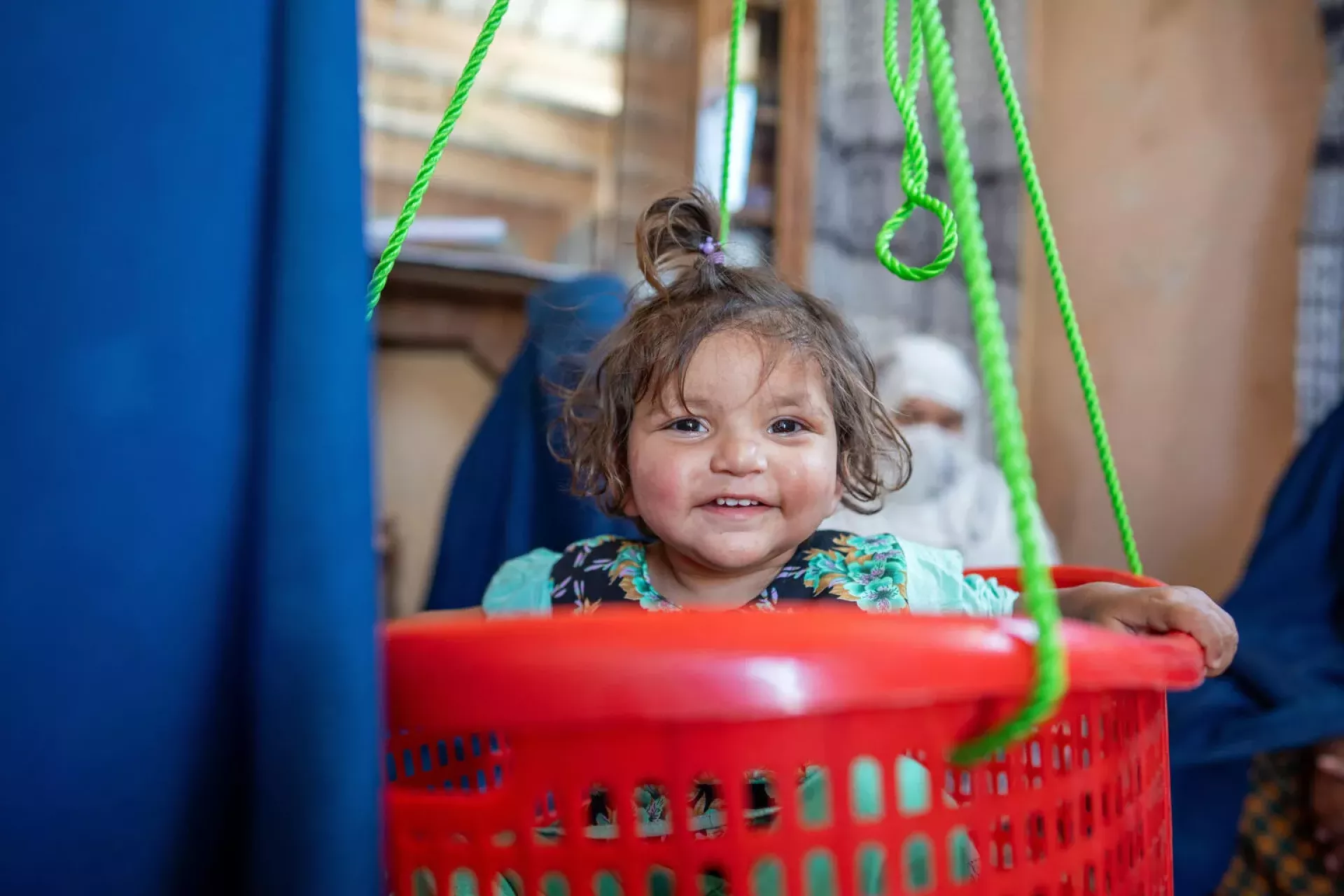
What do you do when a health system is teetering on the brink? When the programme that had propped up Afghanistan’s health system for twenty years folded, UNICEF and partners did something unprecedented – they took the helm of two thirds of the country’s healthcare. Without this comprehensive package of health and hospital services, the health system would most likely have collapsed, leaving tens of millions of Afghans without care.
It’s only useful if you use it
The project provides more than half the population with basic health services, and three quarters with hospital care – primarily women and children. It keeps 2,400 health facilities open countrywide: from 96 fully equipped hospitals in provincial capitals to district-level clinics and one-roomed health posts. In districts situated several hours’ drive from provincial capitals, resident surgeons in cottage hospitals perform small but life-saving procedures.
Keeping hospitals and clinics running and staffed is only useful if people use them. By far the biggest obstacle to Afghans seeking healthcare is geography, and in a country of magnificent, perilous landscapes, this is no small matter.

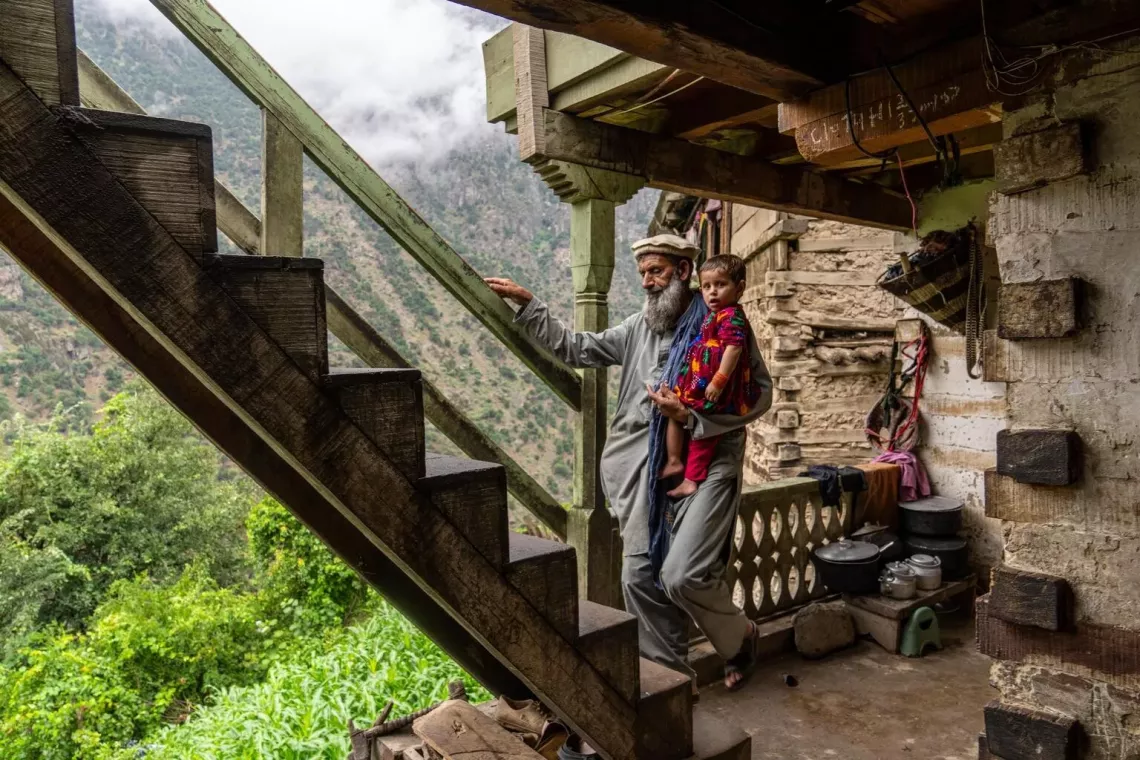
Millions of Afghans eke out a living from stony soil, with limited access to basic services. The foothills of the Central Highlands teem with rivers that are dry in the summer and flood in the spring. In the northeast, wooden villages are scaffolded to vertiginous mountainsides, and crops grow in narrow, buttressed terraces.
In these places, visiting a clinic often means a long journey over difficult terrain. To bring healthcare to even the remotest doorstep, a 32,000-strong volunteer force of community health workers serves their friends and neighbours across every province countrywide. For millions of Afghans, they are the bridge to clinical health services. During the long winters, they are a lifeline.
Bleak midwinter
Afghan winters are hard. Heavy snowfalls cut villages off for months at a time; nothing goes in or out, unless it can be carried on someone’s back. Provisions like food and medicines are shouldered up steep paths made perilous by sheets of ice. Women in labour and the critically ill are carried down the same paths to the nearest clinic. When the snow is waist deep, what would normally be a couple of hours’ walk becomes an even more arduous journey. Getting the sick and injured to hospital can be a question of making the decision in time.
This is what happened to two-year-old Roqia, when she contracted polio last winter. Like most people in Nuristan, Roqia and her family live up a high mountain pass. From their village you can see the clinic, hundreds of metres below. In the summer it’s a two-hour hike. In the winter, it’s a treacherous undertaking. On the advice of the community health worker to seek urgent care, Roqia’s grandfather wrapped them both up against the cold, and carried the girl down to the clinic in his arms. Thanks to good advice and prompt action, Roqia made a full recovery.
Good advice is golden
The second biggest obstacle to Afghans seeking healthcare is awareness, or a lack of it. Isolated communities can be disinclined to seek help from strangers, however well qualified those providing it. But stories like Roqia’s about trust and timing can echo across the country. Community health workers catch the early signs of malnutrition, promote vaccination, and encourage women to breastfeed longer and deliver in institutions. Their advice connects isolated communities to clinical healthcare.
In mountainous Ghor in the west of the country, Safina can attest to this. The nearest clinic is several hours’ drive away, so during her first pregnancy, a decade ago, antenatal care was out of reach. When she went into labour early, she didn’t know what to do. Safina gave birth at home, to a stillborn baby. Today, Safina’s village has a health post, and she has several healthy children; the youngest grins cheekily from her lap.
The massive health project keeps 28,000 health professionals in full-time salaried employment – almost 40 per cent of them women. Every year, they carry out 20 million health and nutrition consultations. Since the project began, around six million women have received ante- and postnatal care, and 2.2 million babies have been brought into the world in UNICEF-backed facilities – a 20 per cent increase in institutional deliveries since 2019.
UNICEF and partners have helped keep Afghanistan’s health system going through a time of upheaval. But ultimately, no health system can keep going without people – doctors, nurses, midwives, and members of communities committed to shaping a better future for their friends and neighbours.