UNICEF at the UN General Assembly
What kind of future will we choose for children?

During the United Nations General Assembly, UNICEF works to keep the spotlight on children, generating benefits for their health, nutrition, protection and overall wellbeing.
Learn about UNICEF's key events at the 81st United Nations General Assembly and follow @UNICEF for the latest updates.
The world at a crossroads
As UNICEF approaches its own 80th anniversary, the world stands at a crossroads – not only for its children, but for the international community itself.
The past 80 years have seen extraordinary progress driven by cooperation, solidarity and shared purpose. But we now face unprecedented backsliding, with pushback against child rights, gender equality and international law, as the space for diplomatic and political solutions is shrinking. In parallel, the investment in children that lay the foundation for prosperity, stability and global cooperation for development is declining.
We face a defining question:
What kind of future will we choose to build for children?
In 1946, amid geopolitical fracture and the ruins of war, leaders made a radical and enduring choice when creating UNICEF: that children would be protected regardless of nationality, faith, politics or circumstance, simply because they were children. Since then, every breakthrough in child survival, education, health, and protection we have achieved has been the result of people making deliberate choices – choosing cooperation over isolation, long-term investment over short-term interests and action over apathy.
Now, conflict, geopolitical tensions, economic shocks and the climate crisis are affecting the most vulnerable children.
Mounting crises
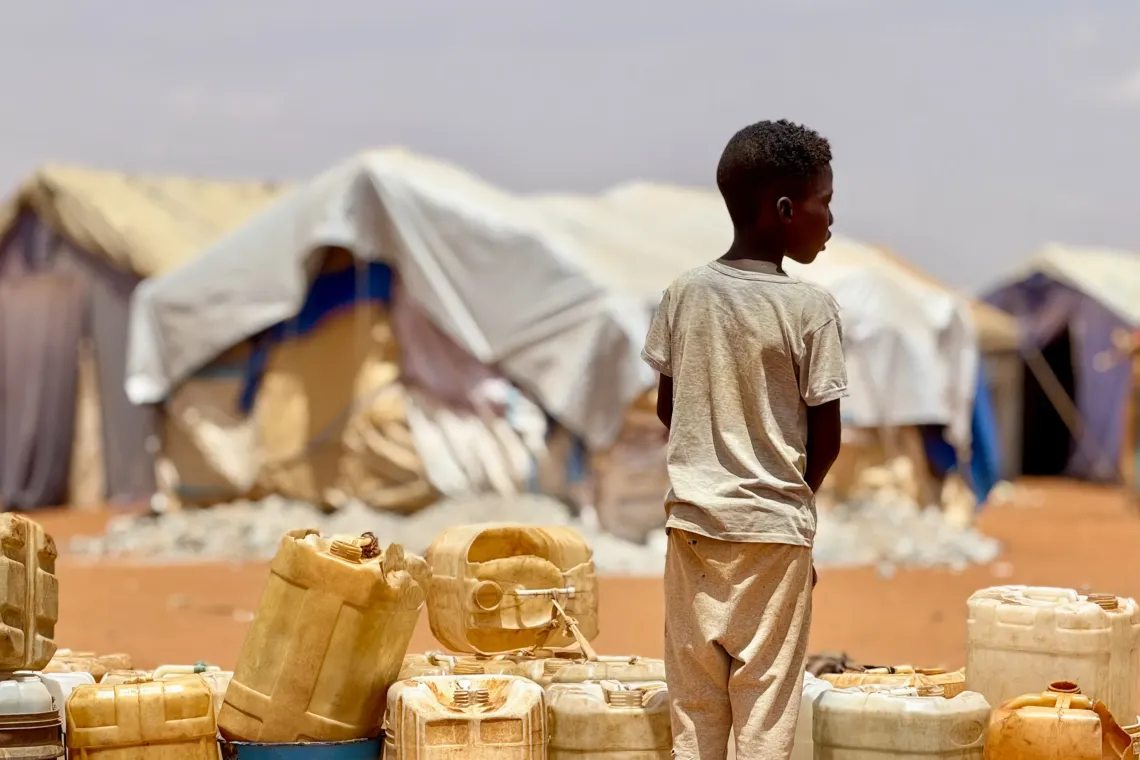
More children are living in or fleeing conflict zones today than at any time since the Second World War. Schools, hospitals, water and sanitation facilities and other essential infrastructure that children depend upon for their survival are increasingly under attack in a context of persistent failures by parties to conflict to comply with international law. An estimated 9.3 million children are at heightened risk of famine in 14 countries where severe food insecurity and acute malnutrition converge.
The crushing burden of debt among many countries in the Global South is hampering the provision of services that children rely on.
Children are navigating emerging, complex challenges such as AI without adequate guardrails – adopting AI technologies more than three times faster than adults, exposed to new harms such as AI-generated child sexual abuse material, and growing up amid algorithms that can breed mistrust and division as readily as they connect and inform.
A moment defined by choice
History shows that progress is never inevitable.
At precisely the moment children's needs are increasing, investments that have underpinned decades of progress are being reduced. The risk is not simply fewer programmes; it is the erosion of the foundations of future prosperity, resilience and stability.
Choosing children is not only the right thing to do.
It is the smart thing to do.
Investing in children is among the highest-return investments societies can make, strengthening human capital, reducing future public expenditure, building more resilient economies, and creating the conditions for lasting peace and stability.
On the other hand, not investing in children exacerbates the cycle of poverty and economic stagnation, affecting the entire economic and social development of countries. Countries that fail to invest in children today will face higher health system costs, weaker workforce growth, lower productivity, and reduced fiscal capacity, directly undermining their ability to service the debt that development banks extend. When funding is cut for children’s vaccinations, the threat of deadly disease doesn’t stop at borders. When children lack access to nutrition, education or protection, desperation, instability and displacement ripple outward.



Solutions within reach
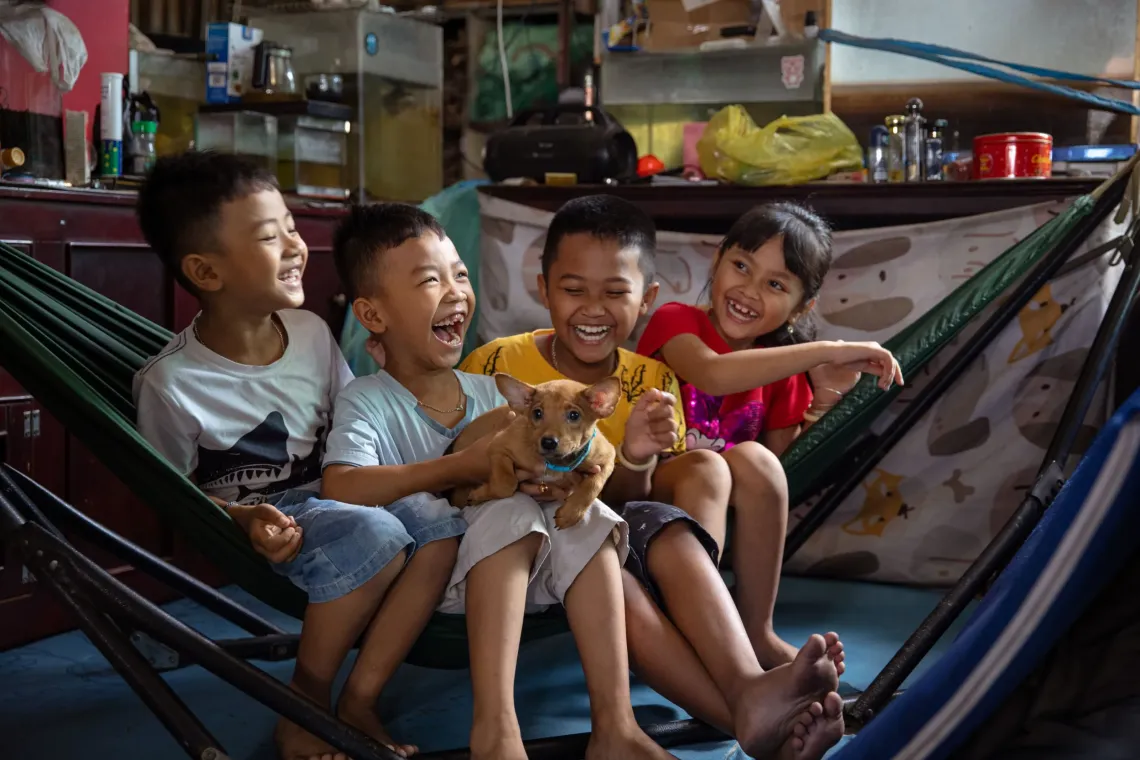
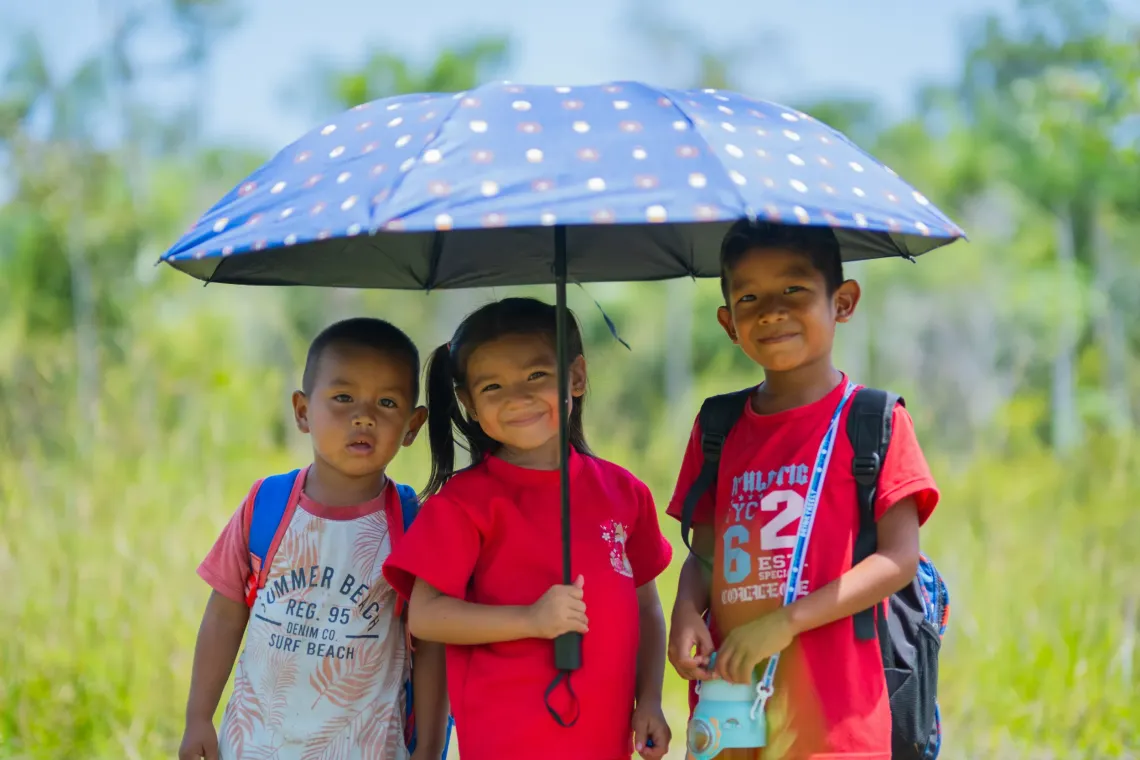
The good news is that we already know what works. Since 2000, the world has cut under-5 mortality by half while reducing the number of children affected by stunting by 57 million. A quarter of the global population gained access to safely managed drinking water, and the number of out-of-school children fell by about 116 million.
UNICEF's history is proof that today's greatest challenges can become tomorrow's greatest achievements when the right choices are made and when the international community chooses solidarity, partnership and sustained investment.
This progress was only possible because of the choices we made. It wasn’t inevitable, easy, or an accident. From the most crowded cities to the remotest areas, it is the result of countless community health workers meeting with families, of parents bringing their young children – sometimes over long distances – for immunizations, of young people speaking out for their rights, of local and national governments prioritizing the health and well-being of their children, and of the international community recognizing that no child should die of preventable causes.
Over the decades we learned how to solve these problems. The tools exist. Solutions are within reach.
We can retreat from cooperation and allow decades of progress to erode. Or we can choose to build on 80 years of extraordinary achievement for children.
The question is not only how governments and private sector leaders respond to today's crises, but whether they can renew a shared commitment to ensuring that every child, regardless of where they are born or the circumstances into which they are born, has the opportunity not only to survive, but to thrive.
If we choose sustained investment, renewed international solidarity and collective action for children, future generations will not remember this as the moment the world turned inward. They will remember it as the moment we chose wisely – and chose children.
At this crossroads: UNICEF calls on governments and donors, development and humanitarian partners, philanthropy and businesses to choose investment over retreat, cooperation over fragmentation, and long-term progress over short-term pressures.