

Shafiqa reading
Five years on, girls in Afghanistan are still locked out of learning
More than 2.6 million girls have been banned from secondary schooling since 2021.
She can still peer in from outside, but she can’t go in. For five years, the school gates have opened to only half the population. The other half are girls.
“Sometimes when I walk past a school, all my memories come back. I tell myself, 'I wish the day would come when I could go back.' But I still have hope.”
Shafiqa* was only 10 when the de facto authorities swept into power in 2021 and, decree by decree, erased women and girls from public life.
Restrictions squeezed what they could do, where they could go, and how they could speak and dress. Girls were swiftly barred from secondary school and beyond. Shafiqa had just completed Grade 6.
The following year, she repeated it – anything to stay in a classroom.
Now the start of school marks the extension of a prison sentence for girls locked away in their homes, unable to learn or work. Many need the permission of a male family member to appear in public. The space they have to move about carelessly, without guard, has shrunk to fit the walls of their imagination.
“If I were allowed to return, I would get ready with excitement,” Shafiqa trails off. “I imagined studying medicine. But everything changed.”
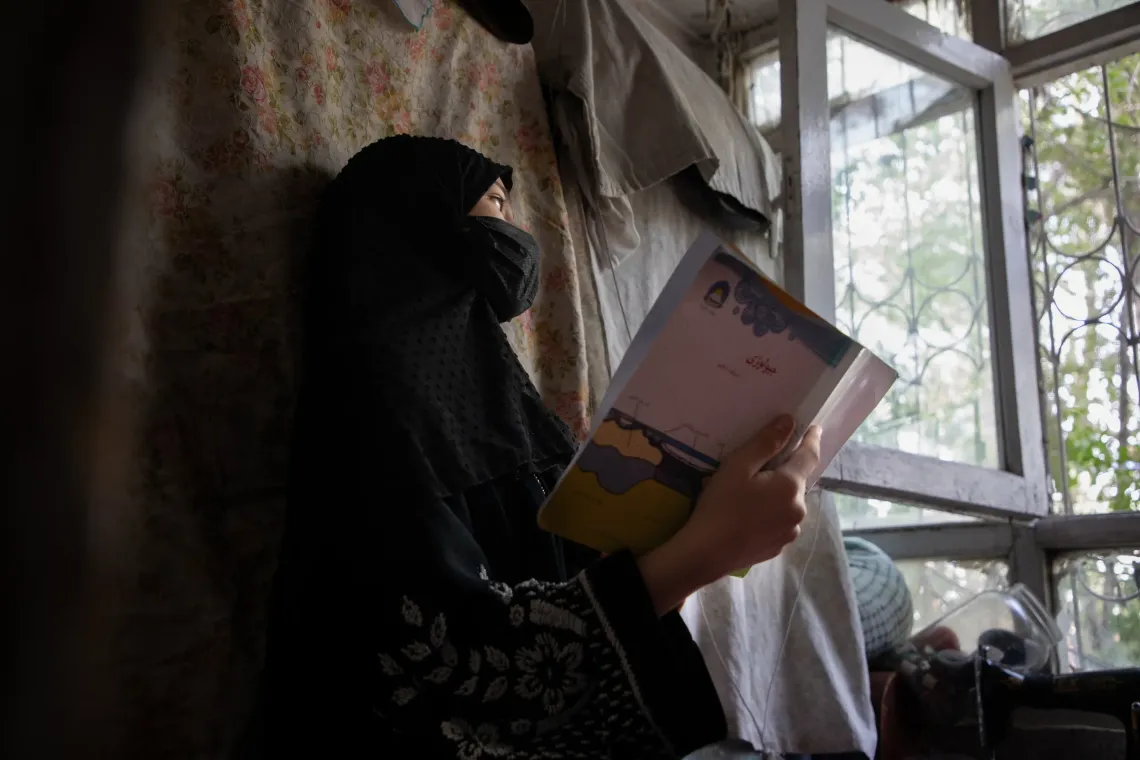
For as long as she had a dream for her life, it was to become a doctor. When schools closed to girls, she took up art classes to keep occupied. And when those too were banned, she shifted to a computer course. Soon the restrictions tore through every opportunity.
Today, Shafiqa spends most of her time indoors, practicing sewing and helping her mother with chores.
“Knowledge is more important than anything,” she says, astutely aware of what’s been taken from her. “Education gives people the opportunity to build a better future.”
Fourteen-year-old Rabia* knows this ache. Since completing Grade 6 in 2024, her wish to become a midwife has begun to splinter.
“Being at home has made me mentally unwell,” she confides, tears collecting in her eyes. “Most of the time I argue with my sisters because I feel so frustrated.”
To be forbidden from school is to be cut off from friends, mentors and moments that build identity. Stashed away at home, girls across the country are reporting alarming levels of isolation and psychological distress.
“I really want to continue my education,” Rabia says. “I want to help women and save lives.”
Afghanistan already suffered one of the highest infant mortality rates in the world. Thousands of mothers die each year too from causes related to pregnancy.
Now, female health providers like midwives are being pushed out of the medical field just as young women are barred from entering it. This has left many pregnant women and mothers, unable to be seen by male doctors, without prenatal or maternal care.
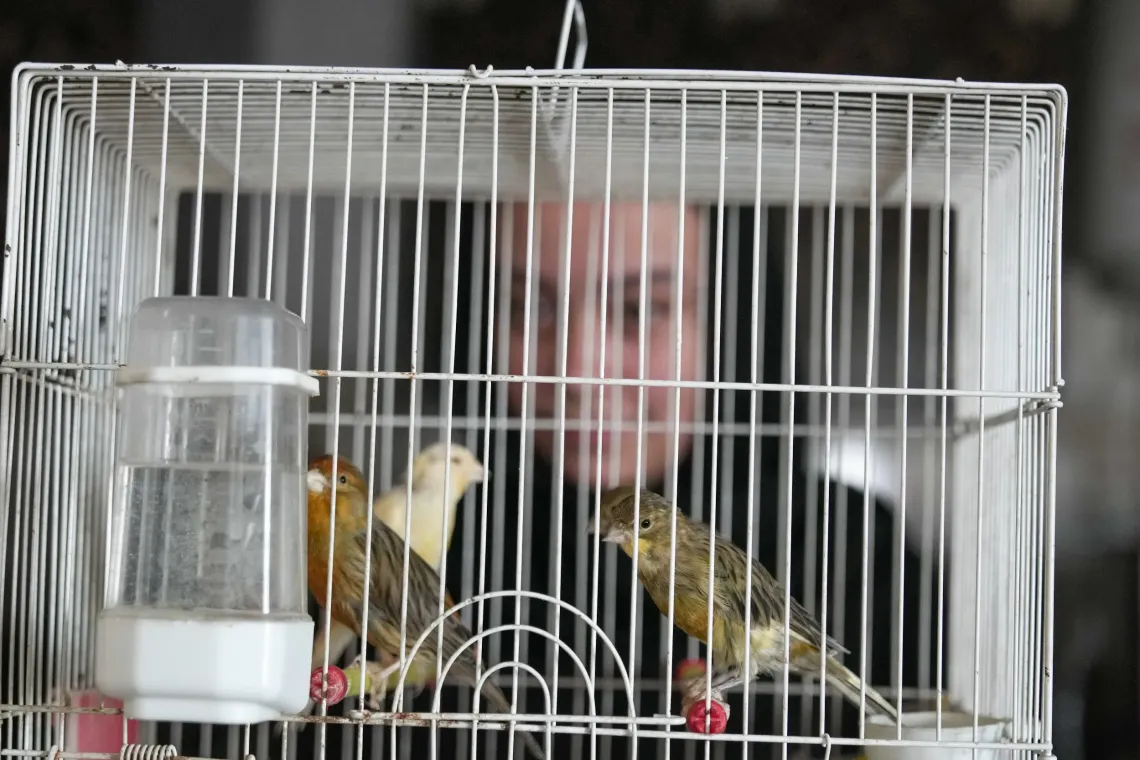
Mahira* dreamed too of serving her community by becoming a doctor. She was in Grade 8 when secondary schools locked their doors on girls. Eighteen years old now, Mahira spends her days confined at home, helping her mother cook and clean.
“She often cries, and I cry with her,” her mother, Halima,* says. “I tell her to keep hope because one day everything will become better.”
Mahira’s closest friends have since married and left Afghanistan in search of opportunity anew in Iran. Their absence is one more reminder of what’s been taken from her.
For Mahira though, hope remains pressed in the pages of her school notebooks, stored carefully at home. And each night, once chores are complete, she works through them, lesson by lesson, refusing to let the reminder of possibility gather dust.
More than 2.6 million girls in Afghanistan have been denied a secondary education since 2021. UNICEF continues to support primary education and community-based learning for girls and for boys. We also help build and rehabilitate schools, train female teachers and provide learning materials. But girls' rights to secondary and higher education must be restored.
*Name changed for protection purposes