Faith in action
In Nigeria, trusted faith leaders are strengthening childhood vaccination and community health.
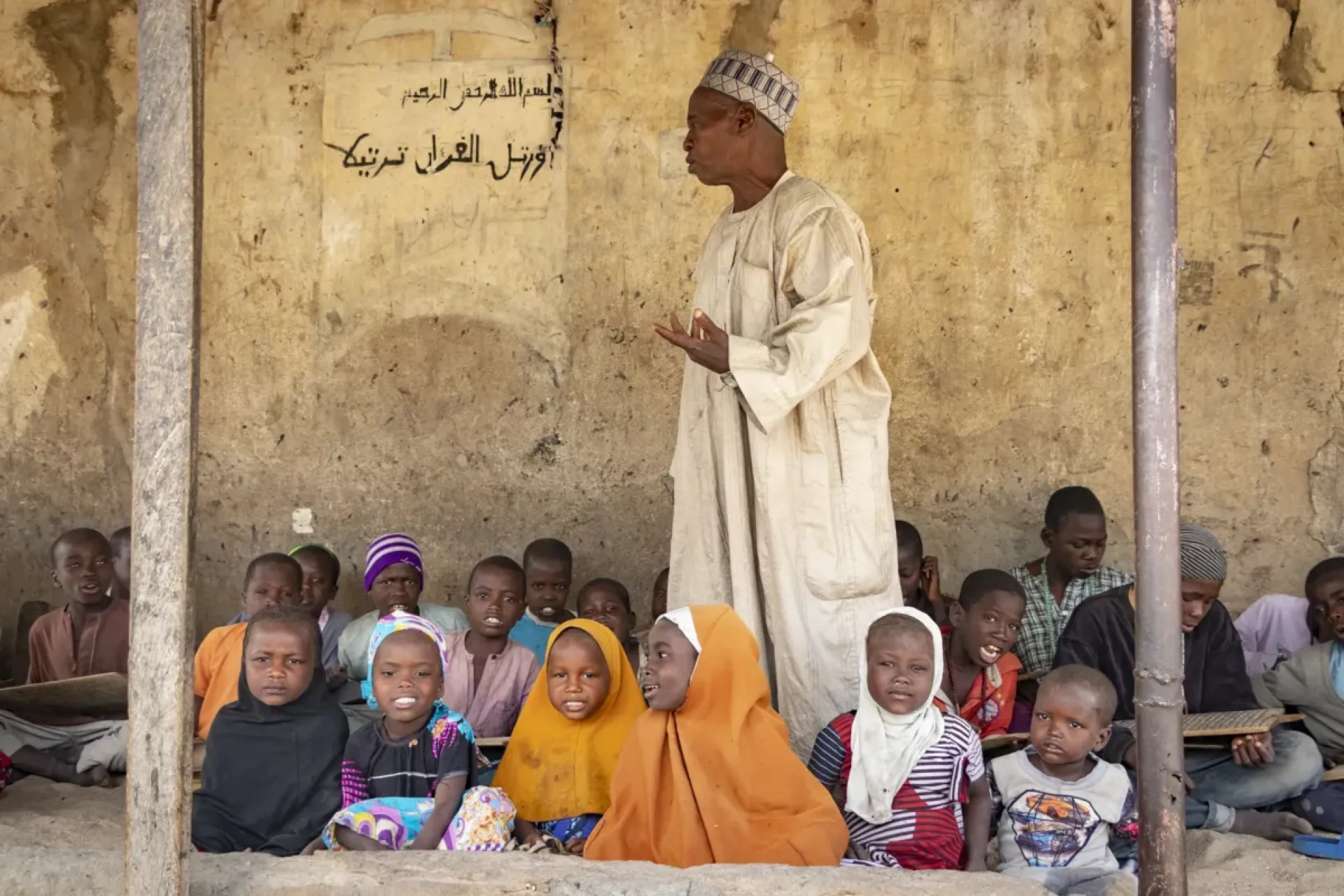
When Goni Mai Hula's voice carries across his Tsangaya, a religious seminary, children pause and neighbours listen. It is a call rooted in faith, urging reflection and togetherness.
The 60-year-old grandfather and religious teacher in Dala, Borno State, in north-east Nigeria, founded his Tsangaya more than four decades ago on the belief that learning should nurture both faith and wellbeing. Over the years, his seminary has welcomed children from as far as neighbouring Niger, shaping generations in moral and spiritual discipline.
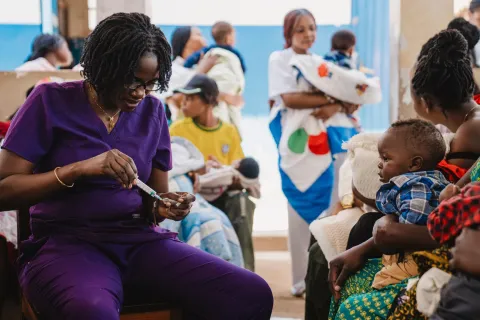
Today, he welcomes a visit from health workers as part of an integrated, national vaccination campaign. Eligible children, including his sons and his students, will receive protection against polio, measles, and rubella.
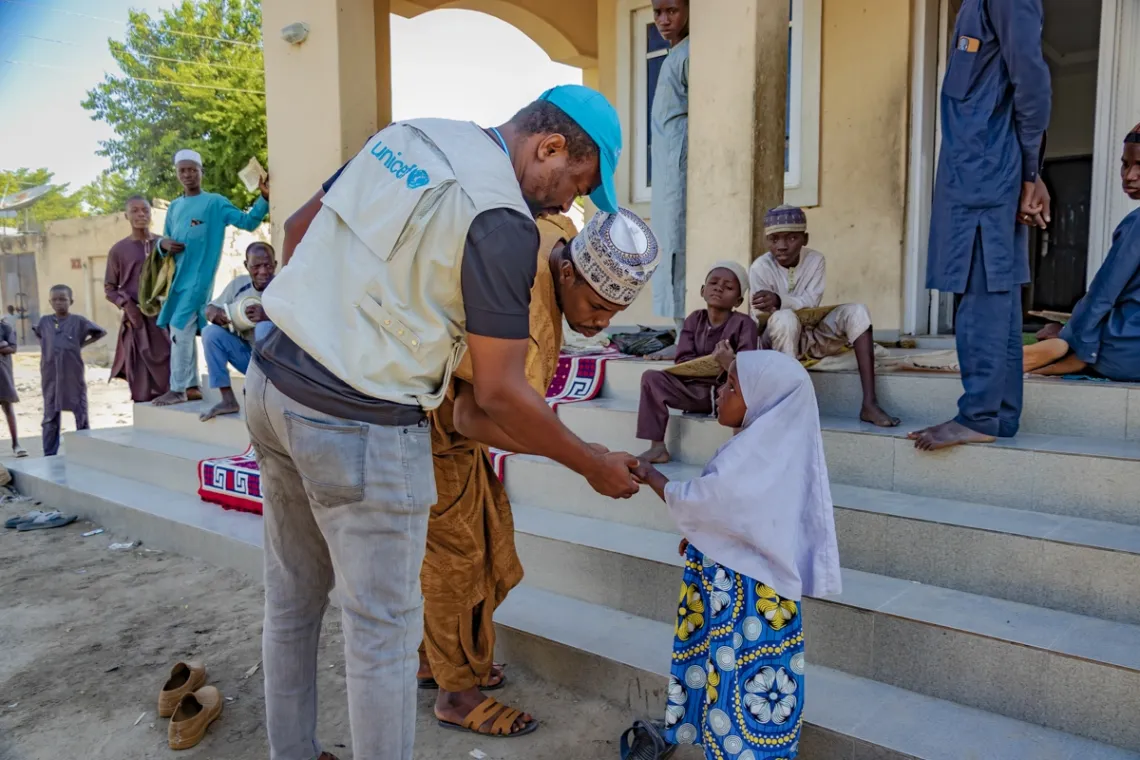
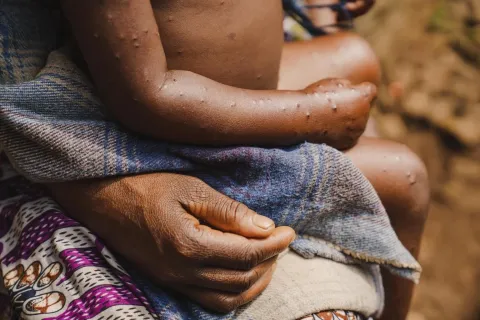
Despite the availability of vaccines, measles remains one of the leading causes of child deaths and debilitations in Nigeria. Led by the Nigerian Government with support from UNICEF, WHO and other partners, the integrated campaign is bringing a wider range of vaccines, including measles, rubella, polio, and the human papillomavirus vaccine, to children across Nigeria. While the government provides leadership and health personnel, UNICEF and its partners ensure vaccine supply, quality control, technical guidance and social mobilization to reach children in even the most remote and underserved communities.
This is where influential community members like Hula become vital to campaign success. With support from donors such as Gavi and the United Nations Central Emergency Response Fund (CERF), UNICEF is leveraging the voice of leaders like Hula to reduce vaccine hesitancy and turn the tide against child mortality.
In his community, Hula is helping to champion vaccination not only as compatible with faith but also as a child right.
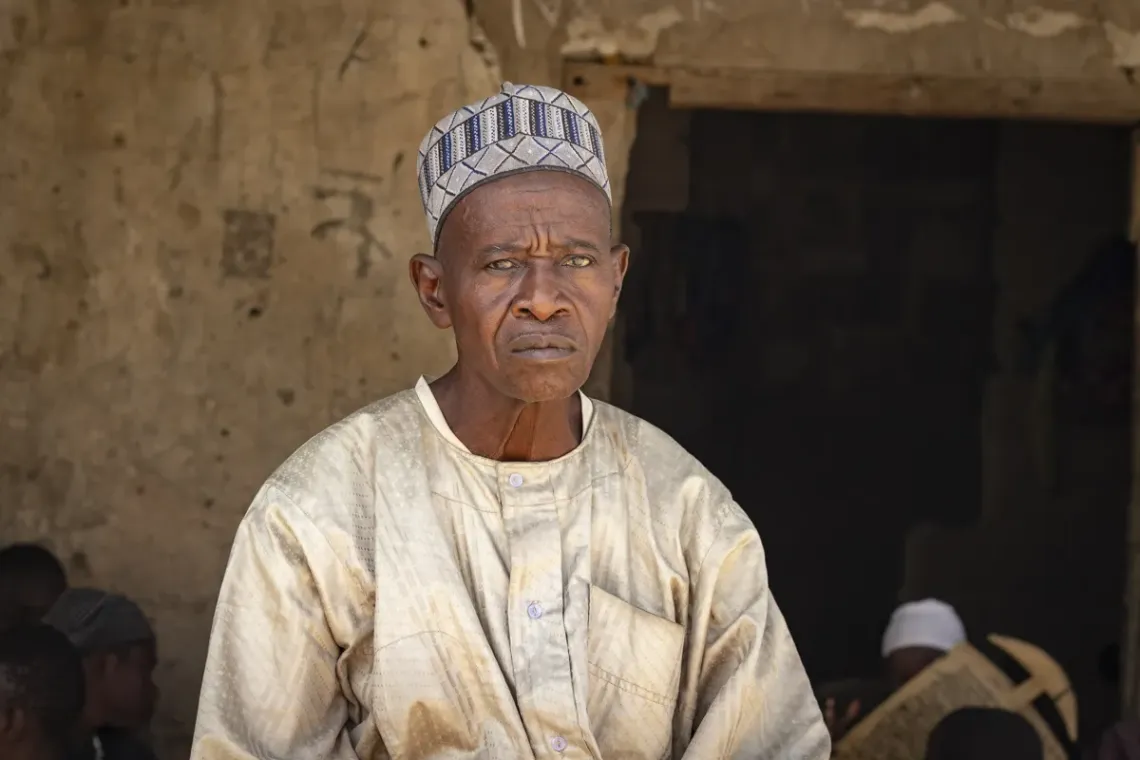
“Many of us in Dala have always maintained a positive attitude towards immunization. But my personal experience and deep knowledge of Islamic teachings have also contributed to my positive disposition and resolve to mobilize community acceptance,” says Hula.
“Many years ago, before the vaccine was widely available, a close family member was affected by measles. My brother lost his eyesight at a young age because of measles. But after receiving vaccination and medication, with proper hydration, his condition improved,’’ he recalls.
In several communities across north-east Nigeria, religious leaders are shaping the attitudes of communities and households on vaccination services, helping to reduce child mortality in a region affected by ongoing conflict.
Vaccination efforts have long faced both hesitation and outright refusal, often driven by misconceptions about how vaccines are developed and how they work. For children, the consequences can be severe as they miss out on life-saving protection from preventable disease. UNICEF’s work with religious leaders is critical, as it helps to address understanding and perceptions of immunization.
“People in my community became convinced when they observed that my students were being vaccinated with my full support. As a religious leader, they trust my decisions and believe that I wouldn’t endorse anything harmful. I reassured them that Islamically, vaccination is permissible.”
Beyond engaging faith leaders, UNICEF and partners are also reaching families through radio programmes, school-based sessions, and community dialogues led by women and youth groups, with volunteer community mobilizers going house-to-house to raise awareness and encourage vaccination. These activities help dispel rumours, share accurate information, and ensure that messages about vaccination reach every household, even in the most remote areas.
The first phase of the immunization campaign in Nigeria has reached approximately 59 million children. In Borno state, virtually every eligible child was reached with protection against polio, measles, and rubella. The second phase of the campaign is now underway and aims to reach an additional 100 million children.
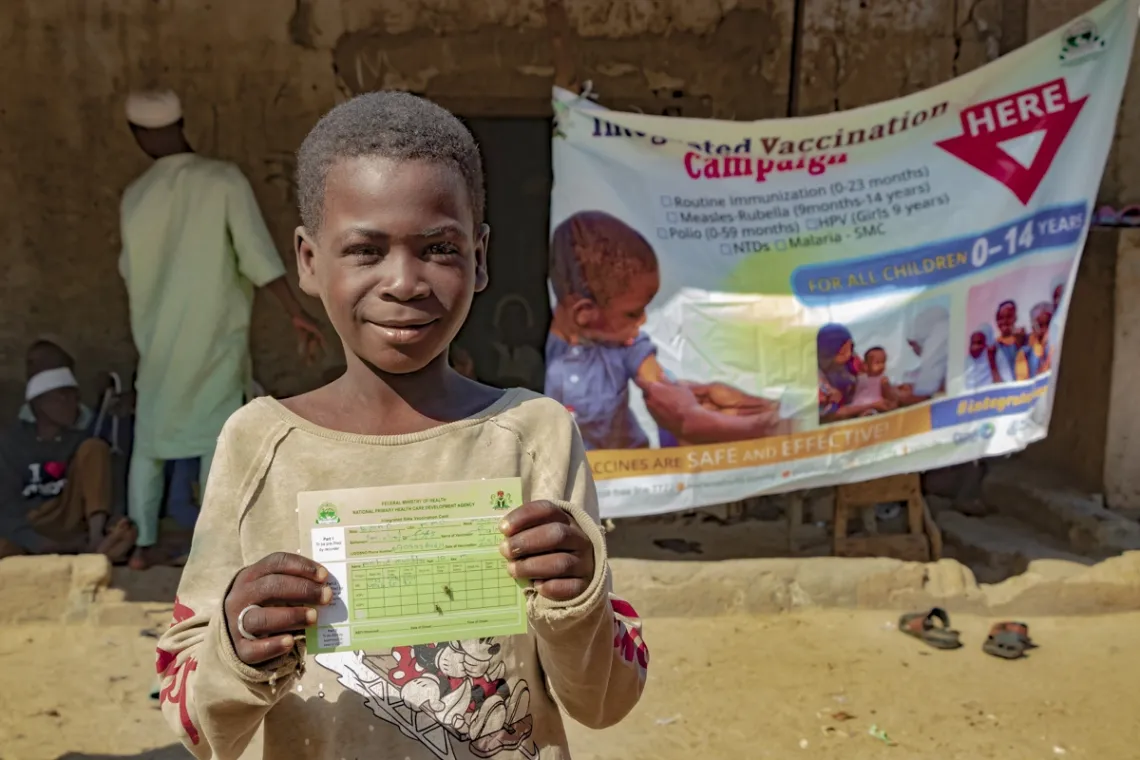
In addition to Gavi and CERF, the support of partners such as the Gates Foundation, the Centers for Disease Control and Prevention, the Global Polio Eradication Initiative, Rotary International and the Government of Canada have been vital to the success of the campaign.
Hula’s story reflects UNICEF’s broader commitment to ensuring that every child, no matter where they live, has access to life-saving vaccines. Across Nigeria and around the world, UNICEF works with governments and communities to strengthen health systems, build trust in vaccines, and protect children’s right to grow up healthy and safe.