Ready-to-use therapeutic food (RUTF) is a lifeline for children
What you need to know about RUTF, severe wasting and UNICEF’s work to help all children survive and thrive.
- English
- 中文
Thirty years ago, ready-to-use therapeutic food (RUTF) revolutionized how we treat child wasting and helped drive one of the greatest public health nutrition achievements in history.
Since the year 2000, the number of children who die from preventable causes before their fifth birthday has dropped by half. RUTF has been a critical driver of this progress, saving millions of lives worldwide, from conflict zones to remote communities.
Over 9 million children are reached with RUTF each year.
This remarkable achievement has only been possible through sustained commitment from governments and donors who prioritized child nutrition and turned innovation into impact at scale.
Here’s what you need to know about one of the world’s most effective health interventions and what needs to happen to reach more children.
What is RUTF?
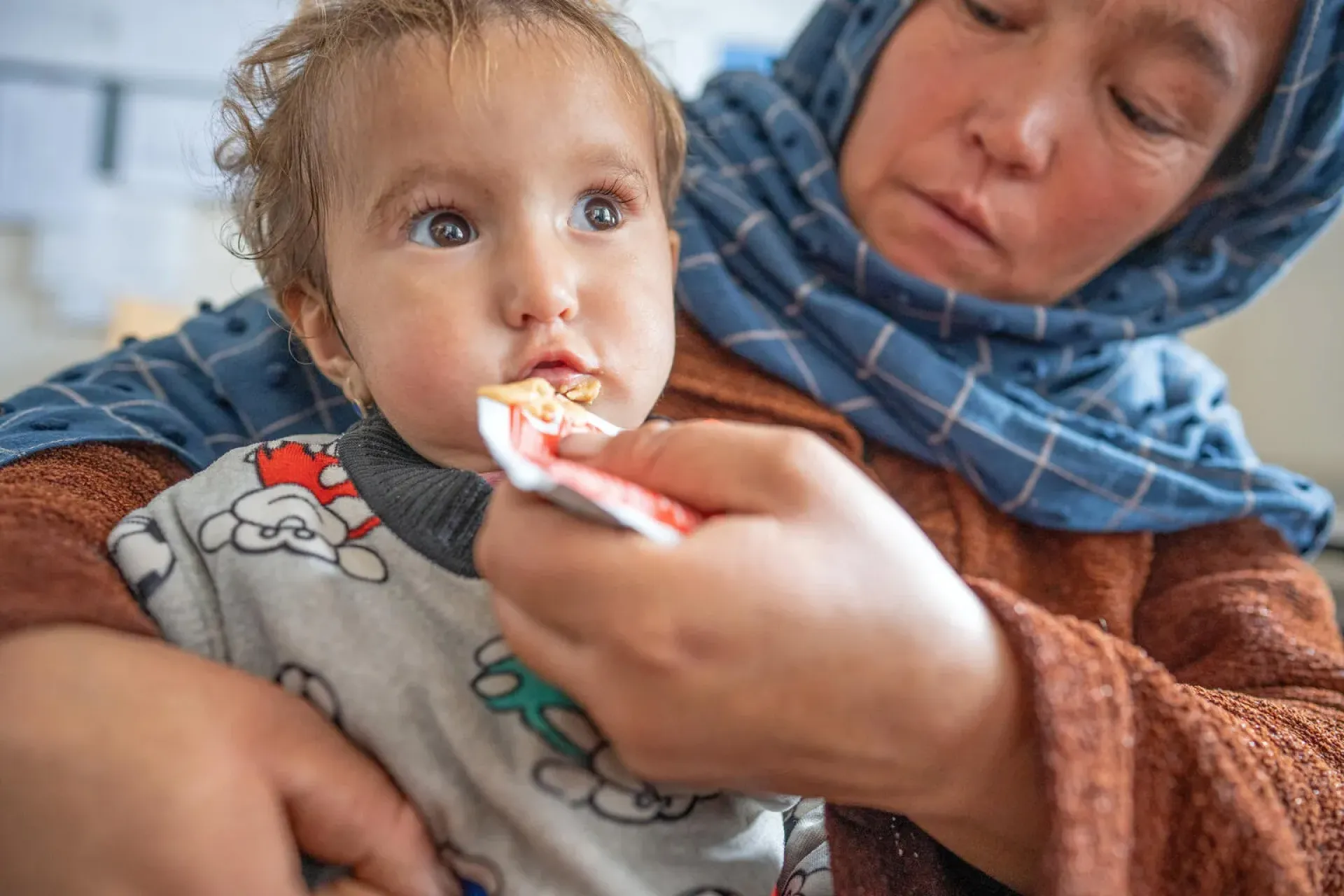
RUTF is ready-to-use therapeutic food. It’s an energy dense, micronutrient paste made using peanuts, sugar, milk powder, oil, vitamins and minerals that has helped treat millions of children threatened by severe wasting. RUTF can also be used as a supplement to support the recovery of some children with moderate wasting in humanitarian contexts.
What is child wasting?
Child wasting – when a child is too thin for their height – is the most life-threatening form of malnutrition. Wasting and other forms of acute malnutrition are the result of maternal malnutrition, low birthweight, poor feeding and care practices, and infection exacerbated by food insecurity, limited access to safe drinking water, and poverty. Children affected by wasting have weakened immune systems, leaving them vulnerable to disease, growth and developmental delays, and death.
Over 42 million children are affected by wasting, with over 12 million suffering from severe wasting, the deadliest form. Learn more about care for children with wasting.
Why is RUTF such an effective treatment?
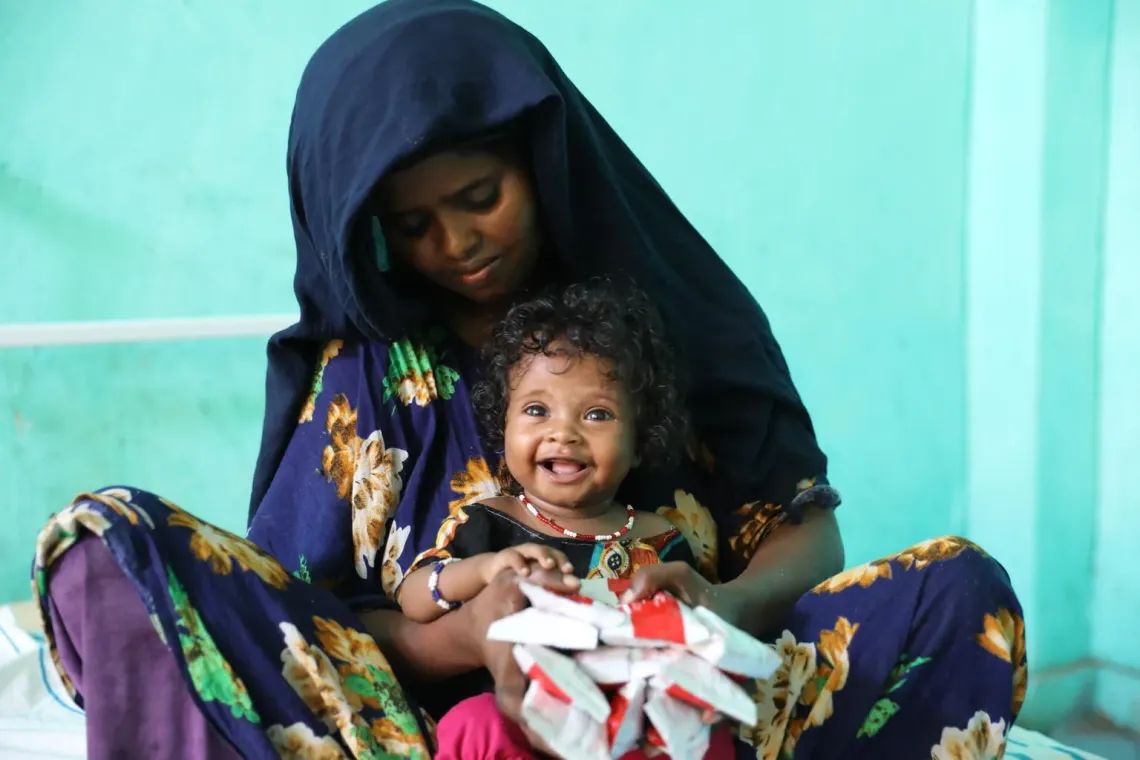
RUTF comes as a ready-to-use medical treatment in a foil sachet, has a shelf life of two years and doesn’t require refrigeration, even after opening. It doesn’t require preparation and doesn’t need to be mixed with water, reducing the risk of children consuming contaminated water. It is safe and easy to use and can be eaten straight from the sachet.
RUTF revolutionized the treatment of uncomplicated forms of severe wasting among children by allowing treatment to take place at home with weekly medical follow-up rather than spending days even weeks in hospitals. Not only did the number of children being reached with treatment significantly increase thanks to RUTF, but the recovery rate for children treated with RUTF is also over 90 per cent.
And best of all, children like it!
Where is RUTF made?
UNICEF sources RUTF from over 20 suppliers worldwide, with most located in or near countries that have high levels of severe wasting. Local manufacturing enables rapid response to malnutrition crises, reduces environmental impacts, creates jobs and economic growth, and ensures supply security.
A healthy market of local and regional manufacturers saves more lives.
What’s UNICEF’s role in RUTF?
UNICEF leads the UN Global Action Plan on Child Wasting and plays a central role in making ready-to-use therapeutic food (RUTF) accessible to children worldwide. We work with partners and governments to scale its use in treatment programmes and reach families in even the most remote and crisis-affected settings. The world’s largest procurer of RUTF, UNICEF also delivers nearly 1 billion sachets each year, fueling recovery for millions of children.
Beyond supply, UNICEF helps countries integrate RUTF and services to treat children with wasting into their health systems by supporting the development of national policies and technical protocols, training health workers, strengthening supply chains, and expanding community-based treatment so children can be treated closer to home.
At the same time, UNICEF drives innovation to create more sustainable and locally produced RUTF and trials new recipes using alternative ingredients like chickpeas and soy, with the aim of strengthening production capacity in the countries that need it most.
What needs to happen to save more children from wasting?
Expanding access to RUTF, while addressing the underlying causes of malnutrition, amongst other actions, is essential to ensure every child has the chance not just to survive, but to grow and thrive.
UNICEF is calling on governments, partners and donors to act:
- Prevent malnutrition before it starts: Invest in maternal nutrition, breastfeeding support, and complementary feeding during the first 1000 days of a child’s life.
- Strengthen local production: Invest in local and regional manufacturing to build RUTF production capacity in high-burden countries, cutting costs and reaching children faster when crises hit.
- Introduce innovations: New formulations, technologies and programme adaptations are essential to making treatment even more effective, affordable, and adaptable for children across different contexts.
- Increase coordinated and innovative financing: Greater investments, coordination and innovation in nutrition, such as using the Child Nutrition Fund, are essential to address child wasting and reach the children most in need.
- Build stronger, integrated systems to respond early: Ensure children have access to nutritious and affordable food; quality water, sanitation and health services; and social protection that shields families from shocks.