Global Annual Results Report 2024
Programme results supported by contributions received from partners
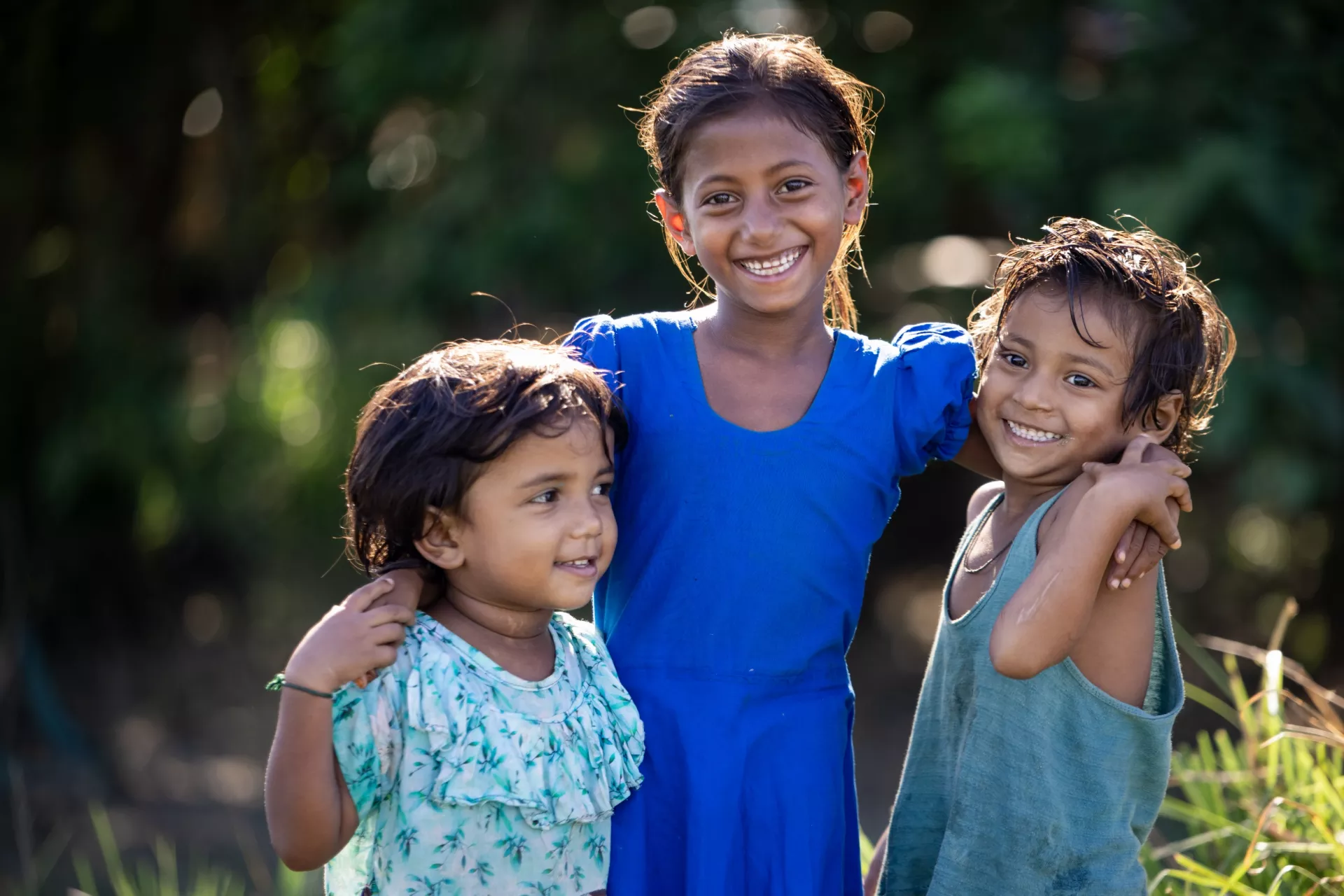
The UNICEF 2024 Global Annual Results Reports (GARR) highlight results for children and adolescents that have been achieved during the third year of implementation of its Strategic Plan, 2022-2025. The GARRs present progress and milestones across each of the five Goal Areas, as well as the cross-cutting area of gender equality and humanitarian action. The reports describe how UNICEF, together with partners, applied transformative change strategies and approaches to deliver results at scale for children, upholding their rights, and with a focus on the most vulnerable and marginalized girls and boys.
Implementation of the Strategic Plan is taking place at a crucial time when the human rights of children are under threat. The compounding nature of recent global challenges – including public health emergencies, conflicts, natural disasters and socio-economic challenges – has affected children worldwide. Despite these challenges, this is also a time of great opportunity to make a real difference in the lives of children, not only over the next few years, but to 2030 and beyond.
Leveraging thematic resources for results
UNICEF has several funding modalities that work together to achieve lasting impact. This report highlights the achievements made possible by contributions to UNICEF, notably of softly earmarked global thematic funding received from partners.
Thematic funding is one of the best ways to achieve impact for children and it gives partners an opportunity to achieve large-scale results in the UNICEF Strategic Plan, 2022-2025. Thematic funds are unique in that they are spent across the four years of the Strategic Plan, supporting UNICEF to achieve its long-term targets and contribute to specific SDGs. They are used strategically to strengthen the social service systems on which children rely and enable a timely response to humanitarian crises.
The flexibility of thematic funding also enables UNICEF to work across the United Nations system ‘together as one’, to achieve common results that support even greater efficiency and impact. By contributing to the UNICEF mandate to advocate for the protection of children’s rights, to help meet their basic needs, and to expand their opportunities to reach their full potential, thematic resources facilitate longer-term planning and sustainability. They also yield a higher return on investment for results for children compared to tightly earmarked contributions, as lower indirect costs enable more funding to go towards programming.
Goal area 1: Every child, including adolescents, survives and thrives, with access to nutritious diets, quality primary health care, nurturing practices and essential supplies. (Volume I: Health)
In 2024, UNICEF continued to support countries to strengthen primary health care, expand equitable access to life-saving services, including malnutrition , maintain critical services and continue strengthening the systems that support children’s ability to survive and thrive.
Goal area 1: Every child, including adolescents, survives and thrives, with access to nutritious diets, quality primary health care, nurturing practices and essential supplies. (Volume II: Nutrition)
In 2024, UNICEF continued to support countries to strengthen primary health care to expand equitable access to life-saving services, while also strengthening food, WASH, education and social protection systems to increase children’s access to nutritious foods, nutrition services and positive care practices.
Goal area 2: Every child, including adolescents, learns and acquires skills for the future.
In 2024, UNICEF continued to support children and adolescents through three pivotal learning transitions: early childhood education to prepare them for school; foundational learning to acquire literacy and numeracy; and skills development for adolescents and youth to prepare them to thrive in both life and work. Furthermore, UNICEF focused on the four cross-cutting areas of education in emergencies, digital learning, gender, equity and inclusion, and environmental sustainability and education.
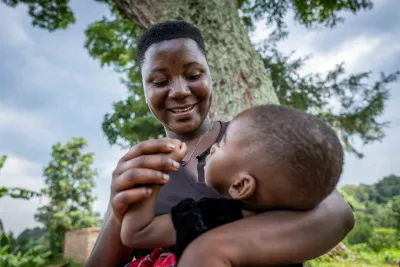
Goal area 3: Every child, including adolescents, is protected from violence, exploitation, abuse, neglect and harmful practices.
In 2024, UNICEF worked to scale up sustainable, high-impact, evidence-based solutions to prevent and respond to violence, exploitation, abuse, neglect and harmful practices in 157 countries around the world. Along with multi-sector partners, UNICEF achieved significant results though conflict, normative pushbacks against child rights and increasing natural disasters are putting increased pressure on child protection efforts. Every child in every context has the right to be protected from all forms of violence. This right is embedded in the United Nations Convention on the Rights of the Child and the Sustainable Development Goals.
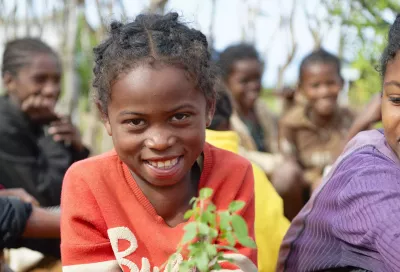
Goal area 4: Every child, including adolescents, has access to safe and equitable water, sanitation and hygiene services and supplies, and lives in a safe and sustainable climate and environment.
In 2024, UNICEF worked to ensure that every child has access to safe water, sanitation and hygiene (WASH) services and lives in a safe and resilient environment. Under this goal, UNICEF provided WASH services through direct support, helped government partners strengthen national WASH systems and addressed climate change, disaster risks and environmental degradation, with a focus on the most vulnerable children.
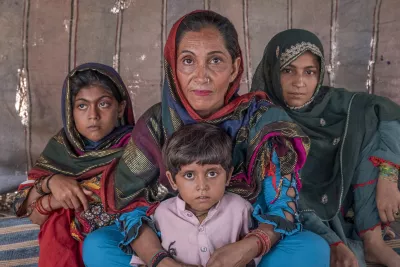
Goal area 5: Every child, including adolescents, has access to inclusive social protection and lives free from poverty.
In 2024, UNICEF was dedicated to reducing child poverty and expanding access to inclusive social protection, including in fragile contexts and humanitarian crises. UNICEF supported governments to systematically measure and monitor, child poverty and implement key economic and social policy solutions, including by leveraging public and innovative finance for children, social protection system strengthening, enhancing coverage and inclusiveness. Moreover, UNICEF scale-up the delivery of cash in humanitarian contexts, while supporting local governance and urban development.
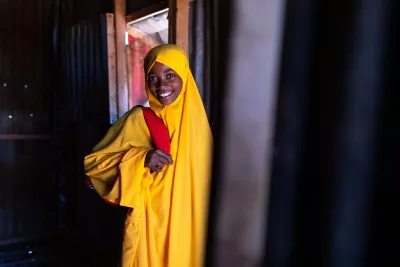
Gender equality
In the third year of its Gender Action Plan, 2022-2025 (GAP), UNICEF intensified efforts to scale up investments in resources, leadership, capacity and accountability to deliver tangible results for girls and women while ensuring an equal future for all girls and boys.
This report highlights how UNICEF is driving gender equality across core programme areas – health and nutrition, education, child protection, WASH and social protection – while placing a strong focus on adolescent girls as catalysts for change and innovation.
Humanitarian action
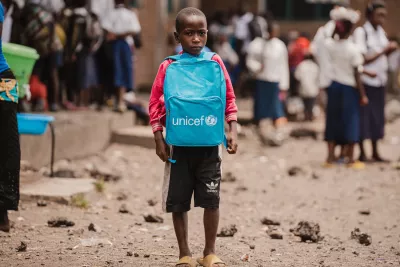
The rights of millions of children to life and safety, health care, adequate nutrition, education, safe water, social protection and protection from harm and exploitation came under grave threat in 2024 because of conflicts, violence, climate-induced emergencies and natural disasters – or, for the most vulnerable children, due to some overlapping mix of these conditions. Delivering on its mandate by working with governments and other partners, in 2024 UNICEF was able to provide a protective and life-saving response for children in 104 countries faced with 448 new or ongoing humanitarian crises.
Thematic spotlight on mental health
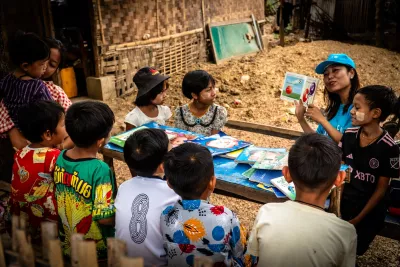
Promoting and protecting the mental health and psychosocial wellbeing of children, adolescents, and their caregivers remains fundamental to achieving the Sustainable Development Goals (SDGs), with a direct contribution to SDG 3 (Good Health and Well-being). In 2024, UNICEF accelerated the scale-up of integrated, multisectoral MHPSS programming across 130 countries, reaching over 66 million children, adolescents, and caregivers.