

UNICEF reporting on children in armed conflict
How we report from and about emergency settings has real-time repercussions for children caught in violence.
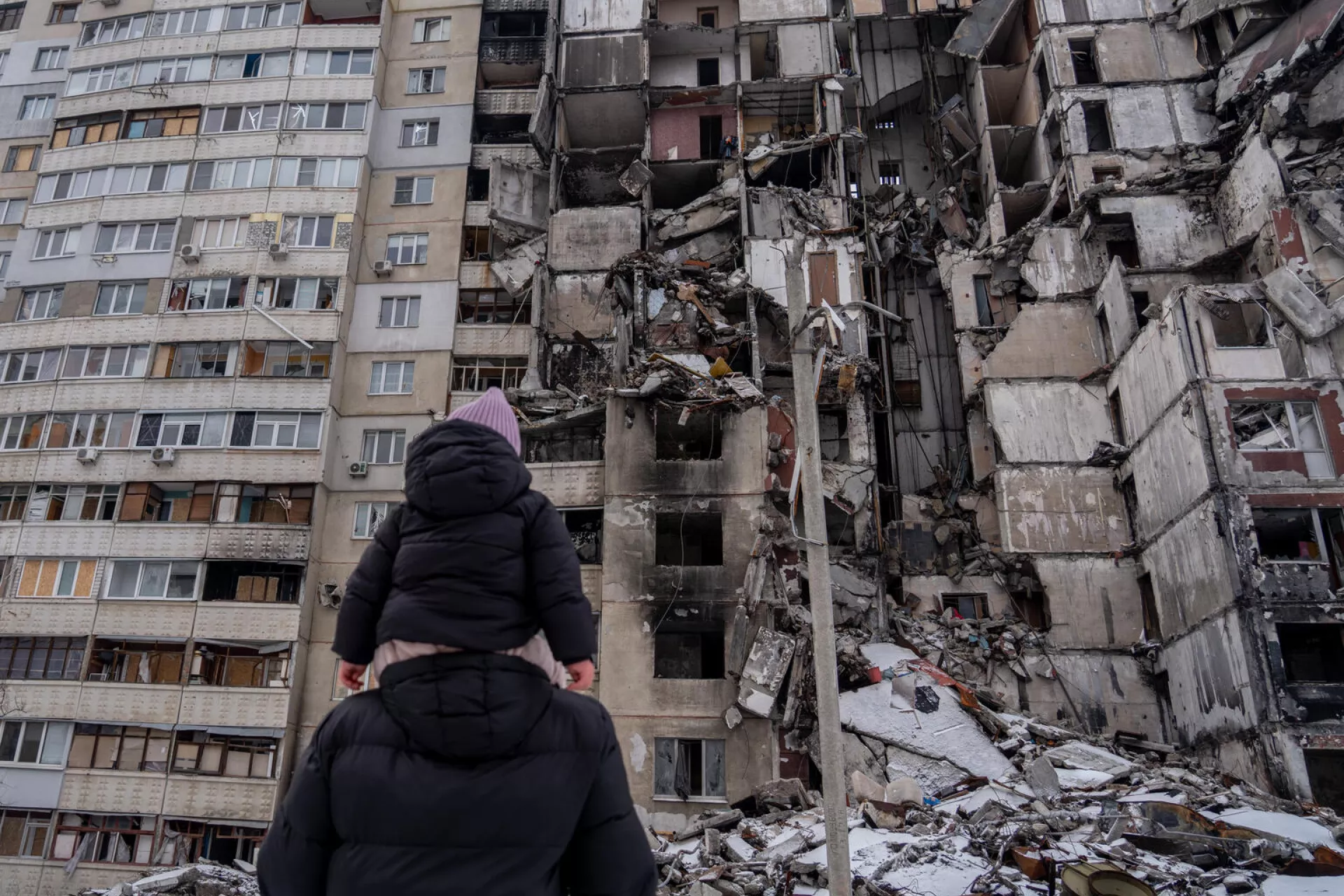
Does UNICEF operate in the conflict zones the United Nations reports on?
Yes, UNICEF operates in humanitarian settings worldwide, including in areas of armed conflict. When violence erupts, UNICEF staff on the ground, together with partners, mobilize to provide life-saving supplies – including clean water, nutrition supplements, vaccines, hygiene kits and more – to children and families caught in crisis.
At the onset of any emergency, UNICEF also deploys surge teams from other parts of the world to help keep children connected to critical health care, education and psychosocial support.
Our humanitarian imperative is to reach children in need, regardless of the circumstances they’ve been born into – including those at the root of conflict. UNICEF reporting in situations of armed conflict contributes to the United Nations’ reporting on how war impacts children and aims to reflect the principles of humanity, neutrality, impartiality and independence fundamental to a child’s right to protection.
Read more about the Core Commitments to Children in Humanitarian Action.
How does UNICEF differentiate between “reported” and “verified” child casualties and other grave violations?
While armed conflict is ongoing and in its immediate aftermath, relevant reporting from sources – including human rights and non-governmental organizations, health authorities, the media and survivors – alert the United Nations (UN) to possible deadly incidents, including those affecting children. Independent UN verification of child casualties in war cannot occur in real time. As a result, UNICEF press statements typically use the term “reportedly” to describe deaths and injuries.
In situations included in the Secretary-General’s Annual Report on Children and Armed Conflict, the UN takes steps to independently verify the number of children who have been killed or maimed, as well as children affected by other violations, after conditions on the ground make it possible to safely gather testimony and other evidence.
This verification process is conducted by UN personnel according to specific global standards. To the extent possible, personnel monitor and collect the age, sex and location of death or injury for each victim, as well as information that could assist in attributing violations to the parties to conflict.
Verification is not intended to be a complete accounting of violations against children, but to give the UN Security Council timely, objective and accurate information that the UN uses as a basis for engaging with parties to conflict to prevent grave violations against children.
The verification process takes time and often faces numerous constraints, depending on the intensity and nature of the conflict, limitations to access to affected areas, and the willingness of survivors and witnesses to share information with the UN, based on stigma, fear of retaliation, or other reasons. As a result, the verified number of violations, including the numbers of children killed or maimed is almost always lower than what has been reported by other sources. Actual casualties are often greater than what officials can independently verify.
What about in the recent conflict in Gaza? How does UNICEF verify casualty figures?
In the case of Israel and the State of Palestine, including the West Bank and East Jerusalem, the UN tracks all relevant and available reports of incidents affecting children from various sources. These include UN personnel and other sources on the ground, human rights organizations, non-governmental organizations, health authorities and media.
In Israel and the State of Palestine, UN verification efforts have generally substantiated initial estimated figures. In the 2014 war, for example, the State of Palestine Ministry of Health reported a total of 2,322 deaths, including 630 children. The verified UN figures were 2,251 killed, including 540 children in Gaza.
Why do UNICEF statements use neutral language to describe incidents and parties to conflict?
UNICEF’s mandate in any emergency is to alleviate the suffering of children. This means reaching every child caught in conflict, no matter the child's family circumstances, background, beliefs or which party to conflict controls the area where the child lives.
Neutral, impartial and independent, our humanitarian approach allows us to remain operational in highly complex environments. At any hour, UNICEF must ensure humanitarian workers can gain access to children on every side of the conflict, while minimizing security concerns for on-the-ground operations.
This requires open lines of communication with all parties to conflict. In some cases where speaking publicly will place the security of children and staff on the ground at risk, UNICEF speaks out not in public but in private. Any engagement with armed forces or armed groups, as needed to protect humanitarian operations, is initiated in accordance with humanitarian guidelines for civil-military coordination.
In every humanitarian crisis, UNICEF’s public statements seek to focus the world’s attention not on the cause of conflict, but on the consequences for children. The only side we take in conflict is that of children.
Resources for media
Current issues
Read about UNICEF’s position on current issues affecting children.
Press centre
Browse our extensive resources for journalists and media, showcasing UNICEF's efforts around the world.
Media contacts
See UNICEF's range media contacts, available as communications resources for press colleagues.
Experts
Talk to our leading experts, available for commentary on child health, nutrition, protection, water, sanitation, and humanitarian crises.