Water for over 1,6 million children in Taiz at risk as fighting intensifies in Yemen
This is a summary of what was said by the UNICEF Country Representative in Yemen Akhil Iyer – to whom quoted text may be attributed – at today's press briefing at the Palais des Nations in Geneva
ADEN, 20 October 2026 - “In Taiz, Yemen, escalating fighting and fuel shortages are threatening UNICEF water systems serving an estimated three million people, at least 1,6 million of them children.
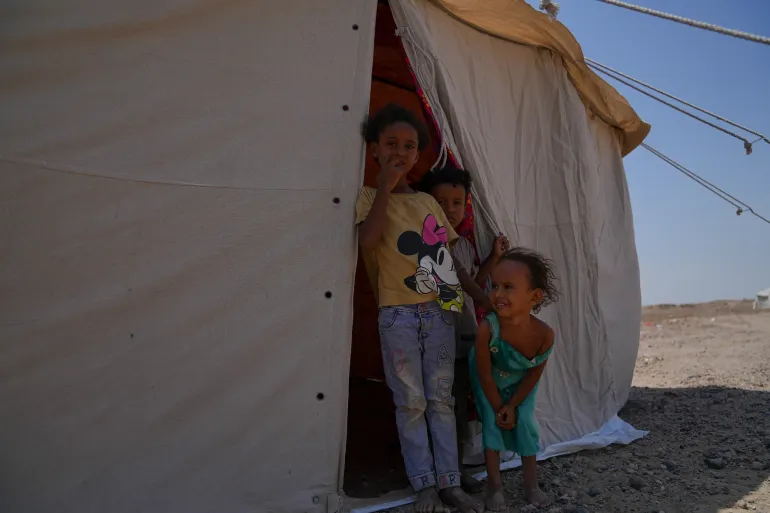
“Already one of Yemen's most water-scarce areas, Taiz is now facing renewed pressure on its most essential services for thousands of displaced families.
“Since the latest escalation in September, an estimated 120,000 people – more than half of all those newly uprooted across Yemen – have been displaced to Taiz.
“Many have fled repeatedly, arriving in overcrowded communities with little food, limited clean water and almost nothing left to sustain themselves.
“11-year-old Safa, who is currently displaced in Taiz, told us that 'life has become very difficult,' and even collecting water has become a source of fear.
“She says ‘water is a daily struggle; we wait in long queues to fill our jerricans. I see people fighting to fill their jerricans, and it gets me terrified.’”
“And the situation is becoming more precarious.
“Fighting has disrupted critical supply routes, including the Taiz–Aden corridor. Food and fuel are becoming scarcer, prices are rising, and essential services are at risk of suspension.
“The World Food Programme has warned that wheat flour stocks in affected areas of Taiz are nearly exhausted – an alarming development in a governorate already facing some of Yemen’s highest levels of food insecurity, with ten of its 16 districts previously classified at Emergency levels (IPC Phase 4).
“For families struggling to feed their children, this is another devastating blow – particularly for those already suffering from malnutrition.
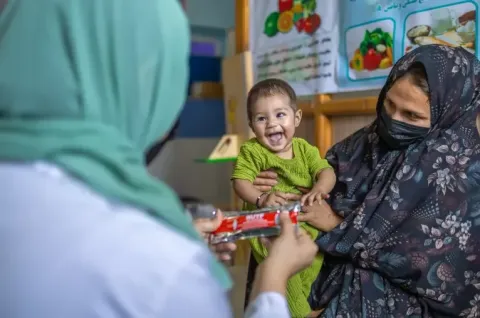
“This year, UNICEF has screened more than 168,000 children in Taiz, with more than 52,000 children found to be acutely malnourished – nearly one in every three children screened.
“Now, diesel shortages threaten to bring water pumps to a halt, while the cost of trucked water has tripled since this latest escalation. For families already struggling to buy food, safe water is becoming increasingly unaffordable.
“UNICEF is helping keep water pumping systems serving an estimated three million people in Taiz operational through the provision of diesel, while providing emergency water and sanitation services to more than 300,000 people.
“But the consequences of a water shortage go far beyond thirst.
“Unsafe water and poor sanitation increase the risk of diarrhoeal diseases and cholera. These illnesses can worsen malnutrition by preventing children from absorbing the nutrients they desperately need, leaving them weaker and more vulnerable to further infections.
“Across Yemen, the World Health Organization reports that suspected cholera cases have already tripled in just three weeks.
“For children in Taiz, hunger, unsafe water and disease are becoming an increasingly dangerous combination.
“UNICEF has pre-positioned nearly 8,000 cartons of Ready-to-Use Therapeutic Food (RUTF) to support treatment for children in Taiz suffering from severe acute malnutrition, the most deadly. We continue to support health facilities, nutrition treatment and essential water services.
“But a child suffering from malnutrition cannot afford to miss treatment, cannot afford to fall ill from unsafe water.
“We call on all parties to protect children and civilians, safeguard water systems and health facilities, and uphold their obligations under international humanitarian law.
“Children in Taiz have already endured years of conflict and deprivation. They cannot afford to lose services that are keeping them alive.”
Media contacts
About UNICEF
UNICEF, the United Nations agency for children, works to protect the rights of every child, everywhere, especially the most disadvantaged children and in the toughest places to reach. Across more than 190 countries and territories, we do whatever it takes to help children survive, thrive, and fulfil their potential.
Follow UNICEF on X, Facebook, Instagram and YouTube