More than 830,000 children return to school across the West Bank, including East Jerusalem, amid insecurity and access challenges
At least 224 documented education-related incidents affected more than 20,000 students in the first half of 2026
- English
- العربية
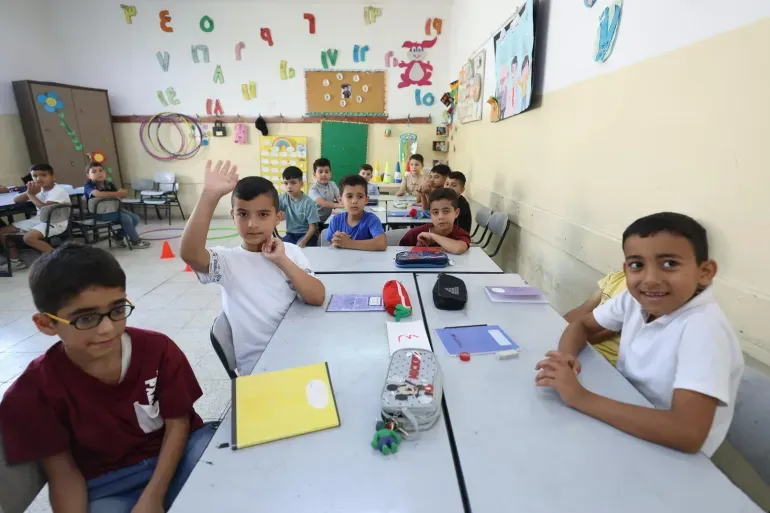
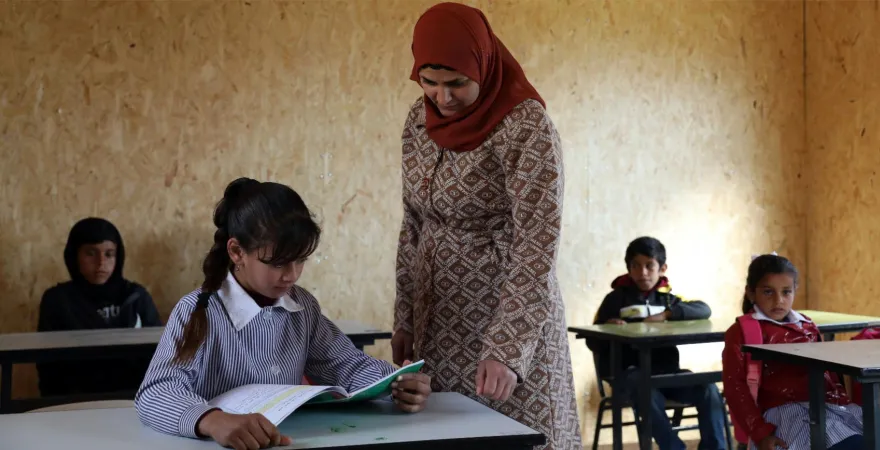
AMMAN, 10 September 2026 – More than 830,000 children are returning to school across the West Bank, including East Jerusalem, this week, beginning a new academic year amid escalating threats to their rights to safety and access to education.
Violence, displacement, movement restrictions and incidents affecting schools and surrounding communities are disrupting thousands of children's ability to reach and remain in education safely.
During the first half of 2026, the Education Cluster documented 224 education-related incidents in the West Bank, including East Jerusalem. These are incidents in or around schools, or on the way to or from school. They directly affected 152 schools, 20,450 students, and 859 education personnel across the West Bank, including East Jerusalem.*
“Too many children face uncertainty about whether they can reach their classroom safely, whether their school will remain open, or whether displacement will force them out of education altogether,” said UNICEF Regional Director for the Middle East and North Africa, Edouard Beigbeder. “The start of a new school year should bring children excitement and opportunity. But for some children, there will be no return to school.”
Ten Palestinian children were killed in the West Bank, including East Jerusalem, during the summer break between June and the first week of September 2026. In addition, since the start of the year, more than 1,700 Palestinian children have been displaced due to settler violence, access restrictions, and administrative demolitions.
Displacement can sever children not only from their homes, but also from their schools, teachers, friends, and the support networks that are essential to their learning and well-being. Even temporary interruptions to education can have lasting consequences, particularly for children already living under prolonged stress.
UNICEF and partners across the West Bank, including East Jerusalem, are providing remedial and catch-up education, psychosocial support, transportation, and protective measures. UNICEF is also providing support through education-related cash assistance, legal aid, rehabilitation of schools, and restoring safe learning environments.
Children’s right to education must be protected. Schools must remain safe and accessible, and children and teachers must be able to reach them without fear, violence, or obstruction.
UNICEF calls for the protection of all Palestinian children, including access to learning. International human rights law and international humanitarian law must be upheld, and every child’s right to education and a future must be protected.
####
Media contacts
Additional resources
About UNICEF
UNICEF, the United Nations agency for children, works to protect the rights of every child, everywhere, especially the most disadvantaged children and in the toughest places to reach. Across more than 190 countries and territories, we do whatever it takes to help children survive, thrive, and fulfil their potential.
Follow UNICEF on X, Facebook, Instagram and YouTube