Burundi's Children Hit Hard by Mpox
This is a summary of what was said by UNICEF’s Regional Health Advisor for Eastern and Southern Africa, Dr Paul Ngwakum – to whom quoted text may be attributed – at today's press briefing at the Palais des Nations in Geneva

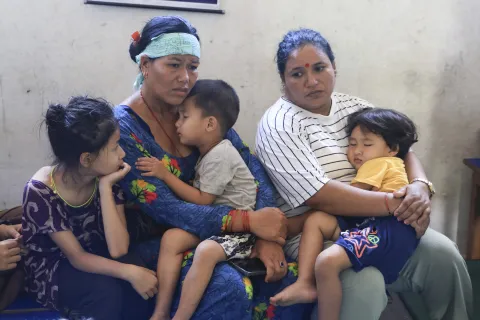
BUJUMBURA/GENEVA, 20 SEPTEMBER 2024 – “Children in Burundi are bearing the brunt of the mpox outbreak, with alarming rates of infection and severe health impacts. Of the nearly 600 reported cases, two-thirds are in children under 19. The situation has escalated rapidly, with a more than 40% increase in cases over the past three weeks.
“During this visit to Burundi, I have spoken with families, teachers and health workers who are navigating the dual challenges of treating children and protecting children from mpox, while ensuring their education continues. The fears expressed by parents and the resilience of communities in the face of this public health crisis were striking. They highlighted the critical need for our support to keep children safe, and learning.
“UNICEF, working alongside WHO, Africa CDC, and other partners, is leading the response in key areas, including risk communication – so important as we are seeing a large amount of online misinformation – together with infection prevention, and mental health support for parents and frontline workers.
“Why mental health support? Because affected families are subjected to stigma, myths and are also fearful of a repeat of previous serious health outbreaks such as ebola or Covid 19. So there is an important role we are playing to dispel myths, and calm fears.
"Of particular concern is the rise of mpox among children under 5 years of age, representing 30% of the reported cases, and thus underscoring the urgent need for targeted interventions as schools reopened on 16 September in Burundi. UNICEF is supporting the Ministry of Education to implement health measures in schools, train staff to recognize early symptoms of mpox and reinforce hand hygiene. We aim to ensure that all children can safely return to school and minimize educational disruptions. But make no mistake, we don’t have all the answers. No one does. This is a rapidly evolving situation, with a new, infectious strain, and we are learning more every day about different modes of transmission. And with more information, we update our messaging and our response.
“But even amid this grim situation, from what I have seen this week, I must say that we have an opportunity here in Burundi: we have had no deaths from mpox, and have an opportunity to end this outbreak in a short time period. The geographical area is still limited, and with a concerted effort from all partners, we can limit the spread, contain the virus, and potentially end the outbreak with no lives lost. But we must act now with increased attention and support. I am aware there is a lot of trouble around the world, far from Burundi. And I am also aware that we can’t solve those complex conflicts overnight. But we have a chance in Burundi to show we can end this dangerous and threatening outbreak in a relatively short time. If we act swiftly.
“UNICEF is urgently appealing for US $58.8 million to scale up its response across six African countries, including Burundi, where children are most affected. These funds are essential to stop the transmission of mpox, protect children, and maintain critical services like education and healthcare. UNICEF’s commitment extends beyond immediate response measures. We are equipping frontline workers and local communities with the tools necessary to manage this outbreak while also focusing on long-term resilience.
“Our response also includes supporting vaccination efforts, enhancing infection control, and providing mental health services, all while combating stigma and supporting families in isolation centres. Thank You.”
###
Media contacts
Additional resources