What the floods left behind
In Nuwakot, UNICEF-supported mental health services are helping flood-affected children feel safe, heard and supported in the aftermath of the disaster.
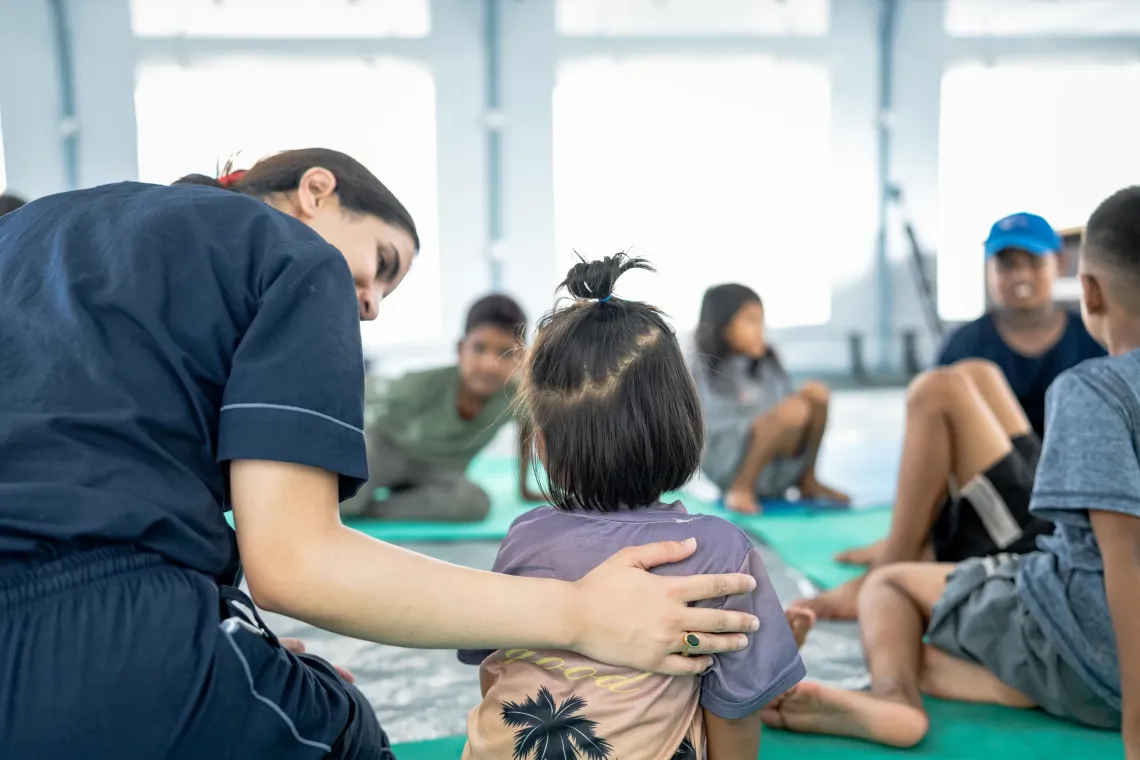
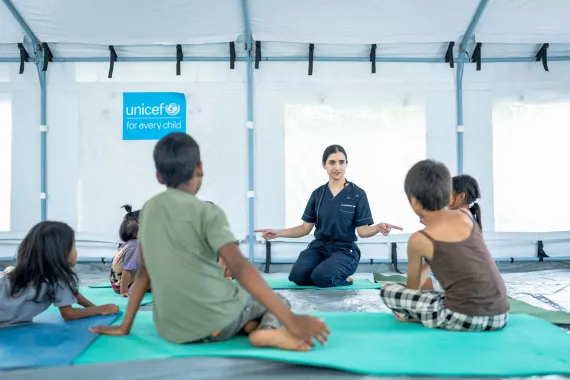
NUWAKOT, Nepal – Inside a UNICEF-supported tent at the Ayurveda and Alternative Hospital in Nuwakot, children sit with counsellors, slowly finding ways to name what they have lived through. It is one of several spaces set up to help children and families begin to recover from the fear and shock left behind by the flash floods.
Across the affected areas, the scale of need is immense. The floods have affected an estimated 84,270 people across six districts, including 32,021 children.
Thousands have been displaced, with families staying in holding centres or temporary shelters, and damage to schools, health facilities, water systems, roads and bridges has disrupted everyday life for many communities.
For children, the impact is not only visible in broken classrooms or damaged homes. It can also be heard in what they say, or do not say. Some families have described waking in the middle of the night and running uphill, carrying whatever they could, afraid another flood was coming.
Dr. Shitanshu Dhakal, a medical officer at Trishuli Hospital and former UNICEF Youth Advocate for mental health, witnessed that fear first-hand. While health workers treated injuries and referred patients for urgent care, she says the emotional impact was harder to see, but impossible to ignore.
“One thing, apart from everything we saw, something quite invisible but very distressing, was the mental trauma experienced by all those directly or indirectly affected by the floods,” she said.

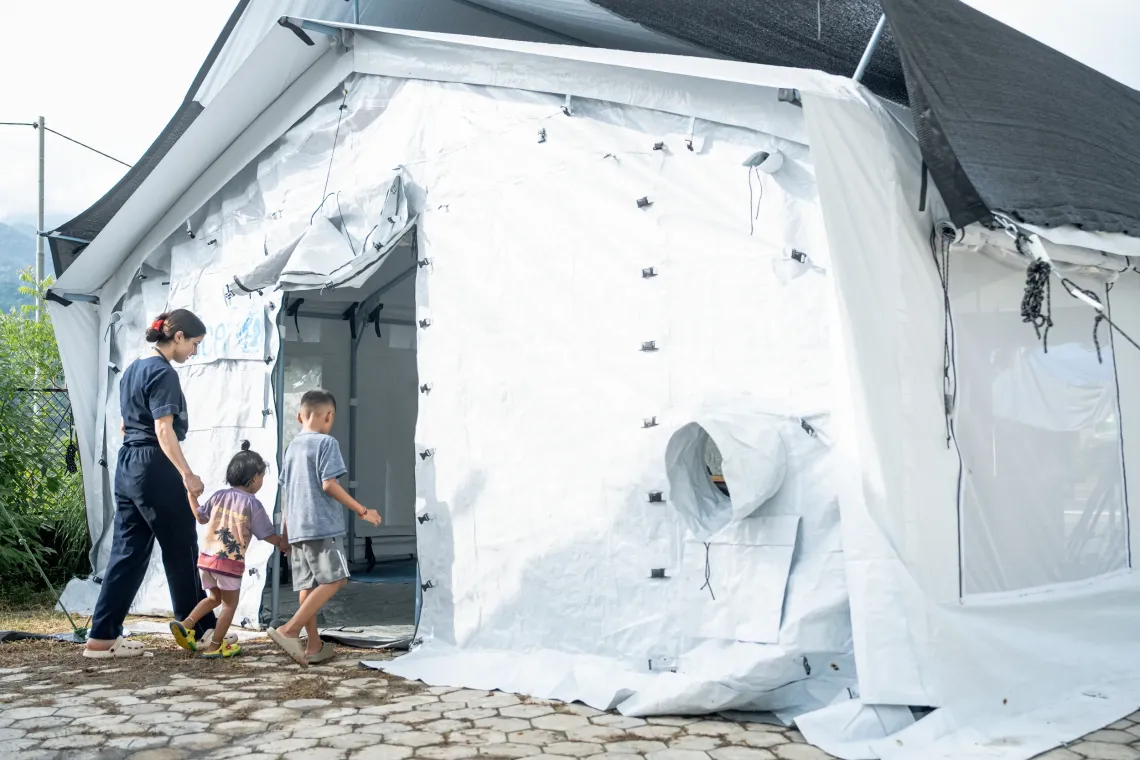

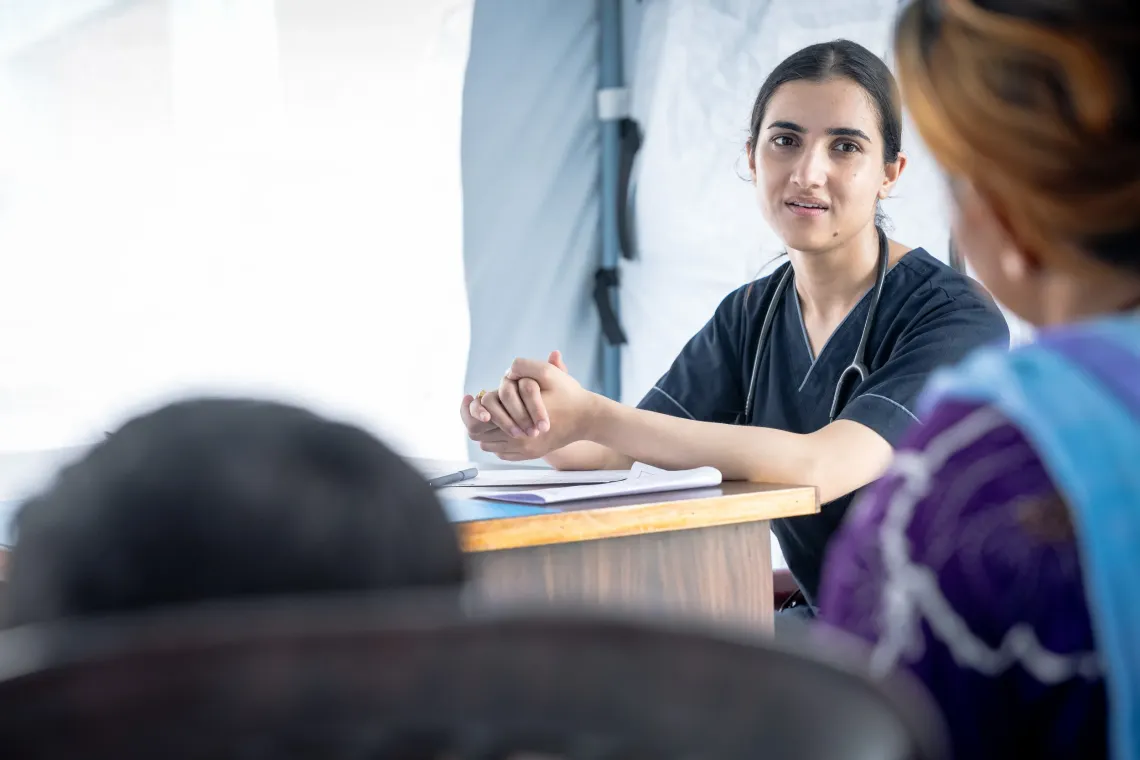

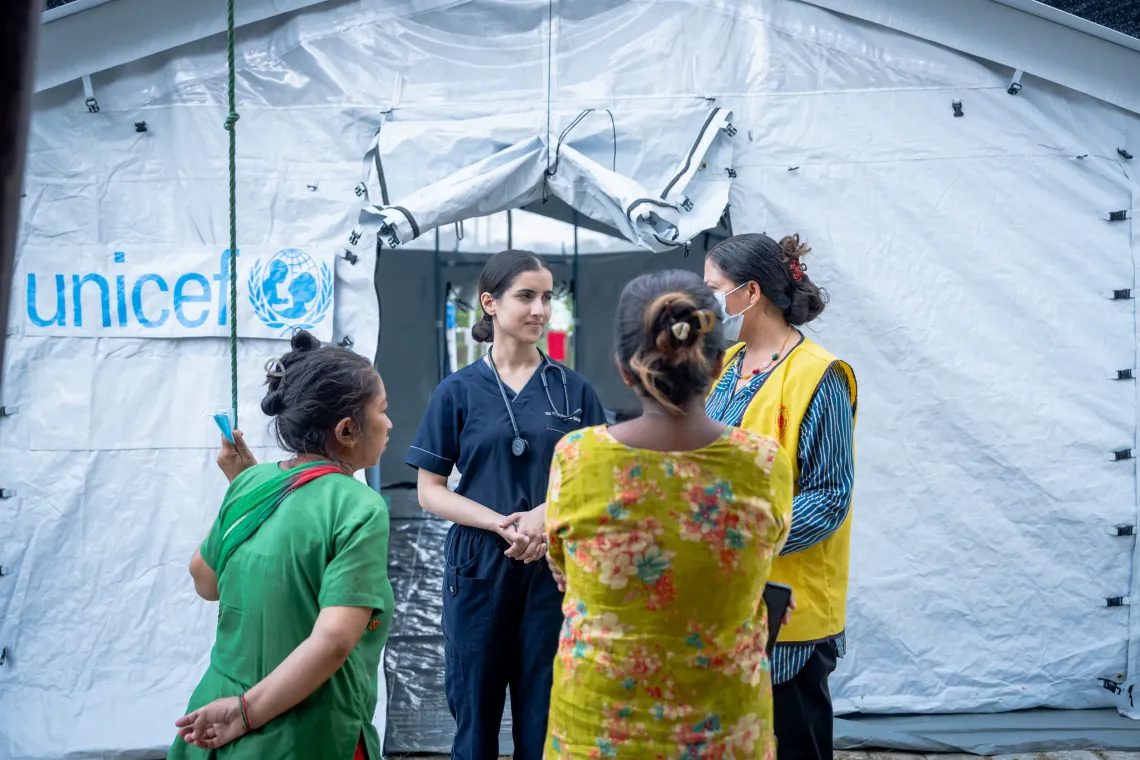
In the tent, psychological first aid offers children a calm space after days marked by loss, fear and uncertainty. Counsellors help them feel safe, listen without pressure and identify those who may need further support.
So far, UNICEF and partners have reached over 1,900 flood-affected people, including 782 children, through community-based psychosocial support.
Specialist mental health services have also reached 2,893 people, including 1,382 children and adolescents, with support from psychiatrists, psychologists and psychosocial counsellors working across holding centres in Nuwakot, Rasuwa and Dhading.
The need remains far greater than what has been reached so far.
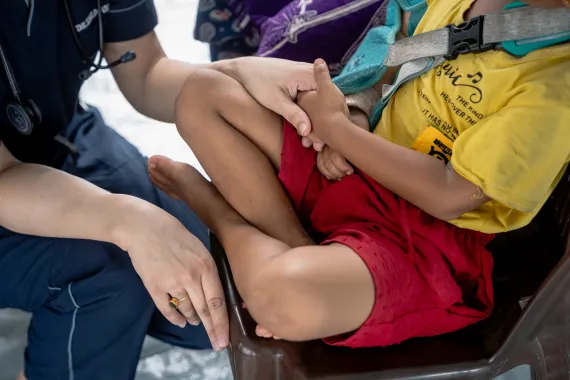
At least 17,000 children are estimated to require mental health and psychosocial support, while 541 unaccompanied and separated children have been identified and need continued protection services, including family tracing, reunification and case management.
For Dr. Dhakal, this support must remain at the heart of the response. Children, she says, are among the most vulnerable after a disaster, and helping them recover means paying attention not only to what was destroyed, but also to the fear, confusion and uncertainty they may still be carrying.