Small moments of joy
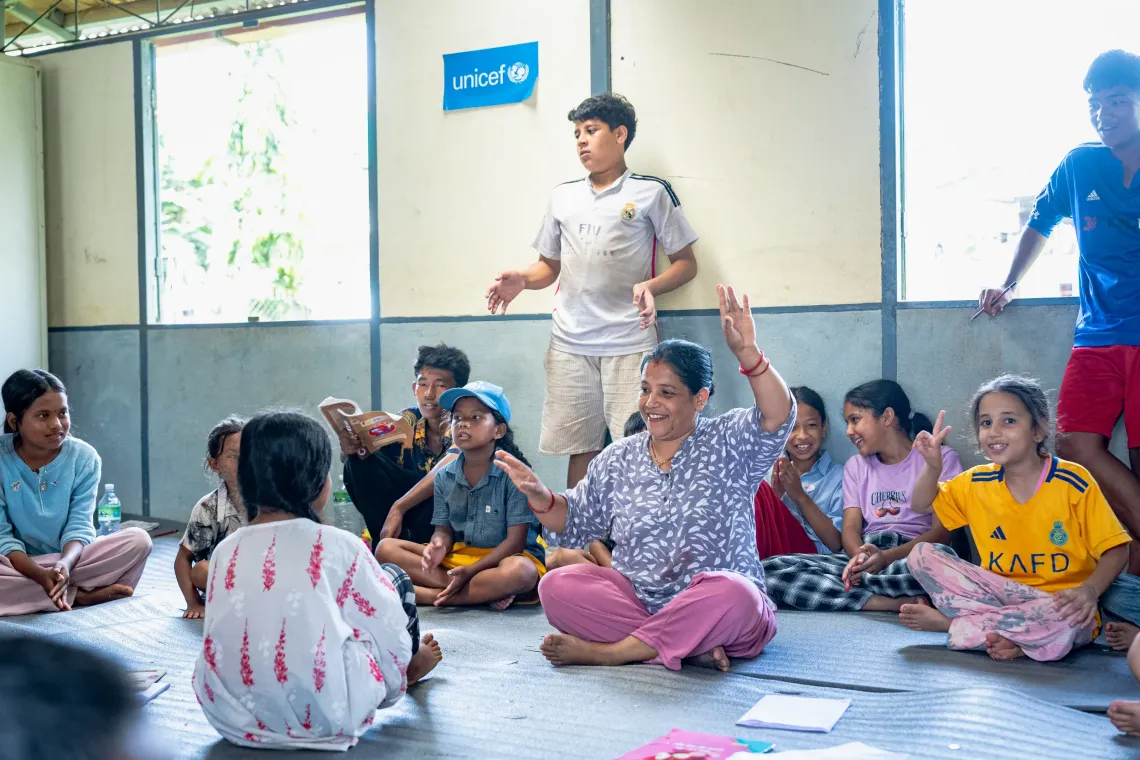
After the floods, UNICEF-supported child-friendly spaces are helping children find safety, routine and the simple joy of play.
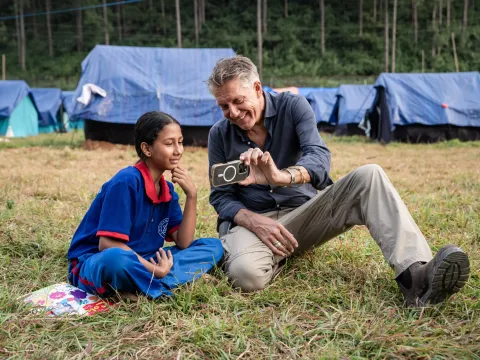
Nuwakot, Nepal: Inside a newly set-up child-friendly space in Nuwakot, nine-year-old Swostima Paudel sits on the floor, carefully pulling off stickers from a strip.
Around her, children laugh, sing, run their fingers over new play materials and slowly settle into a rhythm that feels familiar.
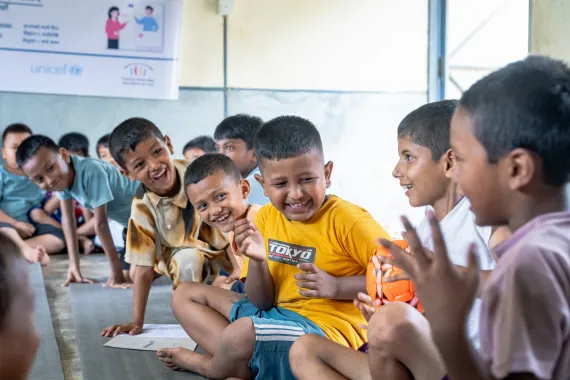
For children affected by the recent flash floods, moments like these matter. The floods have affected an estimated 84,270 people across six districts, including 32,021 children.
Homes, schools, water systems and health facilities have been damaged, while thousands of families are staying in temporary holding centres across Nuwakot, Rasuwa and Dhading.
For many children, daily routines have disappeared almost overnight.
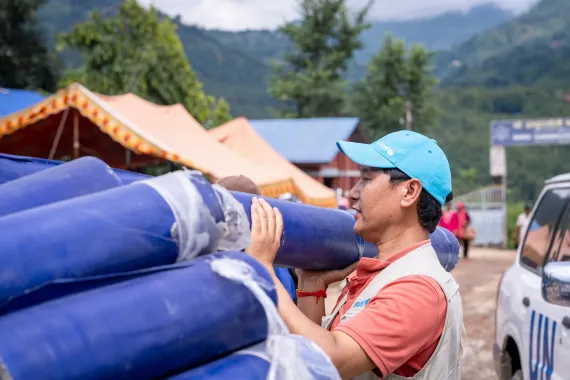
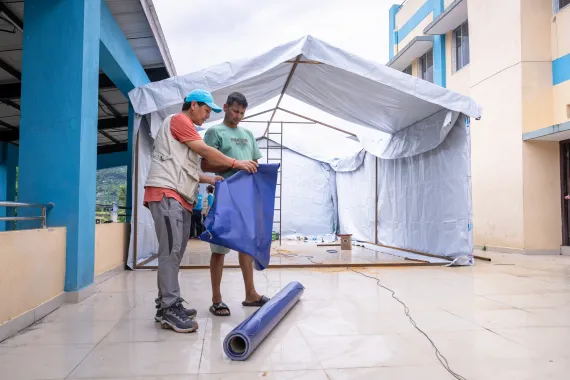
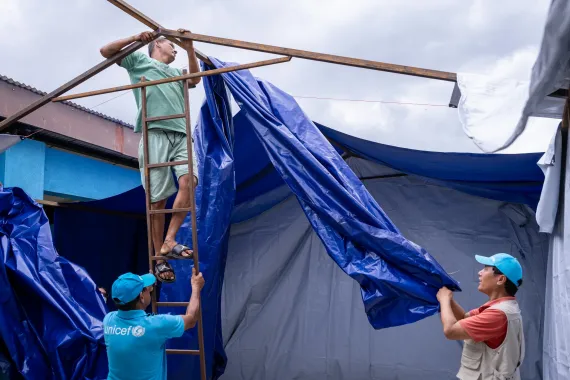

In this uncertainty, UNICEF, together with partners and local authorities, has been establishing child-friendly spaces where children can play, learn, express themselves and receive support.
The spaces are simple, but carefully considered. UNICEF staff and partners help prepare the area, organize materials and create a setting where children can feel safe and seen. Recreation kits bring in games, toys and activities that encourage children to move, create and play together. Trained facilitators guide the sessions, watching for signs of distress and helping children manage fear, confusion or sadness through age-appropriate activities.

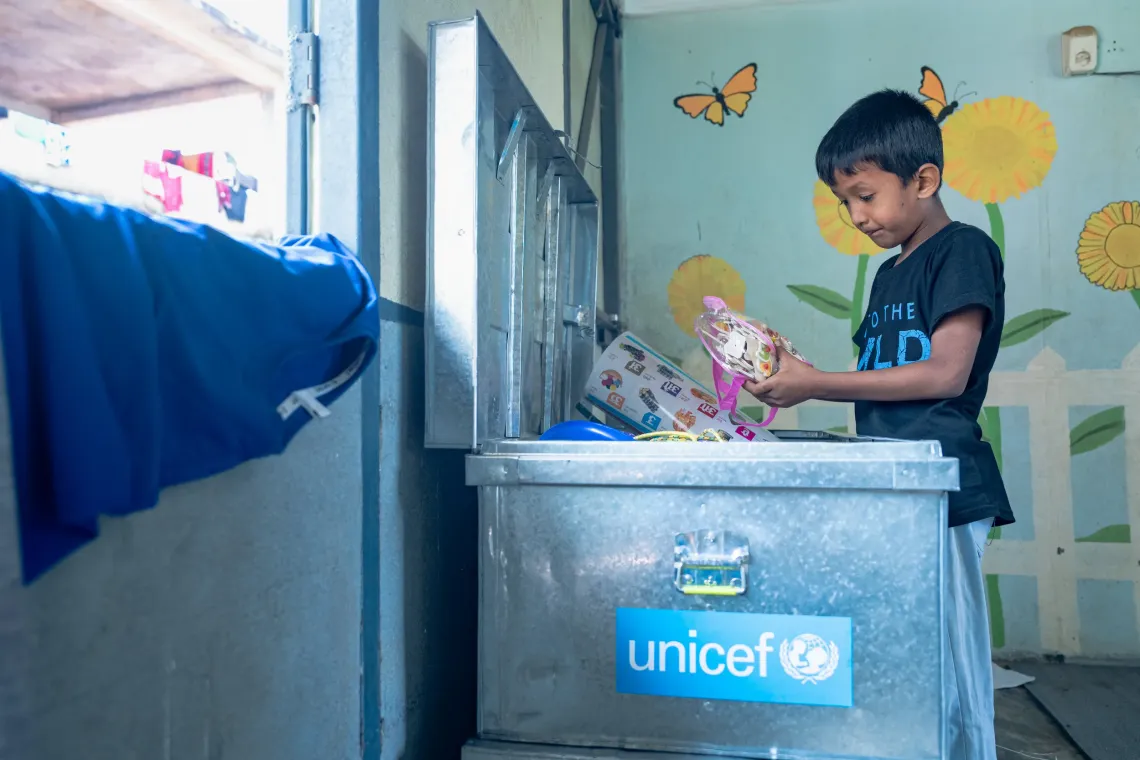

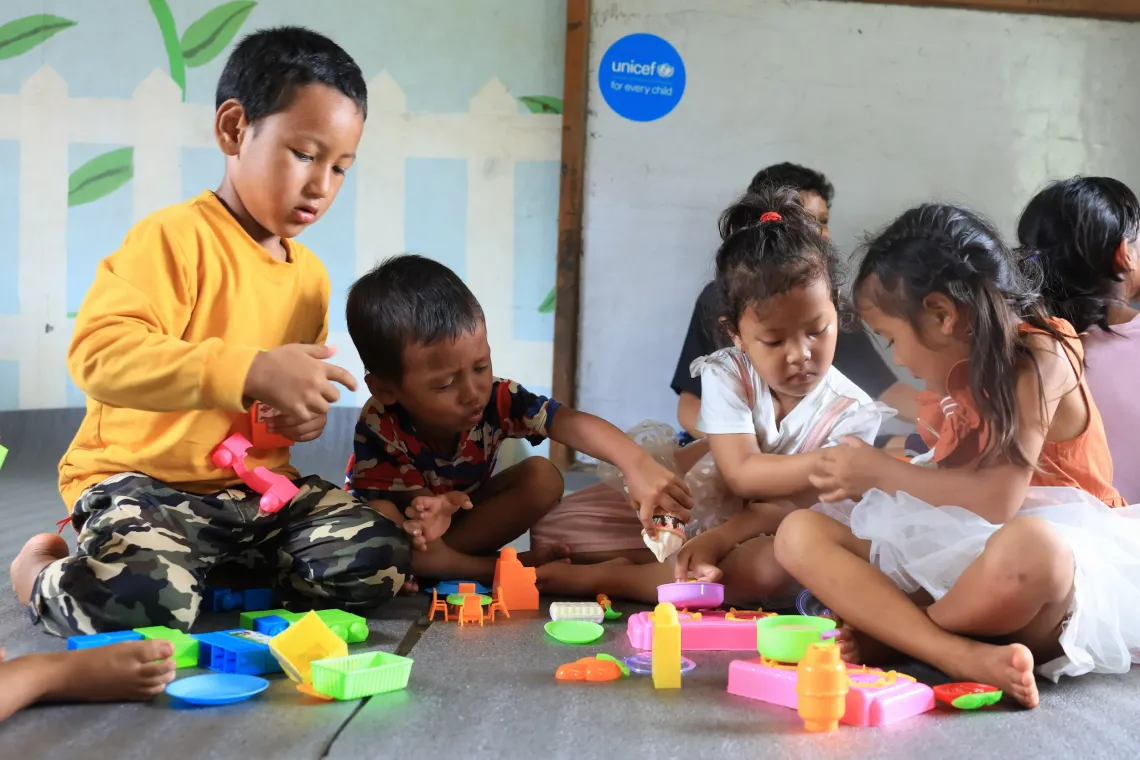


Swostima looks around her and smiles.
“I like it here,” she says. “I can play with my friends.”
Her words are small, but they carry the quiet relief of being able to be a child again, even for a few hours. In emergencies, play is not separate from recovery. It helps children reconnect with routine, build confidence, express difficult feelings and feel less alone. For caregivers, knowing that children are in a safe place with trained adults also offers a brief moment to breathe, seek information or attend to urgent needs.
UNICEF’s wider response is continuing across water, sanitation and hygiene, child protection, health, nutrition and education. But inside the child-friendly space, the response can be seen in the smallest gestures: a child choosing a sticker, a facilitator sitting nearby, a group of girls laughing together.
For Swostima, it is simply a place where she wants to stay a little longer. And after the disruption of disaster, that sense of safety, play and belonging is one of the first steps toward healing.