A safety net before disaster strikes
How multi-hazard risk transfer mechanism is helping families in Nepalgunj recover from disaster and prepare for the future
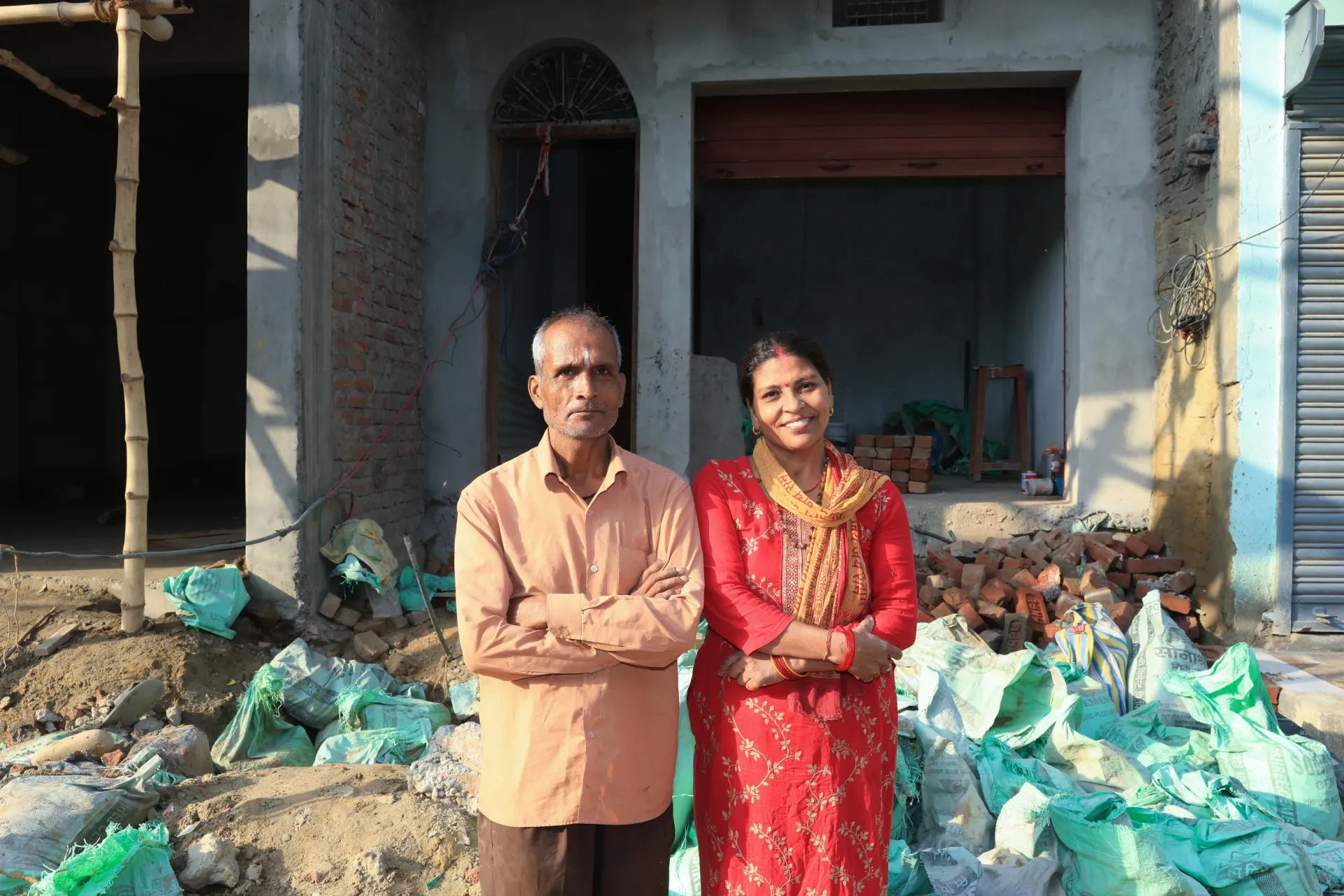
Banke, Nepal: “Disasters cannot be predicted. They can happen at any time,” says Lila, recalling the moment her family’s home was badly damaged.
For years, Lila lived with her husband, Uttam, and their two sons in their ancestral house made of mud and brick in a densely populated area of Nepalgunj Sub-Metropolitan City. Over time, heavy annual rainfall began to leave its mark: cracks appeared, the roof leaked, and the family kept making small repairs to keep the house livable. But last year, after heavy rainfall, the damage became severe.
“The ground floor was flooded with water, while cracks appeared on the walls of the second floor,” recalls Lila.
“We would find bits of mud from the cracked walls on the floor, not knowing when the roof might collapse. It became unsafe to live in the house.”
The family was frightened and uncertain about what to do next. Then Lila’s eldest son reminded her that they had enrolled in household insurance before the disaster struck.
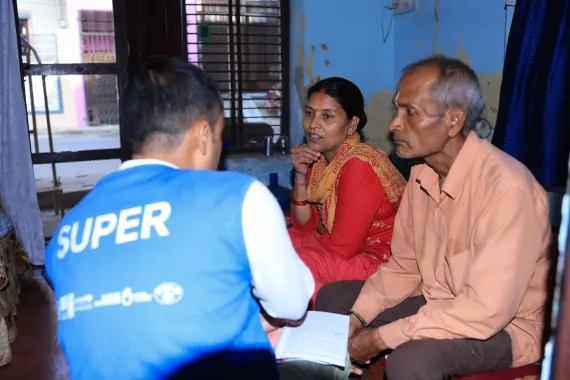
The multi-hazard risk transfer mechanism through household insurance scheme programme is part of the Strengthening Urban Preparedness, Earthquake Preparedness and Response (SUPER) project, consortium of UNDP, UNICEF, UN Women and Handicap International, with support from the European Union. In Nepalgunj, the project partnered with the Nepalgunj Sub-Metropolitan City and Rastriya Beema Company Limited to roll out one of the country’s first Multi-Hazard risk transfer through Household insurance Scheme.
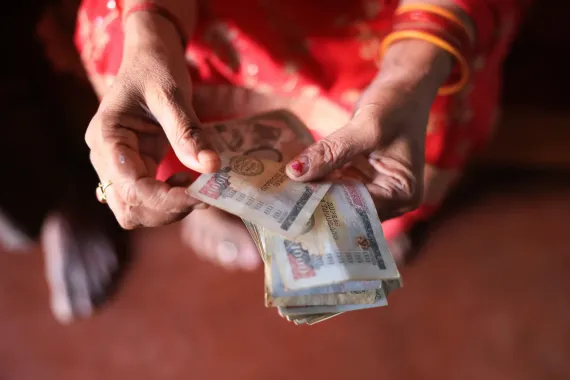
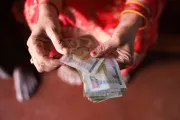
After the damage assessment and submission of the necessary documents, Lila’s family was able to get the compensation from insurance.
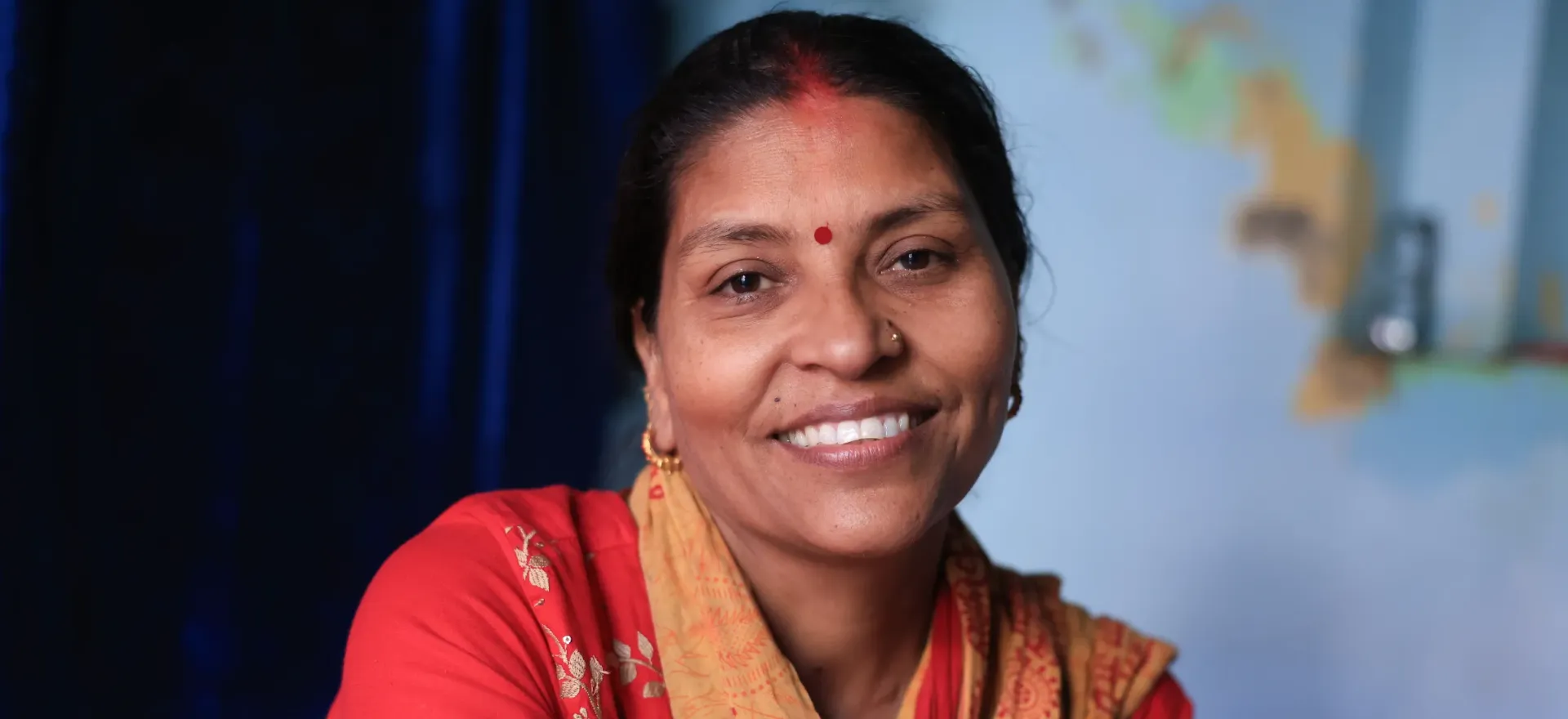
UNICEF Nepal/2026/LPNgakhusi
“Nowadays, when people hesitate to even give five rupees, this is a huge support for us.” - Lila
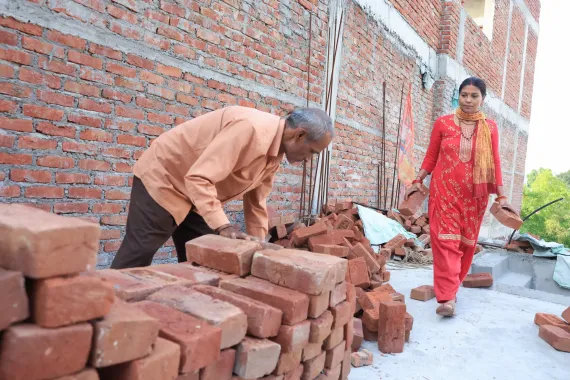
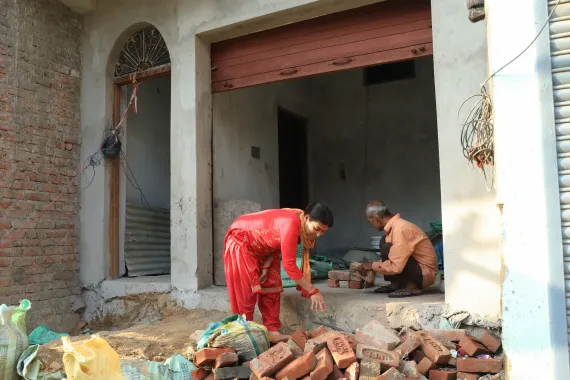
The compensation is now helping the family rebuild their house from scratch. Having experienced both the shock of sudden disaster and the relief of timely support, Lila now strongly encourages her relatives and neighbours to enrol in the insurance scheme.
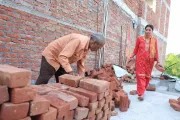
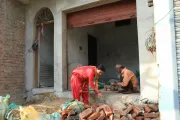
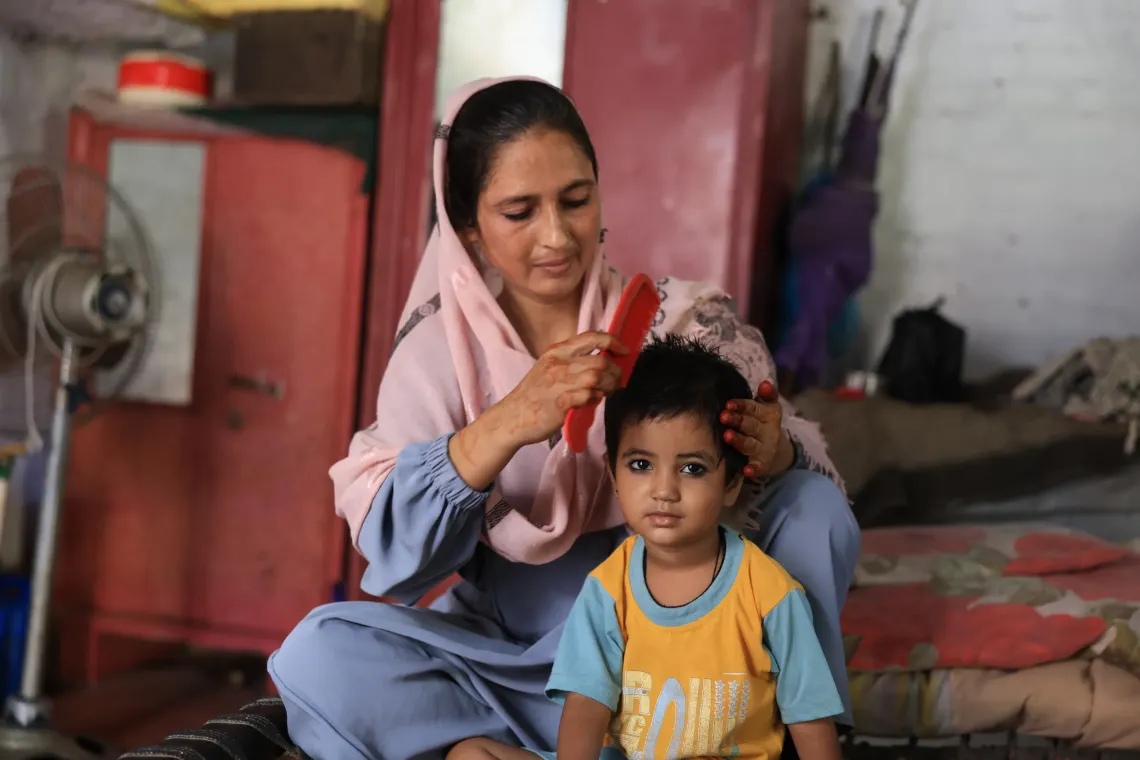
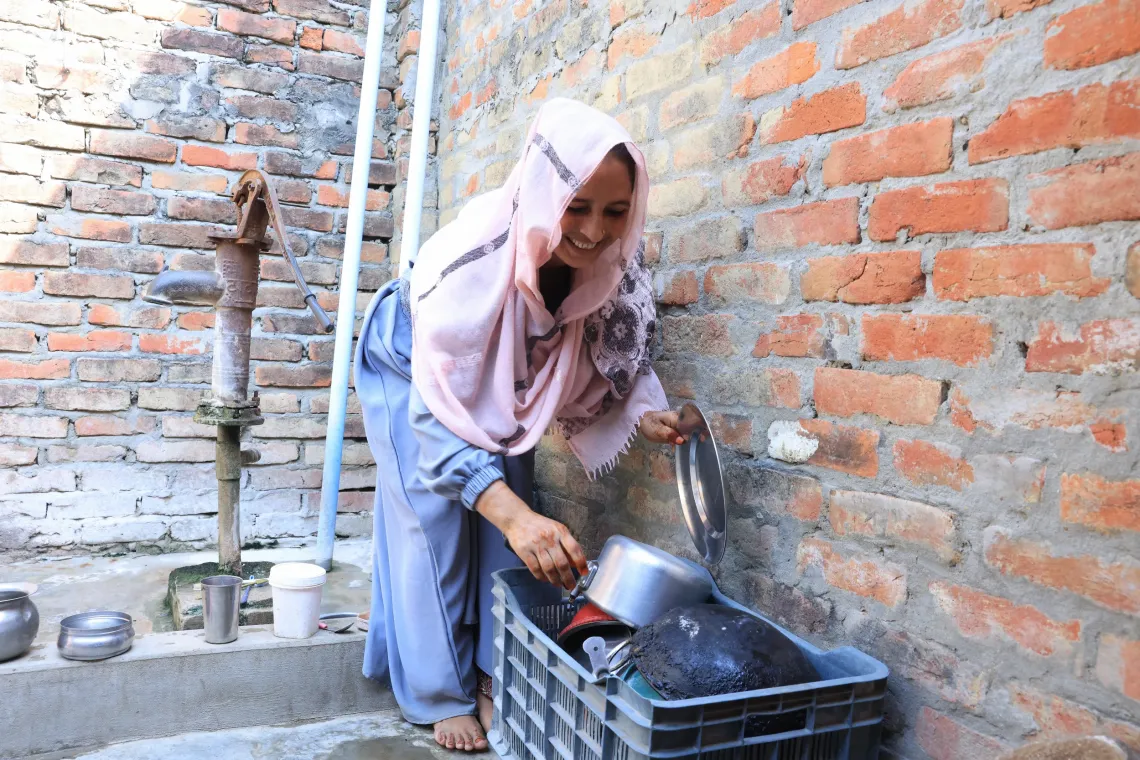
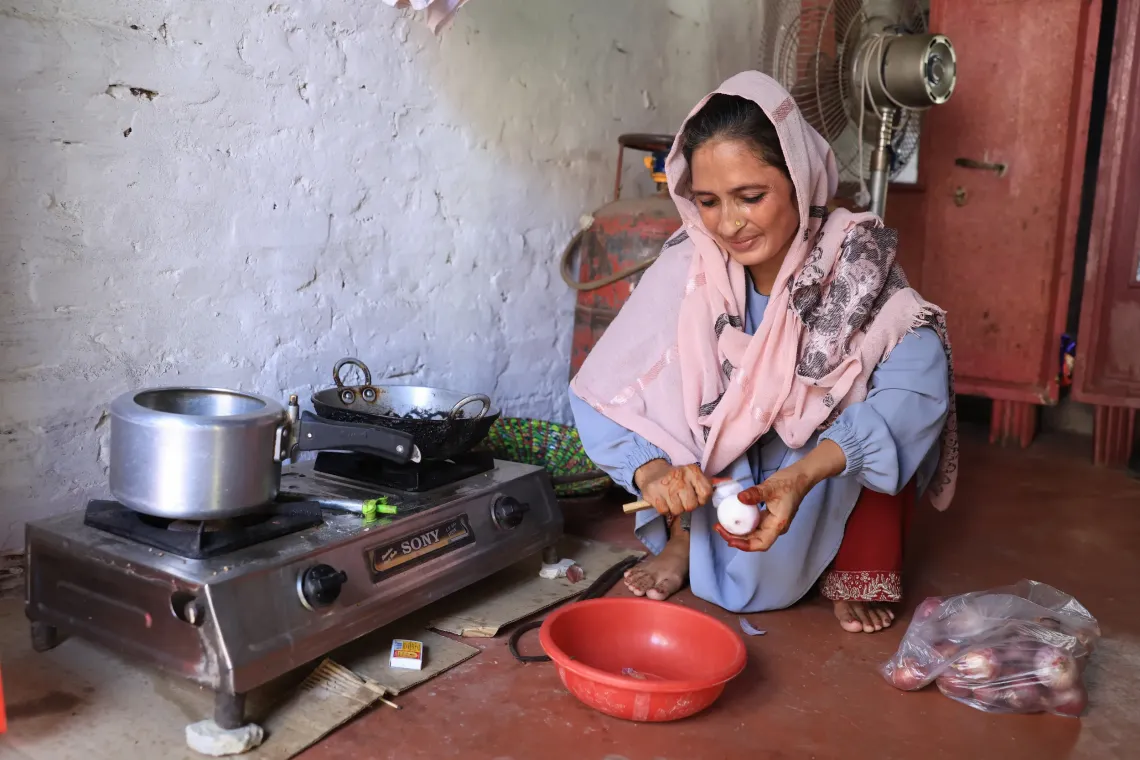
Just a few meters away, in a narrow alley of the same community, lives Sabina Maniyar with her two daughters and three-year-old granddaughter. Her home, built through years of hard work and sacrifice, is her family’s most valuable asset.
As a household dependent on daily wages, Sabina often worried that if disaster struck, her family could lose everything.
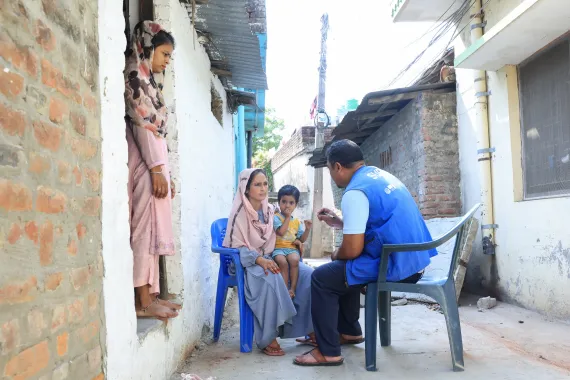
When she heard about the multi-hazard risk transfer through household insurance scheme programme from a community volunteer, she was keen to enroll.
But the insurance premium was difficult for her to afford.
To support vulnerable families like hers, the ward helped cover the insurance premium and assisted with the enrolment process. For Sabina, that brought a huge sense of security.
“This house is everything I have. If something were to happen, at least my daughter will have some support from this insurance scheme,” shares Sabina, holding her granddaughter in her arms. “We are very thankful.”



These concerns shared by Lila and Sabina reflect the wider risks facing families in dense urban settlements.
In times of crisis, narrow lanes and old, closely built houses can make it even more difficult for emergency assistance to reach communities on time.
“As a historical and densely populated area with old houses, the risk of disasters in Nepalgunj Sub-metropolitan City is very high from fire outbreaks to electrical short circuits, earthquakes and heavy rainfall, the area is always at risk,” shares Mayor Prashant Bista.
“Through this insurance scheme, we want to ensure that no family is forced to be left on the streets after a disaster.”
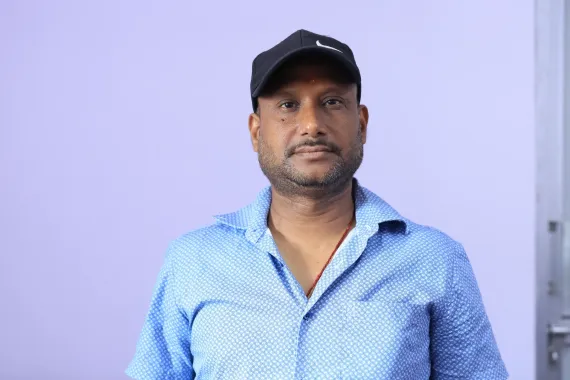
The programme primarily targets vulnerable households and families facing financial hardship. In some cases, like that of Sabina’s, local wards also help cover the insurance premium to encourage participation and make protection more accessible.
“With this small amount, we can protect families tomorrow. This is also an encouragement for them to continue,” explains Samir Pratap Singh, Ward Chairperson and SUPER Project Coordinator.
Community members have responded positively to the initiative, shares Dipendra Shrestha, Disaster Risk Reduction Officer at Nepalgunj Sub-Metropolitan City. “If every household is covered by insurance scheme, the financial impact of disasters can be greatly reduced.”
For communities and local governments, insurance schemes are becoming an important safety net for the future. And for the insurance company, it is also about helping families recover with dignity.
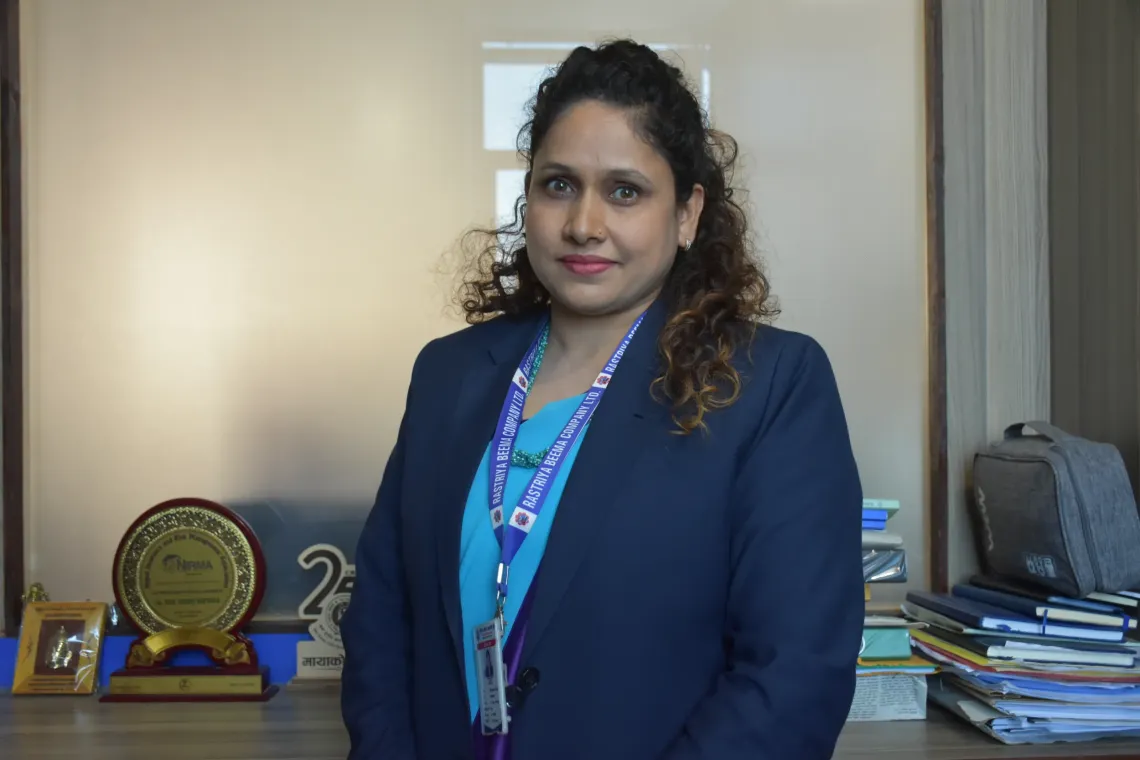
“Insurance is connected with the sentiments of people. It’s about solidarity, compensating their losses and helping families recover after disasters,” shares Hira Kumari Bartaula, Manager at Rastriya Beema Company Limited.
In a country like Nepal, where climate-related hazards are becoming more frequent and destructive, Hira emphasizes the importance of transferring risk from individuals to a broader support system. She also advocates for insurance-sensitive policies that can help reach more families and protect homes from the unpredictable nature of disasters.
“Only the person who has suffered from disaster knows what they have gone through. For them, a part of their life is lost,” says Hira. “Through insurance scheme, we support their recovery and help them find the strength to rebuild their life.”
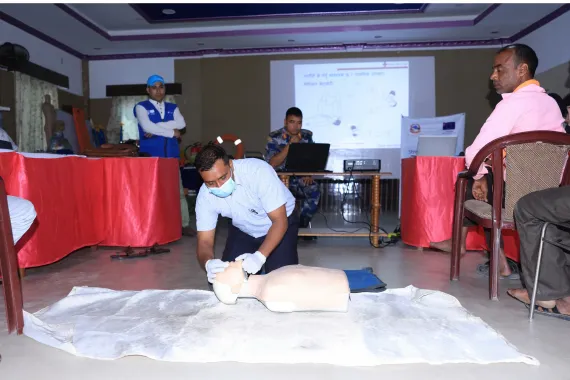
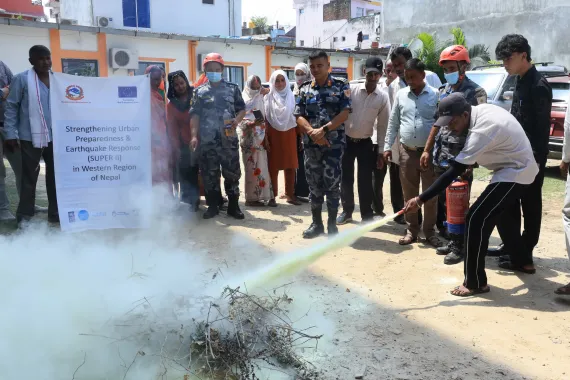
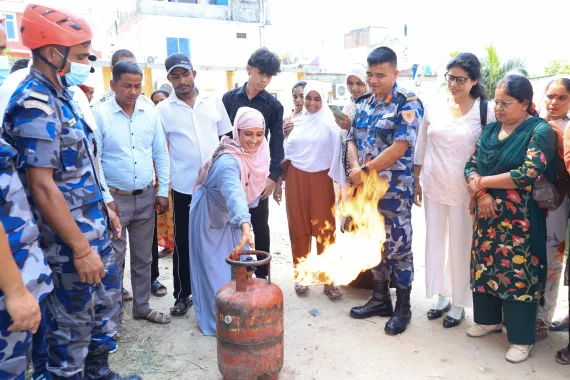
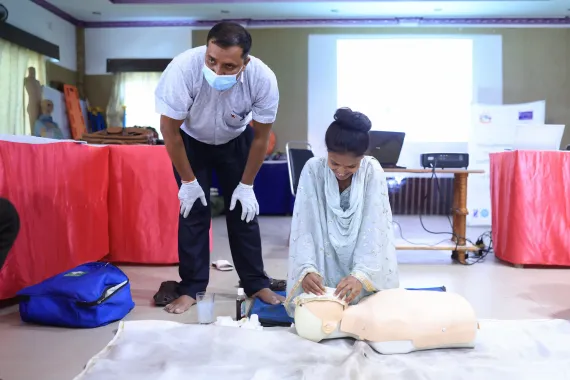
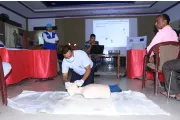
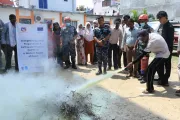
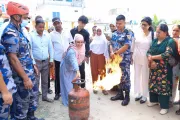
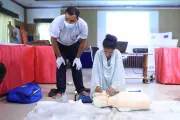
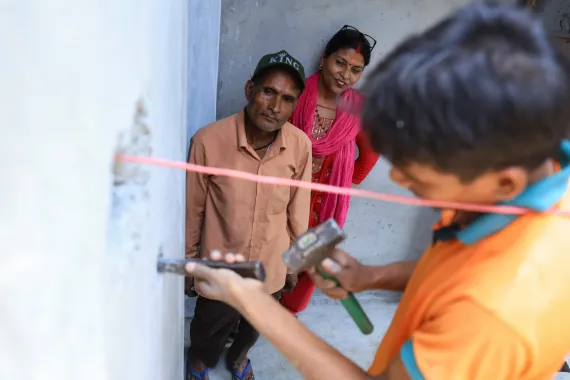
Beyond house insurance, the SUPER project is also strengthening community preparedness through disaster preparedness and response training. Conducted in collaboration with the Armed Police Force, training equips community members with skills to respond during emergencies, including fire, rescue operations and basic disaster response measures.