Dipak takes the lead
How comprehensive School Safety Minimum Package (CSSMP) creates a Safe learning Environment for students in disaster prone communities in Nepal.
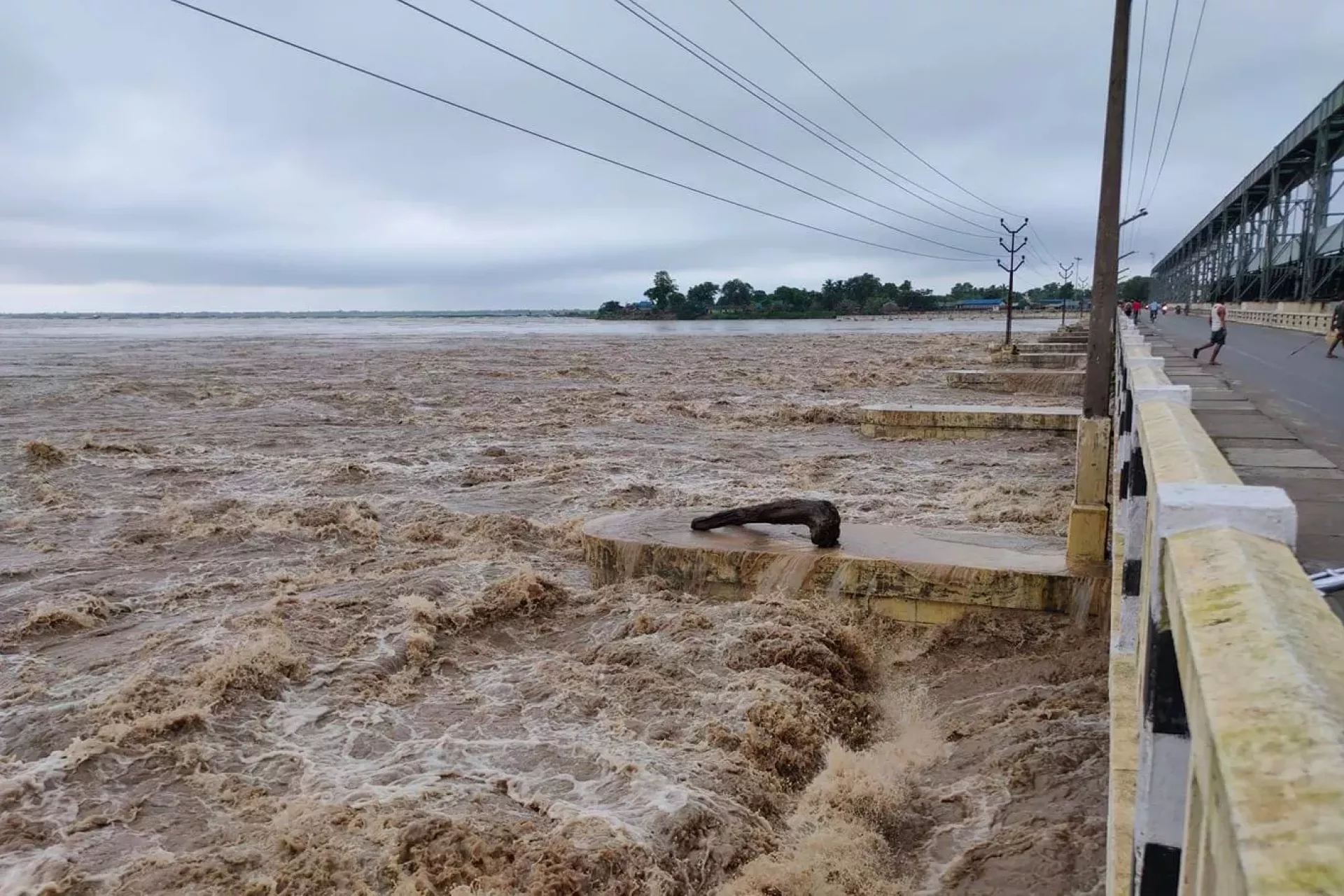
Shree Koshi Basic School, located in the flood-prone region of Madhesh Province in southeastern Nepal, had long faced severe challenges during the monsoon season. The relentless downpours cause rivers to overflow and trigger mudslides, putting homes, schools, critical infrastructure, and even lives at risk.
Floods frequently forced schools to close temporarily, leading to significant loss of learning days and jeopardizing the safety of students and staff. Students, teachers, parents, and caregivers often remained unprepared for these seasonal emergencies.
Without the proper infrastructure, correct knowledge, or designated safe zones, the floods became life-threatening to the community and severely disrupted schools, ensuing panic and fear.
The lack of a formal disaster management plan played a major role in the uncertainty that followed these emergencies – staff and students simply did not know what to do or how to protect themselves when disaster struck.
The Comprehensive School Safety Minimum Package (CSSMP) changed that.
Implemented by Aasaman Nepal in partnership with UNICEF, CSSMP marked a turning point for Shree Koshi Basic School and its community in how it prepares for and responds to floods. Based on the global Comprehensive School Safety guidelines, the CSSMP is a strategic framework created in Nepal to safeguard students, teachers, and education facilities from disasters.
As the monsoon season began this year, the teachers, students and their parents and caregivers were better prepared and more confident in their ability to handle emergencies.
This was due to comprehensive training, regular drills, and visible safety measures put in place, as per the CSSMP.

Now, students know how to respond during emergencies, making them much safer at school.
The active involvement of parents and community members also contributed to building a resilient support system at school. This collaborative effort both strengthened school safety measures and cultivated a sense of unity and cooperation.
As a result, the community feels more connected and committed to safeguarding the well-being of students and school facilities.
Shree Koshi Basic School even took extra measures to enhance their preparedness by establishing student-led Safety Clubs.
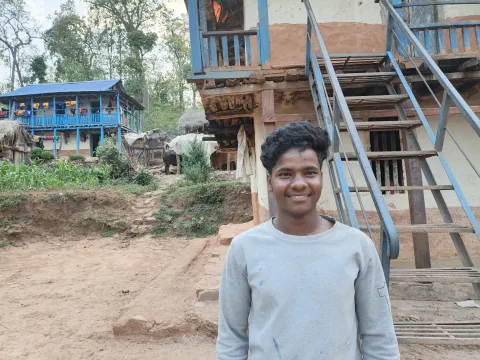
This is how Dipak, a Grade 6 student, became a community leader in disaster risk reduction (DRR).
Through the Safety Club, Dipak was responsible for organizing drills and educating his peers and other members on DRR. The club, playing an active role in raising DRR awareness among students, has also helped foster a culture of safety. Participation in these activities has instilled a sense of pride in students’ roles and responsibilities as they contribute to the safety of their classmates and community.
For Dipak, the Safety Club has allowed him to grow as a young leader.
During the 2024 monsoon season, he helped younger students understand how to respond in an emergency and how to stay calm. This year, the evacuation was smooth and efficient, with everyone following the protocols they had practiced. With the school's improved infrastructure, including the elevated classrooms and efficient drainage systems, the buildings also remained safe and dry.
The combined efforts of the entire school community, along with the active participation of the safety clubs, have created a safer, more secure learning environment for students.
This year as the monsoon rains began, the community was more alert and better prepared.
Early warning signs of rising water levels in the nearby river prompted the school to activate its flood preparedness plan. The school’s DRR focal points and Safety Club leaders quickly organized an evacuation drill, guiding students to the designated safe zones on higher ground.
Now, Shree Koshi Basic School stands as a model of resilience and preparedness.
The combined efforts of the entire school community, along with the active participation of the safety and child clubs, have created a safer, more secure learning environment.

The CSSMP program has transformed the school’s approach to disaster preparedness and has fostered a lasting culture of safety and resilience among the students and their broader community.
As a result, students now attend school with a greater sense of security, knowing that they are well-prepared to face any emergencies that may arise. Now, help from CSSMP, the entire community, united in their commitment to safety, works together to protect the students and their school.