A school’s shift to solar energy: Is it worth it?
The investment case for solar energy, from a community school’s perspective
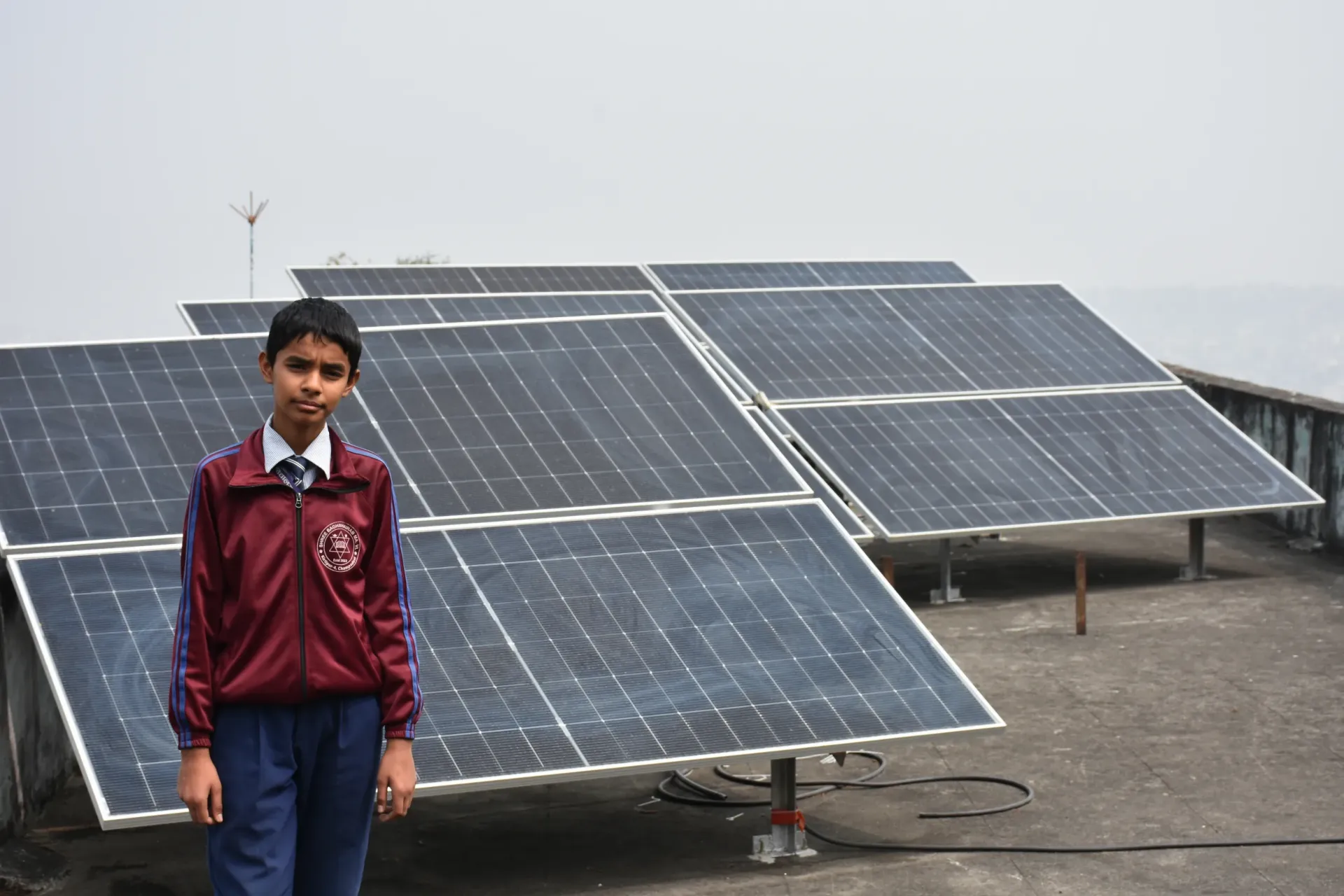
Kathmandu, Nepal: At Shree Baghbhairab Secondary School in Kirtipur Municipality, Kathmandu, Grade 8 students Biraj and Sita no longer worry about what might happen when the power goes out.
While access to electricity in Nepal has improved significantly over the past decade, power interruptions still occur. For schools that depend on electricity for teaching, administration and essential services, even short disruptions can affect learning.
But at Baghbhairab, thanks to solar panels installed on the school's rooftop with UNICEF's support, students and staff now have a reliable source of electricity that helps keep learning on track. Already, the benefits are clear — not only in powering essential equipment and reducing the school's reliance on gas, but also in lowering energy costs.
Head teacher Min Bahadur Singh estimates that the school will save approximately NPR 23,000 annually through reduced energy expenses. While the amount may seem modest, the savings can make a meaningful difference for students.
"We plan to use the money we save on gas and electricity to purchase educational materials, especially for students from disadvantaged backgrounds," says Min Bahadur.
Reliable electricity has become increasingly important as climate change brings more frequent and intense heatwaves across Nepal. Access to lighting, fans and other essential equipment helps create a more comfortable learning environment throughout the year.
"I am excited to have working fans during the summer and light in the classroom during winter, when it gets dark early," says Sita, who is also the president of the school's Eco Club.

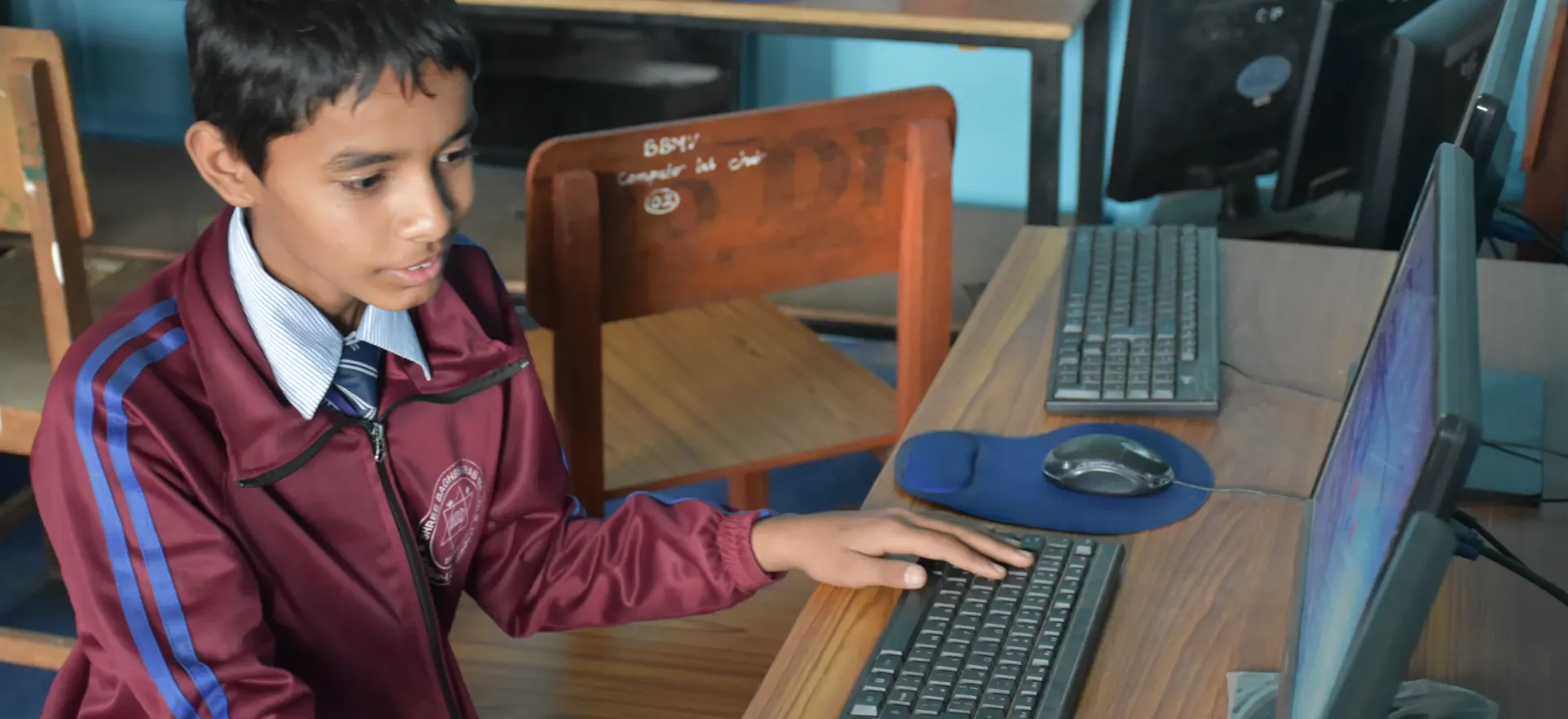
Computer and science laboratories are among the facilities most affected when electricity fails. Power interruptions can abruptly halt lessons and limit opportunities for students to build digital skills. However, with solar power supporting the school's energy needs, teachers and students can continue using technology with greater confidence.
UNICEF Nepal/2026/CFauntleroy
"Having solar panels means we can always use the computer and science labs," says Biraj. "These are 625-watt solar panels, so they are very strong."
As a member of the Eco Club, Biraj is enthusiastic not only about the environmental benefits of renewable energy, but also about the science and technology behind the system itself.
The impact of solar energy extends beyond the classroom.
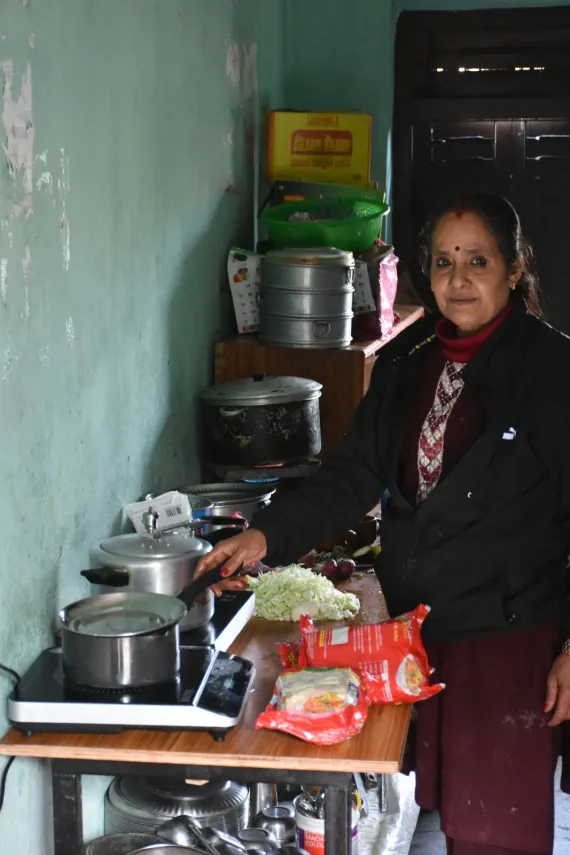
One of the people who has experienced the greatest change is Shanti, the school's cook. Every day, she prepares meals for students, teachers and staff. Before the solar panels were installed, she relied primarily on firewood and kerosene for cooking.
Working in a small kitchen with limited ventilation, she was exposed to smoke every day. The smoke created health risks, increased fire hazards and made cooking uncomfortable.
Today, two electric stoves powered by the school's solar system have transformed her working environment, with a small gas burner used only when needed.
"I am no longer coughing from the smoke," she said with relief.
The shift to cleaner cooking is particularly significant in Kathmandu Valley, where air pollution remains a major public health concern. By reducing the use of firewood and kerosene, the school is contributing to cleaner air while creating a safer workplace for staff.
Solar energy is also strengthening the school's ability to serve its community during emergencies.
Schools in Nepal frequently act as temporary shelters during disasters, including earthquakes and climate-related hazards. In these situations, reliable electricity becomes essential. Access to lighting, communication systems, device charging and other basic services can significantly improve a school's ability to support affected families.
By generating its own power, Shree Baghbhairab Secondary School is better prepared to continue operating and providing assistance when communities need it most.
Head teach Min Bahadur feels a sense of pride in the solar panels. The system supports learning, improves administrative operations, reduces costs and demonstrates the benefits of renewable energy in practice.
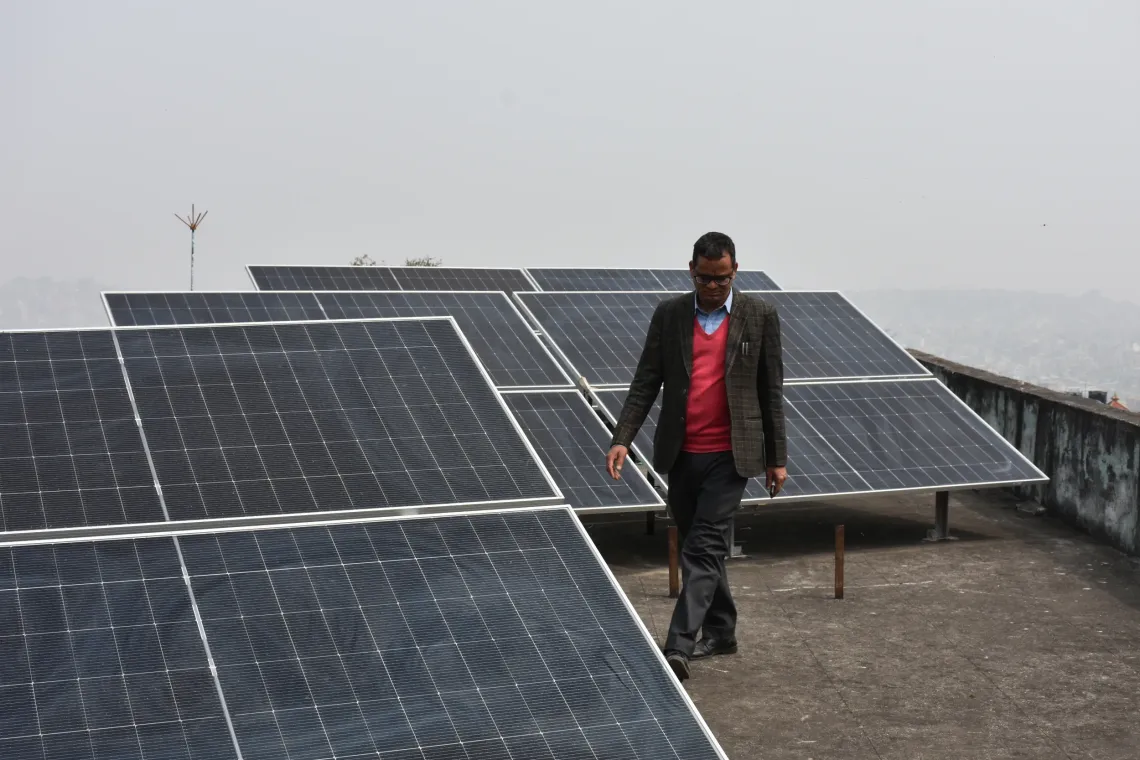
However, challenges remain. On days when air pollution is particularly heavy, solar energy production can be reduced. Although Kathmandu enjoys plenty of sunny days each year, winter smog can limit the amount of sunlight reaching the panels.
Recognizing the link between environmental health and renewable energy, the school is also working to reduce pollution through student-led action.
Members of the Eco Club learn about waste management and the harmful effects of open waste burning. When plastic and other waste materials are burned, they release toxic smoke and fine particles that pollute the air and threaten human health. Students are encouraged to share this knowledge with their families and communities, helping to spread awareness beyond the school grounds.
The case of Shree Baghbhairab Secondary School shows that solar energy is far more than a backup power source, it is an investment in educational quality, student well-being, and community resilience.
UNICEF Nepal is supporting the government to strengthen a sustainable, disaster-resilient education sector as part of the Comprehensive School Safety Programme interventions, in line with its Nationally Determined Contribution (NDC) 3.0 under the Paris agreement. By modeling green schools and installing solar panel systems and electric cooking stoves in six schools across three provinces, UNICEF and the government are modeling the concept of integrating renewable energy and green infrastructure into Nepal’s broader education system.
The long-term financial, environmental, and social benefits make solar energy a worthwhile investment, especially when schools are not bearing the costs alone. The model in Kathmandu suggests even greater potential in rural areas with lower pollution levels and less reliable electricity access, such as remote hilly regions.
As Nepal continues to strengthen its Comprehensive School Safety, integrating solar power into schools across the country could play a key role in creating more equitable and sustainable learning environments.
The question is no longer whether solar energy is worth it, but where and how quickly and widely it can be adopted to benefit future generations.