Finding a way through the fear
Through group counselling and individual care, UNICEF-supported teams are helping flood-affected children and families cope with distress and begin to recover
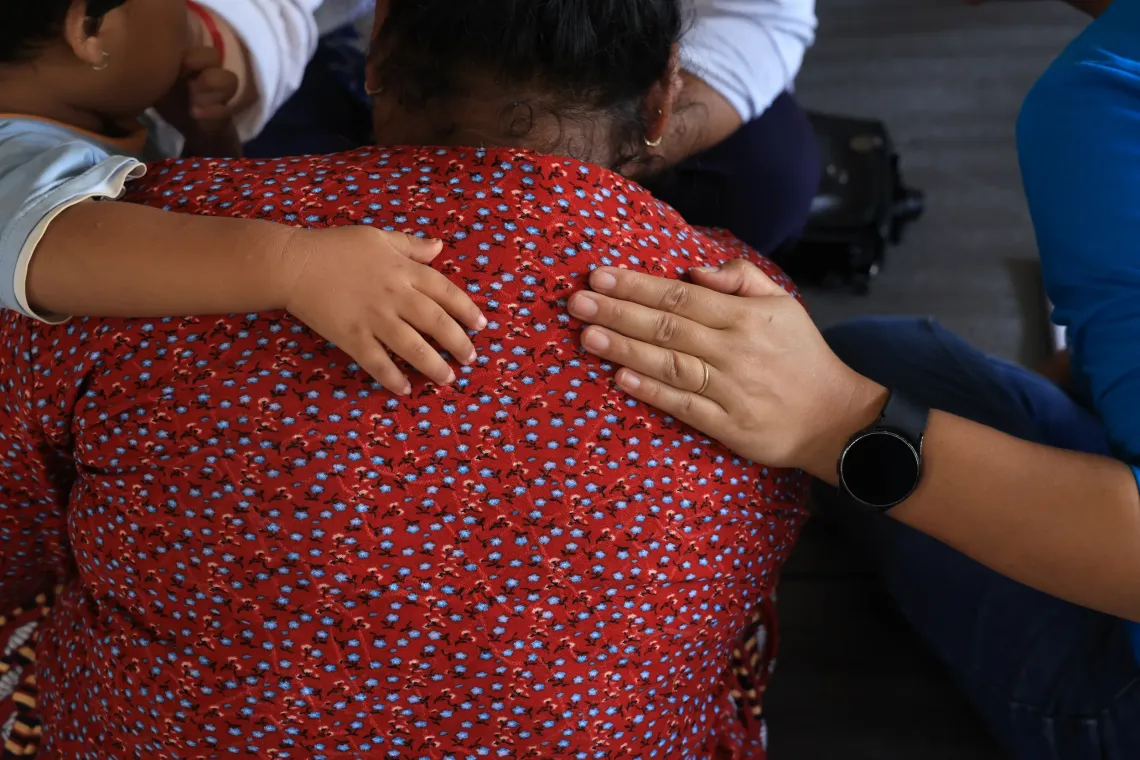
NUWAKOT, Nepal – At a school in Nuwakot District where she is sheltering with her daughter and son, one mother lives with the fear that the floods could return.
Rumours of another flood are rife. Whenever someone says that more water may be coming, she becomes so frightened that she starts to run. As she explains this, she starts to cry. Seeing her mother in distress, her four-year-old daughter starts crying too.
Sushila Paneru, a psychosocial counsellor with Bidur Municipality – the local government – sat with the mother and listened as she spoke about her fear. Sushila knows how suddenly that fear can take hold: she herself was in the municipality office near the river when the flood struck, sending rocks tumbling and shaking the building. “We thought, oh no, it’s an earthquake and a flood together,” she recalls. “We grabbed our things and rushed out.”
In communities along the Trishuli River corridor, communities are trying to make sense of what happened on 26 August, when flash floods swept through Rasuwa, Nuwakot, Dhading and other downstream districts.
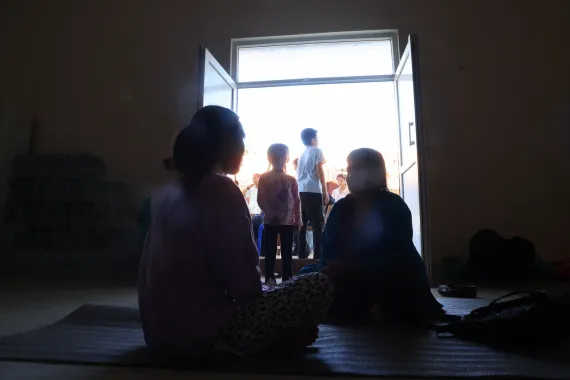
For families who survived, the emergency did not end when the water receded. Many are now living in temporary community spaces, coping with grief, uncertainty and persistent fears of another flood.
Sushila has met adults and children struggling to sleep or eat, unable to make eye contact or express what they are feeling. Some are mourning relatives who remain missing.
“The mental state of both children and caregivers is very vulnerable at the moment,” she says. “They are under so much stress and pain.”
These can be understandable responses to an overwhelming event. Having a safe space to talk, play and reconnect with familiar routines can help families begin to recover.
UNICEF is working with government counsellors like Sushila, and deploying trained mental health and psychosocial support teams – comprising psychiatrists, clinical psychologists and psychosocial counsellors – to help children and families in flood-affected areas.
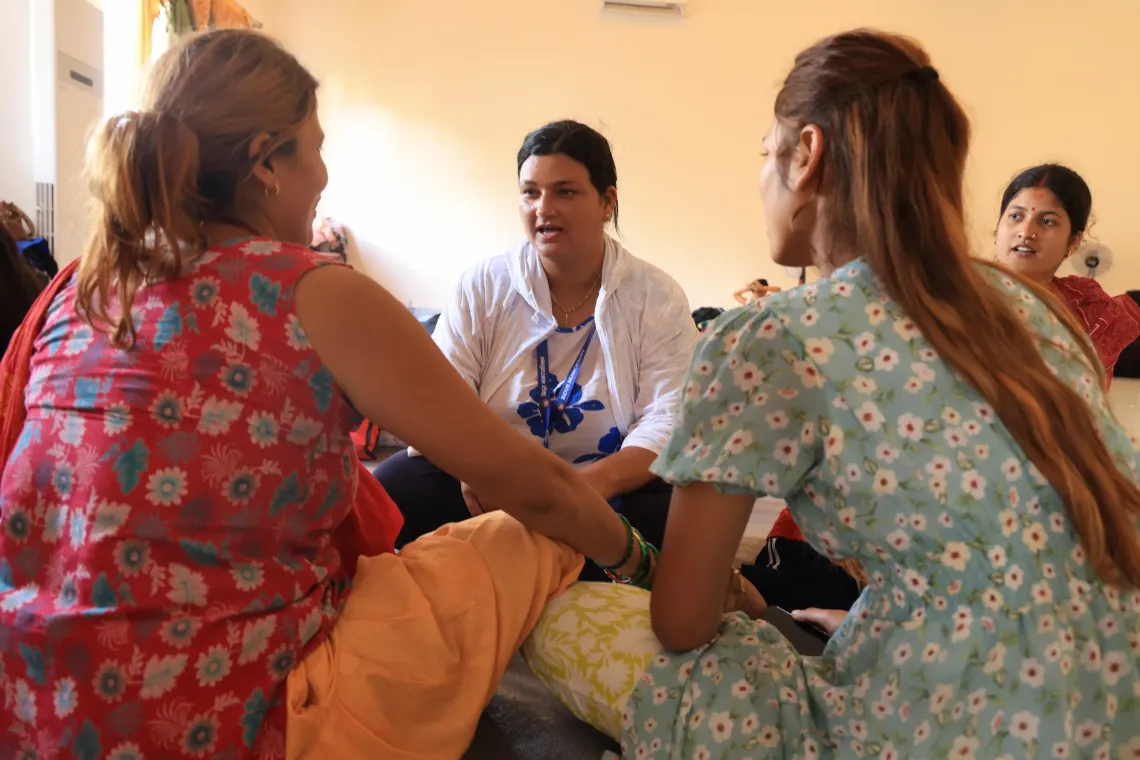
Through group sessions, children and caregivers can share their experiences without pressure, learn simple ways to manage stress, and understand that they are not alone. Individual counselling is also available for people who need more focused support.
For Sushila, the work begins with listening and helping survivors feel that someone is there for them. “It makes them feel, ‘Ah, someone is coming to ask about me, someone is here for me, asking what I need,’” she says.


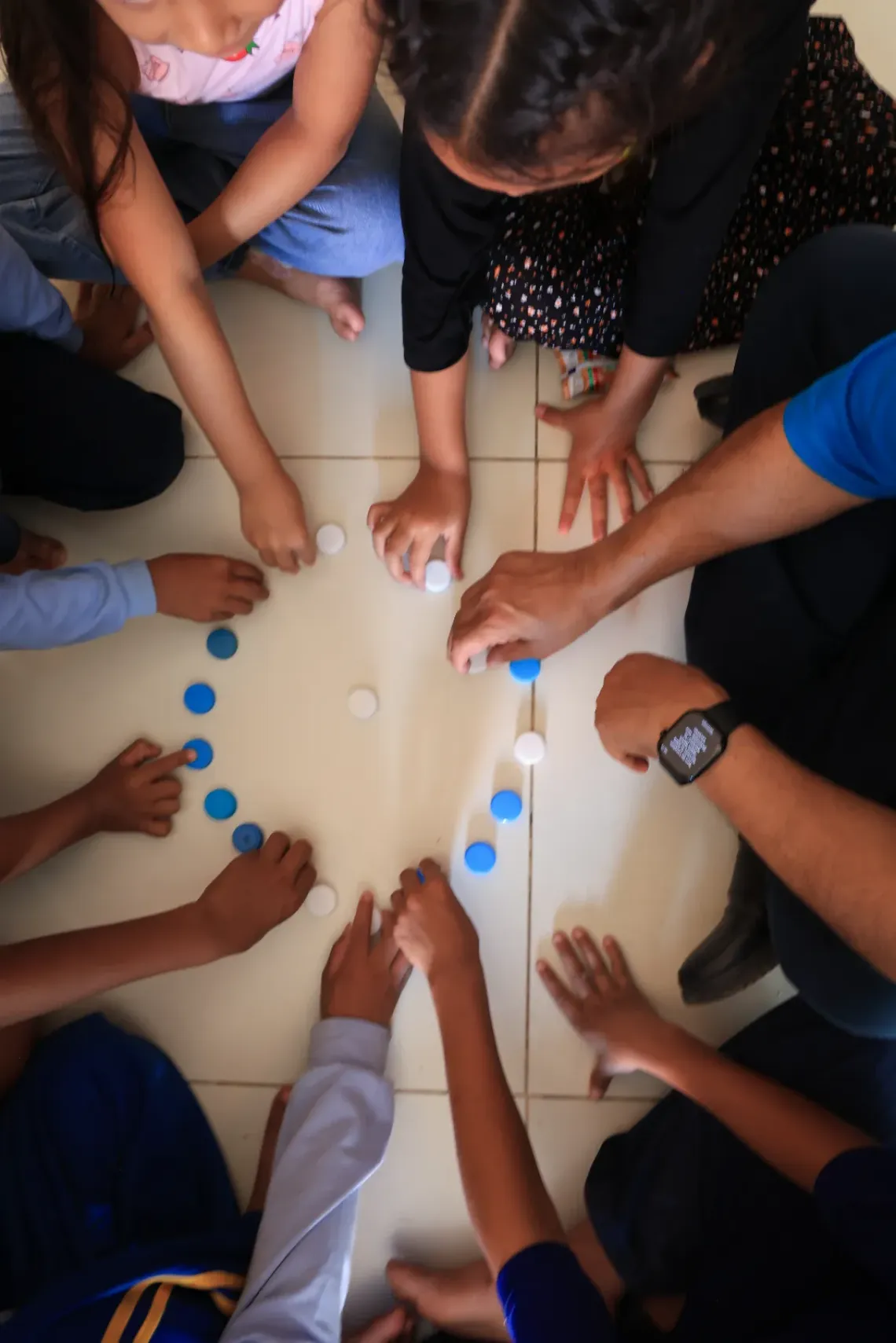

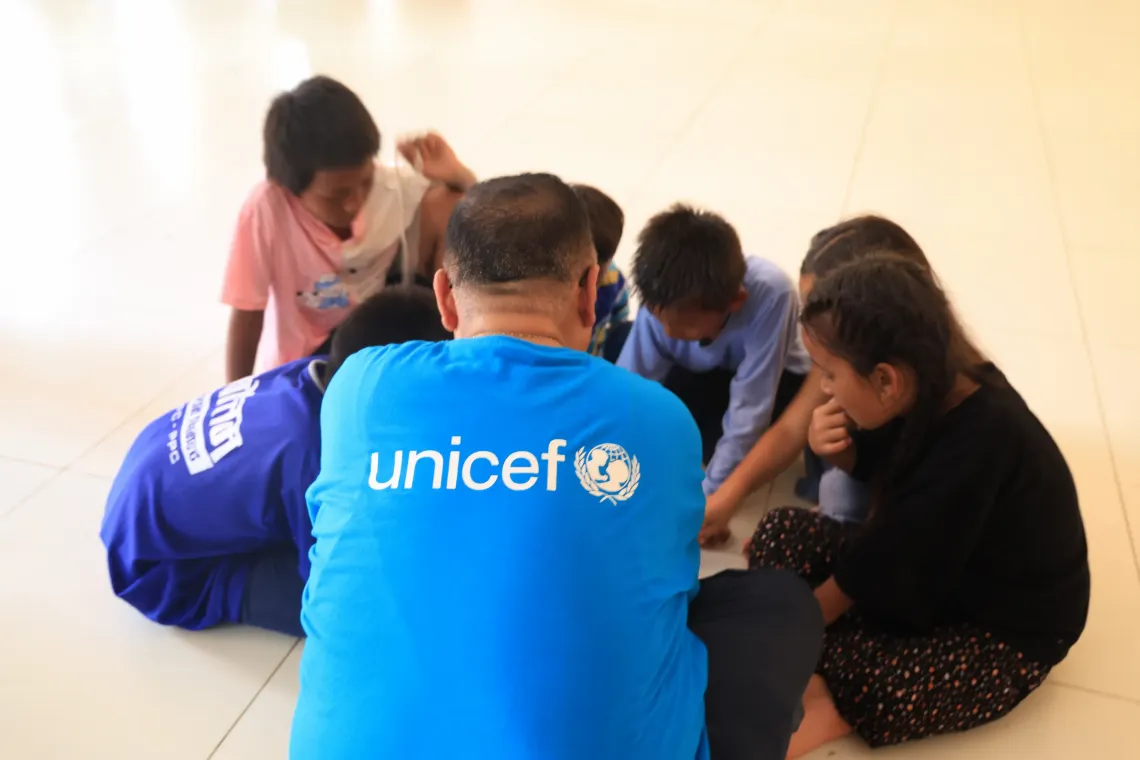
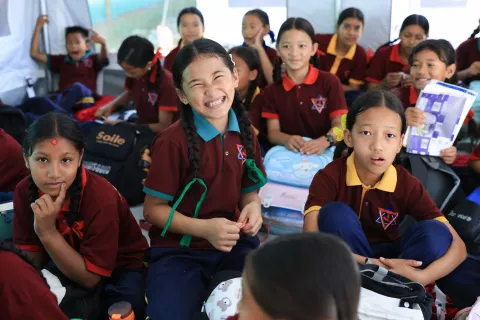
The floods have disrupted far more than homes. Roads, bridges, water systems, health facilities and telecommunications have been damaged, while schools have been destroyed or rendered unsafe. UNICEF estimates that at least 22,000 children have been affected. For them, restoring a sense of safety includes access to essential services, trusted adults and places where they can learn, play and recover.
Sushila is particularly concerned about children who narrowly survived the flood and may feel its effects more strongly in the long term. “Once this period ends and he goes home, I feel the trauma will really hit,” she says of one injured boy she met, pointing to the need for continued support beyond the immediate emergency.
Providing that sustained care can also be difficult for counsellors who are absorbing stories of loss while managing their own experience of the disaster. “Seeing their distress makes it really tough for us too,” Sushila says.
Even when the work is difficult, Sushila carries on.
“These psychosocial counselling sessions are intended to remind them that they are not alone, that they have support,” she says. “It helps build their morale, facilitates their recovery, and helps us identify what they need.”