Championing linguistic diversity
Reflections on how Nepal’s new mother-tongue based education standards are designed to ensure equitable education for all
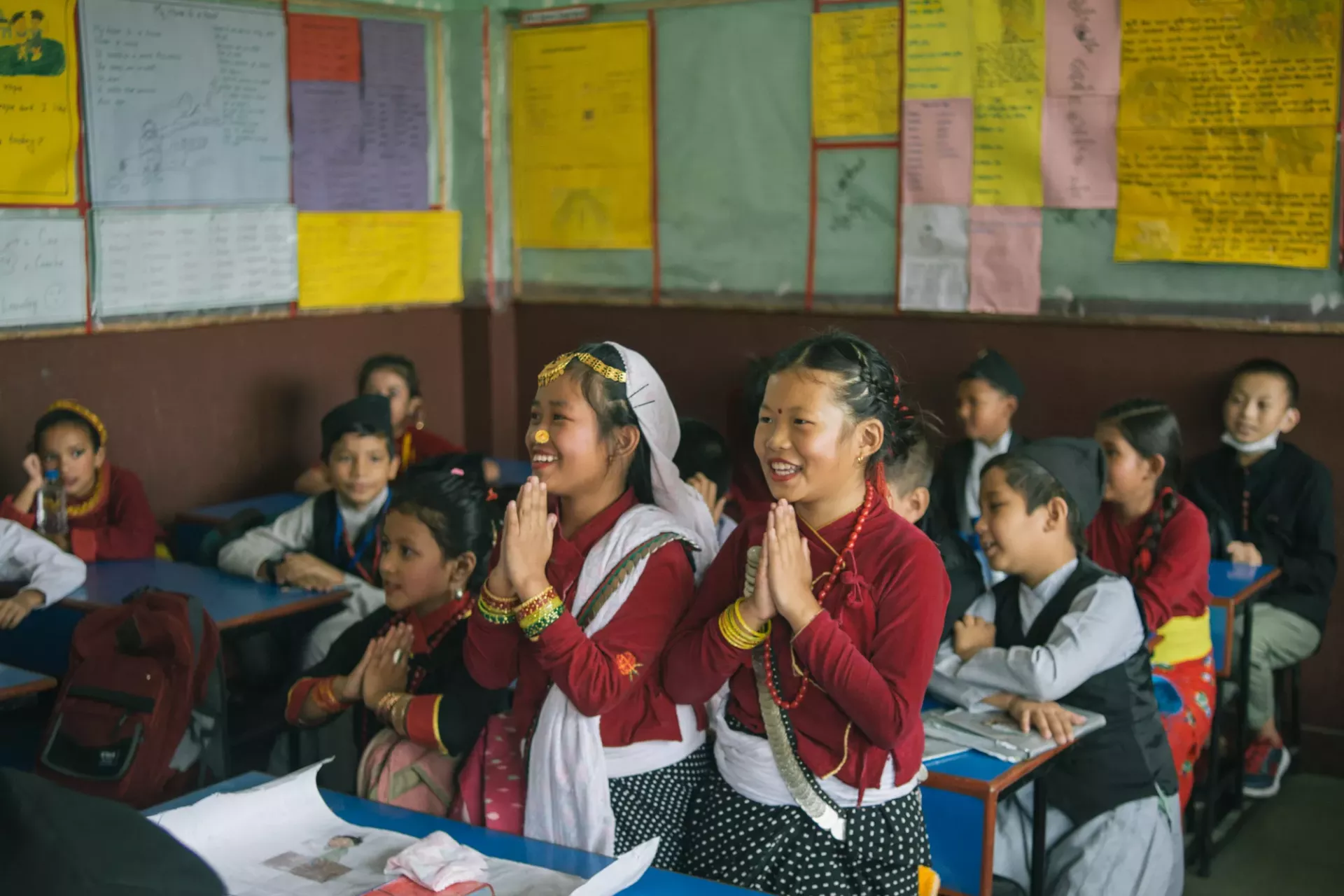
As the Director of Inclusive Education at the Center for Education and Human Resource Development (CEHRD), Sabita Dangal feels a deep sense of responsibility toward Nepal's diverse student population.
"Every child deserves a chance to reach their full learning potential," she says. "We need to ensure that all students receive equal educational opportunities, regardless of their linguistic background."
Joint research commissioned by UNICEF and conducted in collaboration with the Ministry of Education, Science and Technology (MoEST), CEHRD, the Language Commission, UNESCO and the British Council has highlighted the profound impact that language has on children's cognitive, social, and emotional development. The 2015 Constitution of Nepal guarantees the right to education in one's mother tongue up to the secondary level, preserves community rights to maintain languages and cultures, and prohibits educational discrimination based on ethnicity and language.
However, the research revealed a gap in clear guidelines and standards needed to effectively implement mother-tongue based multilingual education across the country.
In response, a coalition of partners developed the Mother-Tongue Based Multilingual Education (MTB-MLE) standards, along with related training materials and resources for teachers. This collaborative effort involved both national and international experts and included extensive consultations with various stakeholders, such as technical working group members and policymakers.The initiative also focused on building the capacity of local governments and policymakers to adopt these standards effectively.
The research on understanding the impact of language and language policies on children’s learning, the development of standards and resource materials was supported by the Embassy of Finland and Let Us Learn foundation.
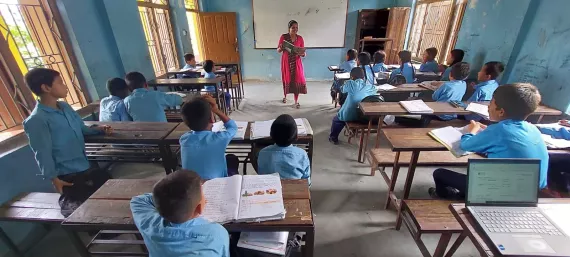
"The MTB-MLE standards are designed to support both provincial and local governments in implementing multilingual education in schools as envisioned by the constitution," Dangal explains.
"Continuous advocacy and capacity-building efforts are essential for successful implementation. These standards will guide local governments and schools in transitioning the medium of instruction, ensuring that teachers are well-trained, resources are available, and students get the exposure they need both at home and in their communities."
Dangal emphasizes that ongoing support and training for local governments are crucial for effectively utilizing the standards and training materials.
She adds, "There must be a strong focus on monitoring and evaluation to ensure that the implementation meets the educational needs of all students, fostering an inclusive and equitable learning environment in Nepal."
"MTB-MLE ensures every child has an equitable opportunity to enhance their learning while reinforcing constitutional pledges and strategic educational initiatives such as the SESP (2022-2031), NCF (2019), and the Consolidated Equity Strategy (2014)," says Dangal.