Beyond the earthquake
Psychosocial support under JRAP is helping children in earthquake-affected Nepal process trauma, regain confidence, and rebuild their emotional well-being

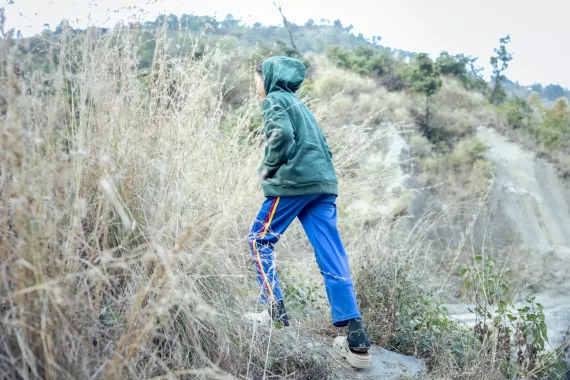
Jajarkot, Nepal: For months after the November 2023 earthquake that struck her home in western Nepal, Ritu (name changed) lived in fear.
“I was scared it would happen again in the night. I was too afraid to even go to the toilet,” she recalls.
For Ritu, who has a physical disability, the disaster not only shook her emotionally but also affected her mobility. "My legs used to feel stiff and unmovable,” she says.
Disasters like earthquakes can be traumatic for any child, but their impact is often more severe for those who are already vulnerable, including children with disabilities.
Recognizing this, the Joint Recovery Action Plan (JRAP) has been providing psychosocial support to affected communities, ensuring that children and adolescents receive the help they need to process their emotions and rebuild confidence. This includes individual counseling, group healing sessions in schools, and community sensitization efforts to promote resilience and recovery.
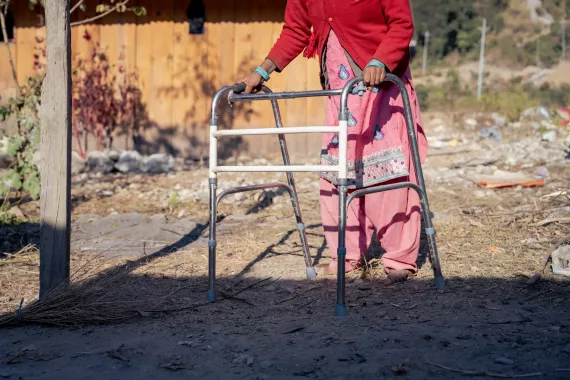
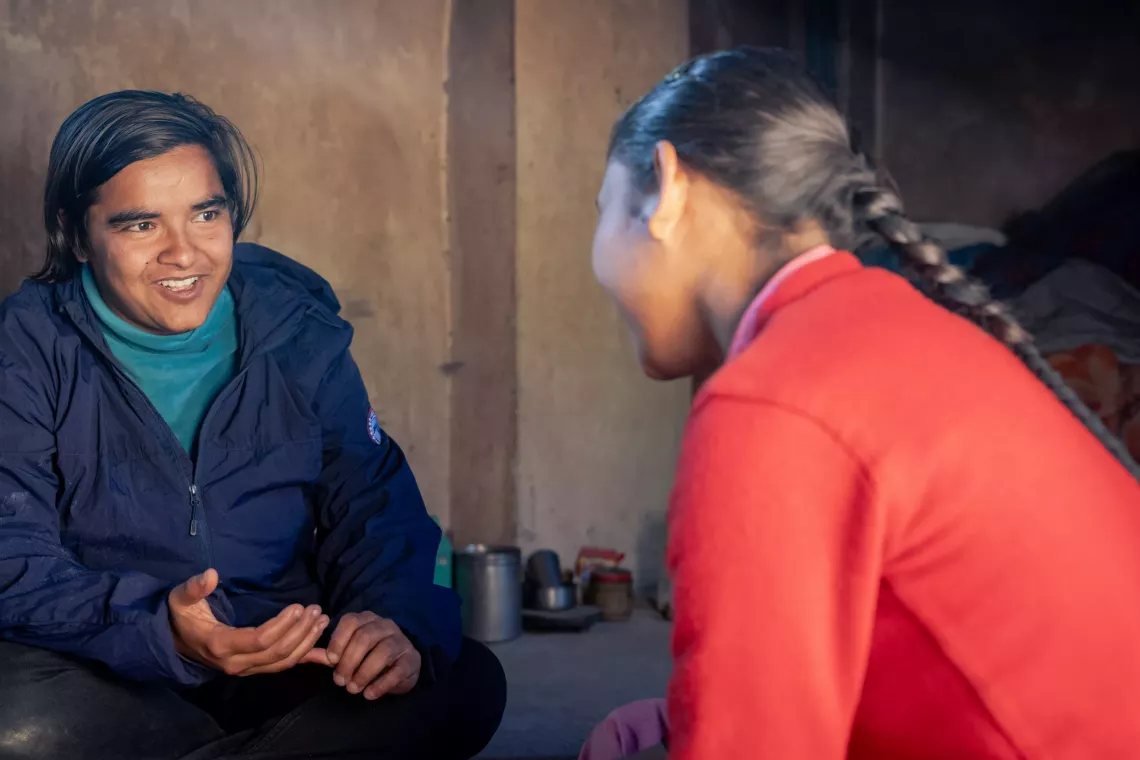
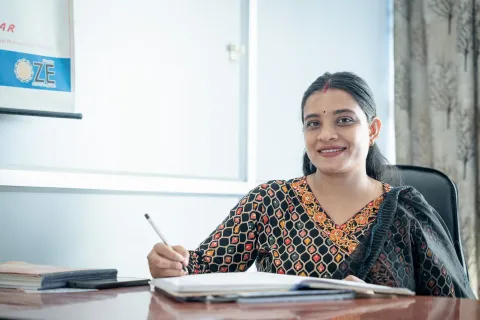
Anjina Sapkota, a psychologist with CMC Nepal – one of JRAP’s implementing partners – worked closely with Ritu. She remembers how withdrawn and hesitant the young girl had been at first. “She struggled to interact with others and lacked confidence,” Anjina says.
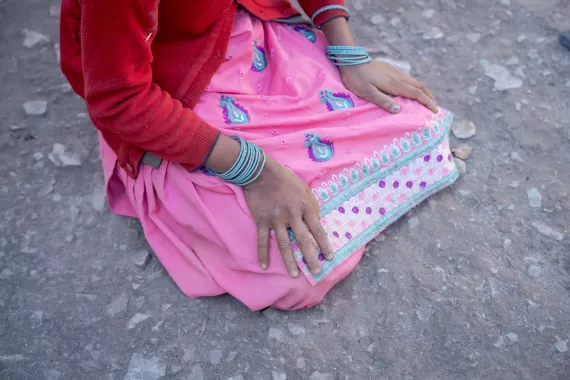
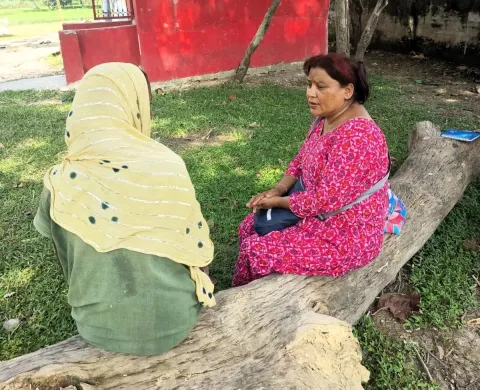
Through multiple counselling sessions, Ritu gradually began to open up. "We talked at length about self-care — how to look after herself physically, understand her emotions, and manage negative thoughts.” As part of the counseling, Ritu also learned coping techniques to manage anxiety.
"We taught her breathing exercises for when she feels panicky," Anjina explains. "These grounding techniques help bring her back to the present."
Over time, the impact became evident. "Comparing her now to how she was in the first session, we can see significant positive changes," Anjina notes.
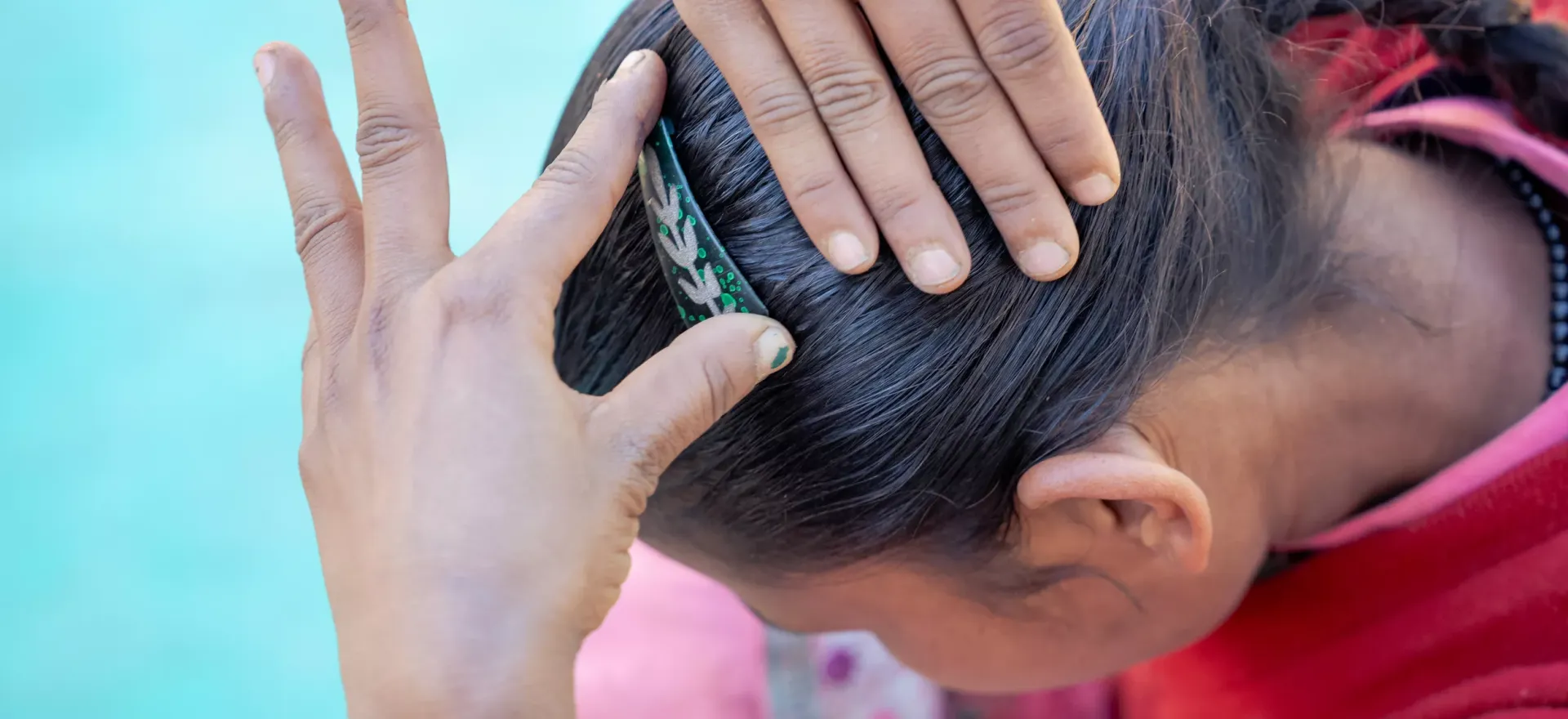
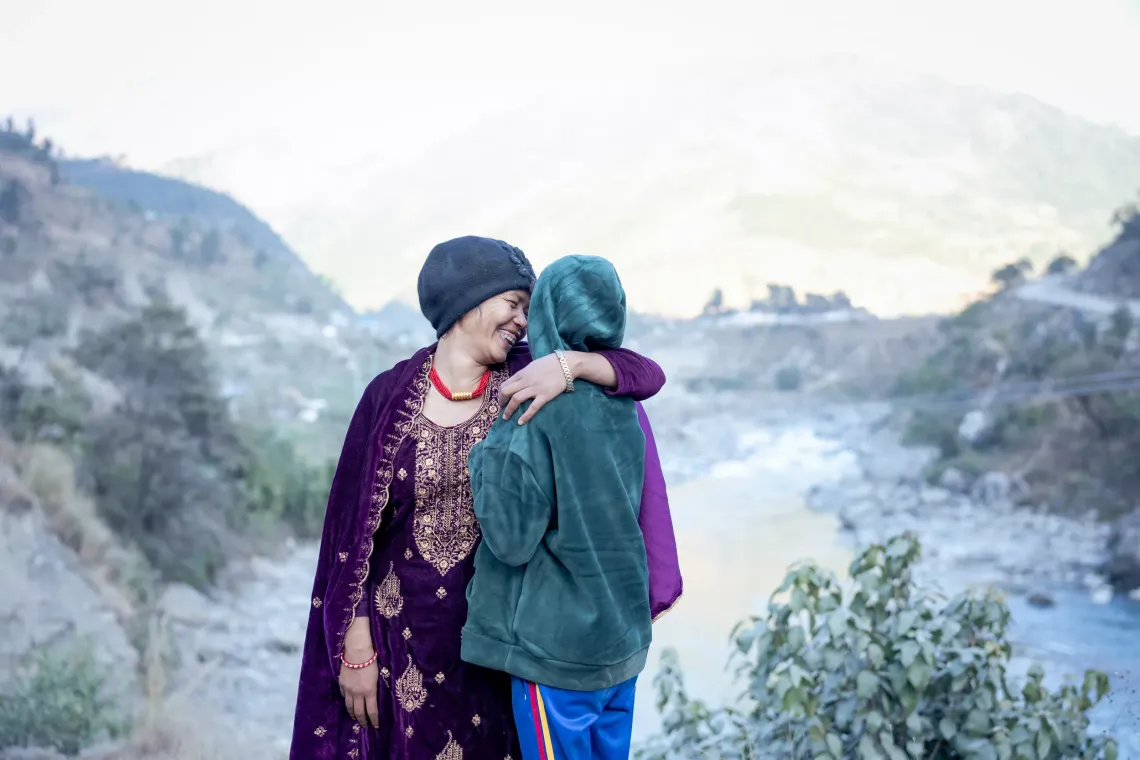
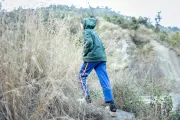
UNICEF Nepal/2024/RUpadhayay
“It has helped a lot,” Ritu confirms.
Sarita (name changed), another adolescent who participated in group healing sessions and individual counseling, shares a similar experience. "The counsellors taught us a lot. That helped lessen the fear I was feeling quite a bit," she says.
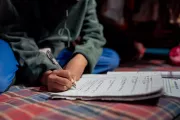
"Right after the earthquake, I had trouble sleeping and no appetite. That has improved after my sessions. Now I sleep better, eat more regularly, and can focus on my studies for longer hours."


Through targeted psychosocial support, JRAP is helping children and adolescents regain stability and confidence. As communities continue to recover, these efforts remain crucial to ensuring that no child, especially those with disabilities, is left behind in the healing process.
Launched in 2024 under the National Disaster Risk Reduction and Management Authority (NDRRMA) with support from the UK’s Foreign, Commonwealth and Development Office (FCDO), JRAP is implemented by IOM, UNFPA, UNICEF, and WFP under the leadership of the UN Resident Coordinator’s Office.