Hope in the Aftermath: Life-Saving Care Continues in Cyclone-Ravaged Mecufi, Mozambique
“I was terrified when I saw that even the hospital had been destroyed,” Juja recalls. “I didn’t know where to take my daughter for help. But then I heard they had set up a tent, so I brought her here.”

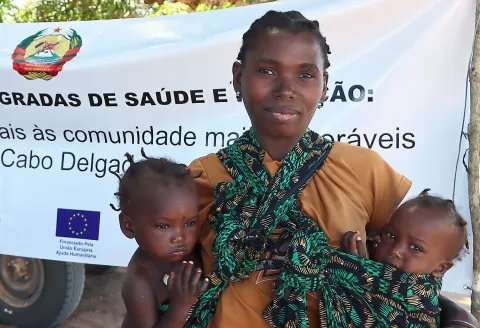
Murubué, Mecufi District, Mozambique – Two-year-old Taima Fernando rests quietly in her mother’s arms, her tiny body still warm with fever. Her mother, Juja Bau, wears an expression of both worry and relief. Only days ago, Cyclone Chido tore through their community in Cabo Delgado, reducing homes, schools, and health centres to rubble.
“I was terrified when I saw that even the hospital had been destroyed,” Juja recalls. “I didn’t know where to take my daughter for help. But then I heard they had set up a tent, so I brought her here.”
Juja and her family live in Murubué, one of the hardest-hit areas in Mecufi District. On 15 December, Cyclone Chido swept through, unleashing ferocious winds and relentless rain that left thousands of families homeless and cut off from essential services.
Cyclone Chido's heavy winds and rainfall affected more than 235,000 children across Cabo Delgado Province alone. In addition to widespread damage to homes, at least 186 classrooms and 20 health facilities were destroyed, further disrupting access to vital services for children and families.
“Mozambique is considered one of the most affected countries in the world by climate change, and children were already experiencing several life-threatening emergencies before Cyclone Chido, including conflict, drought, and disease outbreaks,” said Mary Louise Eagleton, UNICEF Representative in Mozambique.
In the Wake of the Cyclone
The storm made landfall near Pemba, the capital of Cabo Delgado, bringing destruction to an area already plagued by a brutal seven-year conflict. The ongoing crisis has displaced more than 1.3 million people, 80 per cent of them women and children, many of whom live in precarious conditions.
In Murubué, UNICEF acted swiftly, delivering emergency tents to restore critical health services. For Juja, this intervention has been a lifeline.
“This time of year brings so many illnesses,” Juja says, holding Taima close. “I was so relieved to see that even though the hospital was destroyed, people are still being treated and receiving medicine here in the tent.”
The temporary health facility in Murubué is more than just a shelter—it represents a beacon of hope. Health workers continue to provide care, addressing illnesses that have surged in the aftermath of the cyclone.
A Multi-Faceted Humanitarian Response
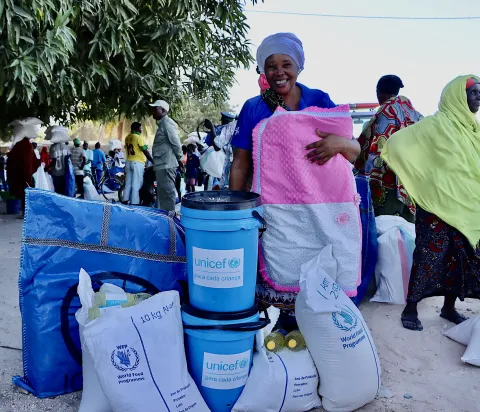
UNICEF’s efforts in Mecufi are part of a broader response to Cyclone Chido’s devastation. In collaboration with the government, sister UN agencies, NGOs, and local partners, the organisation has mobilised health supplies, hygiene kits, and cholera prevention materials to curb the spread of waterborne diseases and maintain essential services.
The cyclone also tore through Nampula and Niassa provinces, leaving over 25,000 families without electricity and damaging two water facilities, further exacerbating the risk of a cholera outbreak.
“UNICEF, along with our partners, is prioritising swift and decisive action to respond to the enormous challenges children face in Mozambique,” said Eagleton.
In addition to immediate relief, UNICEF is laying the groundwork for long-term recovery, including supporting rebuilding schools, health facilities, and community infrastructure.
The Broader Crisis
Nearly 3.3 million people in Mozambique are projected to face a “crisis” or worse levels of food insecurity next year, driven by the impacts of El Niño. La Niña patterns could further worsen conditions in 2025. Approximately 4.8 million people, including 3.4 million children, require humanitarian assistance nationwide.
Resilience Amid Loss
For Juja, the path to recovery is daunting. The cyclone destroyed her home and wiped out the food she had painstakingly stored. Yet, she remains hopeful.
“I’ve never seen winds like those,” she says. “But I’m grateful that help came so quickly. Even though everything is gone, my daughter is being cared for, and that means the world to me.”
Families like Juja’s resilience is remarkable in the face of immense challenges. With UNICEF’s support, communities across Mozambique are finding the strength to rebuild and the hope for a brighter future.
USAID/BHA, Canada, the Today and Tomorrow Initiative, and UNICEF's Global Humanitarian Thematic Fund support the response to Cyclone Chido in Mozambique. Their generous contributions have enabled vital assistance including health, nutrition, water, sanitation, and hygiene, helping affected children and families rebuild their lives.