Birth registration strengthens protection for children in Zambézia
In coordination with the Zambézia Provincial Justice and Labour Service, UNICEF supported birth registration campaigns in Maganja da Costa and Pebane districts.
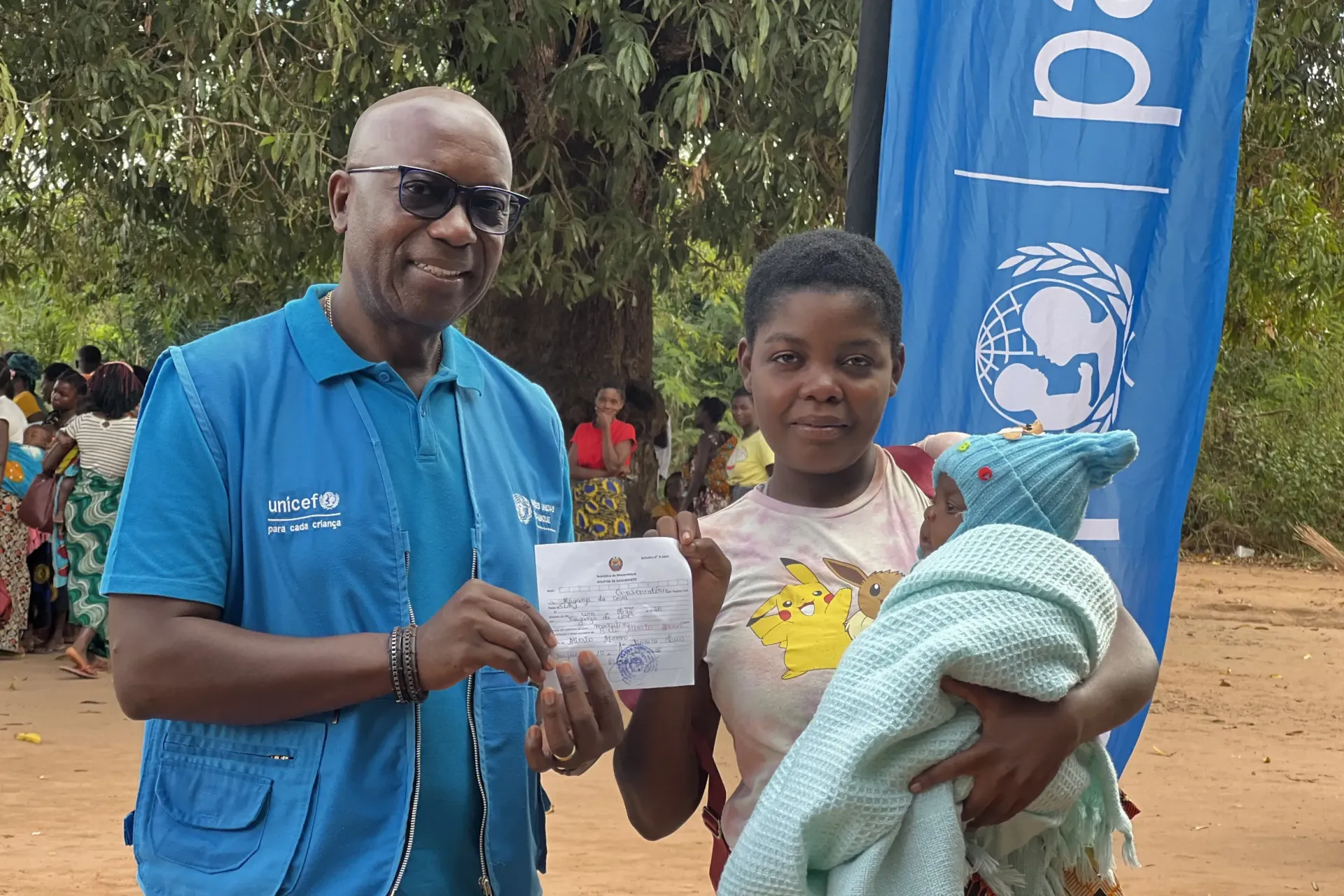
Zambézia, Mozambique - In Zambézia Province, UNICEF, with support from the UNICEF-UNFPA Global Programme to End Child Marriage, continues to strengthen child protection systems by expanding access to birth registration services.
Birth registration is a fundamental right and an important protective measure for children. It provides legal identity, facilitates access to essential services such as education, health care and social protection, and helps prevent harmful practices, including child marriage, by enabling verification of a child’s age.
In coordination with the Zambézia Provincial Justice and Labour Service, UNICEF supported birth registration campaigns in Maganja da Costa and Pebane districts. Through the campaigns, 3,595 people obtained legal identity documents, strengthening their access to rights and protection services.
Particular attention was given to vulnerable children, including girls rescued from child marriage and children who had experienced violence. These children were identified through interventions implemented by the International Child Development Programme in partnership with UNICEF.
Including vulnerable children in the civil registration system strengthens their protection, reduces their exposure to further rights violations and supports broader efforts to end child marriage across the province.
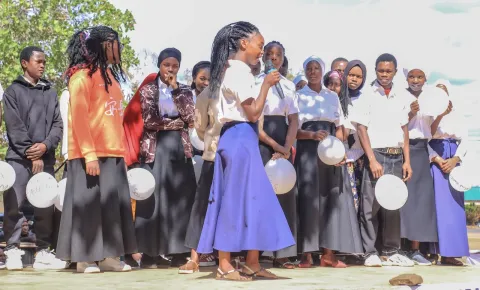
The campaign launch events also included awareness-raising activities on the prevention of sexual exploitation and abuse. These sessions promoted safe and accountable programming and strengthened community awareness of reporting mechanisms and child safeguarding standards.
This activity was supported by the UNICEF-UNFPA Global Programme to End Child Marriage, funded by the Governments of Canada, Italy, the Netherlands, Norway and the United Kingdom, and Zonta International.