The Impact of Informal Music Activities on Child Development and Well-being
A mixed-methods review

Highlights
Music is a universal part of children's everyday lives, yet most research has focused on formal music education or clinical music therapy, rather than the informal musical experiences that take place naturally in families, schools, communities and peer groups. This mixed-methods evidence review addresses this gap by examining how everyday music-making contributes to children's development and well-being from the prenatal period through adolescence. The review synthesizes current evidence on the impact of informal music activities across diverse cultural and social contexts.
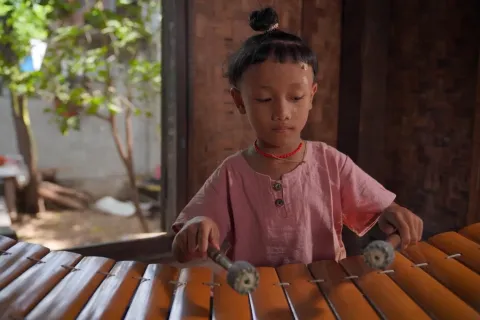
The review adopts an ecological systems perspective, recognising that children experience music within interconnected family, community, cultural and societal environments. Informal music activities include listening to music, singing, dancing, musical play, songwriting, improvisation, parental lullabies, shared family music-making, and participation in community musical activities. Unlike music therapy or formal music education, these activities occur naturally and are not designed with specific educational or therapeutic goals.
A systematic search of peer-reviewed literature published between 2015 and June 2025 identified 2,341 records. Following screening, 76 studies from 27 countries were included, covering quantitative, qualitative and mixed-methods research. Across the evidence base, informal musical engagement is consistently associated with positive outcomes in four areas of child development:
- Physiological development
- Mental and emotional well-being
- Cognitive and skills development
- Socio-cultural development
To learn more, read the full report titled Music of Life.