When Communities Lead, Water Lasts
A Replicable Model of Sustainable Water Governance from Kotri, Rajasthan
- English
- हिंदी
Amid Rajasthan's water scarcity, dry spells, and uncertain rains, Kotri, a tribal village, stands apart with a reliable sense of water security. This village was once dependent on just 21 handpumps, which often ran dry and showed turbidity and contamination. Today, Kotri models sustainable, community-led water governance.
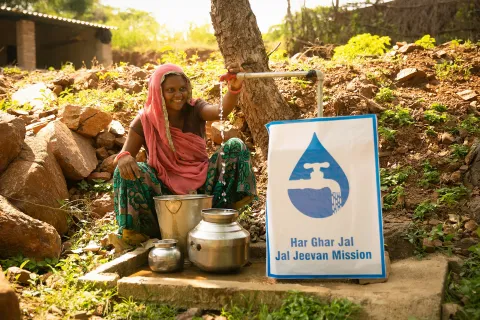
Kotri’s success, however, is not defined by infrastructure alone; it is defined by ownership. With the launch of the Jal Jeevan Mission, Kotri moved towards universal Functional Household Tap Connections. The village was certified as a Har Ghar Jal village on 2 October 2023.
At the center of this transformation is an empowered Village Water and Sanitation Committee (VWSC). Recognizing early gaps in clarity of roles, financial systems, and long-term operation and maintenance (O&M), a structured intervention was undertaken to strengthen community processes.

The committee has demonstrated proactive leadership in resolving technical issues, ensuring spare parts are locally available, conducting transect walks of the entire water supply network, and maintaining transparent financial records. Even households initially left out of the scheme were brought in after persistent follow-up by the VWSC.
Women are at the forefront of this governance model. In the Gram Panchayat, women are taking the lead in water governance and management. They actively participate in decision-making processes, strengthening community ownership of local water systems.

Financial sustainability has become one of Kotri’s strongest achievements. Every household contributes a monthly water user fee, which is deposited into a dedicated village bank account for O&M. This fund ensures regular payment to the pump operator, covers minor repairs, and provides preparedness for unforeseen breakdowns.

Women from the village are trained in chemical and bacteriological water testing using Field Test Kits and H2S vials. They upload results to the JJM MIS and coordinate with PHED when corrective measures are required. Their vigilance has strengthened trust in safe drinking water and reinforced accountability within the system.
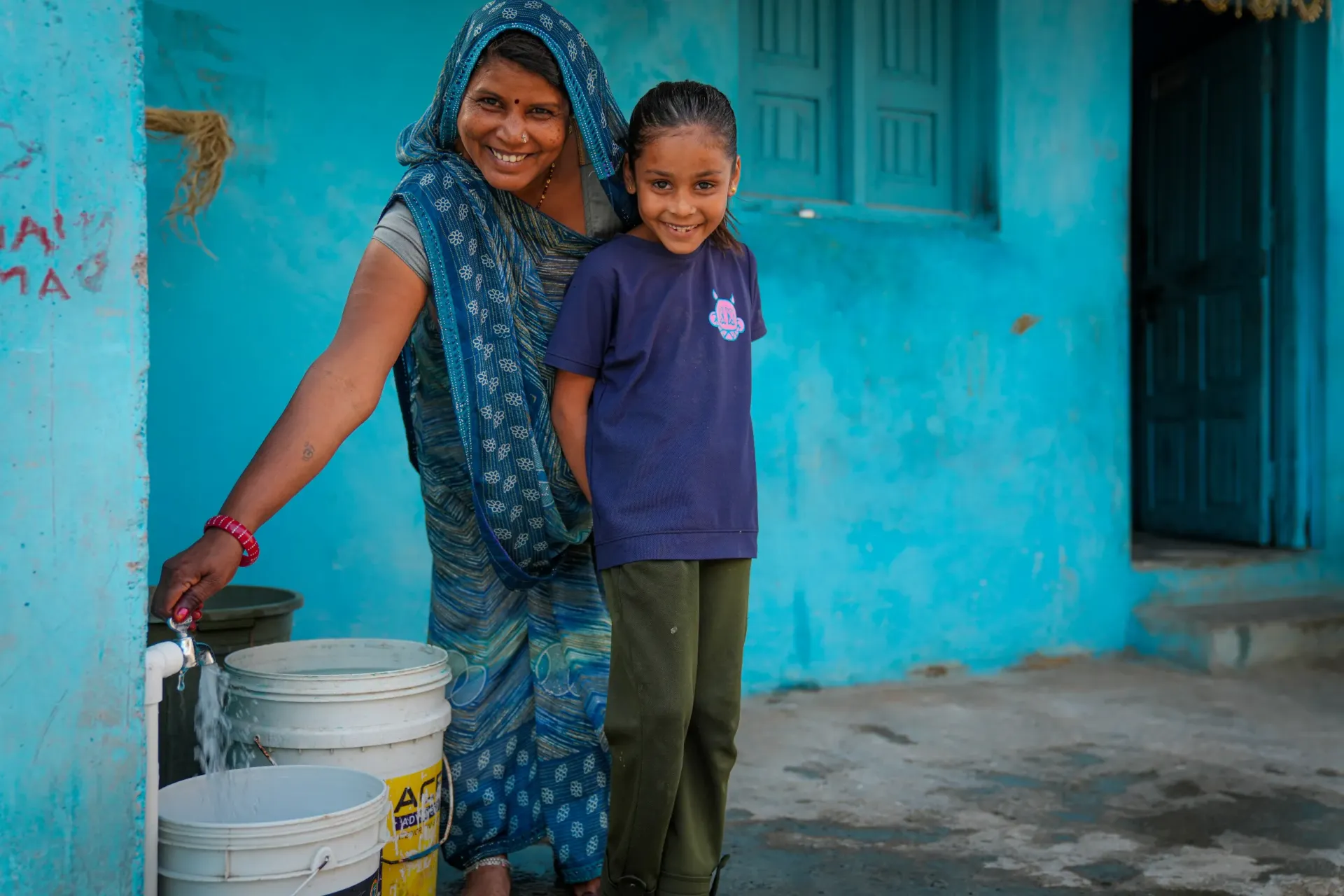
Freed from the daily burden of walking long distances to fetch water, women now invest their time in livelihoods and family well-being. Alka Tailor is one such example. With reliable water at home, she expanded her stitching business by taking a ₹50,000 loan — a loan she has successfully repaid.

“Earlier, I spent hours bringing water home. Now I use that time for my stitching. I took a ₹50,000 loan to expand my work and repaid it. Having water at home has given me confidence and independence,” says Alka.

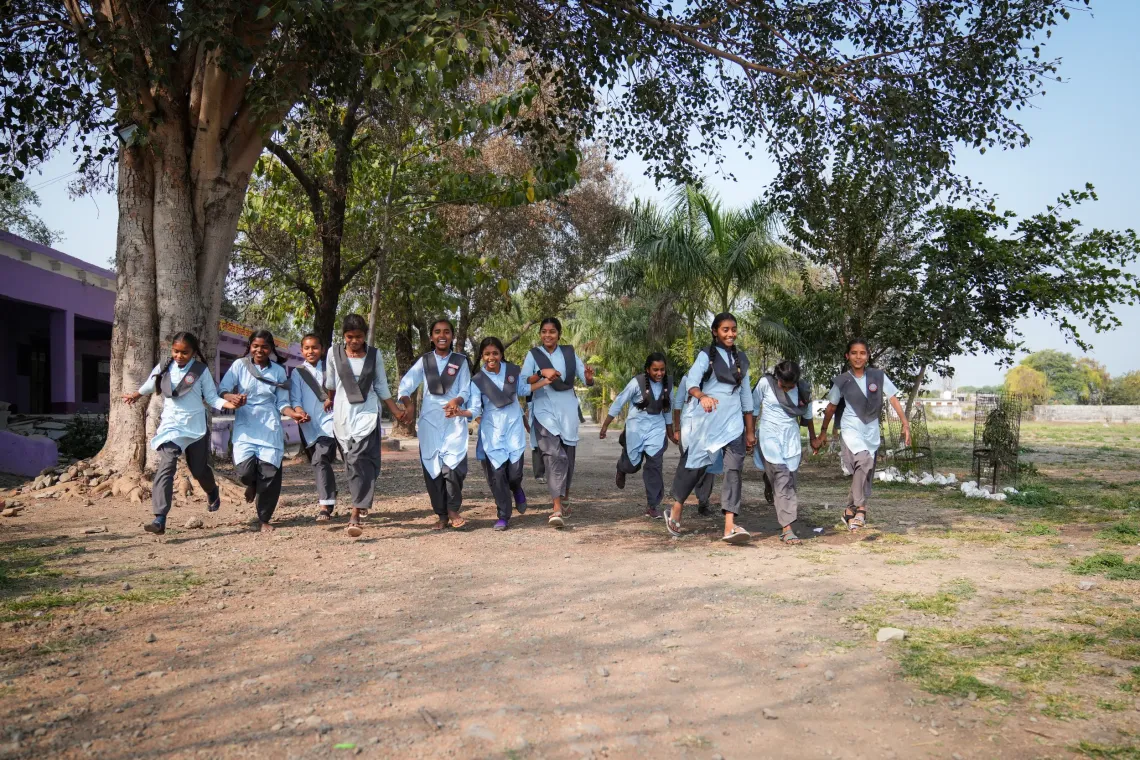
Children, too, are active participants in sustaining the change. Through school rallies, participatory activities, and awareness campaigns, they promote water conservation and responsible usage, carrying the message beyond classrooms into the community.
The UNICEF Rajasthan office provided technical support to PHED Pratapgarh to design and implement this phased capacity-building approach. Through sustained engagement, community mobilization, and handholding, the VWSC was equipped to manage planning, financial oversight, water quality monitoring, and system maintenance.
Kotri’s journey underscores a powerful lesson: sustainable rural water supply requires more than engineering solutions. It requires empowered local institutions supported by clear systems, financial discipline, continuous capacity building, and collaborative governance.
With technical support from UNICEF and strong leadership from PHED and district authorities, Kotri has demonstrated how decentralized water governance can function effectively when communities are entrusted with responsibility and equipped with the right tools. Kotri offers a replicable model for strengthening the long-term sustainability of rural water services across Rajasthan and beyond.
When communities lead, water lasts.