The Snapping Shrimp Solution: Transforming Handpumps for Safer Water
How a biomimicry-inspired, chemical-free reactor is turning ordinary handpumps into lifesaving water purifiers across flood-prone India
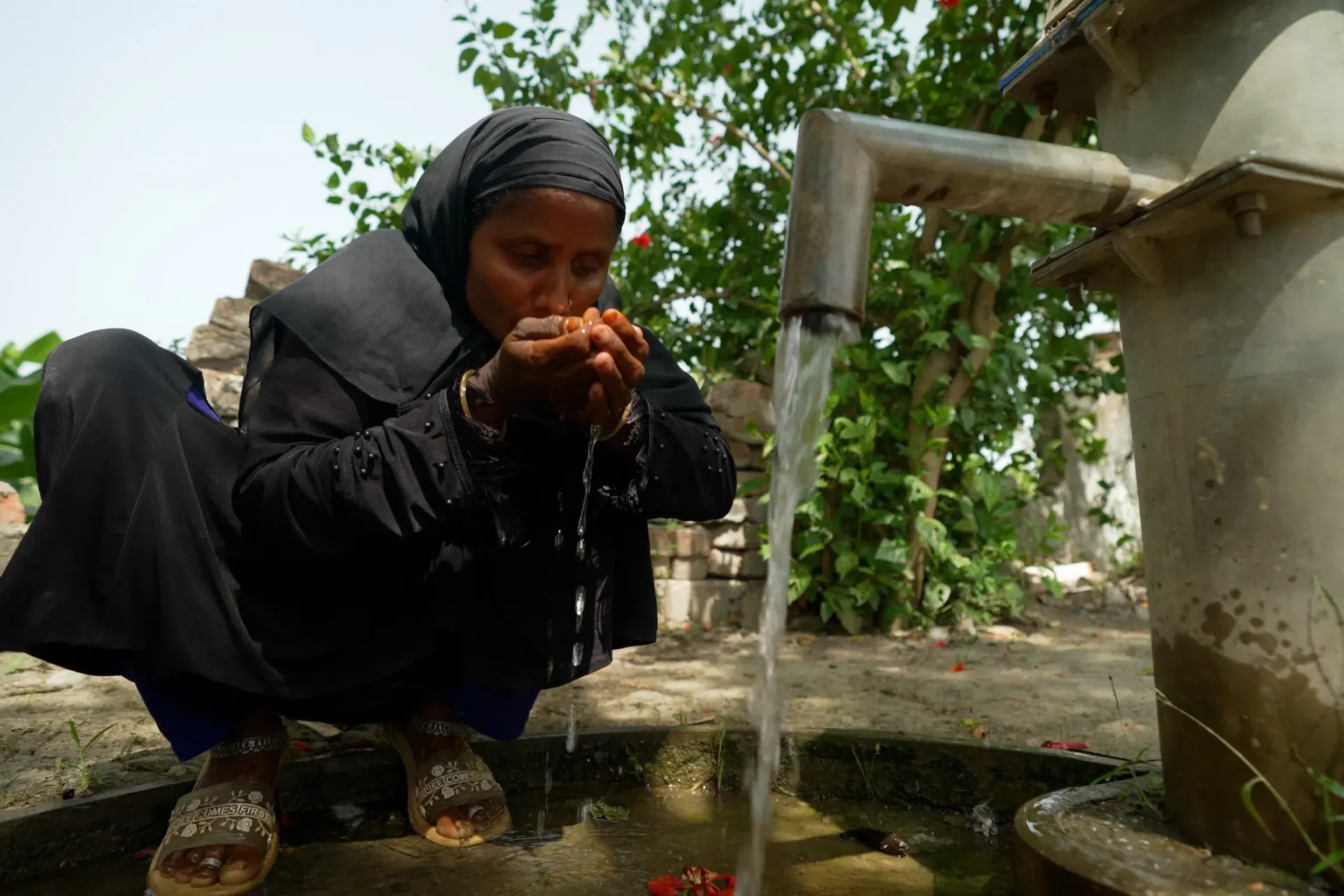
In flood-prone regions like Bahraich and Begusarai, the monsoon season has historically meant dealing with severely contaminated water sources. To combat this, UNICEF and partners deployed a pioneering, pure-science innovation—the Maji: Taraltec® Reactor—across 20 villages as part of an emergency preparedness strategy.
Here is how this unique, patented technology technically operates to secure safe drinking water for underserved communities:
The Science: Biomimicry and Kinetic Cavitation
The reactor completely bypasses the need for electricity, chemicals, filters, or membranes. Instead, its core mechanism relies on biomimicry inspired by the snapping shrimp:
- Fluid Dynamics (Bernoulli's Principle): As water is pumped, the device shoots multiple high-speed jets of water internally. This rapid movement drops the ambient fluid pressure below the vapour pressure of the water, creating localised cavitation voids or bubbles.
- Lacerating Shock Waves: When the pressure returns to ambient, these cavitation bubbles violently collapse. The collapse releases localized, highly disruptive kinetic shock waves that physically lacerate and destroy over 99% of waterborne microbes.
- Eradicating Disease Vectors: Because waterborne viruses rely on these microbes as hosts, eliminating these microbes also eliminates the viruses. This targeted physical destruction effectively safeguards communities from 90% of waterborne diseases, including diarrhoea, cholera, typhoid, and dysentery.
Design, Cost, and "Fit and Forget" Deployment
Engineered by Taraltec Solutions in Mumbai, India, the device is designed to seamlessly integrate into existing grassroots water infrastructure without demanding behavioural changes from the community.
- Universal Compatibility: The developer solved the precise fluid algorithm required to retrofit India Mark II and Mark III handpumps. Because these two designs comprise over 95% of the handpumps utilized globally, the technology is highly adaptable across various developing nations.
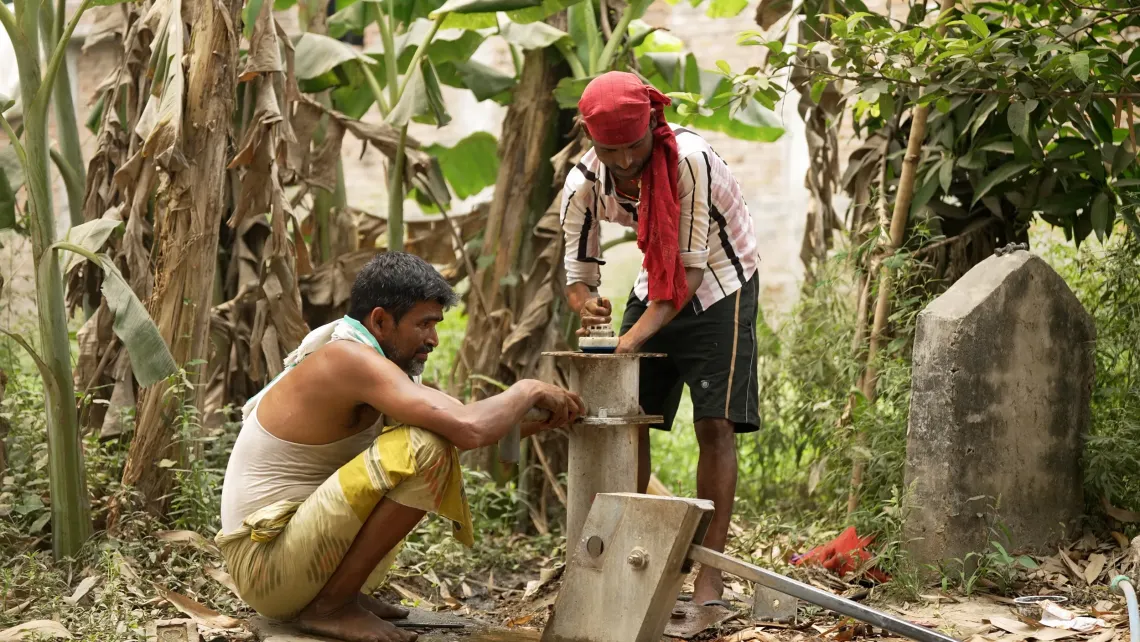
- Rapid Installation: A local plumber requires no specialized training or tools to complete the installation. By simply removing seven standard bolts on a community handpump, the unit can be retrofitted in less than an hour.
- Lifetime Economics: Priced at an affordable one-time capital cost of USD 95, the device operates with zero carbon footprint and zero maintenance. This drives the lifetime cost of clean water down to a tiny amount per litre.
Global Recognition as an Engineering Marvel
The reactor is recognized globally—even earning a permanent exhibition spot in the "Technologies of the Future" gallery at the Deutsches Museum in Nuremberg, Germany.