My recent and first field mission to Bhopal in central Indian state of Madhya Pradesh since joining UNICEF India last month, gave me a deeper sense of on the ground progress India is making in children’s and women’s wellbeing.
From my meetings with senior officials to health workers, sincere and systematic efforts toward changing the lives of women and children stood out. We saw a range of on-the-ground initiatives connected by a unified narrative.
A shared agenda between the government and communities is advancing to give children the best start in life, with better chances of surviving and thriving.
The Power of a Mother’s Embrace
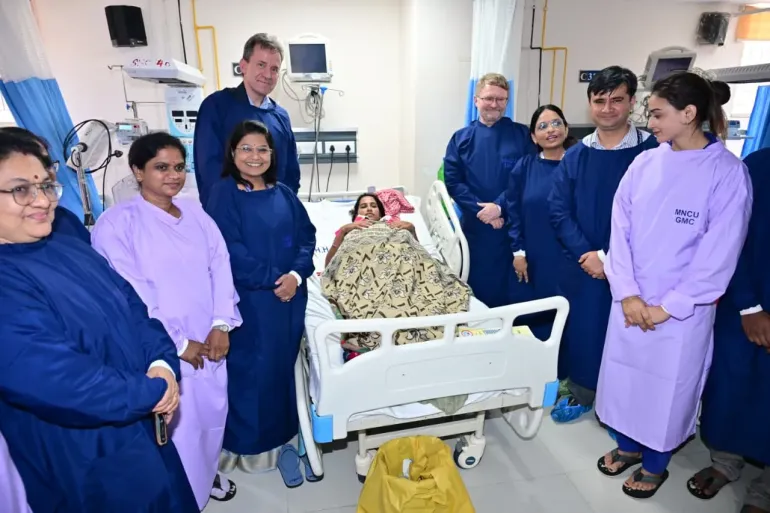
Her baby had to be referred from Narsinghgarh, 85 kilometres northwest of Bhopal, with respiratory distress and was treated with Continuous Positive Airway Pressure (CPAP).
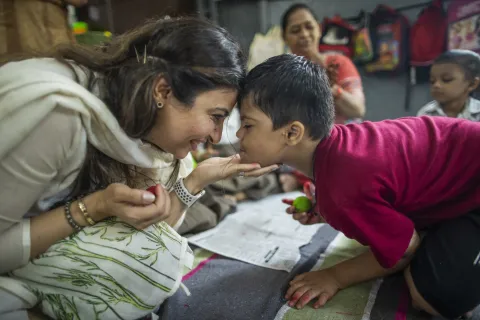
Beyond the required medical interventions, the quiet reassurance of a mother holding her child close was noticeable. Doctors noted the baby’s remarkable progress since receiving care in the MNCU. Lying close to her daughter, Samita smiled in quiet relief, grateful that she could remain close to the child throughout recovery.
In the same ward, we met Aarti, a proud mother of newborn twins, who had to be admitted to the Maternal and Neonatal Care Unit following their birth and is steadily recovering.
“Having twins is a blessing for our family. Being with my babies every day while they receive treatment gives me the confidence to care for them. The doctors and nurses are always by our side, guiding us whenever we need support.”
Their stories reflect the principle of the MNCU Unit, where zero separation makes mothers active partners in their babies' care and not separated during treatment.
Dr Manjusha Goel, Head of the Department of Pediatrics, explained: “In the MNCU, mothers are not guests; they are caregivers. Our role is to support them, build their confidence, and help them become active partners in caring for their babies.”
Leave No Stone Unturned
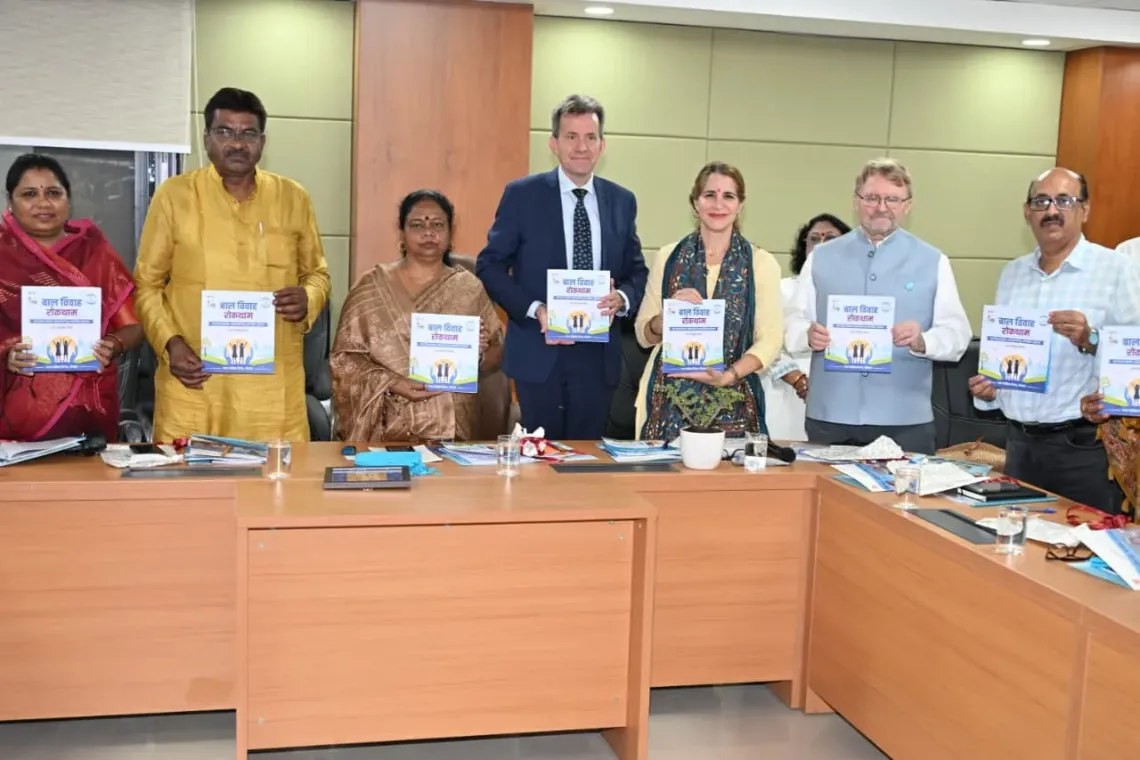
The ground momentum is matched by strong leadership commitment. The UNICEF team was privileged to meet with the Hon'ble Deputy Chief Minister of Madhya Pradesh, Shri Rajendra Shukla.
We discussed the state's continuous efforts to improve maternal and child health, focusing specifically on strengthening strategies to reduce infant and maternal mortality. His “leave no stone unturned” was a powerful call to action that instilled confidence and hope, going a long way toward saving the lives of women and children in Madhya Pradesh.
At the technical hub at AIIMS Bhopal
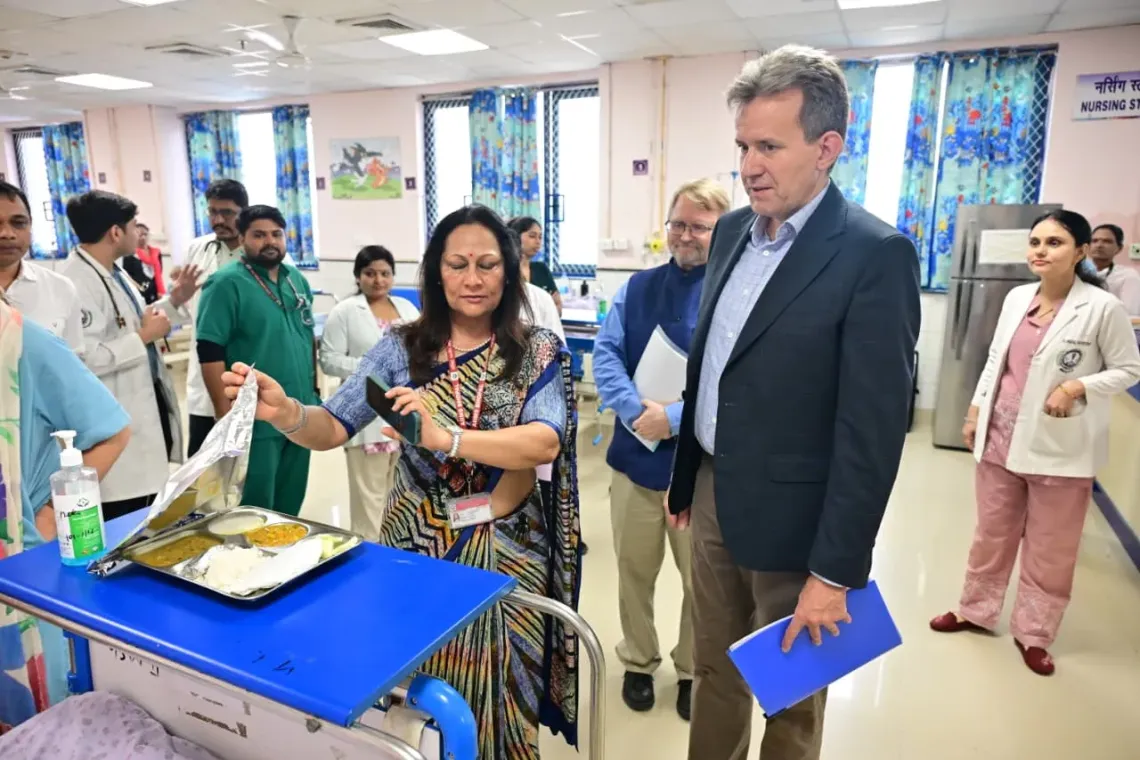
A visit to the AIIMS Bhopal Regional Centre of Excellence for Nutrition Rehabilitation, Resource and Training (RCoENRRT) shows how clinical and therapeutic care is provided to medically complicated SAM cases through the Severe Acute Malnutrition (SAM) Advanced Treatment and Research (SMART) Unit.
It provides mentoring support to nutrition rehabilitation centres (NRC) across Madhya Pradesh.
The State Centre of Excellence (SCOE), established in the Department of Community and Family Medicine at AIIMS, is the engine behind the state’s battle against severe malnutrition. It provides mentoring support and hands-on support to Anganwadi centres in two intensive districts, e.g., Khandwa and Narmadapuram, to deliver quality community-based management of acute malnutrition (CMAM) programmes.
AIIMS helps generate the evidence and technical expertise needed to strengthen community-based nutrition programs across Madhya Pradesh. The evidence-based initiative illustrates how innovation and shared knowledge convert into better, healthier outcomes for children.
Building Safer, Stronger Communities
Real change requires more than good policies; it requires communities that care, leadership that listens, and partnerships that bring people together.
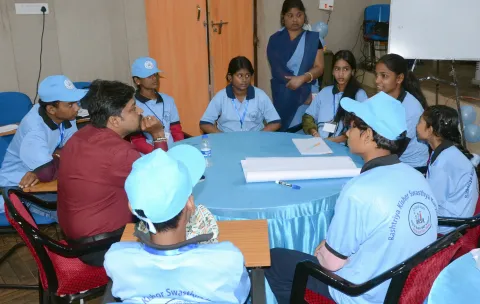
This became evident in our interaction with officials from the Municipal Corporation, ward councillors, and civil society organizations working under Bhopal's Safe City Initiative. Facilitated by UNICEF, this collaboration proves that creating safe, nurturing environments for children is a shared responsibility that thrives on local teamwork.
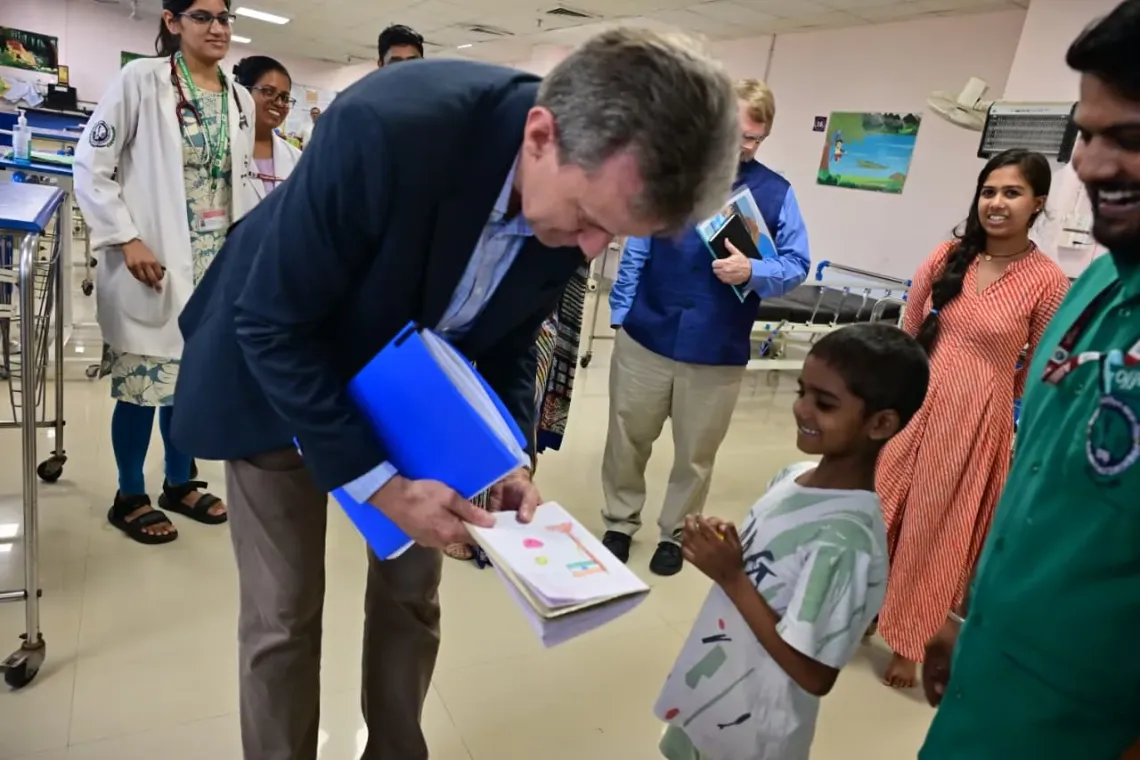
We met 13-year-old Astha there, a young girl whose life has been transformed through the collective efforts of government agencies and civil society organisations. A few years ago, she and her family lived on the roadside in difficult circumstances.
With timely interventions and sustained support, they were connected to essential services, and Astha was enrolled in school. Despite a late start in her education compared to most children her age, she proudly shared that she is now in Class IV, alongside younger classmates, and is learning with remarkable confidence and determination.
Listening to Astha reminded me that when children are given a genuine opportunity to learn, they discover in themselves the potential that once seemed unimaginable. A fresh chance, coupled with compassion and belief in their abilities, can transform not only a child's future, but an entire family’s story.
Madhya Pradesh Police officials shared how community policing has become a powerful tool for protecting women and children, not only by responding to violence but also by preventing it. The conversation highlighted how change becomes truly sustainable when communities themselves become part of the solution.
A Shared Vision for the Future
I returned from Madhya Pradesh with a deep sense of optimism. Places we visited and people we met included committed public servants, dedicated health professionals, engaged community leaders, children, women, passionate partners and communities who received services.
In their respective roles, they are united by a single, powerful mandate: every child has the right to the best start in life. UNICEF is proud to work alongside the Government of Madhya Pradesh on this vital journey.