Community-Led Resilience Against the El Niño Shadow
How grassroots water budgeting and Shramdaan-driven ecosystem restoration safeguarded 364 Gram Panchayats across drought-prone Maharashtra
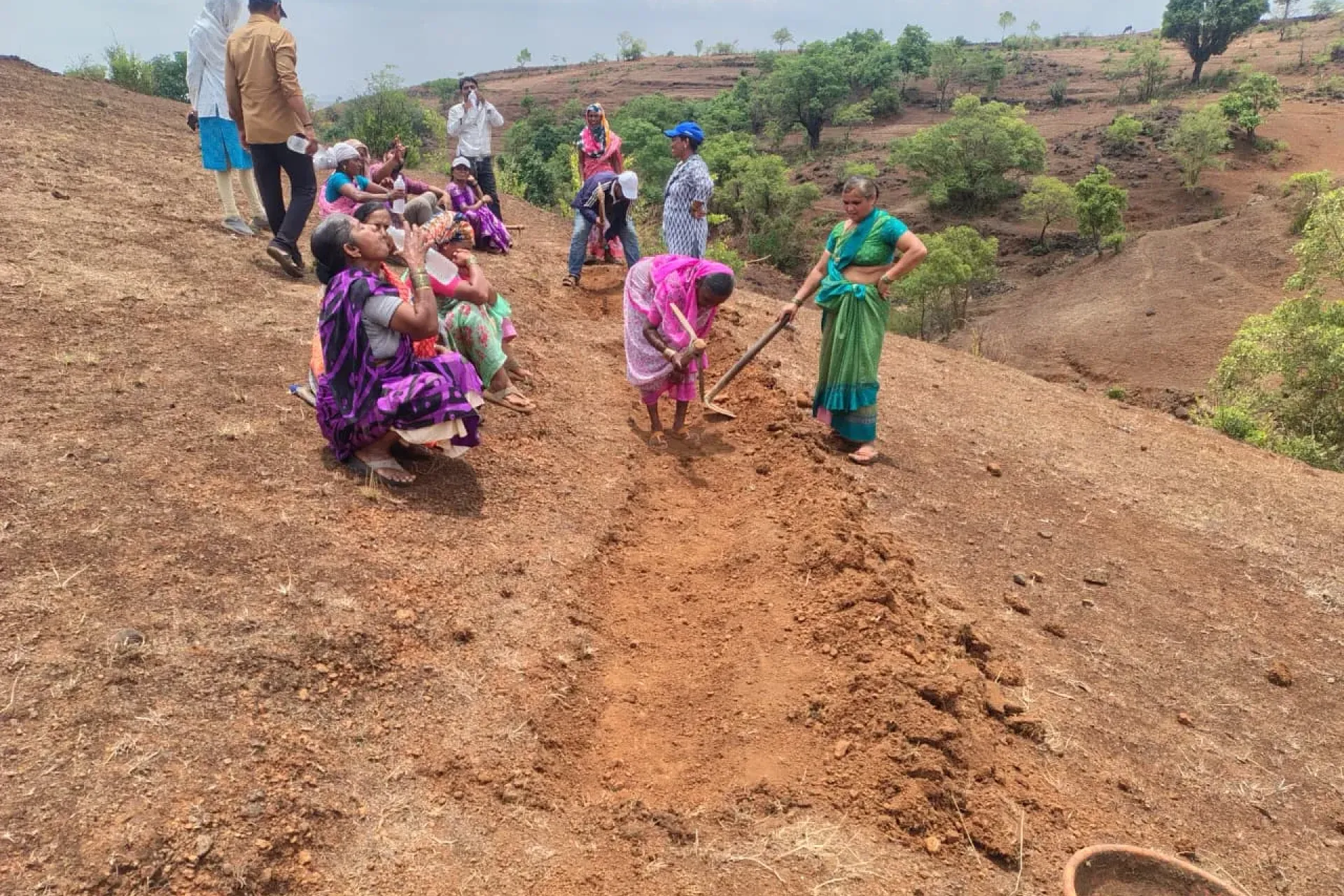
The Kharif agricultural season had come to an end, but a quiet anxiety gripped rural Maharashtra. Whispers of an impending El Niño cycle grew louder. A weak monsoon threatened the very foundation of community water security and child-critical ecosystems.
The Looming El Niño Shadow over Maharashtra in 2026 threatened to severely worsen conditions across its vast, chronically drought-prone belts, jeopardizing child-critical ecosystems and risking an acute spike in malnutrition and water-borne illnesses among the millions of children living in vulnerable smallholder farming households.
Recognizing these compounding climate risks, a timely alliance was formed. With critical technical support from UNICEF and the on-ground expertise of the Watershed Organization Trust (WOTR), an initiative was launched to build decentralized response capacities and safeguard rural water security.
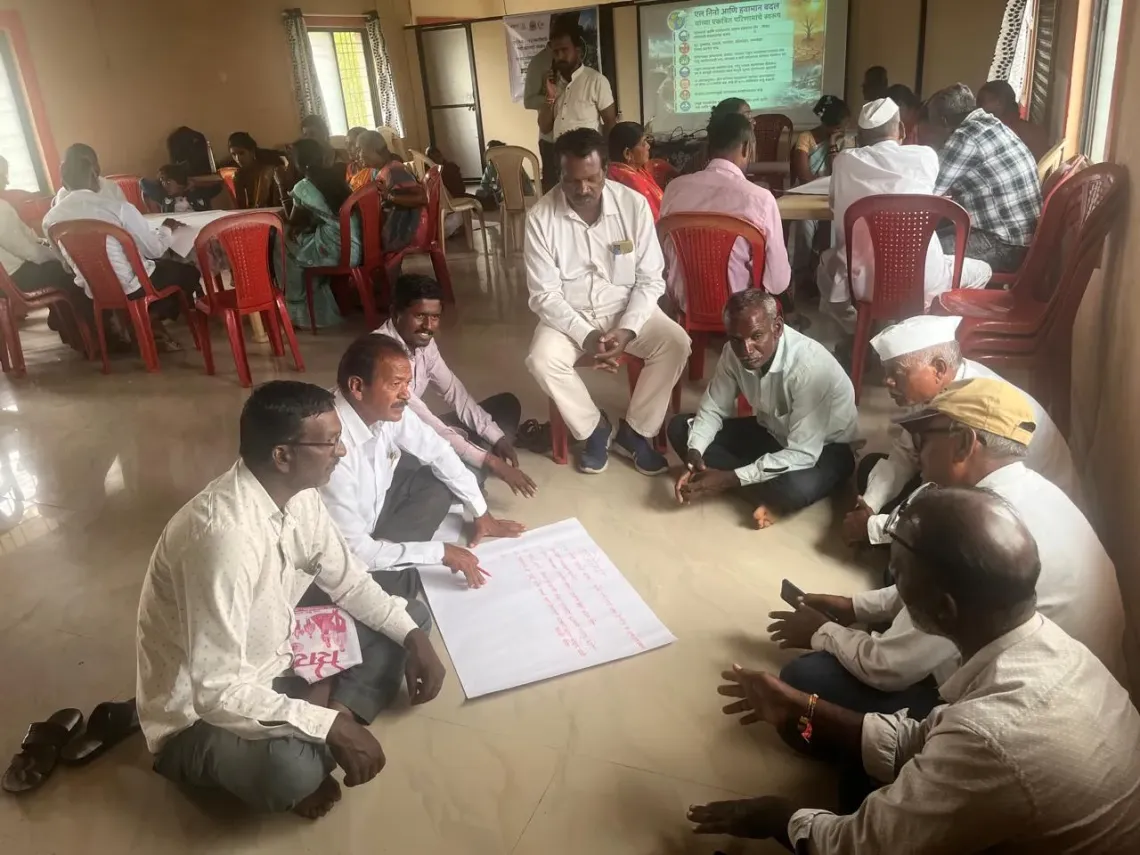
Mobilizing the Grassroots
The initiative spanned 9 districts (Dharashiv, Gadchiroli, Chhatrapati Sambhajinagar, Pune, Nashik, Sangli, Ahilyanagar, Buldhana, and Thane) and covered 364 Gram Panchayats.
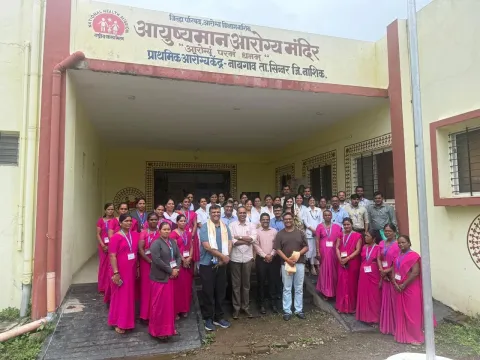
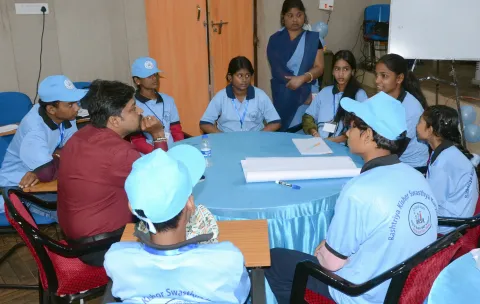
- Strengthening Local Leadership: Five intensive capacity-building workshops equipped Gram Panchayat members, women, farmers, and youth with knowledge on climate hazards and risk mapping.
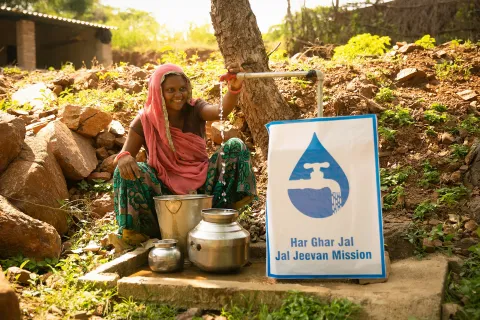
- The 'Water Budget': In 35 focal villages, trained youth and resource persons introduced Water Budgeting. By balancing available water against consumption needs, villages could scientifically plan agricultural patterns and domestic reserves.
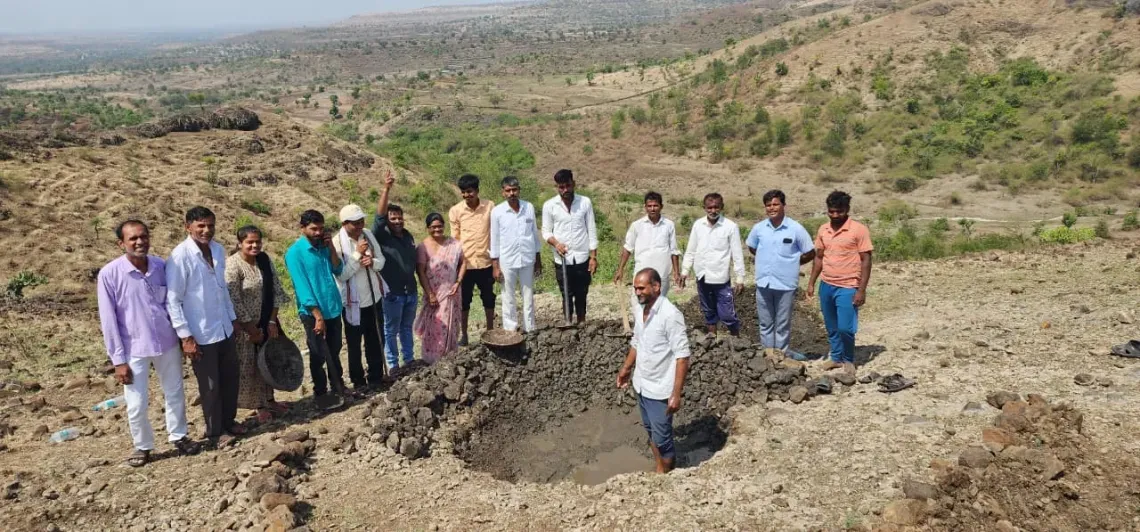
Collective Action: Shramdaan in Motion
Knowledge was quickly translated into action. On World Environment Day, a massive wave of community-led Shramdaan (voluntary labour) campaigns swept through the villages. Farmers, youth, and village leaders stood side-by-side to physically restore their ecosystems:
- Excavating Continuous Contour Trenches (CCTs) to slow down surface runoff.
- Building loose boulder structures and earthen bunds to trap moisture.
- Desilting ageing check dams and drainage channels.
- Implementing spring rejuvenation and tree plantations.
These efforts created an estimated 21.10 cubic meters of additional water-harvesting capacity, with the potential to capture approximately 210,426 litres of rainwater.
A Resilient Future for Every Child
The program achieved a direct reach of over 1,260+ community members and an indirect impact on more than 15,000 residents. To ensure long-term behaviour change, WOTR developed localized Information, Education, and Communication (IEC) materials, including village water budgeting formats.
When El Niño tested the region, the wells didn't dry up, and water tankers weren't needed. Thanks to decentralized planning and strong community ownership, the children of these 364 Gram Panchayats had their water security firmly secured.