

Parenting
When a child is born, parents are born too. Nobody has more influence on a child’s development, well-being and future, and every parent needs support to give their child the best start in life.
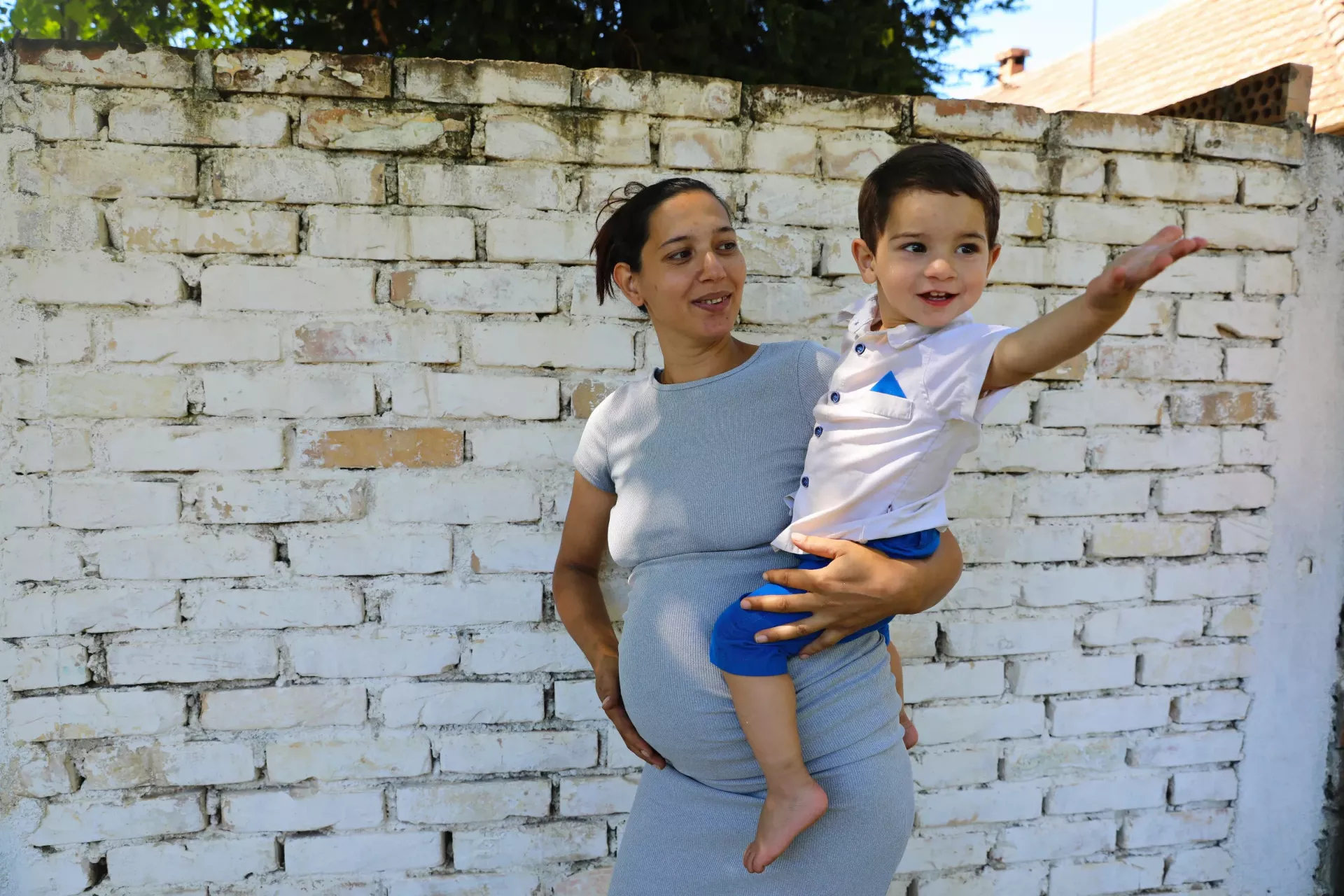
Support for parents in Europe and Central Asia
Our goal: We aim to ensure that all parents have the timely, high-quality information, guidance, resources and services they need to care for their children – and for themselves. We recognize that while all parents need support, some need more support than others.
Data from the region
Only half of caregivers who say they need parenting support in the Europe and Central Asia region receive it.
One in every four young children in the region does not engage in activities such as play, reading, singing or drawing at home with their caregivers.

More than half of all children in the region aged 1 to 14 are violently disciplined at home.
Only 15 per cent of young children engage in activities such as play, reading, singing or drawing with their fathers.
Many of the 70 million parents in 22 countries of the Europe and Central Asia region lack support as they steer their children through infancy, the school years and adolescence. They are under pressure as a result of the region-wide impact of war in Ukraine, accelerating climate hazards and high prices for food, fuel and shelter. Many struggle to earn a living and support their families in stressful times that take a toll on their own mental health, and need urgent support and guidance.
In the absence of family-friendly policies, they may lack the time, finances and services they need to raise their children. Current laws and policies do not recognize that parents need different types of support as their children grow up, or that they may need help themselves. Even when policies are in place, parenting support services in the region are limited and fragmented. Parents from marginalized groups, such as families of children with disabilities and developmental delays, those living in poverty, and those from ethnic minorities, are often excluded from – or unable to access – the few services that are available.
Many parents lack knowledge and skills on positive parenting, and there are children who are missing out on the nurturing care they need for their full development. While most parents in the region say they do not believe in physical punishment, more than half of children aged 1-14 are violently disciplined at home.
There is a lack of support for the parenting of young children: Around half of the children aged 3 to 6 in the region are not in preschools, and parents face tough decisions as they try to balance the need to earn an income with the need to care for their children.
There is a lack of support for the parenting of adolescents: There are few programmes for the parents of adolescents in the region, and they often focus on risky adolescent behaviour, rather than positive parenting based on communication.
Key policies
1989 Convention on the Rights of the Child, Article 24 (e): ensure that everyone, particularly parents and children, has access to information, education and support on child health and nutrition.
2015 Sustainable Development Goals: family-friendly policies have a key role to play in meeting the targets across many of the goals, particularly SDG 1 on poverty, SDG 3 on health, SDG 4 on education, SDG 5 on gender equality, SDG 8 on sustainable economic growth (employment), and SDG 16 on peaceful societies (ending violence).
What is UNICEF doing?
It is never too late for positive parenting. But it is far more likely when parents have the support they need. Our framework of support for parents spans three levels:
- universal: a core package of support that is available to every parent and that aims to prevent problems before they start
- targeted: support tailored to families’ specific needs or identified risks
- intensive: for parents who face longer-term challenges to meet their complex needs.
We aim to strengthen, create, coordinate and integrate national parenting support programmes across every relevant sector in the Europe and Central Asia region. We push for and support universal family-friendly policies, including paid parental leave, flexible work arrangements, support for pregnant and breastfeeding women, and access to early childhood education and care.
We work with governments and other partners to strengthen health, education and social protection systems so that they reach all families whenever they need them. We support, and make the case for, shock-responsive and tailored social protection – flexible support that ramps up in response to shocks such as pandemics and conflicts – which can help to break the poverty cycle.
Our support for parenting in the early years includes our Parenting Support Framework for the Early Years: a vision of multi-sectoral support for parents. We support universal and progressive Home Visiting by local nurses to support, encourage and inform the parents of young children. And we have reached over 1.5 million parents with digital parenting support through the Bebbo mobile app, which provides the best available advice for the parents of young children.
Our support for parenting adolescent children includes guidance on how best to support an adolescent child, with the emphasis on positive, proactive approaches. We produce information to help parents discuss difficult issues with their children, from conflict and war to climate change and bullying, as well as tips on many subjects, including how to create healthy digital habits.
By recognizing and addressing their changing needs, we can ensure that every parent is ready and equipped to foster their child's development and well-being.