In Focus: Parenting
Caring for the caregivers
Highlights
When children are born, parents are born too. Every parent needs support to give their child the best start in life, from birth right through to adolescence. When parents have the support they need, children, families, communities and nations thrive.
Nobody has more influence on a child’s development, well-being and future than their parent or caregiver. The nurturing care a child receives throughout their childhood prepares them to live in society, form relationships, learn, work and succeed.
Parental care in the earliest years of life is the foundation for a child’s cognitive development and their physical and mental health. And while the role of parents evolves over time, it remains crucial. Positive parenting that starts in early childhood and that continues throughout a child’s school-age years can enhance adolescence. Adolescents, in turn, navigate their journey into adulthood with greater ease when they have emotionally supportive parents as their chief role models. The mental health and well-being of parents are essential throughout childhood – ensuring they can provide nurturing and responsive care.
There are almost 70 million parents in 22 countries across the Europe and Central Asia region. For many of them, a lack of support as they care for their young children persists as they try to guide them through their school-age years towards a safe and supported adolescence and a productive adulthood. In the absence of family-friendly policies, many are left without the time, finances and services that they need to raise their children.
Parenting support services are still rare in the region. And parents from marginalized groups, such as families of children with disabilities and developmental delays, those living in poverty, and families from ethnic minorities, are often excluded from the services that are available, or are unable to access them in the first place.
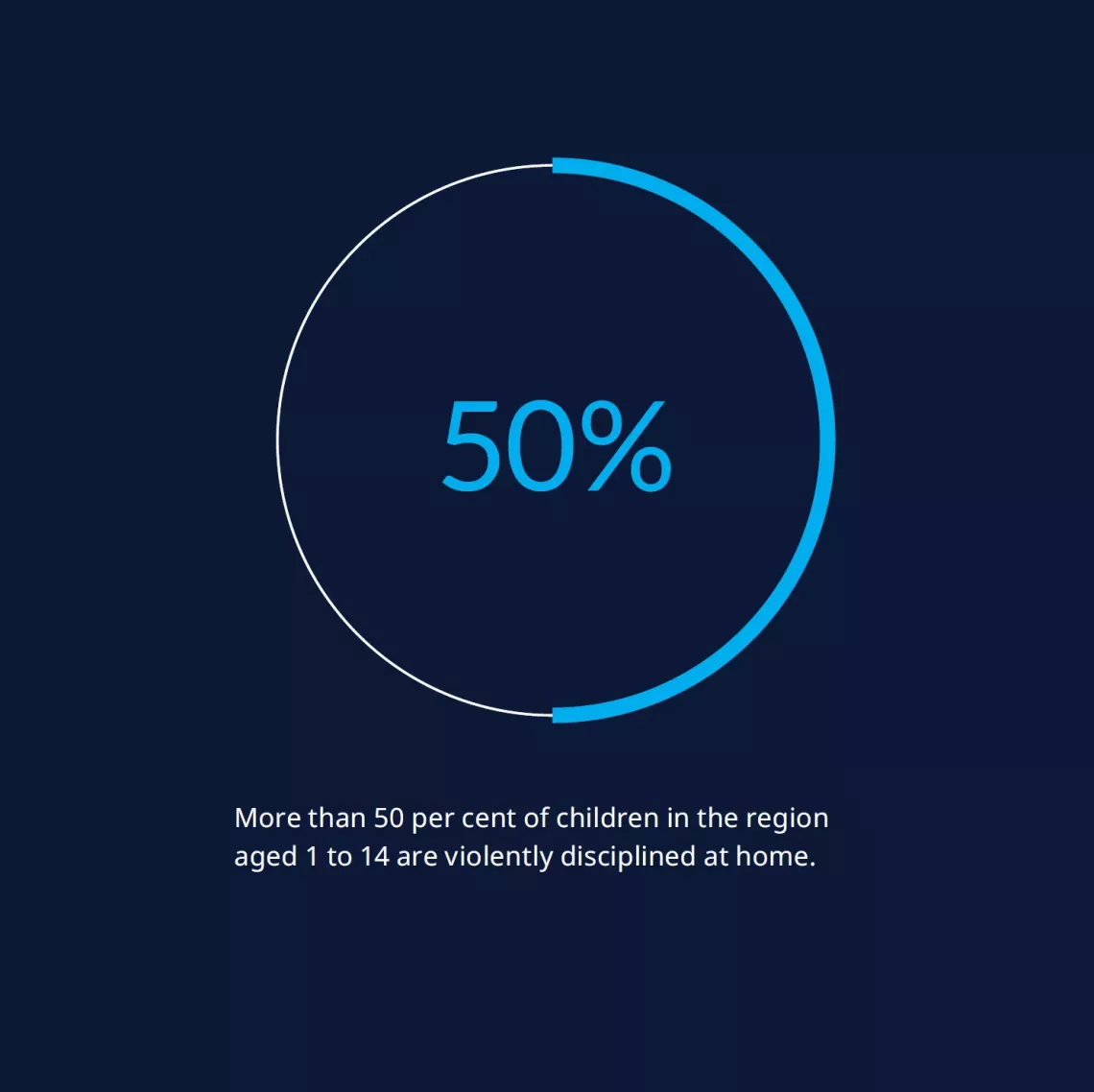
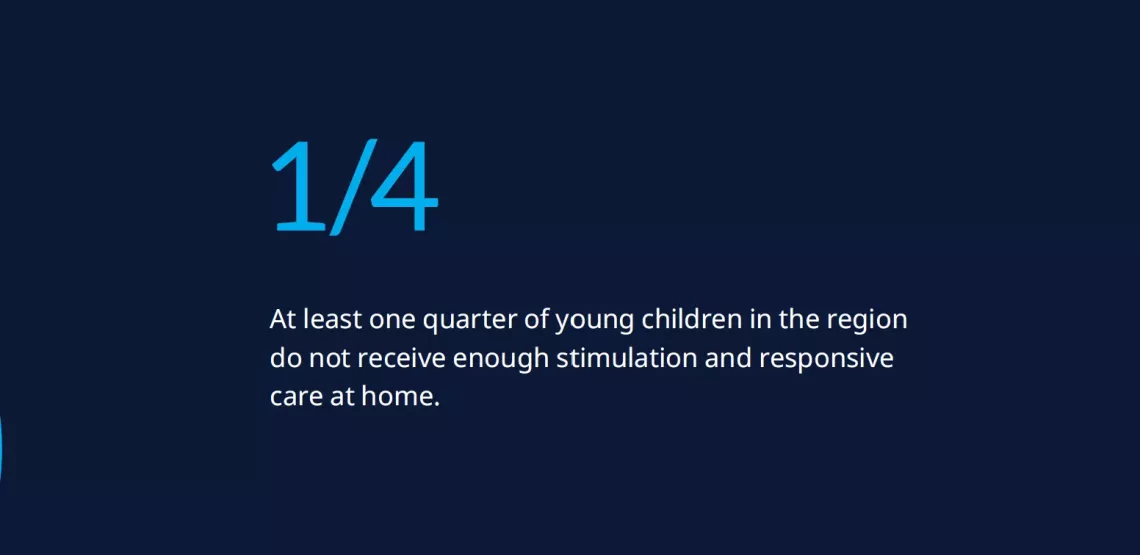
As a result, many children in the region lack the nurturing care they need for their full development. One quarter of children under the age of five are deprived of activities such as play, reading, singing and drawing – meaning they lack adequate at home. Many parents lack knowledge and skills on positive parenting. And while most parents in the region say that they do not believe in physical punishment, more than half of all children in the region aged 1-14 are violently disciplined at home, which is known to have negative and sometimes lifelong consequences.
The good news is that it is never ‘too late’ for positive parenting. But it is far more likely when parents have the support they need.
Files available for download
Key facts





Key policy frameworks
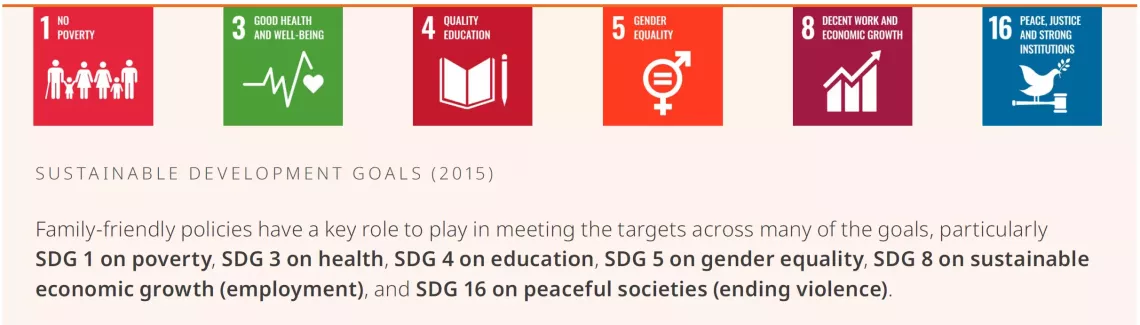
Convention on the Rights of the Child (1989)
Article 24 (e): ensure that everyone, particularly parents and children, has
access to information, education and support on child health and nutrition.
Challenges
Parents in the region are under pressure and lack support
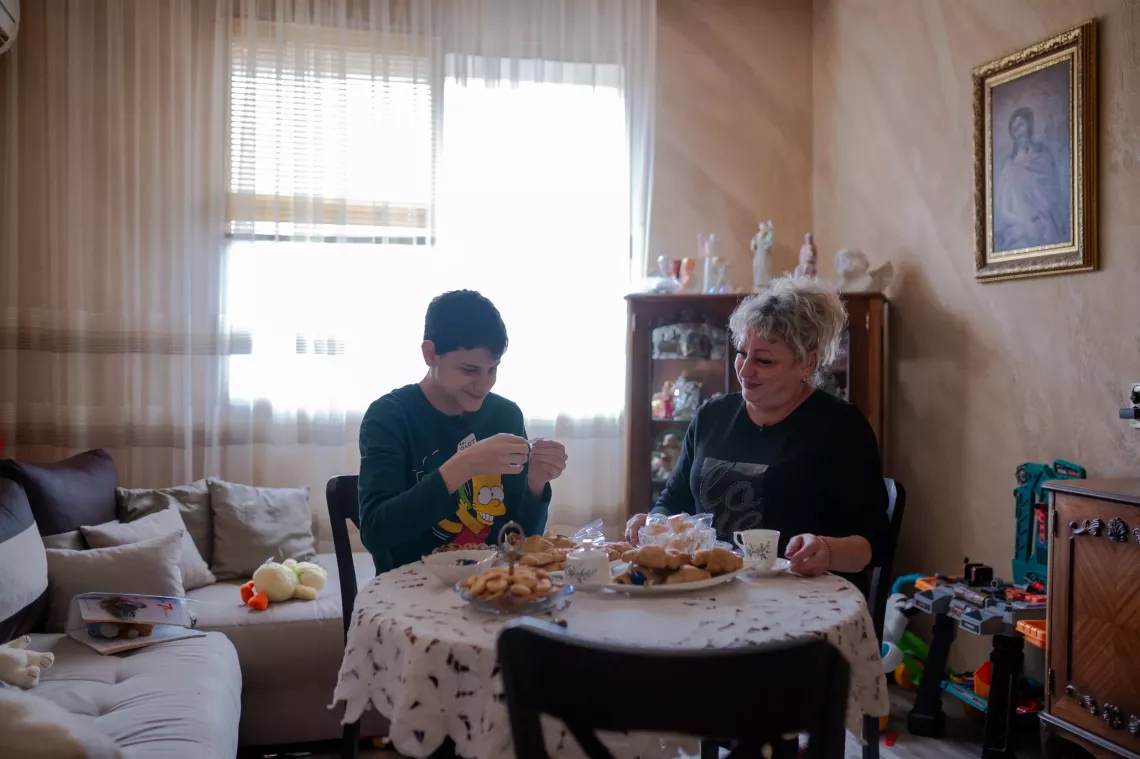
Parenting does not happen in a vacuum. It is shaped by circumstances within and beyond the home. Across the Europe and Central Asia region, parents are under pressure from many interlinked crises, from the cross-regional impact of the war in Ukraine and accelerating climate hazards to the spiraling costs of food, fuel and shelter. Some face discrimination and stigmatization. Many parents struggle to earn a living and support their families in stressful times that affect their own mental health, and they are in urgent need of support and guidance.
Many parents don’t know about the benefits of positive parenting or about the limited support that does exist. Some may be reluctant to seek support because they fear the judgmental attitudes of some service providers. Others may feel too embarrassed to admit that they need help, even when it is available. Some may even fear retribution if they seek help when they are struggling.
A UNICEF study of six countries in the region has found that existing laws and policies do not recognize that parents need several types of support as their children grow up, or that parents themselves may need help.1 While international, European and regional policies are clear – States must help parents to fulfil their parental responsibilities – few national policies in the region include such obligations. Even when policies are in place, there is no guarantee that services are available. Parenting support programmes, services and initiatives in the region are extremely limited and fragmented.
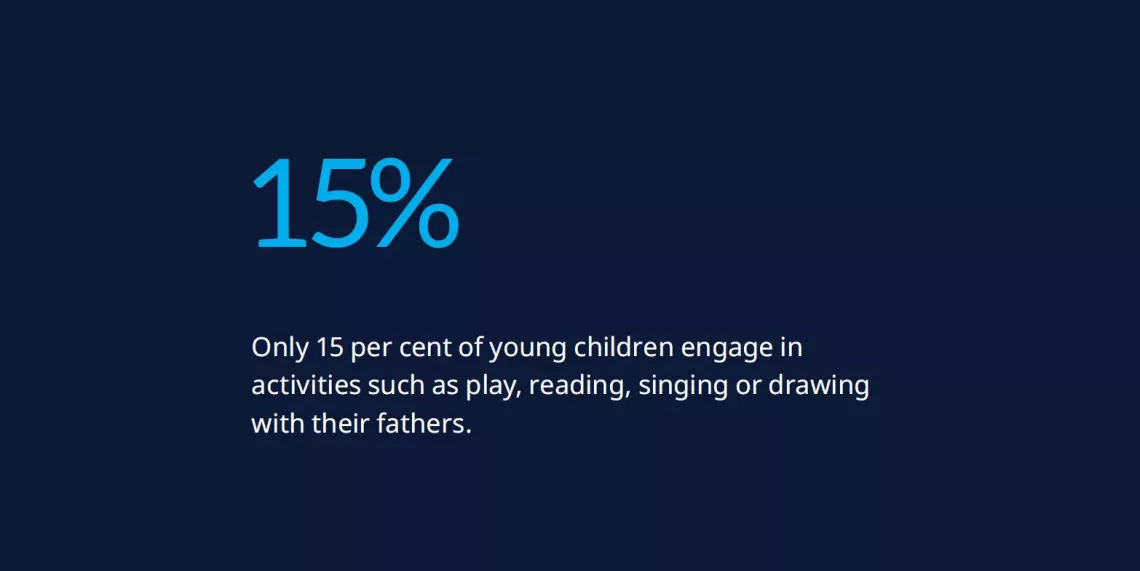
As a result, many women are out of the labour market, which undermines economic productivity and growth while increasing their economic dependence and susceptibility to poverty. Even when paternity leave is available, men may not take it as a result of their lack of knowledge, inadequate compensation, and a fear of backlash from their employers and peers.2 There is also a major gap in parenting support for fathers and male caregivers, with the few parenting programmes that are available tending to focus on mothers.3
The limited parenting support programmes that are available tend to be delivered by different sectors in different ways, which leaves gaps. They are not always integrated into the services that parents routinely
use, and opportunities are being missed to counsel parents on nurturing care through, for example, regular health check-ups.
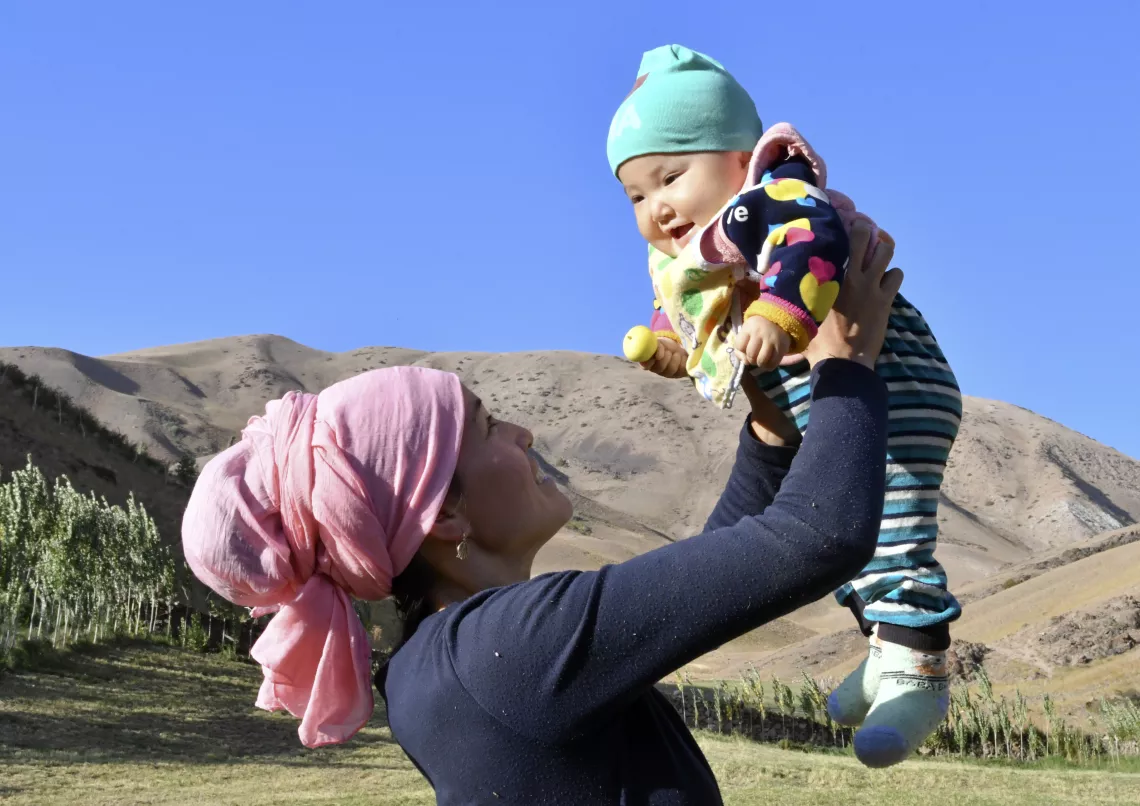
A lack of support for parenting in the early years
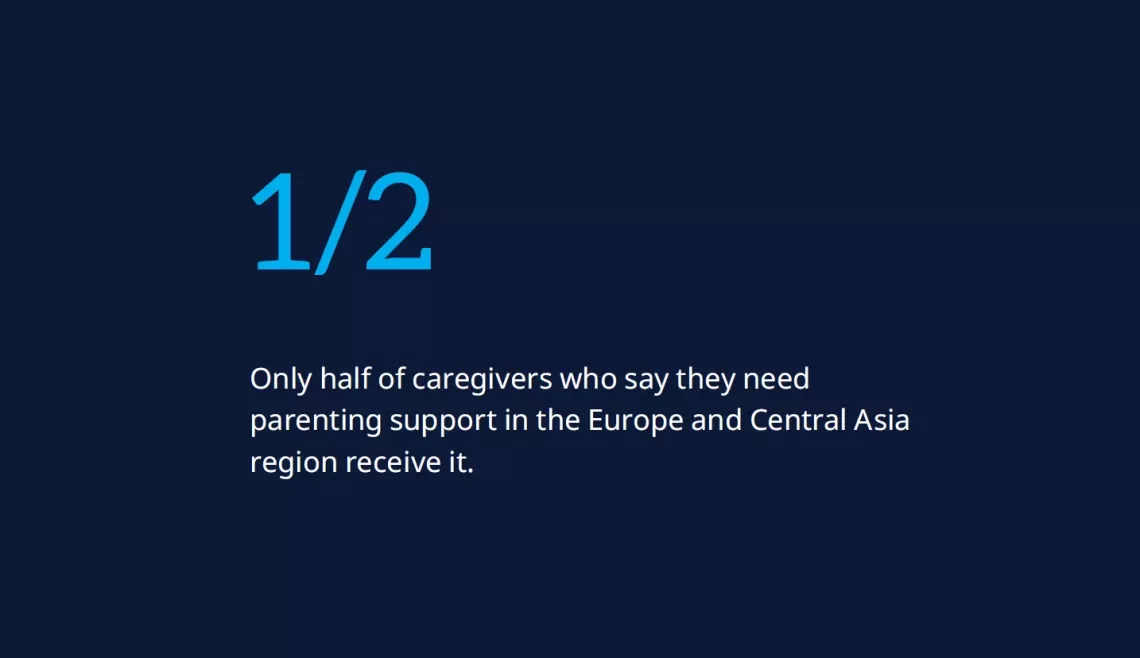
Early childhood education and care (ECEC) services are vital for children, and they also enable parents – often mothers – to return to the workforce. Yet almost 7 million children aged 3 to 6 (almost half of those in the region) are not in preschools. This can leave parents facing tough decisions as they try to balance the care of their children with the need to earn an income.
The parents of children who have complex needs that may be related to domestic violence or disability, for example, need more targeted or intensive parenting support, backed by integrated services. In reality, however, they are often left to struggle alone without any advice and support.
While the coverage of child and family benefits in the region is higher than the global average, the gaps in benefits are acute for those in greatest need, including the families of children with disabilities.
A lack of support for parenting adolescent children
There are very few parental support programmes for those caring for adolescents in the region, and they tend to focus on preventing or dealing with risky adolescent behaviour. Parents want more training in positive parenting – particularly when it comes to communicating with an adolescent. Parents who are tired and stressed want to unwind with peers and share their experiences, rather than meet service providers to answer questions and fill out forms.4
UNICEF’s work with and for parents
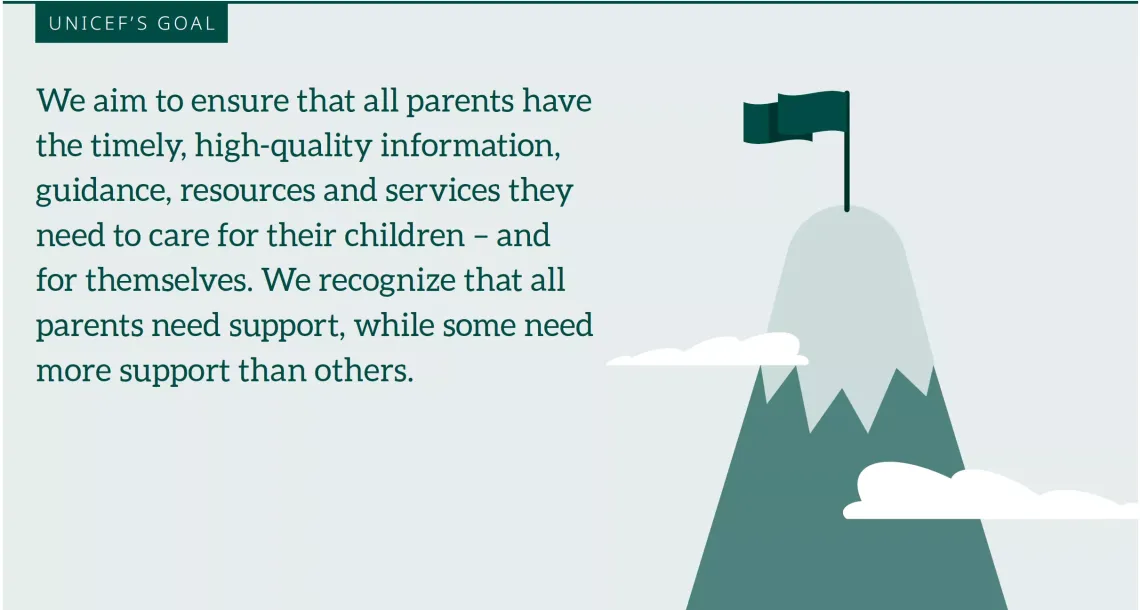
UNICEF sees parents as key partners. We know that when parents have support for their own well-being, they are more likely to provide nurturing care for their children. And our work on parenting spans the whole of childhood, from birth, throughout childhood and into adolescence.
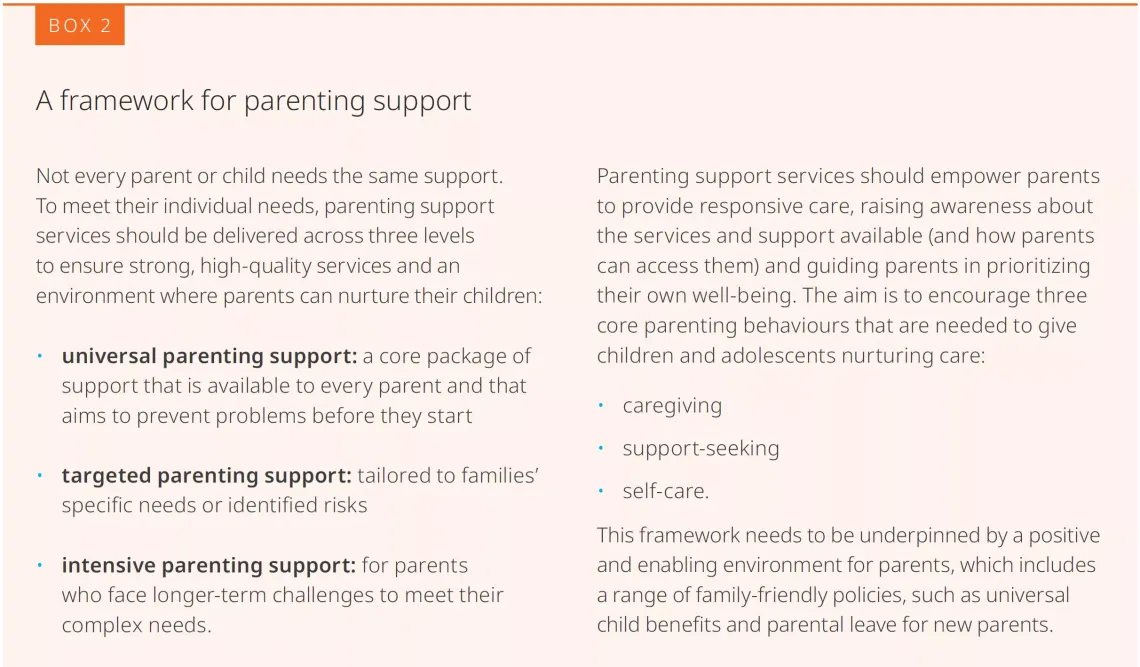
We promote universal and progressive parenting support programmes, and the better coordination and integration of support for parents across different sectors in the Europe and Central Asia region. We also work with both the public and private sector to push for and support family-friendly policies. These include paid parental leave, flexible work arrangements, support for pregnant and breastfeeding women, and full access to affordable and quality early childhood education and care. All of these policies can help to provide parents with the time, finances and services they need for their parenting role, helping to reduce their stress and enhance their well-being. This in turn, means happier families and healthier children.
We work with governments and other partners to strengthen health, education and social protection systems so that they reach all families whenever they need them. We work with health service providers, for example, to provide parental counselling and support so that parents can care for, and respond to the needs of, their children and get timely support for their own mental health.
We also support, and make the case for, shock-responsive social protection – flexible financial support that ramps up in response to shocks such as pandemics, conflicts and other crises. This can help to break the poverty cycle, so that families are not plunged into poverty each time a crisis comes along. In Montenegro, for example, UNICEF has played a key role in transforming a targeted cash grant that once reached only 10 per cent of the country's children into a Universal Child Allowance for all children, fully financed from the public budget.
We produce information to help parents discuss difficult issues with their children and adolescents, from conflict and war to climate change and bullying. And we have developed a range of tips and advice for parents on a mass of subjects, including how to create healthy digital habits, and how to raise healthy eaters.
Our support for parenting in the early years. Our Parenting Support Framework for the Early Years5 is a unified vision of multi-sectoral support for parents (from pregnancy until eight years of age), aiming to bring stakeholders together and strengthen the quality of parenting support. We work in 21 countries to strengthen or create national parenting support programmes and systems.
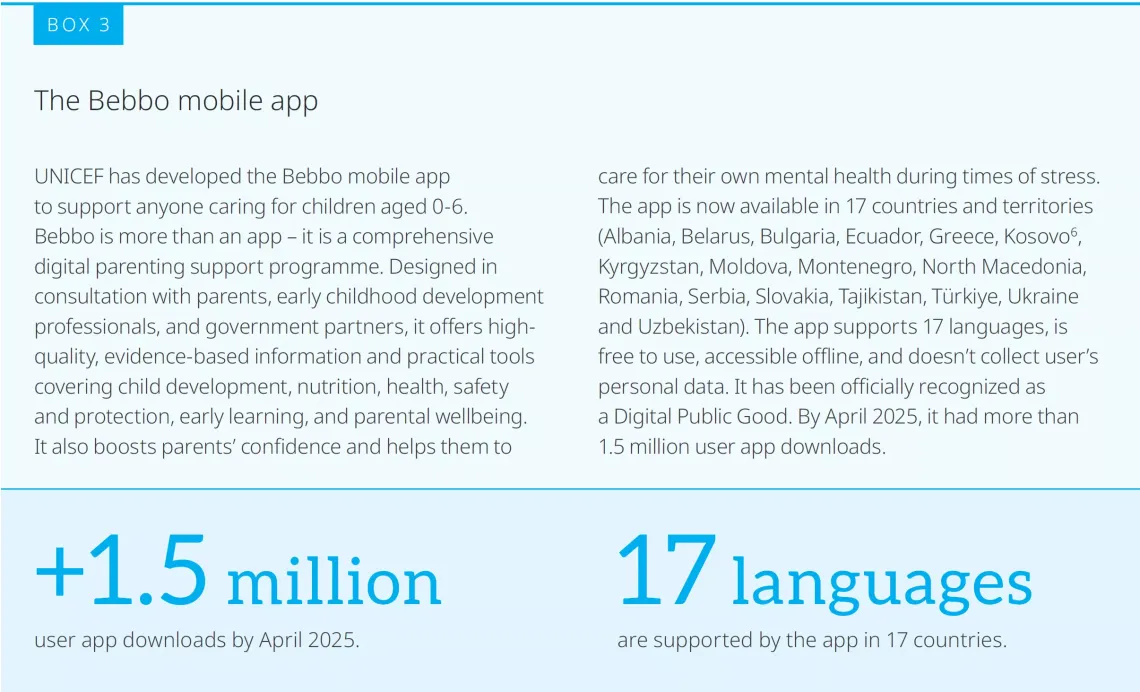
We support the Universal and Progressive Home Visiting (UPHV) approach in 17 countries across the region. This approach, based on home-visits by local nurses, provides crucial support, encouragement and information for parents with young children, helping to build trust and lasting connections between families, health systems and other services. And we have reached over 1.2 million parents with digital parenting support through the Bebbo mobile app, which provides the best available advice for the parents of young children.
Our support for parenting adolescent children includes guidance on how best to support an adolescent child, with the emphasis on positive, proactive approaches. In Tajikistan, for example, UNICEF supported ‘I Want to Talk’, a programme that worked with the parents of adolescents living with HIV and AIDS so they could support their child when disclosing their status and help them overcome the stigma in their communities.


Call to action
Our vision is an approach that translates support for parents into universal and continued support for families.
UNICEF recognizes that parents need different types of support as they raise their growing children. We call on all governments and other partners to join us in our work to ensure that tailored support is in place for parents whenever they need it, including support for their own well-being and mental health.
For parents of young children: Equip parents with the skills they need to provide nurturing care and early learning for their children and safeguard their own well-being, backed by multi-sectoral packages of support – including health, early childhood education and care and social protection.
For parents of school-age children: As children start to become more independent, ensure that parents have the information and skills to talk to them about keeping safe and staying healthy so they can help their children manage their behaviour and build their self-esteem.
For parents of adolescents: Provide care for the caregivers, including programmes that reduce parental stress and promote loving and respectful ways to care for and communicate with their adolescent child.
By recognizing the needs of parents and the complex environments in which they care for their children, we can create a nurturing world where every parent is ready and equipped to foster their child’s development and well-being.

Endnotes
- Belarus, Bulgaria, Georgia, Moldova, Montenegro
and Romania (ECARO-study-parenting-adolescents.pdf). - UNICEF, UNFPA, Expanding Choices, Austrian Development Cooperation, The Cost of Not Having Gender-Responsive Family Policies, no date.
- WHO, UNICEF, Supporting parents and caregivers: mapping and scoping review of experiences in Europe and Central Asia, 2024.
- UNICEF, Parenting Adolescents: A Regional Study on Parenting Adolescents and Parent Support Programmes in Belarus, Bulgaria, Georgia, Moldova, Montenegro and Romania, UNICEF Regional Office for Europe and Central Asia, 2018 (ECARO-study-parenting-adolescents.pdf).
- UNICEF, Parenting Support Framework for the Early Years, UNICEF Regional Office for Europe and Central Asia, 2024 (www.unicef.org/eca/reports/parenting-support-framework-early-years).
- All references to Kosovo are made in the context of UN Security Council Resolution 1244 (1999).