

Child and adolescent health and well-being strategy 2026-2030
Children and adolescents in Europe and Central Asia face unprecedented health challenges with years of progress reversing or stagnating
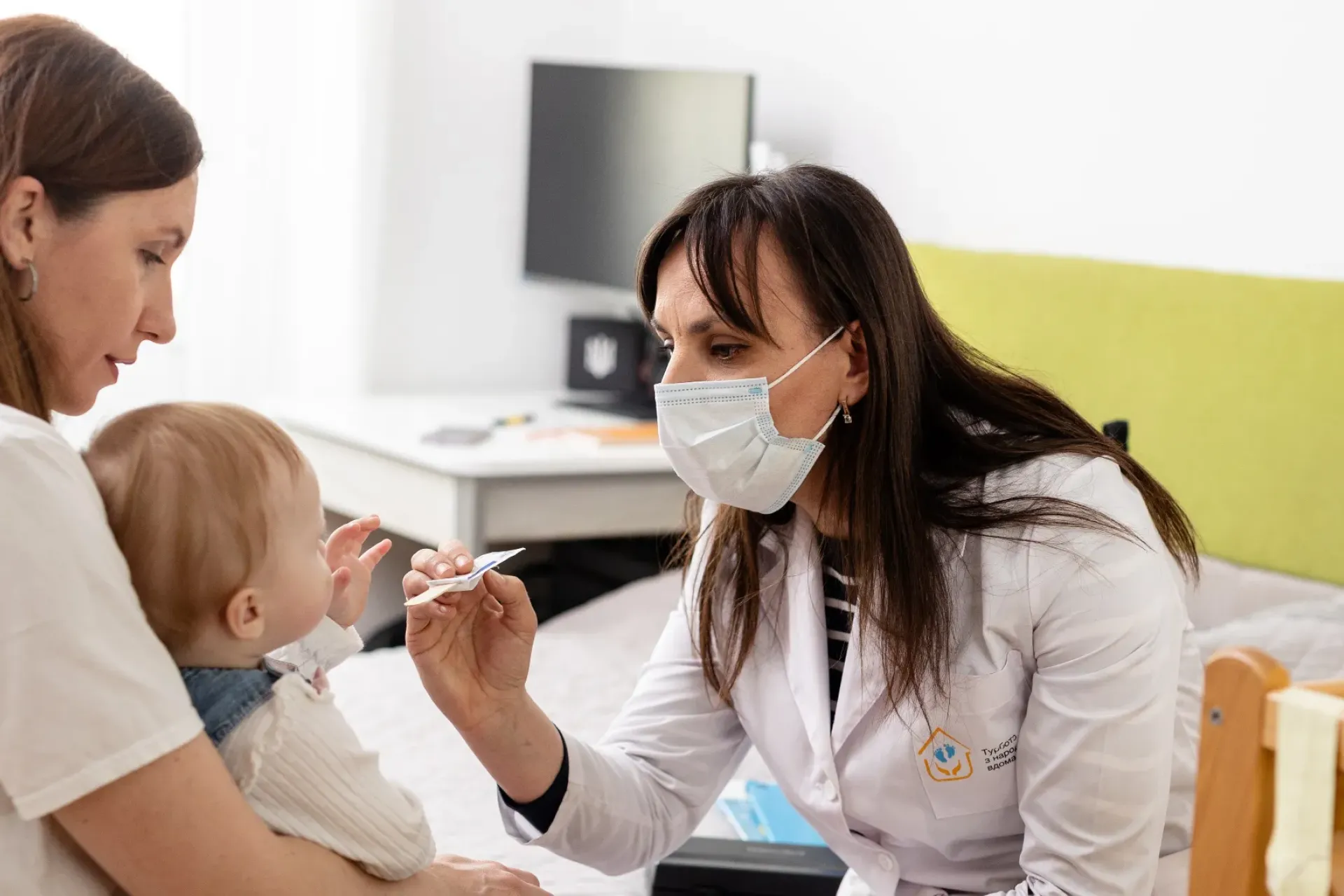
Today, children and adolescents in Europe and Central Asia are facing unprecedented health challenges. Years of progress on child mortality are reversing or stagnating. One in four children have mental health concerns. Outbreaks of infectious diseases, including measles and whooping cough, are on the rise. One in three primary school children is overweight or obese. The takeaway is clear: Europe and Central Asia is failing its children.
But there is good news. We have more knowledge, information and evidence than ever before in history on what children need to grow, thrive and develop to their fullest potential. All we need to do is put it into action.
This is the driving motivation behind the Child and adolescent health and well-being strategy 2026-2030, a joint effort by the UNICEF Europe and Central Asia Regional Office and the WHO Regional Office for Europe. Developed in consultation with young people themselves, this strategy is bold, multisectoral, transparent and measurable – with clear goals for tracking progress that will be shared on an open, regional dashboard, accessible to all. This strategy doesn’t just aim to shift metrics like child mortality or vaccination rates – although these are crucial. Rather, it transforms the trends underneath these declines by aiming to make the child health workforce more robust and protecting children and young people from harmful, aggressive marketing.
“This is more than a plan – it's a commitment. With this collective roadmap we can reverse the failures of the past and build a healthier, more equitable future for all,” says UNICEF Regional Director for Europe and Central Asia, Regina De Dominicis
The strategy has been unanimously approved by all Member States in the region, and Ministries of Health have committed to implement it. Both UNICEF and WHO will provide technical support for the strategy’s implementation and monitoring.
"Our new joint strategy is more than a plan—it's a commitment. Children and adolescents will no longer be passive recipients of policy; they are partners, co-owners of their health journey. This is a historic opportunity for countries across Europe and Central Asia to lead the world with the betterment of child and adolescent health, with WHO and UNICEF ready to support all partners along the way," says Dr Hans Henri P. Kluge, WHO Regional Director for Europe.

Factsheets

Individual country profiles
Addressing the unprecedented health challenges faced by children and adolescents throughout Europe and Central Asia, UNICEF Europe and Asia Regional Office and the World Health Organizations Regional Office for Europe jointly developing a comprehensive strategy.