

Early childhood intervention and inclusion
Early and quality support during the formative first years of life can transform the lives of children with developmental risks, delays or disabilities and set them on a path to better education, well-being, quality of life and inclusion
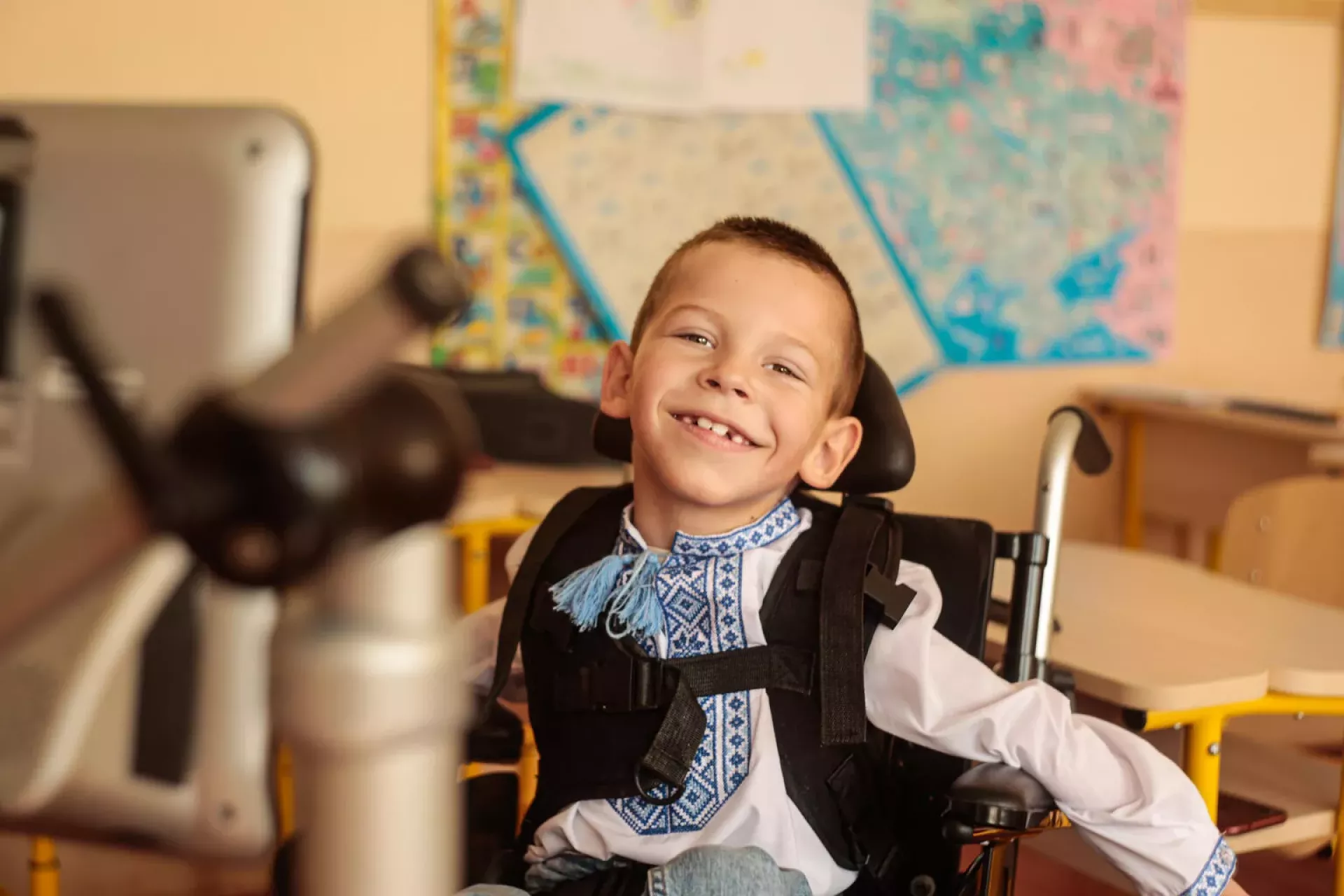
Monitoring child development, early childhood intervention and inclusion
Our goal: UNICEF strives to ensure that developmental difficulties in childhood are identified at the earliest possible moment in their lives so that every child can receive timely, appropriate and quality support for their development – supporting life-long participation and well-being.
Data from the region

More than 5 million children under the age of 5 in the Europe and Central Asia region are at risk of developmental difficulties.

Young children with disabilities are 34 per cent less likely to engage in activities such as playing, reading, singing or dancing with their caregivers than young children without disabilities.

Young children with disabilities are 25 per cent less likely to take part in early childhood education than those without disabilities.
Systems to detect developmental difficulties in children across the Europe and Central Asia region are weak, fragmented, and poorly organized. And the same holds true for the early interventions that could make a difference.
Developmental difficulties, including developmental delays and disabilities, can have a serious impact on a child’s learning, behaviour, self-care and their ability to take part in the everyday activities that are typical for children of their age. That is why it is vital to detect these difficulties at the earliest possible stage in the child’s life, and to ensure that the child has high-quality, individualized, and family-centred early childhood intervention services in the community. These services, coupled with inclusive early childhood education, can help to maximize a child’s development and learning, improve their functional skills, and foster greater independence and quality of life for the child and their family.
In Europe and Central Asia, three key challenges prevent many children with developmental difficulties and their families receiving the timely and quality support they need.
Late identification. Many developmental difficulties in young children are identified too late, and often only when children go to pre-school or primary school. Developmental monitoring is not systematic within routine health care for children, early education or care settings – a missed opportunity to support child development and address difficulties.
Underdeveloped systems for high-quality, family-centred early childhood intervention in the community. Specialists' services for children with developmental difficulties are not meeting their needs and tend to be medical, rehabilitation –based services provided in clinical settings with little focus on the child’ holistic needs and family context. A more comprehensive, family-centred approach that fosters early development as part of the child’s everyday life is only just starting to emerge across the region.
Limited access to inclusive early childhood education and care. Quality, inclusive early childhood education programmes benefit all children and enhance the development and inclusion of children with developmental difficulties. Despite the ongoing reforms in many countries in the region, most children with disabilities are not taking part in early childhood education and care services alongside their peers. Even when they are there, children with developmental difficulties may not enjoy the full benefits because of inaccessible physical environments and materials, a lack of trained professionals and persistently low expectations, stigma and negative attitudes towards children with disabilities.
Key policies
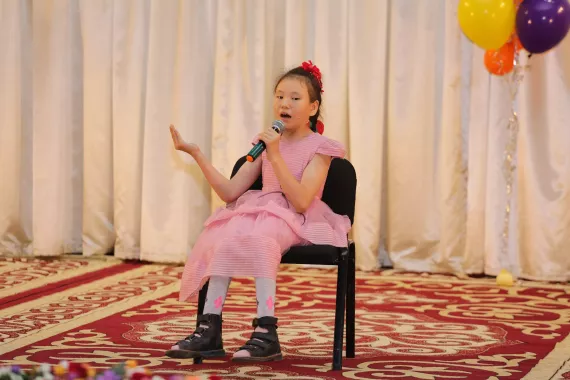
1989 UN Convention on the Rights of the Child
- Articles 2, 6 and 23
- Committee on the Rights of the Child. General Comment No. 9 (2006) The rights of children with disabilities
- Committee on the Rights of the Child. General Comment No. 7 (2005) Implementing child rights in early childhood
2016 UN Convention on the Rights of Persons with Disabilities
- Articles 7, 24, 25 and 26
- CRPD Committee, General Comment No 4 on Article 24 – the right to inclusive education (2016)
What is UNICEF doing?
UNICEF works with a wide range of partners to ensure that every child has access to the opportunities, environments and experiences they need to reach their full development during the most formative years of their life. We work together with partners including governments, civil society organizations, academics, professional associations and communities.
Improving the identification of children who need more support
We work with governments to introduce developmental monitoring as a standard practice in primary healthcare and home visiting, backed by legislation, professional standards and resources. We help to expand the skills of health workers so that they can provide developmental monitoring in a way that focuses on a child’s strengths, using tools to identify delays and provide guidance and individual counselling on nurturing care and child development. We work to ensure referrals are available to children and families so that children who are at risk or have developmental difficulties have immediate support, including specialized health care, diagnostics, assistive technologies, and community-based early childhood intervention services.
Strengthening cross-sectoral, family-centred systems
UNICEF advocates for and supports reforms that expand access to early childhood intervention for all children in need. We promote shifts in both policies and practice from medical, rehabilitation-focused services to holistic, family-centred support. Practitioners work with families to enhance their skills and use everyday activities to strengthen a child’s development and ease the impact of their developmental difficulties.
We support the development of integrated, cross-sectoral national systems that bring together the health, education and social welfare sectors to meet the unique needs of every child and family. We develop technical resources, provide policy advice to governments and build the skills of workforces across these sectors to provide early childhood intervention services.
We raise awareness of the benefits of assistive technologies in supporting the development, inclusion and participation of children with developmental difficulties, and support governments and partners to expand their use to enhance the development, inclusion and participation of children in everyday activities.
Strengthening inclusive early childhood education
We aim to ensure that every child benefits from high-quality early childhood education provisions alongside their peers. UNICEF supports governments and other partners to develop inclusive early childhood education services that integrate health, education and social support, so that every child, including those with developmental difficulties can learn, play and engage in meaningful social interactions, including in mainstream early childhood education to support their learning and participation, reduce stigma, and foster a culture of inclusion.