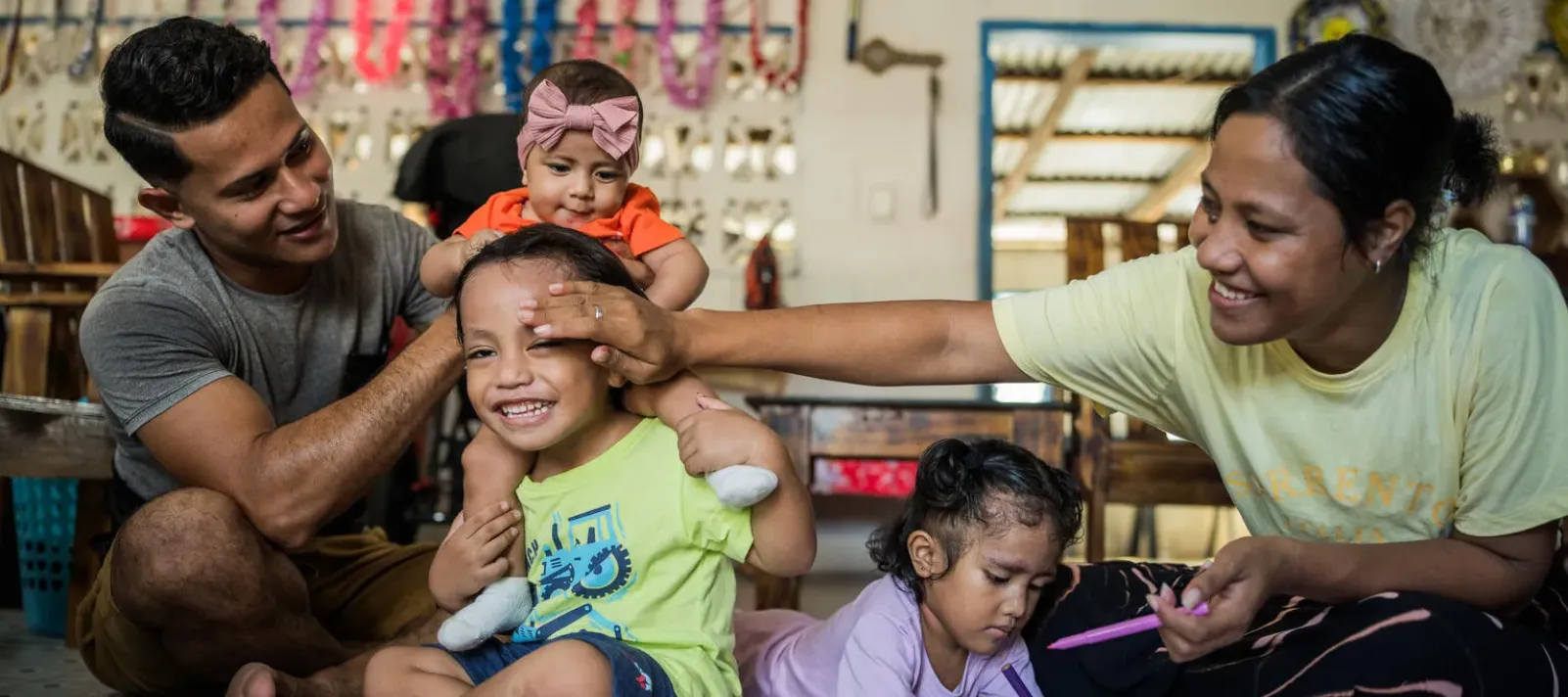
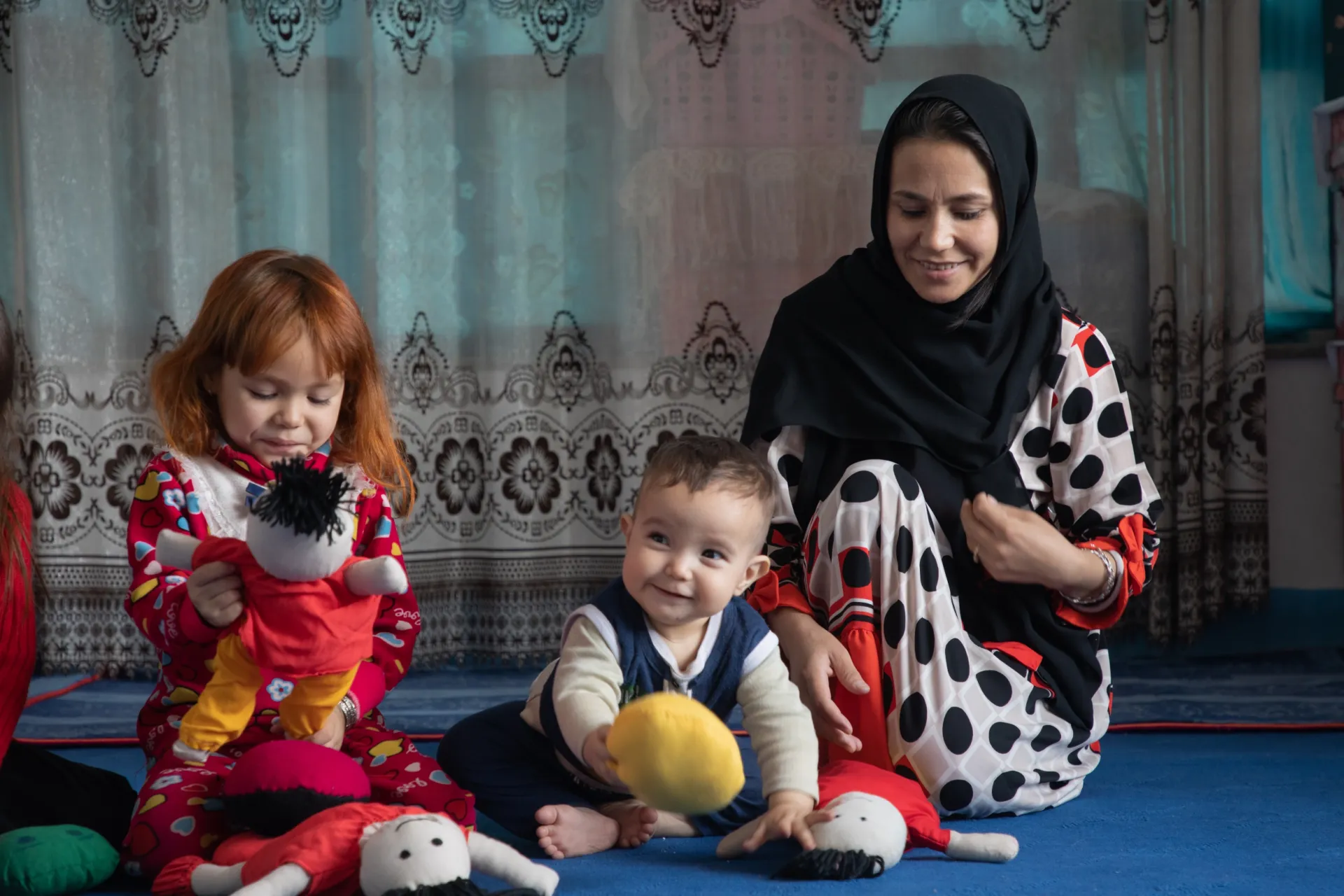
Positive parenting vs. Strict parenting
What parenting style works best for children — and how to change yours
Every parent hopes to raise children who are happy, confident, and successful.
But let’s be honest — parenting doesn’t come with a manual.
Many of us fall back on what we experienced growing up, even when we’re not sure it’s the right approach.
The good news? We don’t have to guess. Today, research offers powerful insights into what truly helps children thrive.
And the evidence is clear: Children grow best in homes where they feel safe and understood, not scared into obedience.
UNICEF experts break down what science says about raising happy, healthy children. And how you can do it with more joy and equality and less stress.
What is positive parenting?
“Positive parenting” (sometimes called “gentle parenting”) uses connection and guidance to teach children, instead of punishment and fear.
It’s about setting clear rules while also showing respect, kindness, and understanding.
Children learn best when they know why rules matter. Instead of just saying “Don’t do that” or punishing without explaining, it helps to talk about how actions have consequences.
Family rules give kids a sense of safety and help them grow confidence and skills.
Positive parenting means you:
- Show affection, spend time together, and accept your child as they are.
- Listen, take feelings seriously, and help your child express emotions safely.
- Set clear limits and discipline calmly, without shouting, hurting, or scaring.
- Treat all children equally, with the same care and expectations.
- Show patience, respect, and the behaviour you want your child to learn in your own behaviour.
Positive parenting also involves shared parenting — where mothers, fathers and other caregivers are equally responsible for children’s education. This helps children learn the value of equality by seeing it practiced in their everyday lives.
What is strict parenting?
“Strict parenting” is when parents set very high expectations for their children, have firm rules, and may use strong discipline. There’s usually little room for the child to express feelings, ask questions, make their own choices, or explore their interests.
Children are expected to follow rules without arguing, behave perfectly, and always show respect. Parents may believe that being tough helps children succeed and keeps them from making mistakes.
In some families, strict parenting may also include yelling or physical punishment, like hitting, often because parents were raised that way themselves.
Strict parenting usually comes from love and a desire to protect and guide, but it can make children feel anxious, fearful, or less confident.
It can also reinforce harmful gender roles. For example, expecting boys to “be tough” and hide their emotions, or expecting girls to be quiet, obedient, and helpful. These patterns limit children’s development and self-expression based on outdated ideas about gender.
These emotional impacts can last into adulthood, affecting how children see themselves, relate to others, and handle challenges.
What is tiger parenting?
Tiger parenting is a type of strict parenting that pushes children to excel academically, in sports, and in extra-curricular activities at all costs. Parents may watch closely and push their children to always do their best.
Tiger parenting is a parenting style especially common in some East Asian cultures (although it happens elsewhere too).
Some features of tiger parenting include:
- Very high expectations for school and extra activities like music or sports.
- Less focus on playtime or talking about feelings.
- Little room for mistakes or failure.
- A strong belief in discipline, hard work, and not giving up.
Tiger parenting can also reinforce gender expectations. For example, pushing boys to be competitive and girls to be quiet and obedient. This can make children feel like they have to act a certain way instead of being themselves.
All tiger parents are strict, but not all strict parents are tiger parents.
What are some examples of strict parenting vs. positive parenting?
Parenting looks different in every family, but the way we respond to everyday moments can shape how children feel about themselves and others.
Here are some examples of how these approaches might play out in real-life situations.
1. A child brings home a 90% on a test:
Strict parenting: The parent says, “Why not 100%?”
This overlooks effort and can make a child feel their best isn’t good enough, even when they’ve tried hard.
Positive parenting: The parent says, “Great job on your test! You worked really hard. Do you want to look at the questions you missed together to see what we can learn for next time?”
This focuses on a child’s effort, encourages learning, and builds confidence.
2. A child spills a drink:
Strict parenting: The parent yells, “You’re always so careless. You can’t have another drink until we get home,” even though the child is thirsty.
This shames the child for a simple mistake and uses punishment instead of teaching.
Positive parenting: The parent says, “It’s okay, accidents happen. Let’s clean it up together. Next time, let’s try moving a little slower.”
This teaches responsibility without shaming or blaming.
3. A child politely questions an adult:
Strict parenting: The parent responds, “Don’t question adults. That’s disrespectful.”
This discourages curiosity and open communication. Over time, this can make children less confident speaking up, even when it matters.
Positive parenting: The parent says, “I’m glad you’re asking questions. It’s okay to speak up respectfully. We all learn from each other.”
The parent also uses the opportunity to talk to the child about staying safe by saying: “If you ever feel scared or unsafe, it’s okay to speak up, even if you’re not being polite. Saying things like ‘Stop!’ or ‘Leave me alone!’ is important to keep you safe.”
This supports respectful communication and helps the child understand when it’s okay to prioritise safety over politeness.
4. A child talks back to a parent:
Strict parenting: The parent responds by telling a humiliating story about the child in front of their friends.
This can embarrass the child, hurt their self-esteem, and damage trust.
Positive parenting: The parent says, “I hear you’re upset, and it’s okay to have big feelings. But let’s find a respectful way to say what you mean.”
This models emotional regulation and respectful problem-solving.
5. A teenager wants to choose their own hobbies or career:
Strict parenting: The parent doesn’t let them and insists, “This will not give you a good career.”
This can leave the teen feeling misunderstood, powerless, and less motivated to pursue their goals.
Positive parenting: The parent helps the teenager discover and pursue new interests by saying: “I want you to have a future you enjoy. Let’s explore your interests together and talk about what you’re passionate about.”
T️his balances guidance and respect for the teen’s growing independence.
6. A parent wants to help a child with their routine
Strict parenting: The child must follow a rigid schedule — like doing homework immediately after school, no TV, and daily piano — with no flexibility or chance for the child to make suggestions.
This can leave the child feeling unheard and lead to stress or burnout, while limiting their independence and motivation.
Positive parenting: The parent helps a child plan a balanced and flexible schedule by saying: “Let’s create a routine that helps you stay on track but also gives you time to rest and do things you enjoy. What do you think would work?”
This promotes structure and supports the child’s ideas and wellbeing.
7. A child chooses clothes that don’t match gender norms
A teenage girl wants to wear loose shorts and a superhero T-shirt to a family gathering. A boy wants to wear a pink hoodie and sparkly shoes for school.
Strict parenting: The parent tells the girl, “You can’t wear that. It’s not ladylike. Put on a dress so you look nice.” The boy is told, “No way. You’re a boy, that’s for girls. Pick something more ‘normal.’”
This shames the child, limits self-expression, and sends the message that being different is wrong.
Positive parenting: The parent tells the girl, “That outfit shows off your personality. I love how confident you look.” To the boy, the parent says, “You’ve got a great sense of style. I love that you know what you like.”
This help children feel supported and safe while also challenging harmful gender stereotypes.
What are the pros and cons of the different parenting styles?
We now have decades of research from psychology and neuroscience showing which parenting approach helps children grow, thrive and succeed in life.
The answer? Positive parenting.
Evidence shows that strict parenting may lead to short-term obedience but comes at a cost. Children raised with strict rules, yelling, shame, or physical punishment are more likely to develop anxiety, low self-worth, or aggressive behaviour.
Repeated exposure to this kind of stress — what experts call “toxic stress”— has been linked to long-term risks, including depression, substance use, and even heart disease.
What’s more, violence in the family may make other forms of violence more likely to happen to a child, whether from peers, partners, or strangers. It may also make them less likely to report abuse or speak up, even when something serious happens, because they’ve learned not to expect protection or to fear being blamed.
As they grow, this can make it harder to build healthy, trusting relationships. Instead of feeling safe, they carry fear and confusion into the world, often staying silent when they most need support.
On the other hand, positive parenting is linked to higher self-esteem, better academic outcomes, and better mental and physical health in the long term.
We’re not saying that children don’t need structure. They do! However, when rules are balanced with kindness and open communication, they learn to be responsible while also feeling safe and supported.
Research shows that teenagers raised with a positive parenting approach are:
- Less likely to engage in risky sexual behaviour, start smoking or using drugs.
- Less likely to suffer from depression or attempt suicide.
- Less likely to get in trouble with the law.
- More likely to eat well, stay active, and succeed in school.
- More likely to have higher self-esteem.
In fact, another study from New Zealand found that what truly shapes a child’s future health, success and happiness isn’t IQ, behaviour, or how much money their family has — it’s their self-control.
This landmark study has followed over 1,000 children over 50 years and found something powerful: the strongest predictor of future success was a child's ability to understand and manage their emotions, thoughts and behaviour — part of their emotional intelligence.
Emotional intelligence is your child’s ability to understand their feelings and deal with them in a healthy way. It helps them cope with stress, talk about their emotions, and get along with others.
Emotional intelligence is one of the most important life skills children can learn.
And the good news? It’s a skill that can be taught with positive parenting.
How can I start positive parenting?
Positive parenting starts with building a loving, respectful connection with your child.
Here are some easy ways to begin:
- Show affection often. Let your child feel loved through your words, hugs, and time together.
- Spend one-on-one time together. Start with 20 minutes a day of focused time playing, talking, or having fun while doing chores together (like singing a silly song). Turn your TV and phone off and focus just on your child.
- Praise the good. Notice and praise your child’s positive actions, even small ones. Children thrive on praise. It helps them feel loved and motivates good behaviour.
- Set clear expectations. Instead of saying “Be good,” try saying, “Please put your toys in the box.” Make rules simple and realistic for their age and what they are capable of.
- Challenge Gender Stereotypes. Encourage all children to explore different toys, activities, and roles — regardless of gender. Support boys in being caring and girls in being confident leaders.
- Model the behaviour you want to see. Children learn by watching you — when you stay calm and kind, they’re more likely to do the same.
- Redirect with care. If your child is acting out, gently distract them with a different activity before things escalate.
- Use non-violent consequences. Explain what will happen if a rule is broken and follow through without anger. Praise them if they make the right choice.
- Give them a chance to do the right thing. Before acting on a consequence, clearly explain what needs to change. For example, “Please stop drawing on the wall or playtime will end.” This gives them a moment to adjust and succeed.
- Support emotional expression. Create a safe space for all children to express their feelings. Let boys know it’s okay to cry and girls that their opinions matter. Avoid phrases like “boys don’t cry” or “act like a lady.”
- Involve them in the rules. Let your child help create simple family rules and consequences. This gives them a sense of responsibility and respect.
- Meet them at their level, physically and emotionally. For younger children, sit or kneel to make eye contact when talking. This shows respect, helps them feel heard, and builds connection. For older children and teenagers, don't treat them like small children, empower them to take on new responsibilities, to help build their skills.
Remember: you don’t have to be perfect. Positive parenting is about connection, not control — and every small step you take makes a big difference.