Child protection
Keeping children safe from violence, exploitation, abuse and neglect
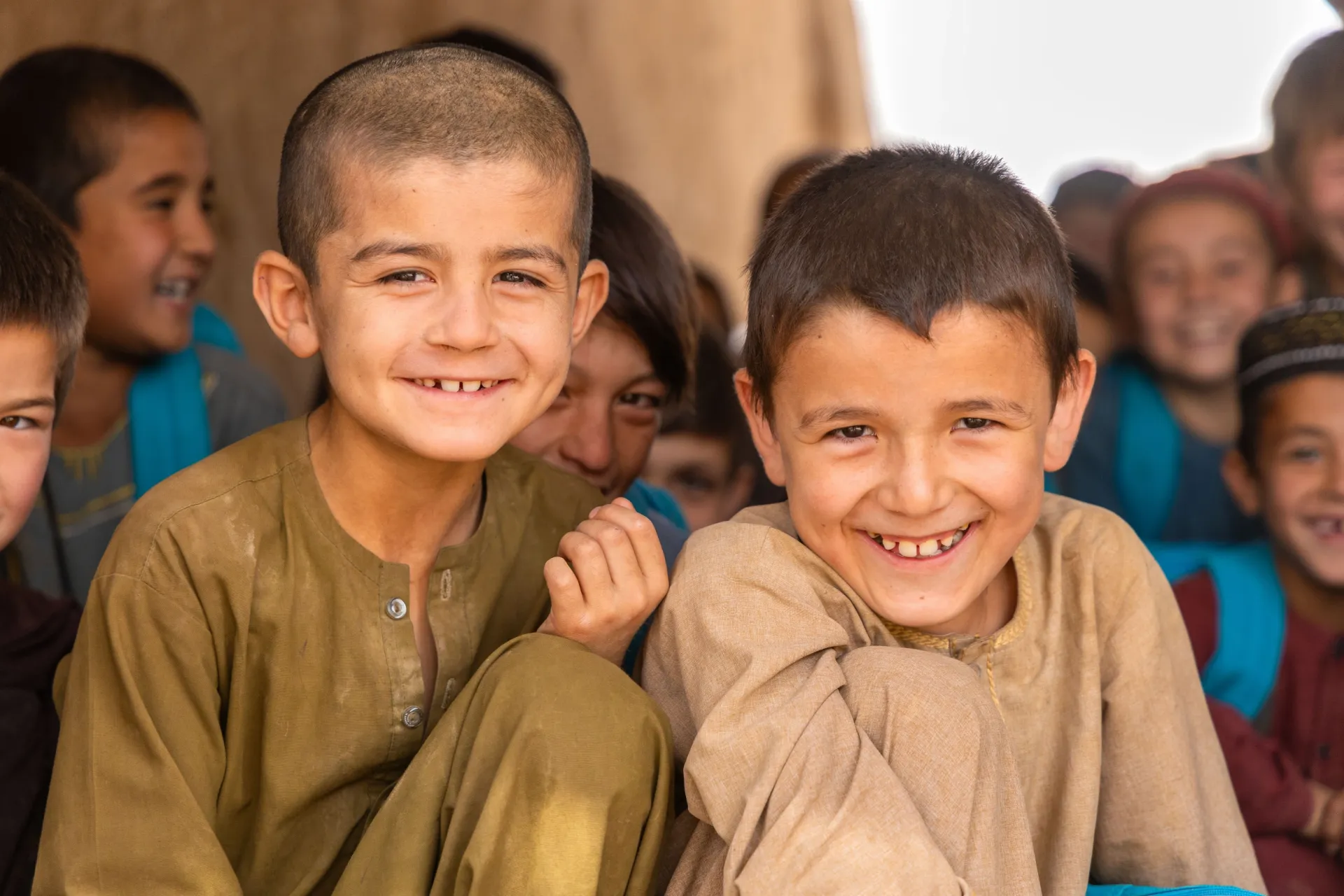
The challenge in Asia and the Pacific
Every child has the right to be protected from violence, abuse, exploitation, neglect and harmful practices.
Yet millions of children across Asia and the Pacific experience violence and harmful practices - often in the very places where they are meant to feel safe. This can have lifelong consequences for their health, safety, self-worth and development.
Violence against children

Violence against children, whether physical, sexual or emotional, happens in every setting. Children can experience violence in their homes, schools, communities, places of detention and online, often at the very hands of those entrusted to care for them. Violent discipline at home remains widespread in the region, with nearly 9 in 10 children in Bangladesh, 8 in 10 children in Nepal and 7 in 10 in Afghanistan reporting experiences of violent discipline.
Women and girls across the region continue to experience high levels of sexual and physical violence, trafficking and exploitation, often without access to safe or confidential reporting and support services. One in three girls in Oceania and nearly 9 per cent of girls in Asia have experienced sexual violence in childhood, with survivors often carrying trauma into adulthood. Tech-facilitated sexual violence against children is also sharply increasing. Female genital mutilation remains a serious concern, with an estimated 80 million girls and women in Asia having undergone the practice.
Child marriage

Child marriage remains a serious concern across this region, robbing girls and boys of their childhood, crushing their hopes and their futures.
Child marriage is defined as a formal marriage or informal union before the age of 18. Informal unions, where a child lives with a partner as if they are married, is a common practice in parts of Southeast Asia. Girls who marry before 18 are more likely to experience domestic violence, drop out of school and face adolescent pregnancy, limiting their – and their families’ - opportunities for economic advancement.
One in five women in the region was married or in a union before age 18.
Despite earlier gains, progress on ending child marriage in Asia and the Pacific has stalled, leaving millions of girls at risk of child marriage and its lifelong consequences.
Birth registration

A child who is not registered at birth is invisible.
Right now, 1 in 5 children under the age of 5 in East Asia and Pacific do not officially exist on paper - their births are not registered.
Without this legal proof of identity, children are left uncounted and unprotected. Without it, a child may not be able to enroll in school, receive healthcare and benefit from child grants. With it, children can prove their age and be legally protected from child labour and child marriage. Birth registration as proof of age also helps ensure that children are treated as children - and not adults - within the legal system.
Child labour and exploitation

Child labour has a devastating impact on children. It compromises children’s education, limits their rights and future opportunities, and puts them at risk of physical and mental harm.
Children are considered to be engaged in child labour when they are either too young to work, work for long hours, or are involved in hazardous activities likely to harm their health, safety or morale. While boys are more likely than girls to be involved in child labour at every age, unpaid household chores - often amounting to 21 hours or more per week - are overwhelmingly carried out by girls.
In recent years, Asia and the Pacific has achieved significant reductions in child labour. Between 2020 and 2025, the child labour rate in the region dropped from 6 per cent to 3 per cent.
Yet millions of children in the region continue to toil in domestic work, factories, fields, fisheries and brick, leather and mining industries - often doing hazardous work to survive.
In its most insidious forms, child labour can amount to slavery or practices similar to slavery, including the sale and trafficking of children. In some places, children may be forcibly recruited into armed conflict, used in the production and trafficking of drugs, or coerced into prostitution
Children with disabilities

Almost half of the world’s children with disabilities live in Asia and the Pacific.
Many of these 108 million children are living in a world not designed for them. In most countries across the region, children with disabilities are significantly less likely to attend early childhood education programmes, more likely to miss out on schooling at all levels, and face greater risks of inadequate nutrition and violence. In the majority of countries with available data, children with disabilities are more likely to experience severe physical punishment from caregivers than children without disabilities.
Migration
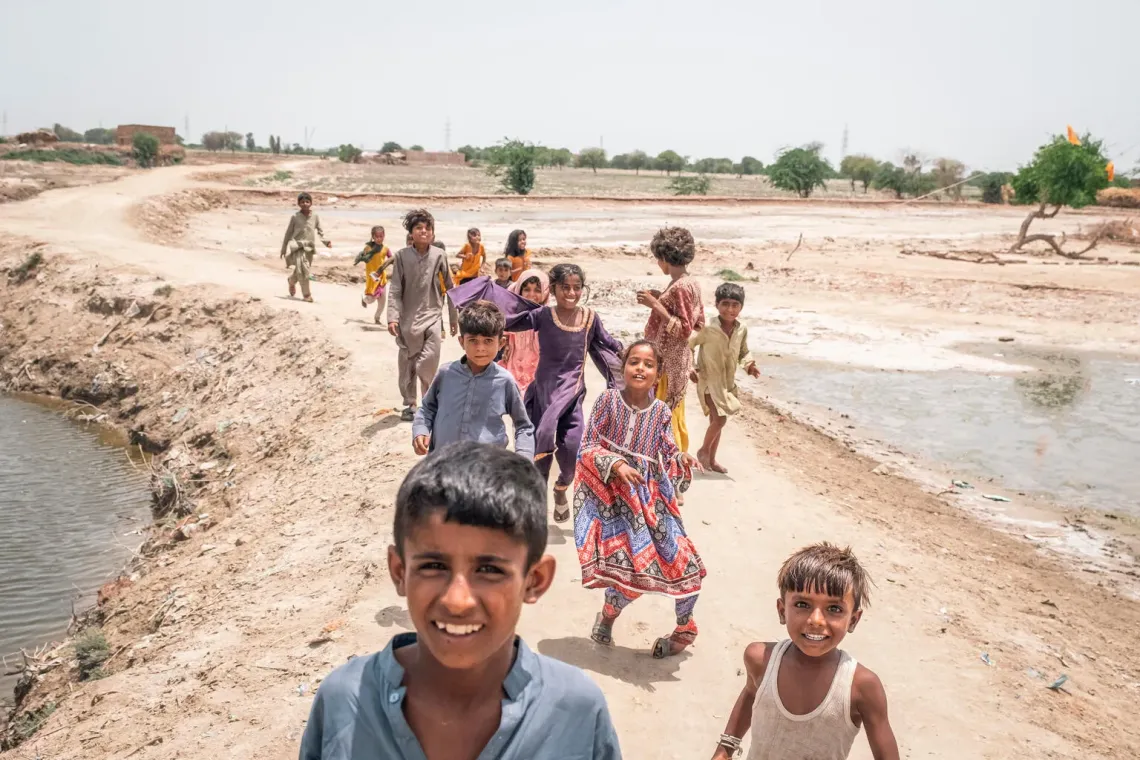
Two out of five international child migrants were born in Asia – more than any other region in the world.
Many of these children are driven from their homes by conflict, poverty or climate change. Conflict-induced displacement has reached record levels in Asia and the Pacific, and the region also accounts for more than half of the world's disaster-induced displacements.
Some children leave, alone or with family members, in hopes of finding a better life. Other children are left behind by parents seeking better opportunities, leaving them vulnerable to inadequate care and protection.
Far too many encounter danger, detention and discrimination along the way. This is especially the case when children are moving outside of safe and legal pathways, and are vulnerable to exploitation by smugglers and traffickers; when migrating children are denied access to services and legal recognition by host governments; and when children’s rights are violated in the context of immigration control.
Justice for children
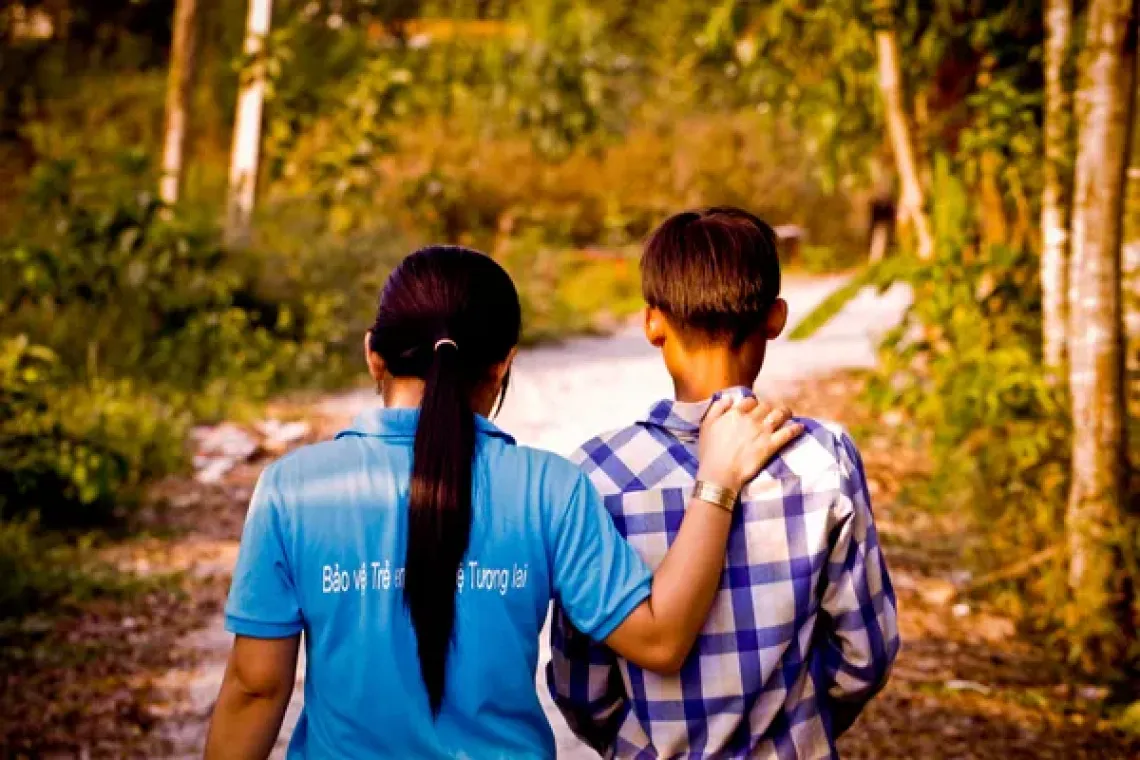
Every child has the right to justice and fair treatment when they come into contact with the legal system, whether as a victim, a witness, or a child accused of an offence.
South Asia has the world’s largest number of children in detention, with around 111,000 children currently held, while East Asia and the Pacific has seen notable declines in both the rate and number of children in detention.
Child victims and witnesses of crime are often re-victimized by justice systems that are not adapted to their rights and needs. Professionals, including the police, prosecutors and judges, often lack specialized training in dealing with child victims and witnesses. Child victims' access to justice is often impeded by lack of knowledge about their rights, legal costs, and dependence on adults to bring rights violations to justice.
The UN Committee on the Rights of the Child's General Comment 26 affirms children's right to a clean, healthy and sustainable environment, holding states accountable for environmental harm within and beyond their borders, including future violations caused by today's inaction.
Yet the climate crisis is also a protection crisis. Disasters trigger displacement, family separation and violence, while protection systems remain excluded from climate investments, and children who speak out can face harassment or intimidation. For children, climate-related loss of land, life, livelihoods or cultural heritage represent some of the greatest intergenerational injustices they face - yet justice systems are rarely able to meet their needs, and children may not be able to claim remedies or give evidence in court.
What we are doing
UNICEF works with partners to strengthen child protection systems so that they are inclusive of all children and effective in preventing and responding to violence in all settings, including development and humanitarian contexts.
We partner with governments to strengthen legal and policy frameworks to protect children and promote their rights. We support governance and coordination structures to ensure collaboration on child protection across the social welfare, justice, health,
education and social protection sectors. We support a continuum of child protection services, ensuring that these services operate with quality standards, oversight mechanisms, child participation and community engagement, and are delivered by an adequately resourced and well-trained child protection workforce. And we also support governments to collect data and monitor child protection violations to shape evidence-based policies and services.
We work with children, adolescents, parents, community and religious leaders, and private sector partners to strengthen child protection systems and address harmful social norms and practices, especially those affecting girls, children with disabilities and other marginalized groups. Through our Reimagine Justice approach, we work with governments to make justice systems more accessible, child-friendly and rights-based, so that every child can seek protection and claim their rights. We are also working to integrate child protection into climate action and expand children’s access to justice and remedies.
And when crisis strikes, UNICEF mobilizes resources to provide protection to children, caregivers and women affected by armed conflict, natural hazards, climate disasters, forced displacement, and public health emergencies.
What's still at stake
While great progress has been made in the region, child protection efforts are vulnerable to economic shocks, conflict and recurring climate disasters. In many countries, protection for vulnerable children is gaining traction but remains fragile and susceptible to social and cultural challenges.
Further, research has found that even when legal frameworks and social services are technically in place, they can be ineffective due to lack of enforcement and insufficient resources. Those conditions will only improve with the application of political will and social pressure.
Maintaining progress and meeting new challenges around child protection is not possible without our public, philanthropic and corporate partners.
What's still at stake for children in Asia Pacific
Work with UNICEF to make a difference
Resources
- Child protection data – UNICEF Data
- Child protection global outlook – UNICEF Office of Strategy and Evidence (OSE) - Innocenti
- Social and behaviour change – UNICEF OSE - Innocenti
- Profiles of child marriage in East Asia and South Asia – UNICEF Data
- Legal Empowerment on Climate and Environmental Justice
- Child protection technical expertise – Knowledge@UNICEF