Economic and social policy
Every child deserves a fair chance in life
The challenge | What we're doing | What’s still at stake
When a child grows up in poverty, the consequences follow them for life.
A childhood in poverty leads to weaker health, less education, fewer opportunities and a greater risk of passing the same hardship on to their own children.
Smart economic and social policies can help reduce child poverty faster. Equitable social spending, support for youth livelihoods and social protection - from cash transfers and health insurance to school subsidies and child benefits - can break that cycle. They improve children’s access to social services, keep children in school, put nutritious food on the table and ensure families can access the care they need.
The benefits extend far beyond the child. Healthier, better-educated children become more productive adults, strengthening the economies and societies they grow up in. Across Asia and the Pacific, these programmes are making a difference. But they are not yet reaching every child who needs them.
The challenge in Asia and the Pacific
Asia and the Pacific has made significant progress in reducing poverty, increasing social sector spending and expanding social protection. But progress has been uneven. The region is one of the most economically diverse regions in the world, where rapid economic growth has transformed parts of the region while leaving others behind. Large informal economies mean that many families cannot access social services, fall entirely outside formal safety nets, and existing social protection systems are often too fragmented to reach the children who need them most.
Child poverty
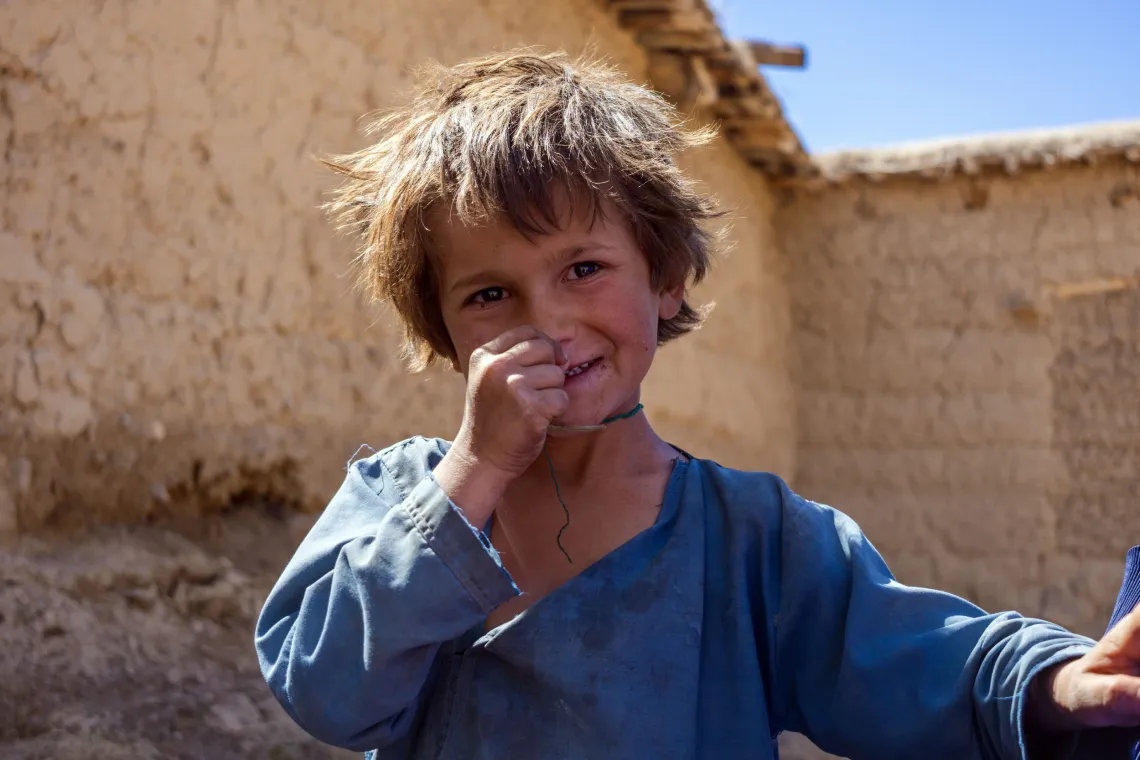
More than 100 million children in Asia and the Pacific are stunted, not immunised, and deprived of quality education and other essential services. These children live in the region’s poorest households, predominantly in South Asia.
The region has some of the world’s highest rates of children missing out on at least two basic necessities, such as education, health, housing, nutrition, sanitation and water. South Asia and sub-Saharan Africa together account for almost nine out of ten children living in extreme monetary poverty globally, meaning they live on less than US$2.15 a day.
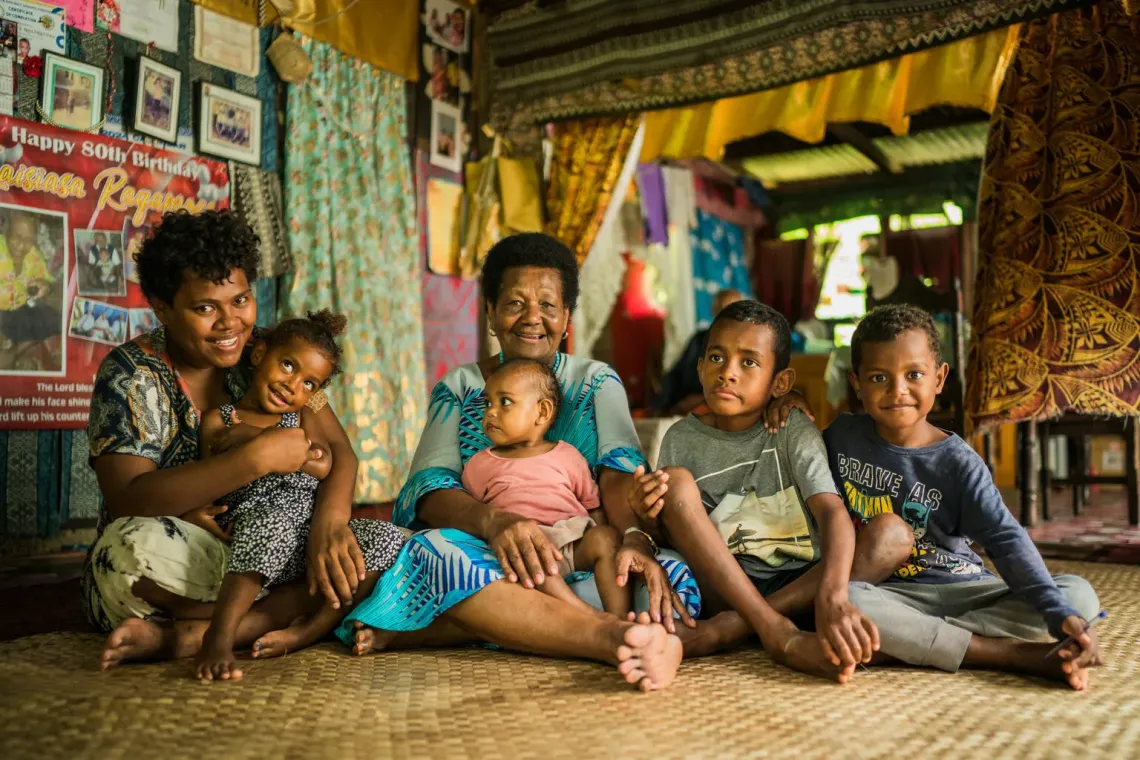
The inequity extends well beyond South Asia. In Fiji, more than one in four children live in multidimensional poverty, missing out on essentials such as nutritious food, safe housing, clean water, education and healthcare.
Social protection coverage
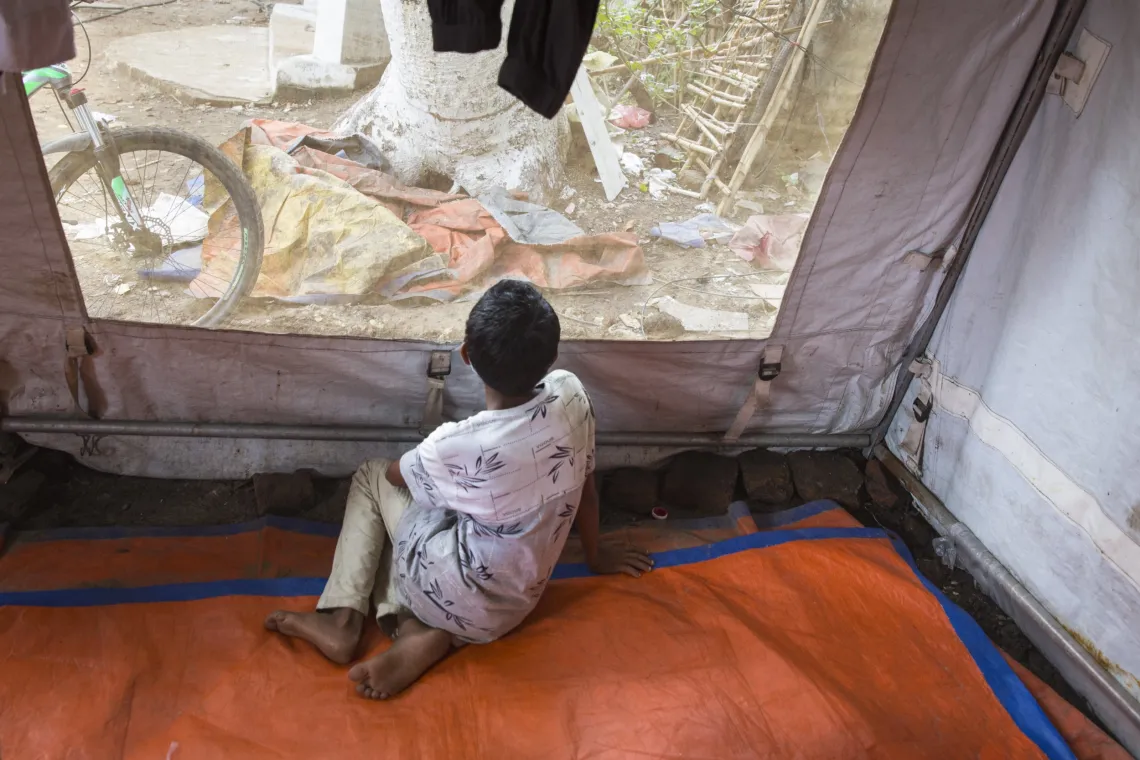
Across Asia and the Pacific, only three in ten children are covered by any form of social protection. Families who live in hard-to-reach places, or who are affected by conflict, violence or natural disasters, often miss out on cash transfer programmes and other critical services. Children with disabilities are also more likely than their peers to be excluded from social protection.
Child benefits coverage in the region has steadily increased, reaching 24.3 per cent in South Asia and 16 per cent in East Asia and the Pacific in 2023.
Public finance for children
Government budgets are among the most powerful tools for upholding children’s rights and wellbeing. Yet public resources too often fail to reach the children who need them most. When funding is insufficient, poorly targeted or inefficiently used, all children — especially the most disadvantaged — risk losing access to the services and programmes they need to survive and thrive.
Evidence shows that investing public funds in children benefits not only children, but also their communities and entire countries. When governments prioritize children, health improves, incomes rise, economies grow and societies become more cohesive.
Across the world’s developing countries, 45 now spend more on debt interest than on health, and 22 spend more on interest than on education. Asia and Oceania bear the largest share of this burden. In small island economies in the Pacific, limited domestic revenue, reliance on external financing and rising debt are squeezing public spending on children.
Youth livelihoods and economic opportunities
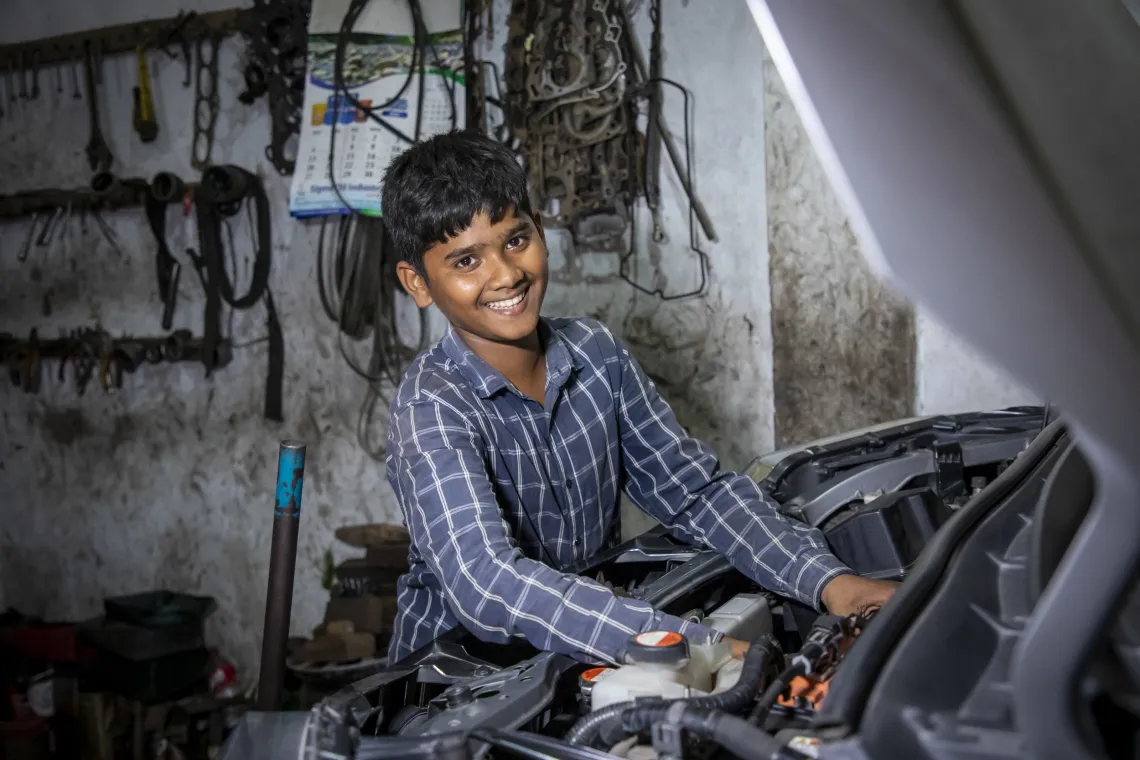
Adolescence and youth are critical years for building skills, confidence and independence. Economic opportunities in young adulthood help youth support themselves and their families, reducing risks such as child labour, early marriage and exploitation while building resilience and inclusion.
Yet many young people in Asia and the Pacific struggle to find safe, meaningful work. Poverty, limited access to education and training, gender discrimination, disability, displacement and economic shocks make it harder to secure decent jobs or build livelihoods. In South Asia, nearly one in three young people are not in employment, education or training. In East Asia and the Pacific, 160 million young people are in the same situation, three quarters of whom are adolescent girls and young women.
Many young people in the region leave school without the practical experience, financial support or networks needed to find work or start a business. Too often, they enter low-paid, insecure or informal jobs, especially girls and women. Those affected by conflict, crises or climate disasters face even greater barriers.
Meanwhile, rapid changes in technology, climate and labour markets are reshaping the skills young people need to succeed. Although four in five young people across East Asia and the Pacific want to work in the green economy, only one in eight has a green skill.
What we’re doing
Our work is guided by the Convention on the Rights of the Child, the Sustainable Development Goals and UNICEF’s Strategic Plan, which all call for better use of public funds.
UNICEF works with governments across the region to strengthen public financial management at national and local levels, so every child — especially those most vulnerable to poverty and exclusion — has a fair chance in life. We support countries with evidence, policies, financing and programmes to prioritize ending child poverty.
We help strengthen social protection systems so they can respond to shocks and reach children and families in both stable times and crises, including through child benefits and cash transfers.
At the local level, UNICEF works with local governments and other stakeholders to strengthen service delivery, ensure accountability and put children's needs at the centre. Amid rapid urbanization, Child-Friendly Cities initiatives place children and youth at the very heart of urban planning.
We also work with partners to expand economic opportunities for adolescents and young people, helping them move from education to decent work through policy reform and investment in skills, social protection and inclusive labour markets.
And in the world’s most disaster-prone region, UNICEF provides emergency cash assistance so families can meet basic needs when disasters strike, often paired with other services in a “cash plus” approach that helps strengthen resilience in fragile and humanitarian contexts.
EU-UNICEF Public Finance Facility
In 2019, the European Union and UNICEF launched the Public Finance Facility for South and Southeast Asia to help countries make better use of public social sector budgets for children. The first phase supported Cambodia, Lao PDR, Myanmar, Bangladesh, Nepal, Pakistan and Sri Lanka. A second phase, launched in 2024, builds on this work in Bangladesh, Bhutan, Mongolia, Nepal, the Philippines, Sri Lanka, Thailand and Viet Nam.
The facility is already delivering results. In Mongolia, cost analyses helped the Ministry of Finance allocate an additional 133.5 billion MNT, about US$38 million, in the 2025 state budget to improve school nutrition programmes nationwide. In Bangladesh, it enabled the first comprehensive dialogue among government officials, parliamentarians and civil society on child-focused budget allocations, strengthening awareness and advocacy for children in national budgets.
What’s still at stake
The progress Asia and the Pacific has made in reducing child poverty, protecting child budgets and expanding social protection is real. But it is fragile, and the forces threatening to reverse it are growing.
Conflict, climate and environmental crises, demographic shifts, mounting national debt and widening technological divides are compounding poverty across low- and middle-income countries. Unprecedented cuts to Official Development Assistance and global geopolitical instability risk deepening child deprivation in low- and middle-income countries.
In this uncertain context, where the most vulnerable children and families are at even higher risk of being left behind, the right priorities, policies and programmes are even more important. Equitable social spending, social protection and child benefits are particularly critical measures – to provide lifelines to families, ensure they can afford better nourishment, health, education and protection, and ultimately reduce child poverty.
Every child has the right to grow up free from poverty. Fulfilling that right requires political will, sustained investment and social protection systems that reach every child.
What’s at stake for children in Asia Pacific
Work with UNICEF to make a difference
Resources
- State of the World's Children Report 2025 – Ending child poverty: Our shared imperative
- Measuring child poverty – UNICEF Data
- The future of social protection: Adapting to a world in flux – UNICEF Office of Strategic Evaluation - Innocenti
- Social Protection in East Asia and the Pacific: From evidence to action for children
- Universal Child Benefits: Transforming the lives of children across South Asia
- EU-UNICEF Public Finance Fund
- Economic and social policy technical expertise – Knowledge@UNICEF