Breastfeeding: things to do and things to avoid
Tips to help breastfeeding parents
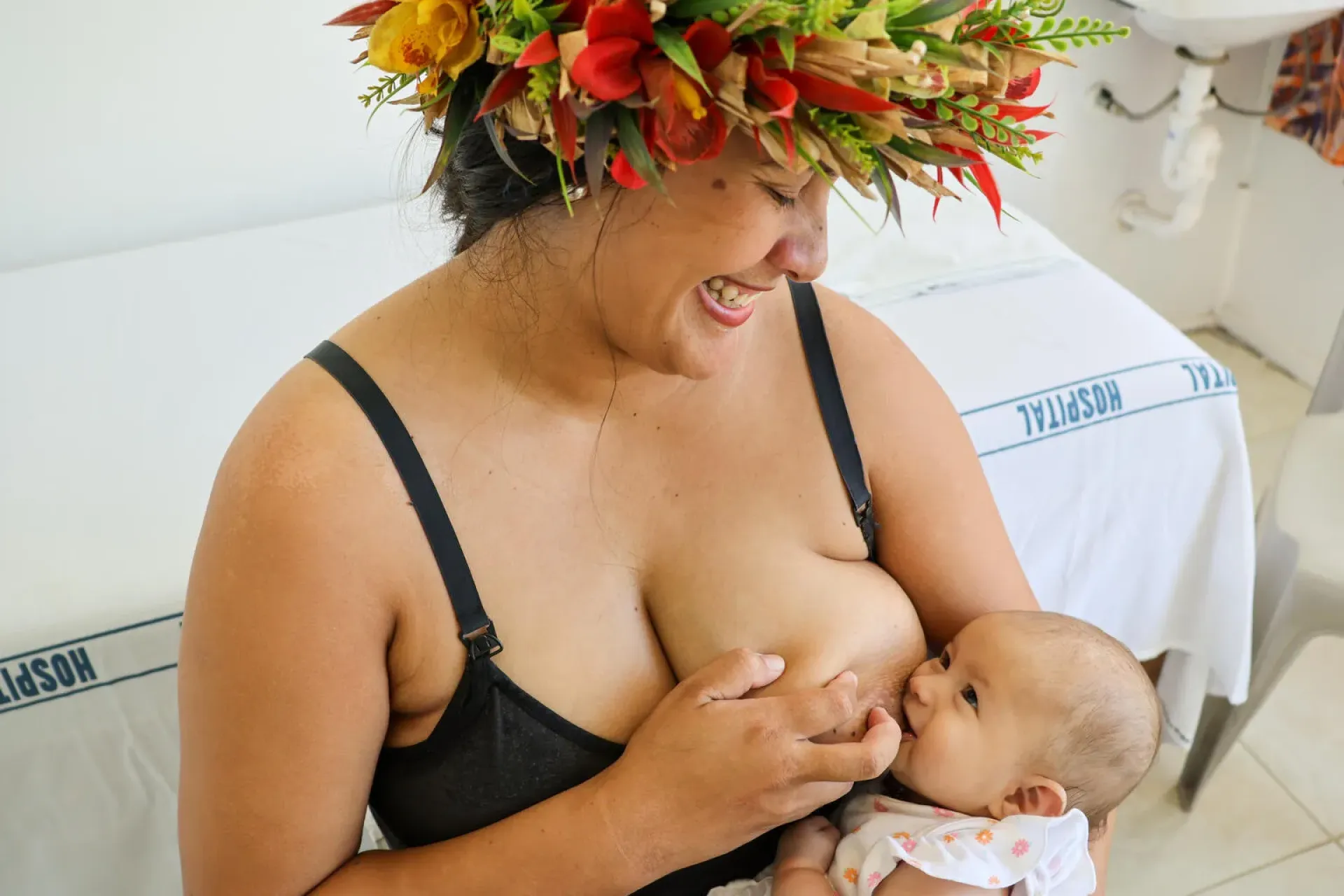
Breastfeeding is one of the most natural things, but that doesn’t mean it comes naturally, for both mothers and their babies.
It takes time and practice. And every mother’s breastfeeding story is different.
But there is one consistent thread throughout each of these stories: they are giving their babies the healthiest start to life.
Breastmilk gives babies the nutrition, energy and immunity they need to grow up strong, healthy and smart.
Our UNICEF experts from Asia Pacific have put together a quick list of tips to help new parents breastfeed their little one:
Do: Breastfeed in the first hour after birth
Whether you give birth at a health centre, hospital or at home, breastfeeding your new baby within the first hour of life increases your chances of success with breastfeeding. Even a delay of a few hours can make breastfeeding more difficult to establish.
As soon as your baby is born (and even just before) your body produces your baby’s “first milk”, called colostrum. It’s thick, often golden, and comes in small amounts, but is packed with powerful antibodies, and is exactly what your newborn needs in those first hours and days, while their immune system is still developing.
Breast milk acts like a first vaccine, helping to protect your baby against harmful diseases.
Newborns are born with strong feeding reflexes and are usually ready to learn to feed at the breast. Holding your baby in skin-to-skin contact right after birth helps you bond, keeps them warm and exposes them to good bacteria from your skin, which supports their developing immune system. Early feeds, together with skin-to-skin contact, support your baby’s immunity and help breastfeeding to begin more smoothly.
If you’re not able to breastfeed right away, try not to be discouraged. Begin as soon as you can. Frequent skin-to-skin contact and putting your baby to the breast often will help breastfeeding to get going over time.
After a few days (often around day 3–4), your milk usually “comes in” and your breasts may start to feel fuller, heavy and uncomfortable. This is a normal part of your body adjusting, but it can sometimes be painful and emotionally challenging. If you’re finding things difficult or feeling worried or upset at this stage, ask for help.
Remember, support is available: If you need any help breastfeeding, talk to a qualified healthcare worker or a trusted friend or family member, like your mother or mother-in-law.
Do: Exclusively breastfeed your baby for 6 months
From the first hour of life up until they are 6 months old, your baby can get all the nutrition they need from your milk. They don't need anything else – no other foods or fluids, not even water – during this time.
Introducing foods or fluids other than breastmilk before your baby reaches 6 months can increase the risk of illnesses, such as diarrhoea, which can make your child thin and weak, and can even be life-threatening.
Parents and caregivers can start introducing soft foods – in addition to breastmilk – at 6 months and should continue feeding breastmilk for 2 years or longer.
» Learn more about choosing the right first foods for your child.
Did you know? Breastfeeding protects your baby from ear infections, diarrhoea, pneumonia and other childhood diseases.
Breastfeeding is not only good for your baby, but for mothers too! Women who breastfeed also have a reduced risk of breast and ovarian cancers.
If you are not able to breastfeed, that’s okay. Consult with your local healthcare worker to discuss the best options for you and your baby.
Do: Make sure your baby is attached well
Establishing proper attachment is the key to making sure that breastfeeding is a comfortable experience for both you and your baby.
Sore or cracked nipples are usually a sign that your baby is not properly attached at the breast when feeding. If one or both of your nipples begin to crack or bleed, visit your local healthcare centre as soon as possible. To help relieve soreness, try dabbing a bit of breastmilk onto them after you feed. Your breastmilk has incredible healing properties.
After your delivery, ask for breastfeeding support from a skilled healthcare worker to make sure your baby has good attachment and can successfully feed.
Signs of good attachment:
- A comfortable experience with no pain.
- More areola is visible above your baby’s mouth than below.
- Your baby’s mouth is wide open.
- Their lower lip is turned out.
- Their chin is touching or nearly touching your breast.
» Learn more: Common breastfeeding positions
Do: Breastfeed on demand
Your baby’s needs are constantly changing and so are their hunger patterns. Be attentive and breastfeed your baby whenever they show signs of being hungry.
If you can breastfeed with no problems, breastfeed your baby as often as they want, throughout the day and night. Try not to limit yourself to a feeding schedule. Let your baby decide when they want to feed and for how long.
This is known as responsive feeding. It helps to make sure your baby is getting enough milk while stimulating your milk production at the same time, based on your baby’s needs.
If breastfeeding is painful, your nipples are damaged, or you’re feeling overwhelmed with breastfeeding “perfectly,” remember that your wellbeing matters too. You may need to pause to let your nipples heal, get help with your baby’s latch, or express milk for a while. This doesn’t mean you’ve failed. It means you’re looking after both yourself and your baby.
Reach out to your midwife, health visitor or a breastfeeding support service if you’re struggling; you don’t have to cope with pain, guilt or frustration on your own.
Do: Keep you baby awake while breastfeeding
It’s natural for your baby to fall asleep while breastfeeding, especially in the first few weeks of life.
If your little one keeps dozing off, it could impact the amount of milk they are getting.
Keeping your baby awake while breastfeeding is an important way to make sure they are getting enough food. It can also help your baby develop good sleeping habits and discourage them from associating feeding with sleeping.
Ways to keep your baby awake while breastfeeding:
- Gently touch their feet or hands.
- Change breastfeeding positions or switch breasts as soon as they fall asleep.
- Sing or talk to your baby to keep them engaged.
Do: Stay hydrated and drink plenty of water
Your body loses a lot of liquids when breastfeeding.
That’s why it’s important to increase the amount of water you are drinking to stay properly hydrated. This will also help your body to produce milk.
It’s recommended to drink 8-10 glasses of water a day. While water is the best for your body, you can also drink milk and fresh fruit juices.
» Learn more: What to eat before, during and after pregnancy
Do: Express your breastmilk
You may not always be able to breastfeed your baby.
Expressing your breastmilk – milk that is pumped with a hand or device – is safe and is a great way to collect and store your milk, so that you can feed your baby when needed.
If you are away from your baby, for example, if you have gone back to work, expressing can also help to maintain your milk production.
You can feed your baby the expressed milk using a cup or spoon, but do not use a feeding bottle.
Things to remember while expressing:
- Always wash your hands before expressing.
- Express in a clean container and cover it with a lid.
- Expressed milk can be kept at room temperature for 4-6 hours and in a refrigerator for 24 hours.
Tip: Avoid using bottles and pacifiers while you are still breastfeeding. While pacifiers are great for soothing your baby, they can also encourage your baby to wean off breastfeeding too early.
Do: Support breastfeeding mothers
Breastfeeding isn’t a one-person job. Breastfeeding mothers need the support from their partner, their family, healthcare workers, employers and their entire community.
At home, you can help by playing an active role in caring for the baby, including changing their diapers and bathing the baby. Take on household chores like cleaning and cooking, and offer to help out where you can.
Make sure you regularly check in with her. Ask how she’s feeling and if she needs anything.
A little help goes a long way. And a supportive family and environment can truly make all the difference.