Health and nutrition
Every child has the right to survive and thrive
The challenge | What we're doing | What’s still at stake
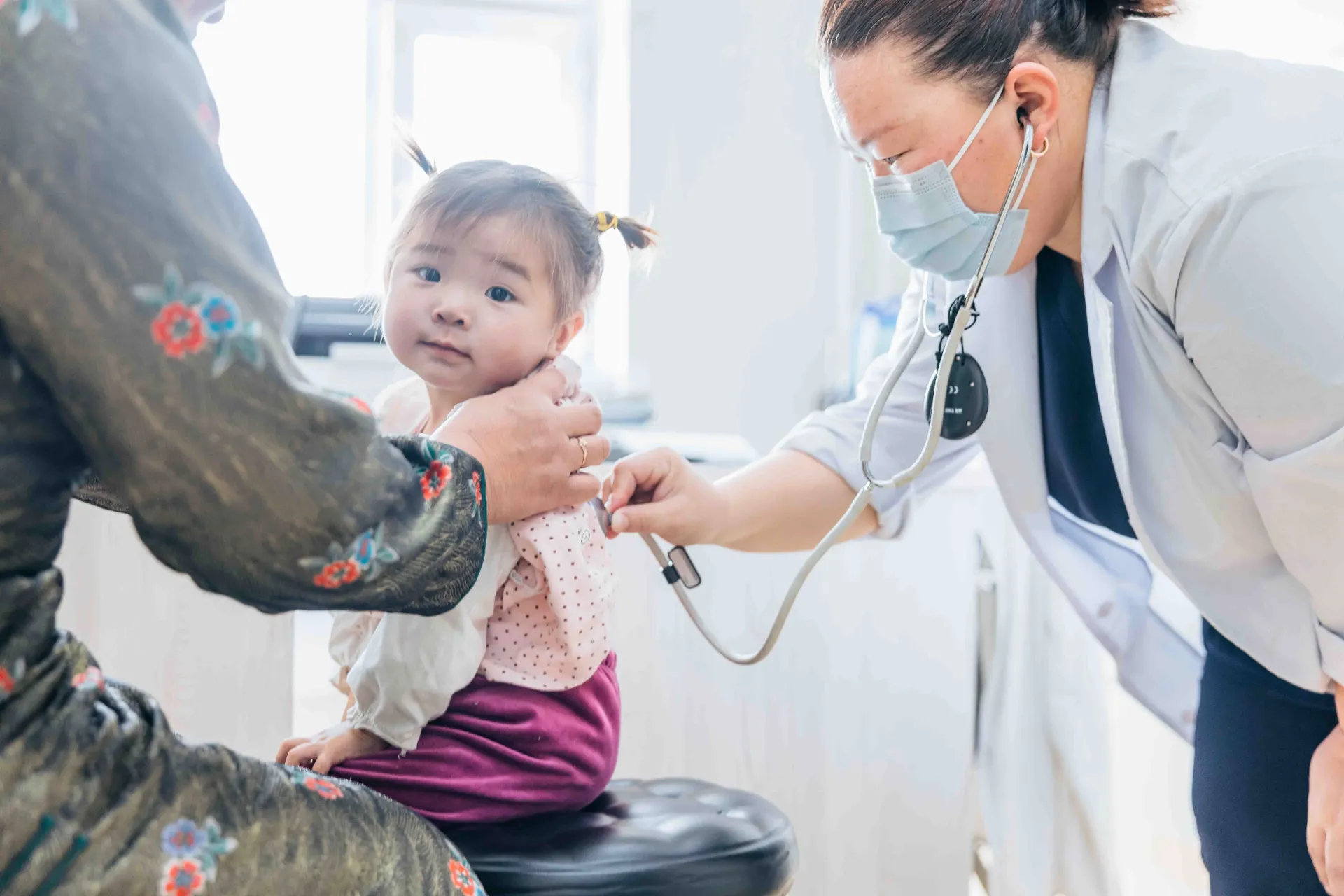
Good health and nutrition are the foundation of every child's life.
They determine whether a child survives their first days of life, whether they grow strong enough to learn, and whether they can reach their full potential.
Asia and the Pacific has made extraordinary strides in child survival. Child mortality has fallen by 63 per cent since 2000, more children are surviving their first month of life than ever before, and stunting among children under five has declined by 36 per cent. Yet across the region, far too many children are still dying from preventable diseases and suffering from wasting, micronutrient deficiency or overweight. And millions of children and mothers remain unable to access the care they need and deserve.
The challenge in Asia and the Pacific
While children in Asia and the Pacific are healthier than ever before, progress has been uneven - and for the most vulnerable children, the gap between the care they need and the care they receive remains wide.
Maternal and newborn health

The most dangerous time in a child's life is its very first day. Each year, around one million newborn deaths occur in Asia and the Pacific, the vast majority in South Asia. Many of these mothers give birth without a skilled birth attendant, far from a clinic, with no emergency care within reach if something goes wrong.
Seventy per cent of newborn deaths could be prevented with simple and inexpensive interventions. What is needed is health systems that reach every mother, every newborn and every infant.
Immunization
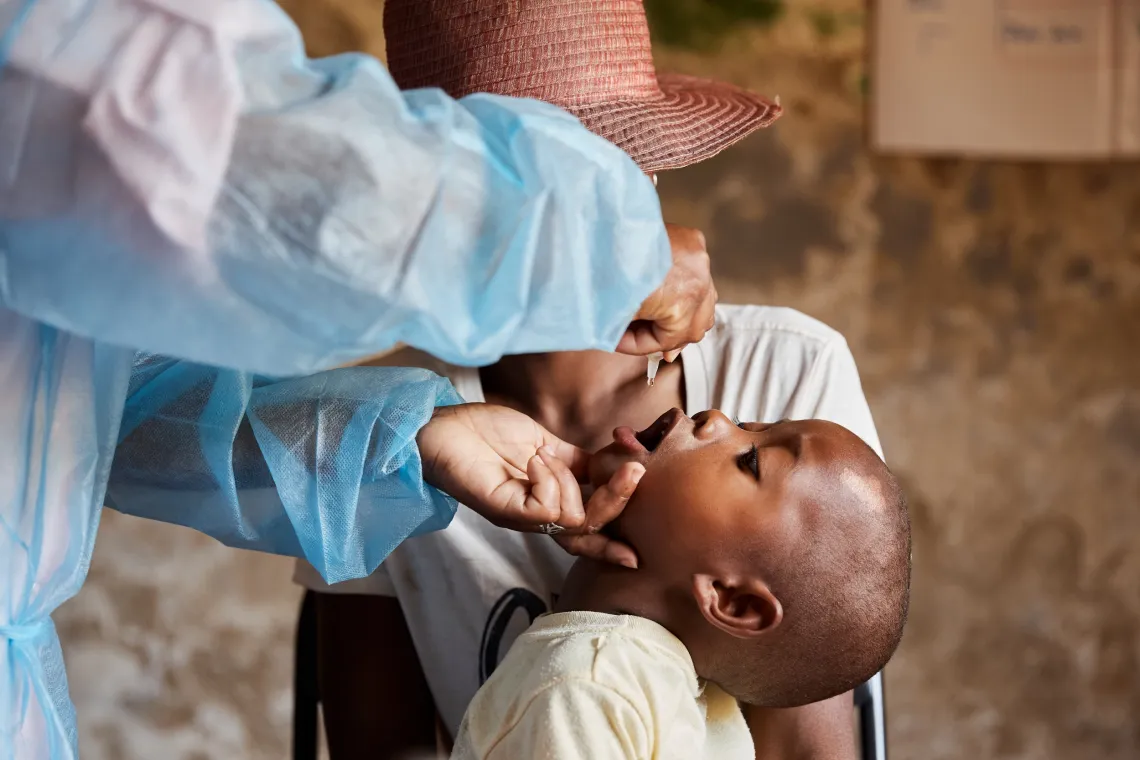
Vaccines are among the most powerful and cost-effective tools for keeping children alive and helping them thrive.
Across the region, countries have largely reversed the declines caused by the COVID-19 pandemic, with notable gains in immunization coverage between 2021 and 2024. Despite this progress, an estimated 3.7 million children in Asia and the Pacific did not receive a single vaccine in 2024 – accounting for roughly a quarter of the world's zero-dose children, many of them in India, Indonesia and Afghanistan.
Years of sustained investment and the dedication of frontline health workers have delivered strong results. Yet gains are fragile. The most poor and marginalized children – including those in remote, rural areas, urban poor communities, and conflict zones - continue to be the least likely to get them. Vaccine-preventable diseases are making a dangerous comeback in the region, with measles leading the resurgence. Polio outbreaks in Papua New Guinea, Indonesia and Lao PDR have all triggered emergency responses, while Pakistan and Afghanistan remain the only two countries where wild poliovirus is still endemic.
Nutrition
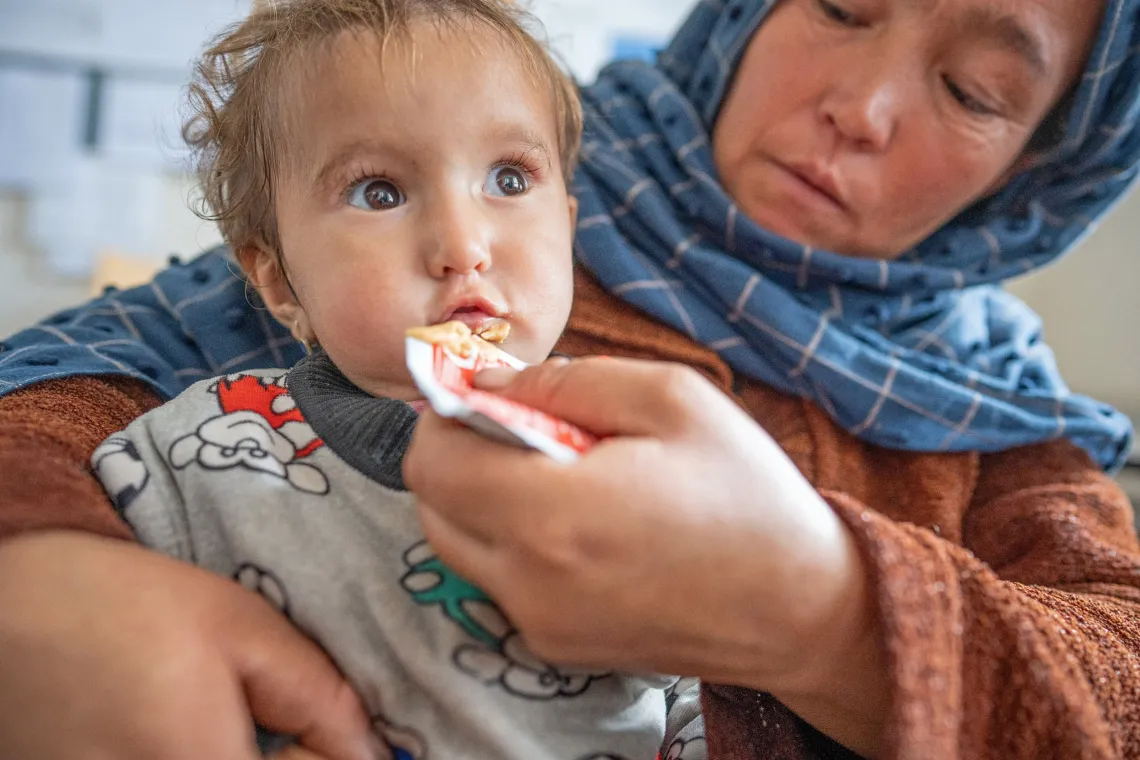
Across Asia and the Pacific, the forms of child malnutrition are changing. Children may be wasted, underweight, stunted, lack essential vitamins and minerals, or be overweight. At times, these forms of malnutrition overlap - driven by poverty, poor maternal and child health and nutrition, inadequate diets, and changing food environments.
A baby's nutrition begins with its mother. Undernutrition and anaemia among women in the region remain stubbornly high, particularly in South Asia, where it affects nearly half of all adolescent girls and women. Anaemia during pregnancy poses a risk to both mother and baby and is a major cause of low birth weight, pre-term birth, wasting and developmental delays for children.
Meanwhile, fewer than one in two children in Asia and the Pacific benefits from early initiation of breastfeeding — a critical practice that supports newborn survival and gives babies a safe, clean and accessible food source uniquely adapted to their needs.
Among children under five, a total of 71 million children in Asia and the Pacific are stunted (too short for their age), while 30 million are wasted, their bodies too thin to fight off illness or adequately grow. South Asia remains the region with the highest prevalence of child wasting worldwide, while in East Asia and the Pacific, one in every two young children is not getting the essential vitamins and minerals their growing body needs.
In parallel, overweight and obesity among children and adolescents in the region are soaring, putting more and more children at risk of diabetes and other non-communicable diseases. In South Asia, childhood overweight and obesity has increased fivefold since 2000, while East Asia and the Pacific is now home to the largest number of children and adolescents living with overweight in the world, with over 113 million now affected. Aggressive marketing, misleading labelling, and the flood of unhealthy ultra-processed foods – including packaged foods marketed for very young children – are increasingly driving this new crisis for children's health and nutrition.
Mental health

Mental health is one of the most neglected areas of child health in Asia and the Pacific - and one of the most urgent. It is estimated that 1 in 7 boys and 1 in 9 girls aged 10 to 19 in East Asia and the Pacific have a mental health condition, and suicide is a leading cause of death among adolescents in the region. South Asia carries the highest numbers of adolescents with mental disorders of any region in the world. Meanwhile, in the Pacific,displacement and climate anxiety are worsening already high levels of psychosocial distress among children and young people.
The majority of mental health conditions arise before the age of 14. Yet across the region, services remain scarce, underfunded and deeply stigmatised, leaving millions of children and adolescents to carry the weight of their struggles alone.
What we're doing
UNICEF works to give every child the healthiest possible start in life and to keep them healthy as they grow.
We partner with governments to strengthen primary health care systems, ensuring mothers and newborns receive skilled care during pregnancy and at birth, that infants are breastfed and vaccinated, that the malnourished are identified and treated, and that mental health and other non-communicable disease services for children and caregivers are integrated into health services at community and tertiary level.
Digital tools are already making a difference. Across the region, UNICEF supports governments in scaling up digital health interventions, ensuring that frontline health workers use digital tools and infrastructure to deliver services faster, more accurately and to more children, including those in the hardest-to-reach places. In the Philippines, a UNICEF-supported real-time vaccination monitoring system enabled seven million children to be vaccinated within just six weeks.
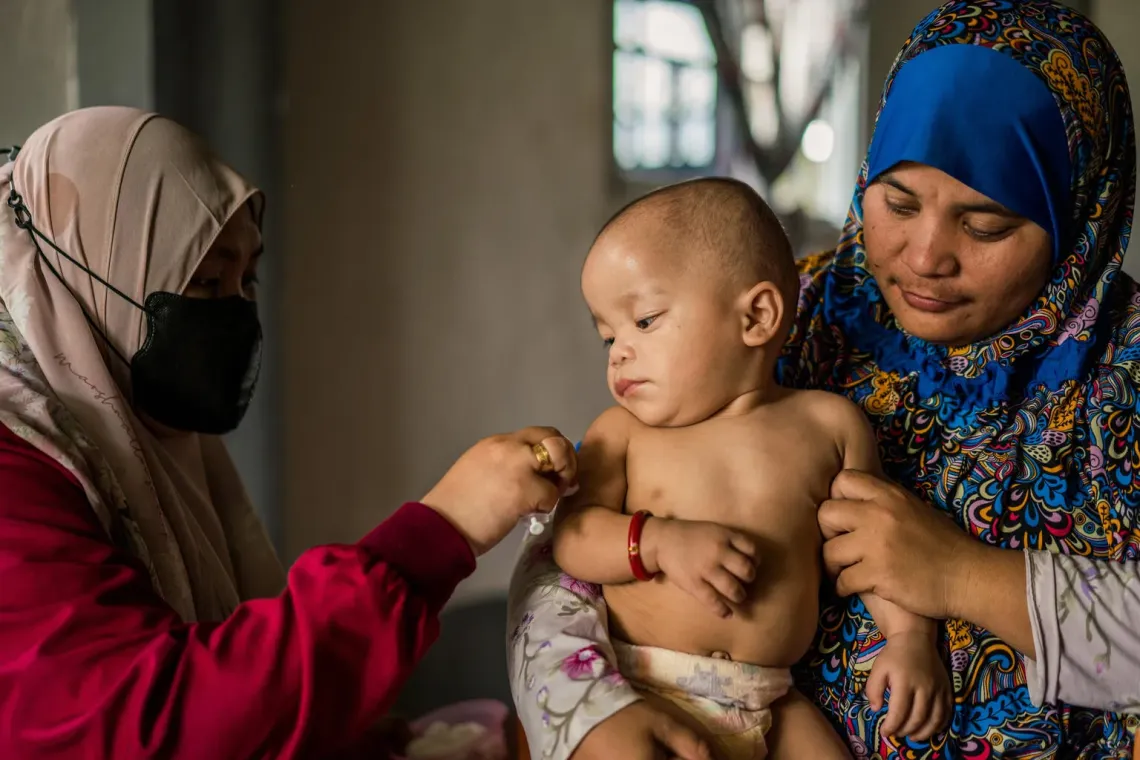
We address the root causes of poor health and malnutrition by supporting evidence-based planning, advocating for increased investment and helping governments understand where children are being left behind. This includes supporting preventive primary healthcare, gender-sensitive and equity-based approaches, and working across sectors to tackle the triple burden of malnutrition across the region. And to give children the best start in life, we support initiatives and policies that protect and promote breastfeeding, including the Baby-friendly Hospital Initiative and the International Code of Marketing of Breast-milk Substitutes.
When emergencies disrupt health services, we respond fast. And when stigma, distance or cost keeps a child from getting care, we work to remove those barriers.
What’s still at stake
The gains this region has made in child health and nutrition are real. But they are fragile, and in some areas, reversing.
Globally, the pace of progress in reducing child mortality has slowed sharply. South Asia, which accounts for 25 per cent of all under-five deaths, continues to bear a disproportionate share of that burden. Meanwhile, vaccine-preventable diseases are making a worrying comeback.
The nutrition crisis is deepening on multiple fronts, with profound consequences for child survival, growth, and development, including the risk of irreversible physical and cognitive damage and chronic diseases later in life.
Finally, the mental health crisis remains one of the most underfunded areas of child health. Globally, only 2.1 per cent of government health expenditure is allocated to mental health, leaving millions of children across this region to carry their struggles without services or support. Without the right support, children and adolescents may struggle to thrive and grow into healthy adults — with consequences that can affect future generations.
The health and nutrition choices made for children today will determine the kind of adults and parents they become tomorrow – and ultimately the trajectory of our communities, societies and economies.
And in a region home to over a billion children, investing in child survival, growth and wellbeing is not just the right thing to do. It is an investment in this region’s very future.
What's still at stake for children in Asia Pacific
Work with UNICEF to make a difference
Resources
- 2023 State of the World's Children – South Asia Brief
- Primary Healthcare Landscape Analysis
- 2023 Annual Report – Digital Transformation in East Asia and the Pacific
- Progress and Promise: Combating Anaemia in Girls and Women in South Asia
- Growing up Overweight: How Food Environments are Failing a Generation
- COMMIT - Consortium for Improving Complementary Foods in Southeast Asia
- Health technical expertise – Knowledge@UNICEF