Positive parenting tips for babies and children ages 0-5
Gentle discipline made easy: Tips from UNICEF Parenting Experts
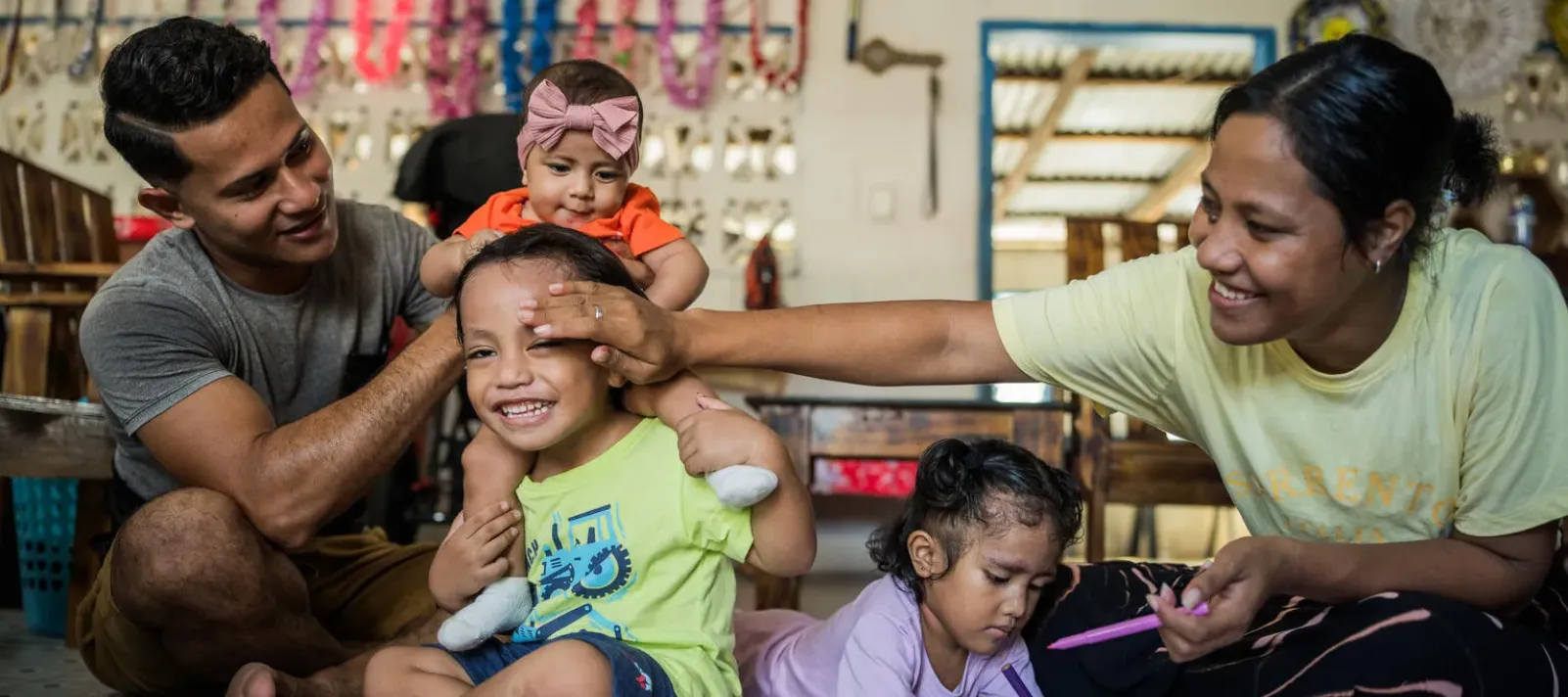
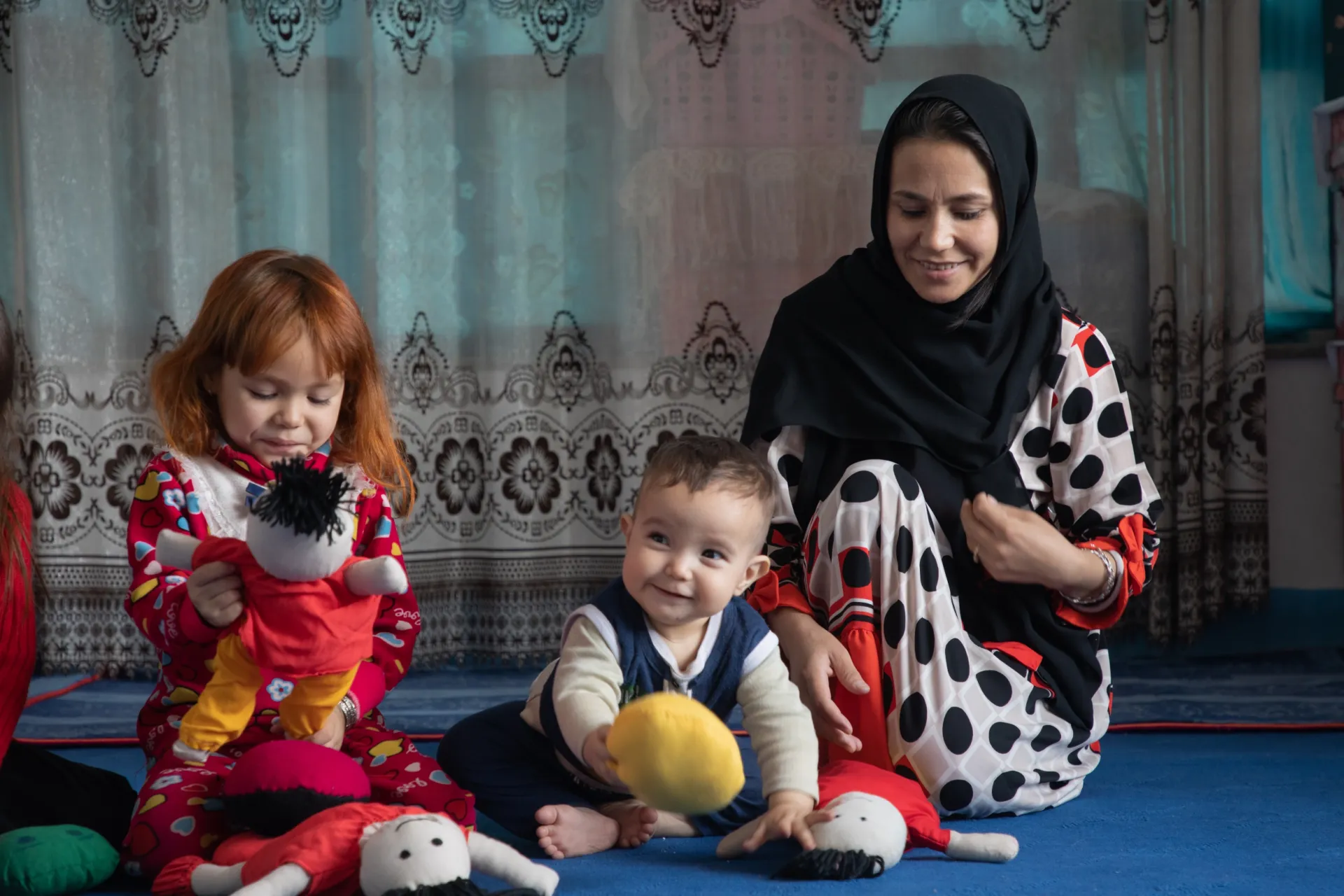
Positive parenting is all about building a strong, caring relationship with your child and gently guiding their behaviour.
It means setting clear, consistent, age-appropriate limits with kindness and respect. It also includes sharing the role of parenting — working together as a team, whether you're a mother, father, or caregiver. This helps children learn the value of equality and respect by seeing it in their everyday lives.
Positive parenting helps your child feel safe and understood. It helps them develop independence and feel deeply connected to you 💙
Understanding this age group
Young children experience the world in their own way. Their feelings are big, and they’re still learning how to express them.
When you understand how your child is growing and thinking, it’s easier to respond with kindness and calm.
These insights from UNICEF experts can help:
Crying is communication
Babies and toddlers cry not to “misbehave,” but to express needs they can’t yet say in words — like hunger, tiredness, discomfort, or wanting a hug.
Tip: Respond with comfort and patience. Check for all the possible things that might be upsetting your child. Are they hungry? Tired or uncomfortable? Do they need changing? Are they too hot or cold? And keep in mind: crying can also be a sign of illness. If they seem unwell, give them extra care and seek help if needed.
Repetition helps children learn
It can feel repetitive when toddlers drop toys, ask the same question, or repeat certain actions. But this is how they learn and make sense of the world around them!
Tip: Stay patient and let their curiosity guide them. If your child wants to read the same book over again, do so with enthusiasm. It might seem repetitive for you, but it's how your child will learn.
They’re becoming independent by trying new things
As children grow, they love to try new things on their own — even if it means making a mess or taking longer than you'd like.
Tip: Let them take on challenges at their own pace, and praise their efforts and the process, not just the outcomes. Say: "I love how hard you’re trying!" And “Oh, that looks difficult, keep trying!”
Saying ‘no’ and throwing tantrums are part of finding themselves
When toddlers say "no," to things like eating or having their diaper changed, it’s often not about defiance, but their way of expressing their independence and testing boundaries. It’s a healthy sign of them developing their own sense of self.
When a child has a tantrum, they’ve become overwhelmed and can’t calm down or think clearly. This is because they haven’t developed the skills to do so yet — and they need your help to calm down.
Tip: Stay calm and connect with the child’s emotions. Babies have short attention spans, so try to distract them with an object. For children age 2 and older, try to calm them down with a hug. Once they’ve calmed down, gently guide them to think about the problem.
>> Tips on staying calm in stressful parenting situations
Children are still learning how to communicate their feelings
When young children misbehave or get upset, they’re often struggling to express a feeling or need. Instead of reacting, pause and look for the emotion behind the behaviour.
Tip: Listen patiently, offer choices, and stay calm. Try saying: “I see you’re upset. I get upset sometimes too, it’s OK.” “Do you want a hug? Can we try it a different way?”
Let them know that it’s okay for everyone to express all kinds of feelings — like sadness, anger, or joy — no matter their gender.
Children learn by watching you
Young children learn social skills like kindness, sharing, and cooperation by copying what they see and receive.
Tip: Show respect, even in tough moments like when you are tired or stressed, instead of blaming or scolding. When you lead with respect, your child learns to treat others the same way.
Positive parenting: Basic tips
Never use violence
Hitting or physical punishment can create fear, confusion, and damage trust. Never use violence against children, or against each other. Instead, use calm discipline to teach children, rather than punish.
Choose guidance over threats
Threats may stop bad behaviour in the short-term, but they don’t teach long-term lessons. Threats also harm children’s self-esteem. Instead, use calm guidance to teach your child lasting lessons, including that actions have consequences.
For example, if a child throws a toy at someone, say “We don’t throw toys, we can hurt ourselves or somebody else and break something, so I’m putting this away.”
Or, if a child refuses to eat their lunch, say “You don’t want to eat your lunch? That’s OK. But if you get hungry in an hour, you can finish your lunch instead of having your apple for a snack today.”
Tips to make this work:
- Keep your tone neutral. Not angry, just matter-of-fact.
- Always name the behaviour and the result (“You did X, so Y is happening.”)
Be consistent. Children learn through repetition.
Break gender stereotypes
Let children explore interests freely — whether that’s dolls, blocks, dancing, or dinosaurs — regardless of gender. Encourage their curiosity by letting them play with all kinds of age-appropriate activities and toys, without limits.
Avoid saying things like “boys don’t cry” or “that’s not ladylike.” Instead, show that everyone can be caring, strong, and capable.
Share household chores fairly and read books that break stereotypes. This helps children grow up believing they can do anything they set their mind to.
Avoid screens
Children need real connection. Even when life is busy, your presence and attention mean more than a video or game ever could. Avoid using screens around your children and letting them use screens.
Engage in shared play and conversation whenever possible instead.
The World Health Organization’s recommendations on screentime are:
- Under 2 years old: No screentime.
- 2-4 years old: No more than an hour of screentime a day, with a parent or caregiver watching with them.
>> More information on the negative impacts of screentime on babies and toddlers
Avoid using screens as babysitters, or to stop tantrums.
If your child is having screentime, choose high-quality, educational programming and make sure you supervise their use.
Many experts say video calls are okay (and don’t count within the screentime limits) because they have a different purpose than regular screentime. They help children interact with loved ones who aren’t physically present.
Be present
Your child doesn’t need perfection — they need you. Slow down and share in the small, meaningful moments that shape their early years. 10 minutes of true quality time together a day can make a huge difference. It could be over a diaper change, bath or another part of your daily routine. Take time to truly be present, play and connect with your child.
Build a strong bond
Being physically present isn't enough, children need emotional connection. Hug them talk to them, listen and show them love daily.
Believe in children with disabilities
If your child has disabilities, treat them with the same love and respect as any child.
Engage with your child, play with them, and create opportunities for them to explore and learn. Use sounds, pictures, or materials they can touch and feel to make learning fun and accessible. Children with disabilities can thrive, attend school, and make progress alongside their peers when they receive the right support and opportunities.
If you have concerns about your child’s development, please reach out to your local healthcare centre, early childhood development centre, or local organizations of persons with disabilities. They can help provide the appropriate assessments and support services. They can also help ensure your child is included in the same pre-schools and schools as other children in the community.
>> Play ideas for children with disabilities.
Be a positive role model
Children learn so much by watching you. They pick up on what you do, say and behave as a family unit, every day.
Treat everyone in the family with respect and avoid using violence or yelling.
Split up household tasks so that everyone helps. Cooking, cleaning, and looking after kids shouldn’t fall on just one person. For example, dads should change diapers too, not just hand babies over to be changed.
“I used to shout, threaten, even hit. I used to think love was about control. Now I know it’s about connection.”
Likeo, mother to a 3-year-old, Cambodia
Positive parenting in action
These examples show how to apply positive parenting in everyday situations.
Comforting a crying baby (5 months old)
Sometimes babies cry a lot, and it can be hard to know why. Instead of getting upset or thinking the baby is being difficult, remember that crying is their way of asking for help.
Here’s how you can respond in a calm and caring way:
Stay calm. Try not to panic or get frustrated. A calm parent helps a baby feel safe.
Look and listen. Watch your baby closely and think about what might be wrong. Are they hungry, tired, or uncomfortable? Could they be ill?
Meet their needs. Try feeding, changing them, or making sure the room is not too hot or cold. If you think they could be ill, seek medical advice.
Comfort them gently. Pick up your baby, speak in a soft voice, gently pat or rock them and hum a lullaby.
Your loving response helps your baby feel safe and builds trust between you.
Responding when a toddler has a tantrum (2 years old)
At age 2, it’s very common for children to throw tantrums. It doesn’t mean they’re being bad. Young children’s brains are still growing and changing all the time. At this age, they can’t fully control their feelings or actions yet. It’s important to understand what they can and can’t do. This is the first step to guiding them with patience.
Here’s how to respond to a tantrum with patience and care:
- Stay calm. It’s normal to feel frustrated but try to stay patient. Being calm helps your child feel safe. If you are feeling angry, stressed or overwhelmed, take a step back and take 10 slow, deep breaths before reacting. This should help calm you down.
>> Tips on staying calm in stressful parenting situations
Connect with your child to help them calm themselves down. Give them a hug, or a loving touch and talk to them in a soothing voice.
Acknowledge your child’s emotions. Let them know you can see that they’re upset, and you care about what they think and feel. Remember that both boys and girls need support to learn about their feelings. Let them know that all emotions are okay: sadness, frustration, even tears.
Do not use harsh discipline. Yelling or hitting may stop the behaviour in the moment, but it hurts your child’s trust and their physical and emotional wellbeing. Instead, guide them with kindness and consistency.
Once your toddler has calmed down, talk to them about what happened. Help them understand their feelings and talk about how to handle things differently next time.
Remember, your toddler isn’t trying to make things hard — they’re not yet able to control their emotions. With love and gentle guidance, you’re helping them grow in the best way.
Letting your child try things on their own (3 years old)
After swimming, your 3-year-old wants to wash their hair and get dressed by themselves. You’re in a hurry and worried they won’t do it right or fast enough, so you step in and do it for them. Your child gets upset, cries, kicks, and refuses to cooperate.
In the past, you may have spanked them or said, “You’re not going swimming again.” It’s understandable to feel frustrated in the moment — but there’s a gentler, more helpful way to handle it.
Here’s how positive parenting can help:
Let them try. At this age, children are learning to be independent. Trying things on their own — even if it’s slow or messy — helps them grow. Encourage both boys and girls to try new skills like washing hair or dressing, without limiting tasks by gender.
Be patient with mistakes. It’s okay if they don’t do it perfectly. Instead of stepping in right away or criticizing, stay close, guide them gently, and only help if needed.
Prepare ahead of time. Bring clothes that are not complicated to put on, so that it’s easy for your child. Before swimming, say, “You can try washing your hair and getting dressed. I’ll be nearby if you need help” Set them up to succeed as much as possible.
Show them how. Teach the steps in a calm, simple way that matches their age and ability.
Make time. Try not to rush. Give them space to practice and make mistakes. That’s how they learn.
Praise effort. Celebrate their trying, not just the result. If they ask for help, support them kindly.
Don’t rely on punishment to teach a lesson. When you give your child time, patience, and encouragement, you’re helping them build confidence and strengthening your relationship too.
Helping your child learn from conflict (4 years old)
Your 4-year-old grabs toys and hits other children at school. The teacher asks you to come in and talk. You feel upset and want to punish your child — for example, by taking their toys away until they “understand what they did.”
But there’s a gentler, more helpful way to guide your child through this.
Here’s what you can do instead:
Stay calm. Your child may already feel scared or guilty. Keeping calm helps them feel safe and ready to talk.
Listen first. Ask gently, “Can you tell me what happened?” Let your child share their feelings without fear of being blamed.
Guide with care. Say something like, “It’s okay to feel upset, but it’s not ok to hit or grab. Next time when you have a big feeling like this, maybe you can try to dance or jump up and down and see if it helps you feel better?”
Avoid using gendered language. Instead of saying “girls should be gentle.” tell them that hitting hurts everyone and violence is never OK.
Encourage a kind action. Help your child say sorry or draw a picture for the other child. This teaches responsibility in a caring way.
Use stories to teach. Later, read a story together about friendship or sharing. Talk about how characters handle big feelings or solve problems. Role play asking for turns with a toy — children love pretending to be someone else at this age.
Keep an eye on their play for a few days. Try not to let the same problem happen again. If you see a situation starting, gently redirect their attention to something else.
Encourage non-stereotypical activities. Let boys play with dolls or cook, and girls try sports or building things. This teaches children that everyone can care for others, share, and cooperate — important life skills that help them build friendships.
Remember, at this age children are still learning how to get along with others. They don’t need harsh punishment. They need your support, love, and gentle guidance to learn and grow.
Helping your child learn from mistakes, not fear them (5½ years old)
Your 5½-year-old wants to help serve dinner but spills a drink all over the floor. You feel frustrated and want to punish them, like taking away cartoons for a week.
But your child did not spill the drink on purpose. It was part of their learning to do things independently.
Here’s a gentler way to handle it:
Stay calm and show understanding. Spills happen because your child is still learning. It’s not a reason to scold or punish. They just need more practice.
Encourage their effort. Say, “I love that you wanted to help. It’s okay, we all make mistakes.” Tell your child about a time when you yourself spilled a drink. This keeps their confidence levels strong.
Show how to do it safely. Gently demonstrate how to carry things one at a time.
Clean up together. Invite your child to help clean up, then let them bring another drink to the table. Say thank you for their help.
When we respond with patience instead of punishment, children feel trusted and motivated to keep trying — and that’s how they grow.
Remember to take care of yourself, too
Parenting can be exhausting, and that’s okay. You don’t have to do it all perfectly. Just remember to care for yourself along the way.
In many families, mothers often end up doing most of the childcare. If that’s you, please know it’s okay to ask for help. And to all dads and male carers: take an active role and share the work fairly.
Make time for the basics — rest, good food, a stretch or physical activity, and something that brings you joy at least once a week.
When you feel steady and cared for, your child will feel it too.