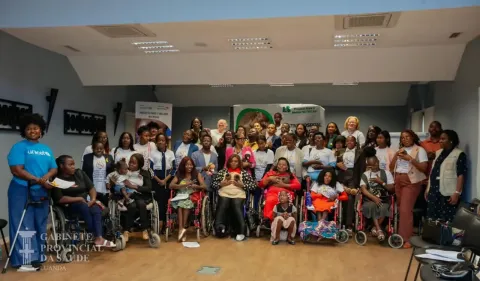
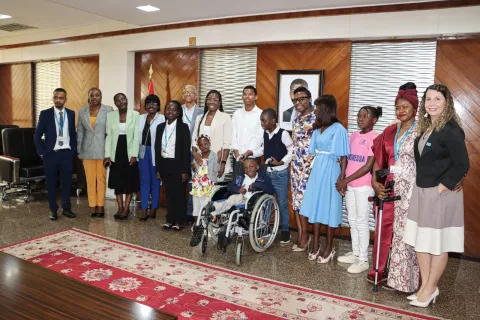
Journalists strengthen skills for more inclusive coverage of disability.
Training addresses appropriate terminology, accessibility, and representation of people with disabilities in the media.

- Portuguese
- English
Luanda, October 7, 2026: UNICEF, in partnership with the Angolan Federation of Associations of Persons with Disabilities (FAPED), held the first module of the training cycle on Inclusion, Disability and Human Rights-Based Communication, aimed at journalists and media professionals.
The initiative aims to strengthen knowledge and skills to promote ethical, responsible, accessible journalistic coverage aligned with the rights of people with disabilities. The program consists of three modules, with the next ones scheduled for November 4 and December 2.
At the opening of the session, the Vice-President of FAPED, Maria Fernandes, highlighted the fundamental role of the media in promoting inclusion and combating the stigmas that still affect people with disabilities. Then, Teresa Fedão, UNICEF's Disability and Inclusion Officer, presented basic concepts of inclusion and accessibility, reinforcing the importance of a human rights-based approach.
On the occasion, the UNICEF Deputy Representative in Angola addressed the participants, reinforcing the importance of the role of the media in promoting inclusion:
In this effort, each of those present here and the media they represent play a decisive role. Ethical and inclusive communication must respect the dignity of people, use appropriate terminology, ensure accessible formats, give space to their own voices and avoid narratives of pity, heroism or dependence.
It should showcase not only the challenges, but also the capacities, achievements, and contributions of people with disabilities to society. By telling these stories with accuracy, context, and sensitivity, the media helps to change perceptions, promote accountability, and mobilize society for action.

Throughout the day, the participants explored topics such as the legislation for the protection of people with disabilities in Angola, the fundamental concepts of disability and the use of appropriate terminologies in the media. The debates allowed participants to clarify doubts and promote a critical reflection on the way people with disabilities are represented in the media.
Through videos, interactive exercises and group dynamics, journalists were invited to put themselves in the shoes of people with different types of disabilities, experiencing some of the physical, social and attitudinal barriers they face daily.
One of the activities that most marked the participants was the "Game of Life", a practical exercise that simulated different realities experienced by people with disabilities. The dynamic stimulated moments of deep reflection on inclusion, equal opportunities, and social participation.
The module also addressed topics related to stigma and discrimination. During the discussions, participants analyzed concrete examples of inappropriate language often used in journalistic content and identified alternatives that are more inclusive and respectful of the dignity of people with disabilities.
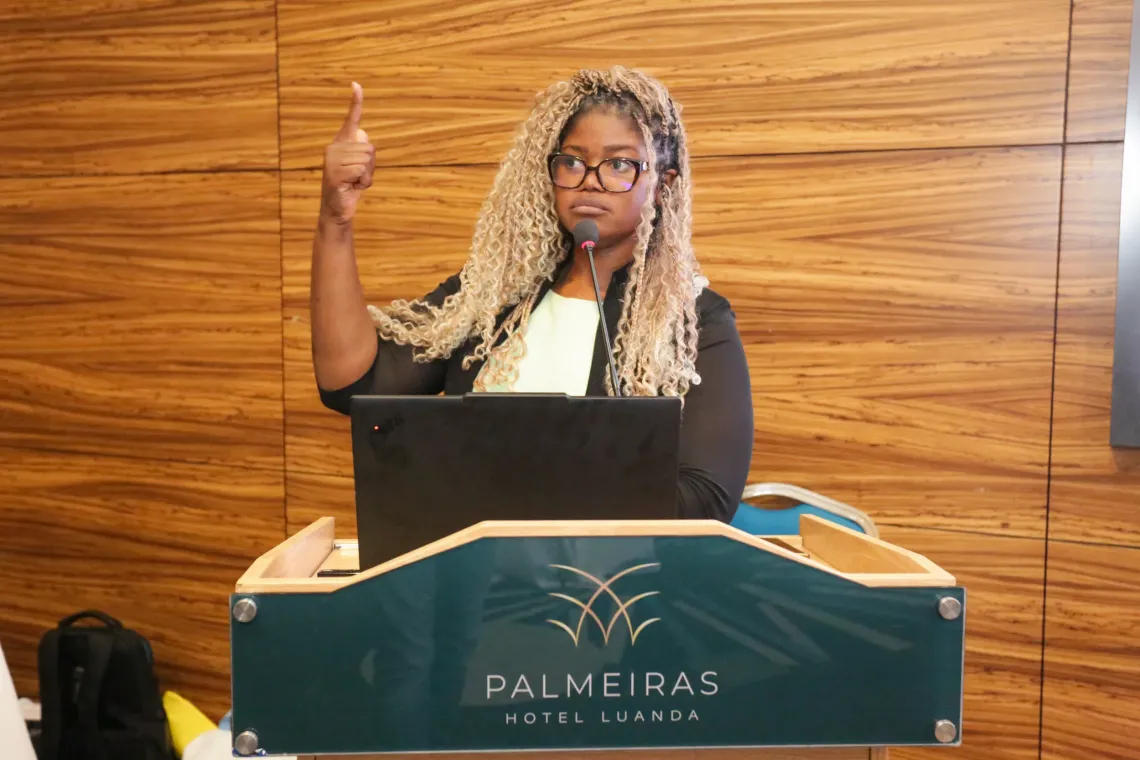
"This training is being liberating for me, because I really had no idea how to deal with people with disabilities, and this video taught me to ask how they want to be treated," shared a participant from the Platina portal.
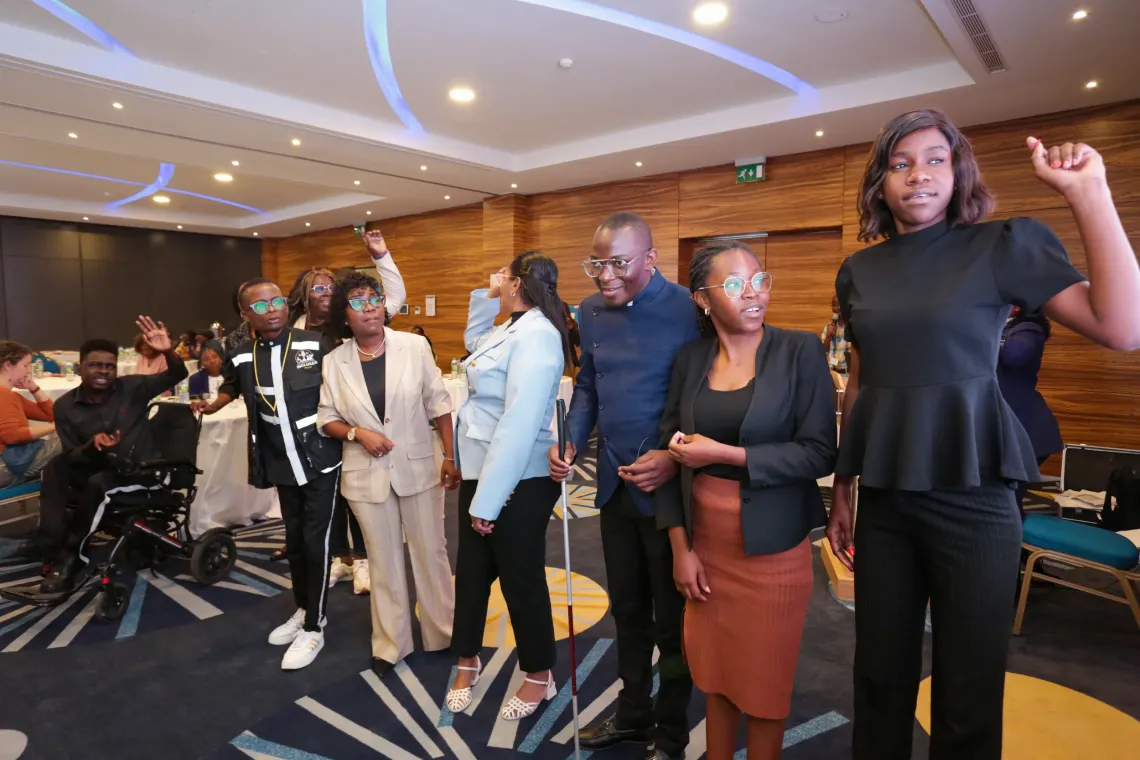
At the end of the session, journalists were challenged to develop an action plan to promote more inclusive communication practices in their respective media. The work will be presented and discussed during the next module of the training.
By investing in the training of communication professionals, UNICEF and FAPED seek to contribute to a more inclusive narrative, which recognizes people with disabilities as rights holders and promotes a fairer and more accessible society for all.