Citizen Budget: the document that clarifies the State's priorities for 2026.
A clear version of the State Budget that is accessible to all.
- Portuguese
- English
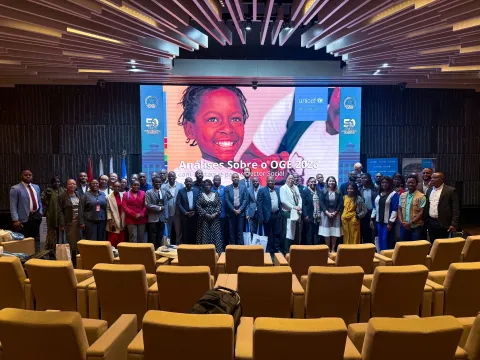
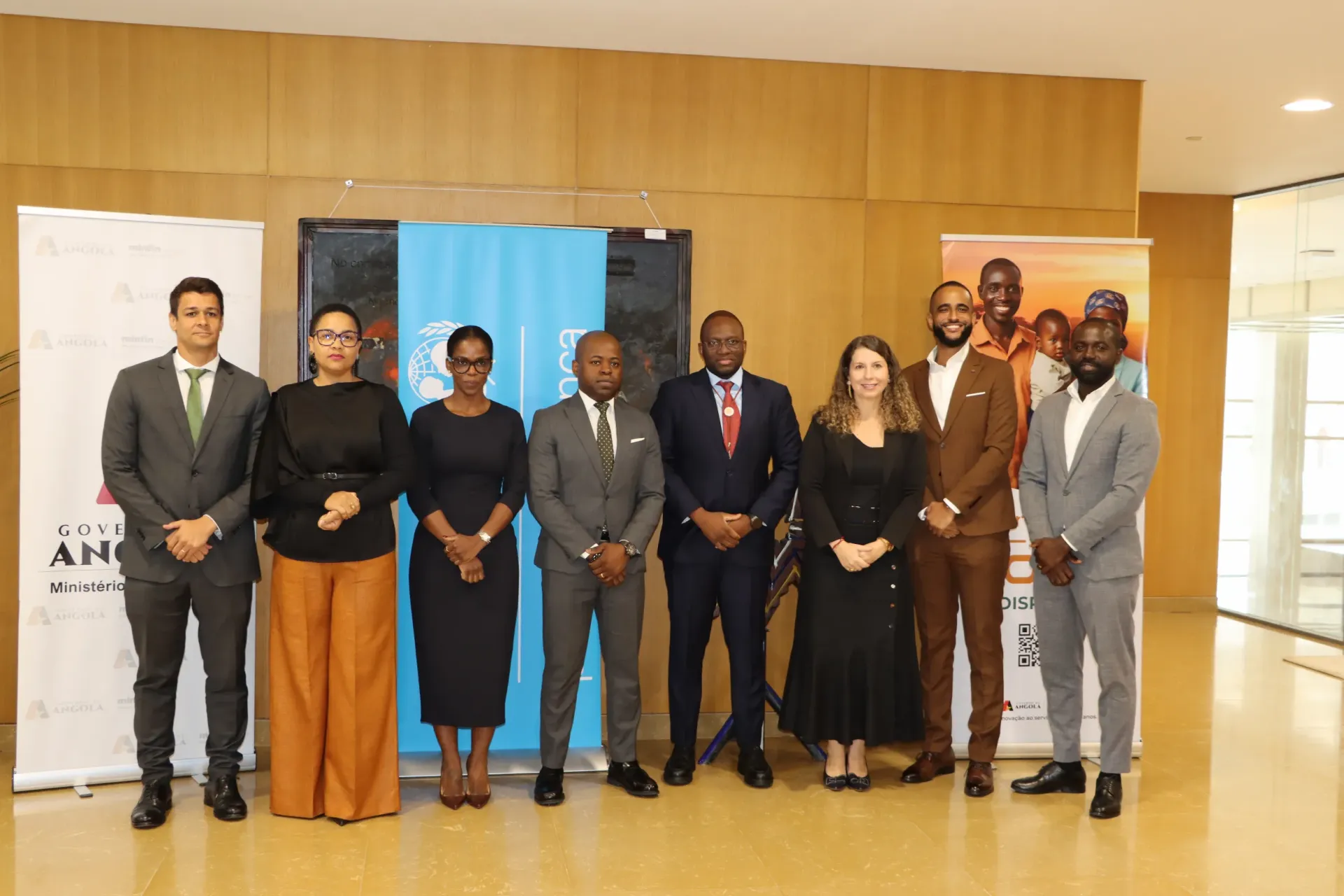
The Ministry of Finance, in collaboration with UNICEF, held the presentation of the 2026 Citizen Budget last March of this year in Luanda.
The Citizen Budget is a simplified and accessible version of the General State Budget. This document aims to explain, in a simple way, to citizens, how the General State Budget (OGE) is organized and what its purpose is.
The State Budget is, by nature, a technical document, structured according to economic, functional, and programmatic classifications, with specialized language that is difficult to understand for ordinary citizens.
Given its importance, the Citizens' Budget seeks to ensure easy access and understanding for all citizens, including those who do not have mastery of economic and financial issues.
During the presentation of the document, the National Director of the General State Budget, Edilásio Caleia, underlined, once again, the importance of ensuring a good understanding of budgetary issues, stating that:
"when we understand how the budget works, we become more informed, more demanding and more participatory citizens. And more participatory citizens contribute to stronger public institutions and better governance."
Since the first edition of the Citizen Budget, published in 2014, the initiative has sought not only to inform, but also to involve and educate the population about the details and implications of the Budget, aligning it with the main national objectives defined in the National Development Plan (PND).
"We believe that initiatives such as the Citizen Budget have a particular value for students and for the new generations. This is, perhaps, one of the main objectives of this initiative: to bring the budget closer to people's lives", said Edilásio Caleia.

For the Ministry of Finance, it is important to allow citizens to have access to the information necessary to monitor and supervise the execution of the State Budget, ensuring that resources are being used to meet the needs of the population.
For the dissemination of the 2026 Citizen Budget, the Ministry announced the availability of the document online, as well as the production of three thousand printed copies. Dialogues will also be held in different provinces, through the Provincial Governments and the Provincial Directorates of Finance.
Cristina Brugiolo praised the Ministry for the preparation of the Citizen Budget and thanked the partnership with UNICEF, stating, "I would like to congratulate the Ministry of Finance for the quality and clarity of the 2026 Citizen Budget. Public finances are a central instrument for the realisation of children's rights. It is through budgetary decisions that investments in health, education, nutrition, water, and social protection are materialized — key areas for the development of children and young people. I thank you once again for the invitation addressed to us, and I reiterate UNICEF's commitment to support the wide dissemination of the 2026 Citizen Budget."
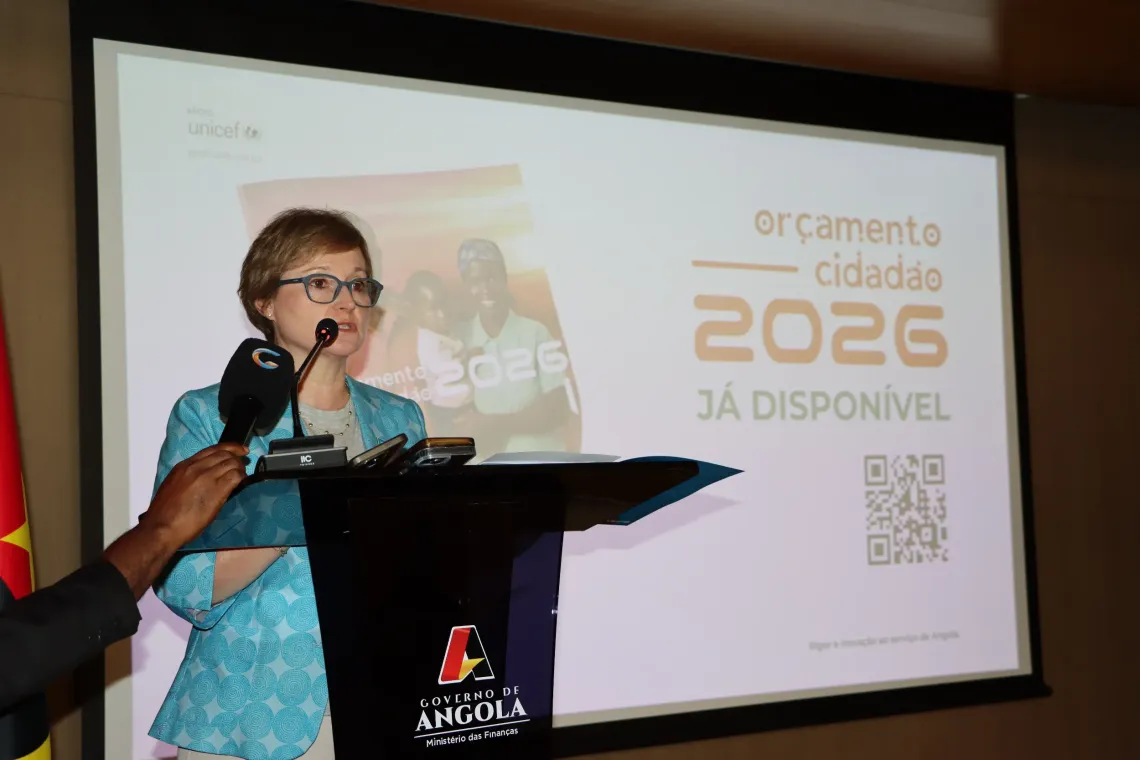
During the presentation, an appeal was made to all Angolans to read the 2026 Citizen Budget, share the information in their communities, and monitor the execution of the Budget throughout the year. Because, in the Ministry's view, public money belongs to everyone and must be shared by everyone. The publication of the Citizen's Budget provides citizens with the necessary information to monitor the actions of the Executive.