Children at the heart of budgetary decisions.
2026 State Budget reinforces the weight of the social sector, but transforming appropriations into effective services will be decisive for the future of children in Angola.

- Portuguese
- English
At a time when the public sectors are beginning to prepare their budget proposals, the 2026 General State Budget (OGE) Analyses, presented by UNICEF, leave a clear message: a child-friendly budget is not measured only by the amount approved, but by the ability to deliver, equitably and on time, essential services to each child.
The 2026 State Budget shows positive signs of the Government's commitment to the social sector. Its weight increased from 22 to 25 percent, with reinforcements in areas such as housing, health and education. Among the measures are the continuity of the School Lunch Program, the rehabilitation of educational infrastructures in the 21 provinces, the reinforcement of hospital units and the allocation of part of the revenues from the tax on tobacco and alcoholic beverages to public health. These advances represent an important basis for protecting human capital and should be consolidated in the next planning cycles.
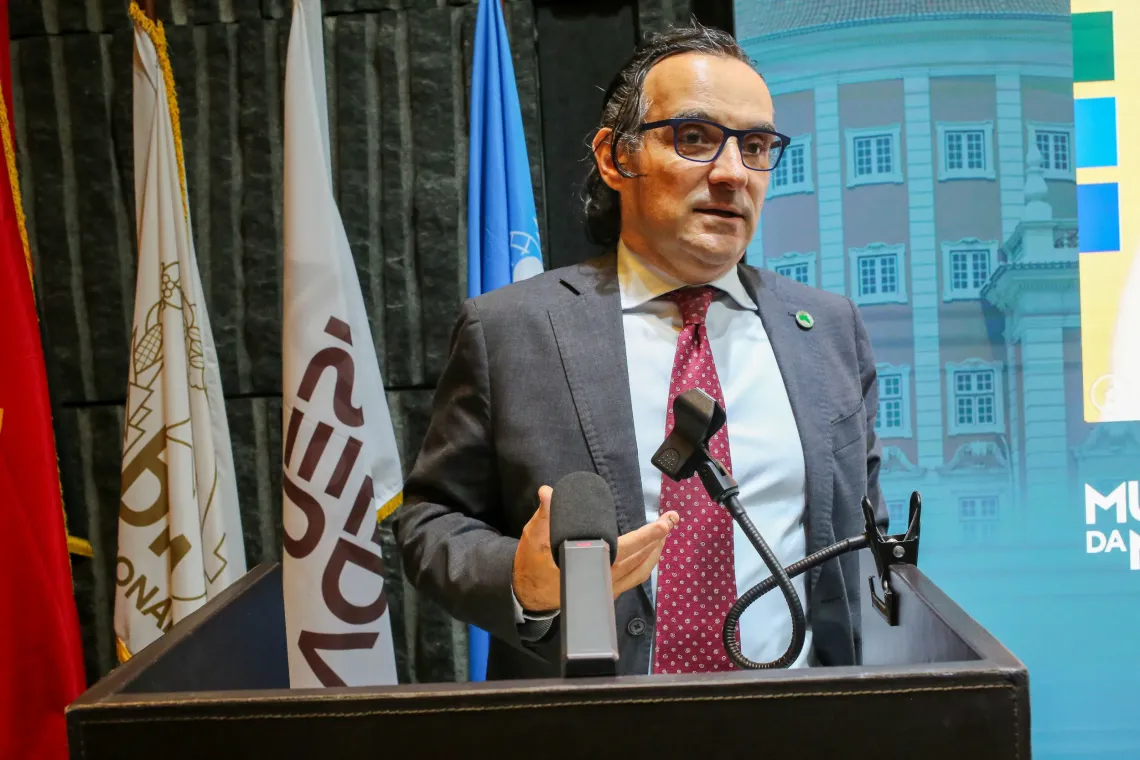
At the opening of the presentation event of the Budget Analyses 2026, Matthew Cummins, UNICEF Representative in Angola, recalled that public finances translate political and social choices. "There is a difference between the formal recognition of rights and their realization in people's lives. This difference can only be reduced through the proper allocation of public resources."
The message is particularly relevant to the sectors that are now setting priorities: each budget line for health, education, nutrition, water and sanitation, social protection and child protection must be treated as an investment in Angola's development and prosperity.
The analyses show, however, that the increase in appropriations needs to be accompanied by higher, predictable and equitable implementation. In 2025, the execution of education stood at 58 percent, health at 77 percent and social protection at 64 percent. At the same time, debt servicing continues to reduce the fiscal space available for social and human development interventions.
"Budget execution remains one of the main challenges. The true impact of public investment depends on the ability to turn approved resources into effective services," said Matthew Cummins.
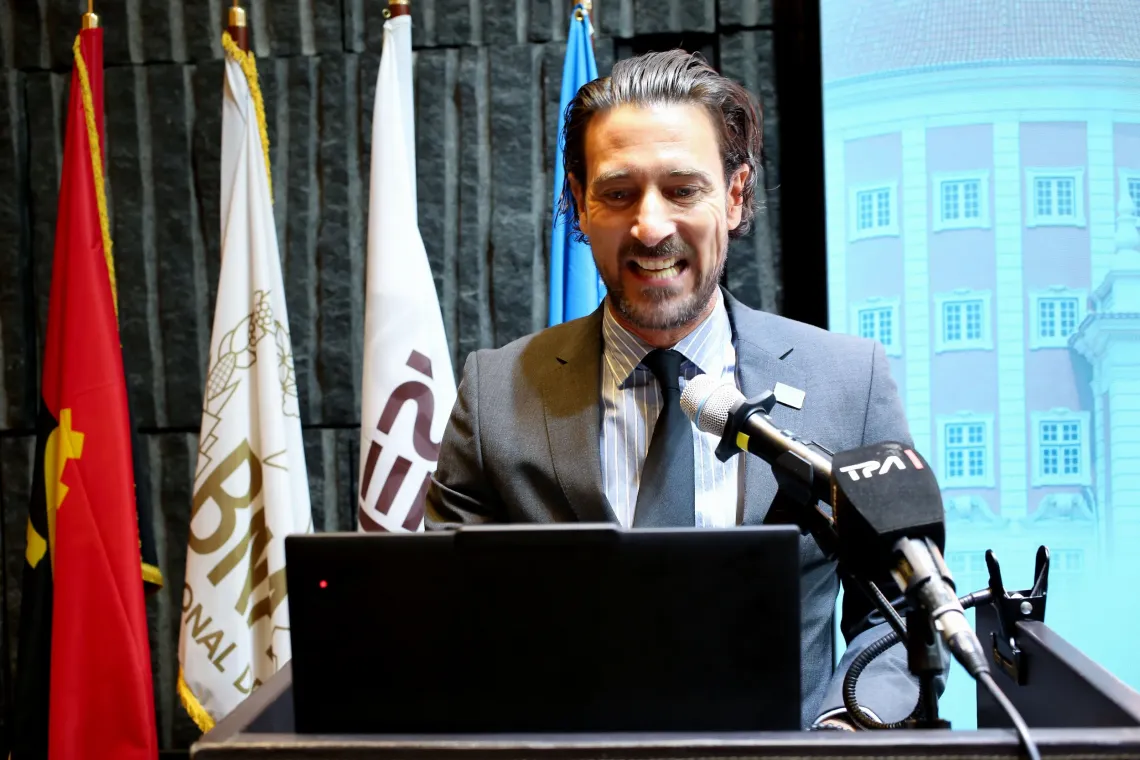
Marcelo Cohen Freeman reinforced that appropriations retained in reserves or not executed reduce the investment that actually reaches schools, health units, communities and families. The challenge, therefore, is not only to allocate more, but to protect social funds throughout the year, improve financial programming and monitor the results achieved.
Data on childhood make this urgency unavoidable: only 37 per cent of children have a birth registration, 66 per cent are subjected to violent discipline and social protection coverage, although it has risen to 10.9 per cent, remains below the African average indicated in the analyses. These figures require multisectoral, sustained and targeted responses to the most vulnerable children.
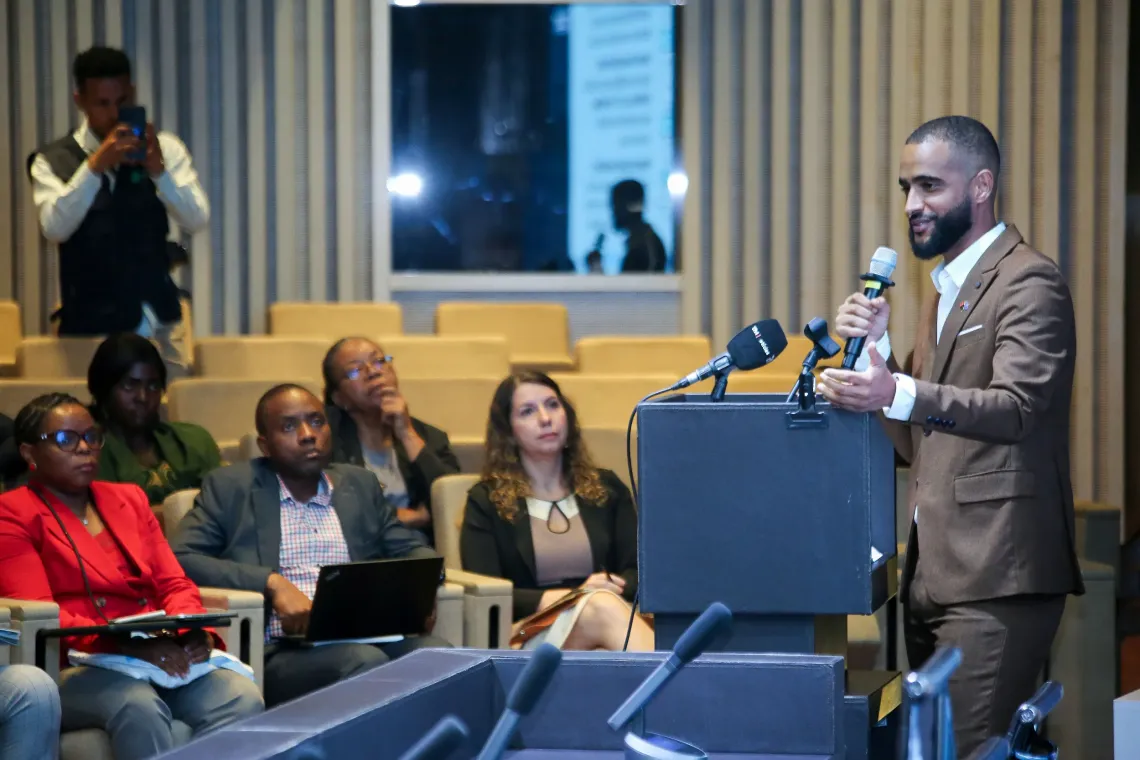
During the panel discussion that was attended by Dr. Leonardo Aurelio, Director of GEPE (MED), Dr. Ana Nogueira, Head of Department (DNOE, MINFIN), Dr. Carlos Rosado de Carvalho, Professor, Catholic University of Angola, Dr. Simione Chiculo, Director of ADRA.
Carlos Rosado de Carvalho, the latter drew attention to the human cost of insufficient implementation in education, health and nutrition, recalling that delays in investment during the first years of life can produce lasting consequences for children and the future of the country. The ADRA representative, in turn, highlighted the territorial asymmetries and the need to articulate social investment with family farming and local responses to malnutrition.
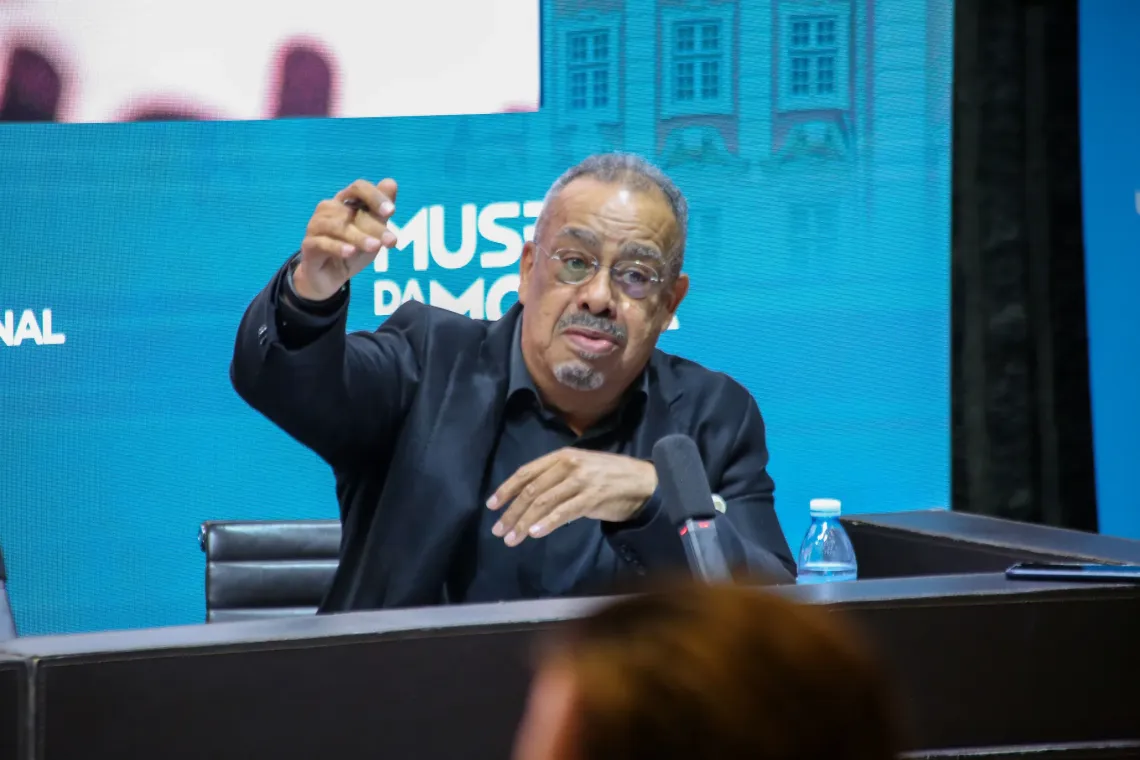
The message that ran through the testimonies was unequivocal: an endowment only becomes a right when it is executed with quality, reaches the right territory and produces verifiable results in the lives of children.
Pietro Toigo, representative of the African Development Bank invited to deliver a few words at the end of the event, summed up the importance of this exercise: "The budget is where policy choices materialize in a context of resource scarcity." In his speech, he underlined four essential dimensions to improve public spending: efficiency in the choice of priorities, distribution within each sector, coordination between institutions and implementation.