UNICEF water interventions reach people in the most rural areas in Yemen
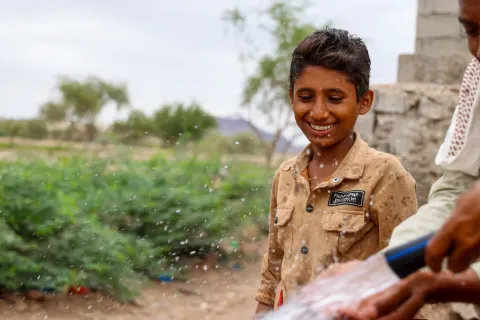
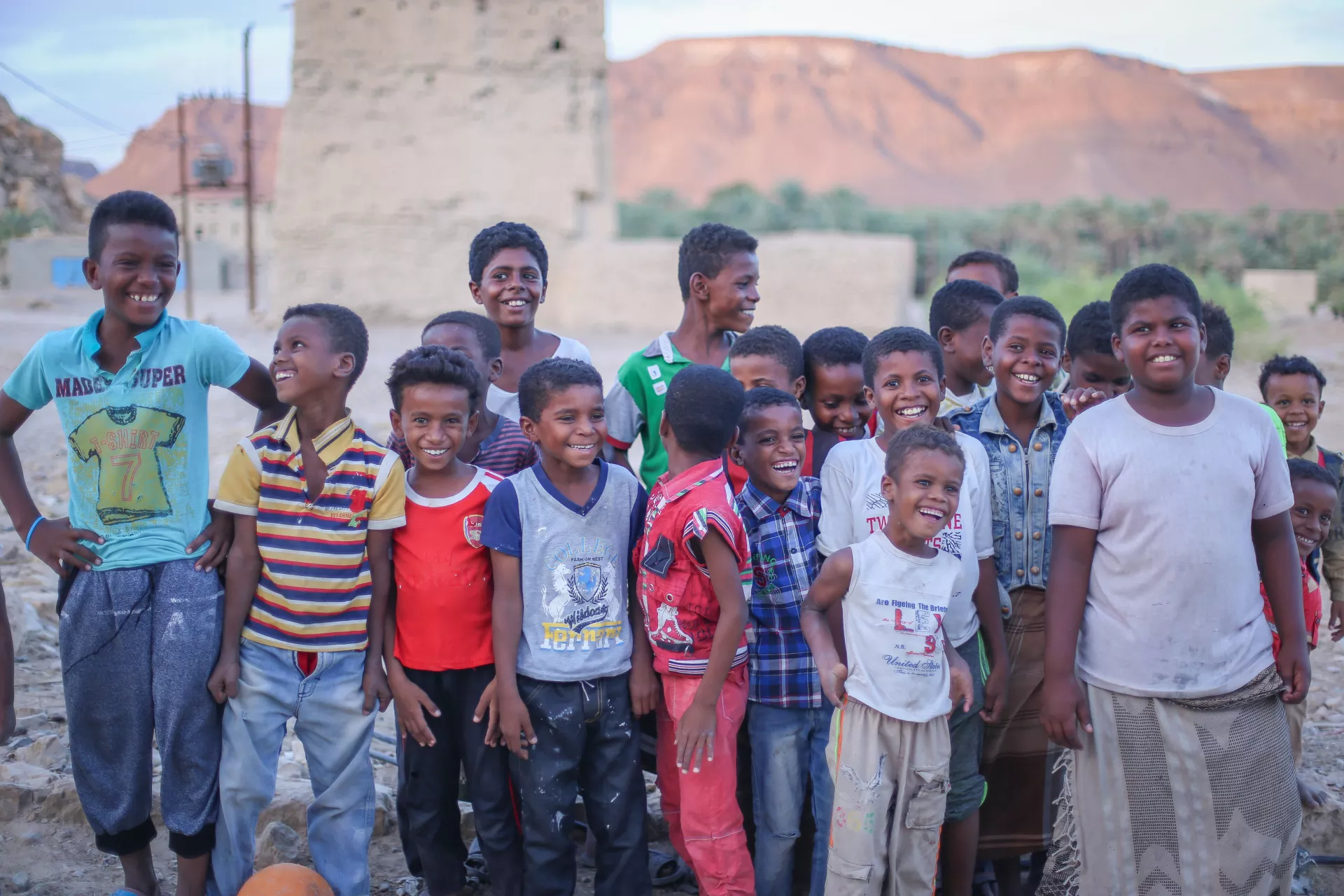
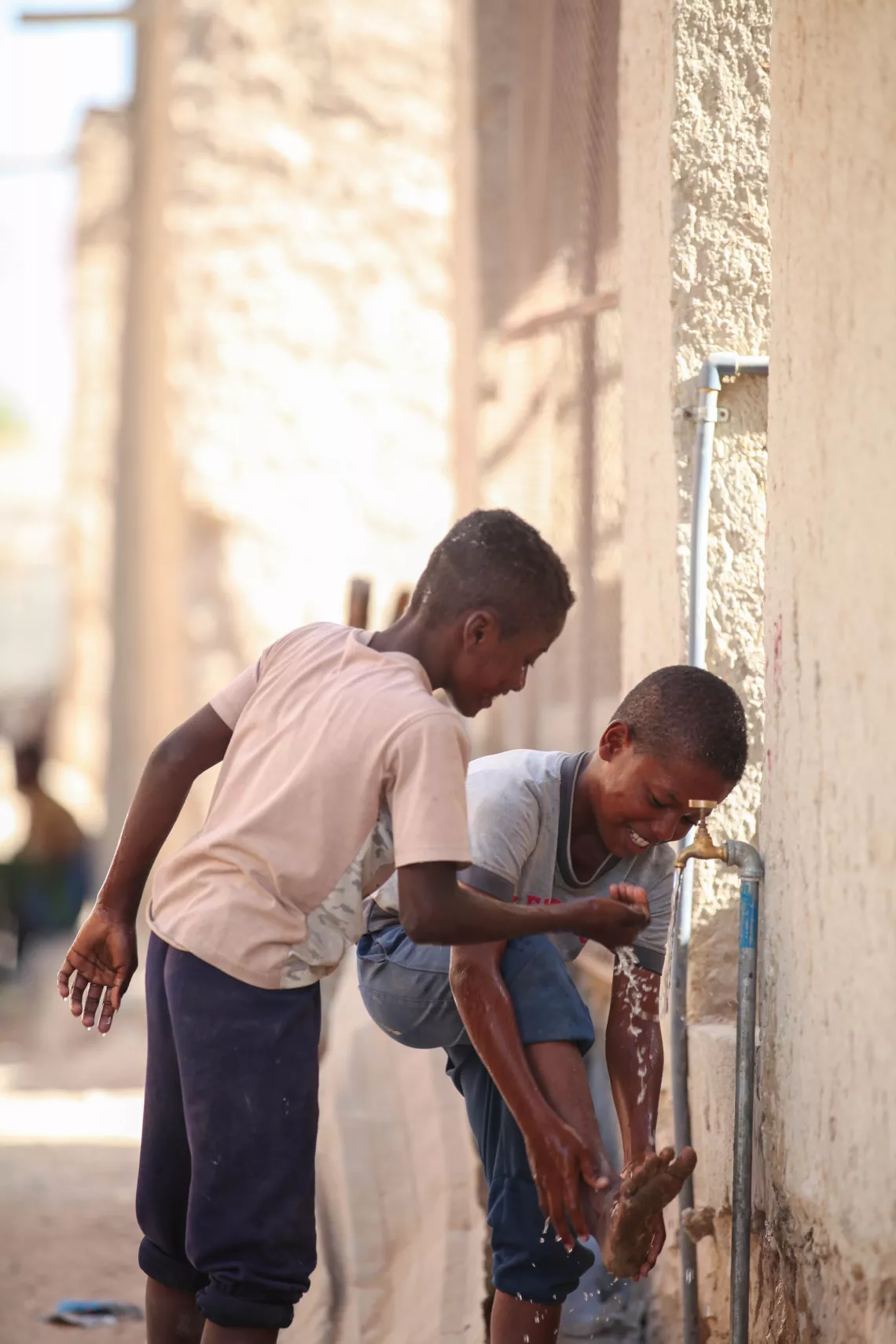
Children of Al-Sadara village have now access to safe water.
- English
- العربية
Hadramaut, Yemen 30 March 2019 – In Yemen, the escalation of conflict in the last four years has only exacerbated the already dire water situation.
Access to drinking water is extremely costly for the most vulnerable people living in Yemen and 17.8 million people, of which 50% are children, don’t have sufficient access to water, sanitation and hygiene services, especially in rural areas.
UNICEF pursues its interventions across the country to give a chance to children and their families to have access to safe drinking and clean water. This month, the living conditions of the inhabitants of Al-Sadara village, in Hadramaut governorate, drastically improved as UNICEF and its partners completed a water project, which has been suspended for 14 years due to the lack of funding.
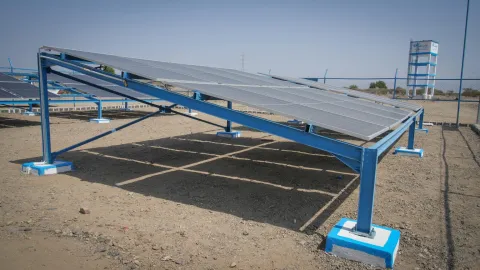
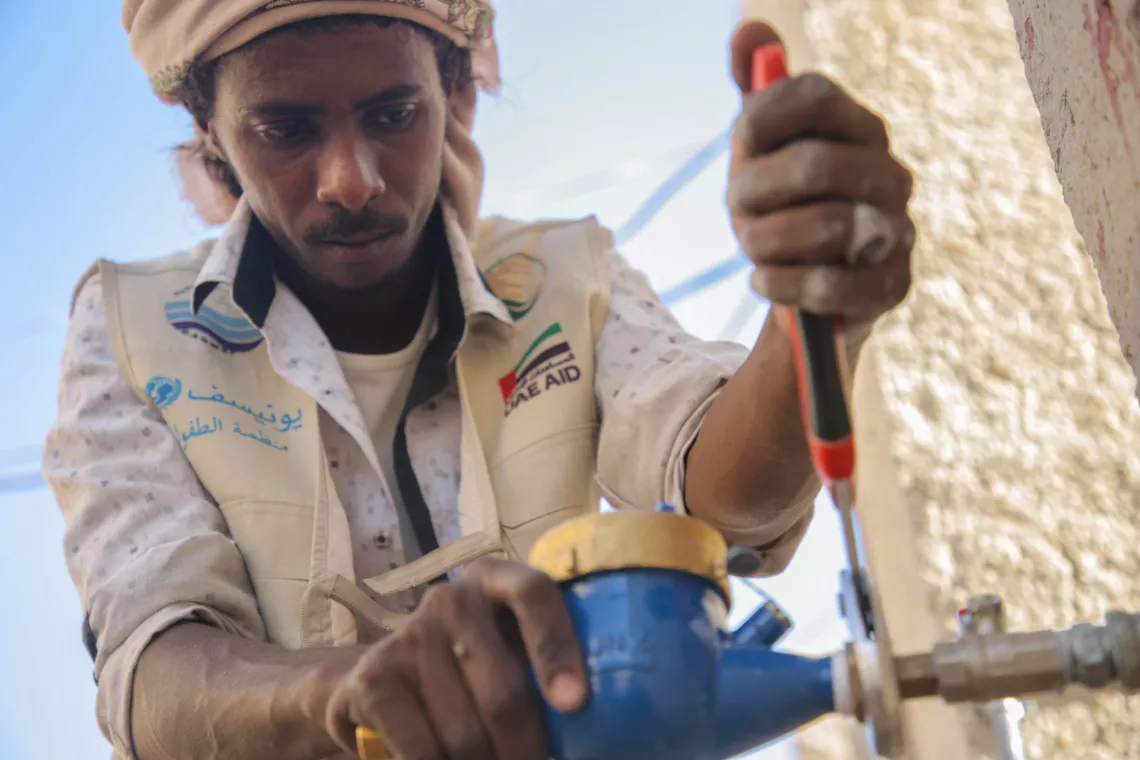
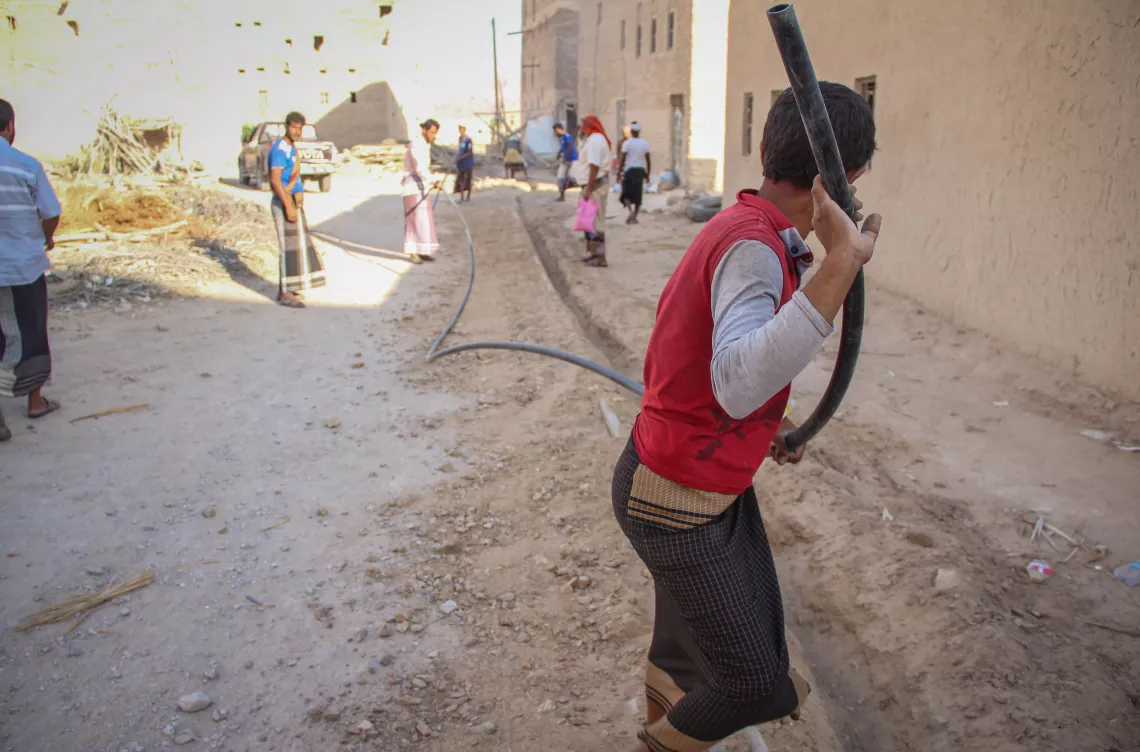
Over 6,000 children and their caregivers have now access to safe water after the rehabilitation of the main water station in the village. Water supply is ensured by newly installed water pumps powered by a set of solar panels producing 6,000 watts. A total of 1,000 meters of water pipes and 800 water meters have been installed to ensure a constant access to safe water in the households.
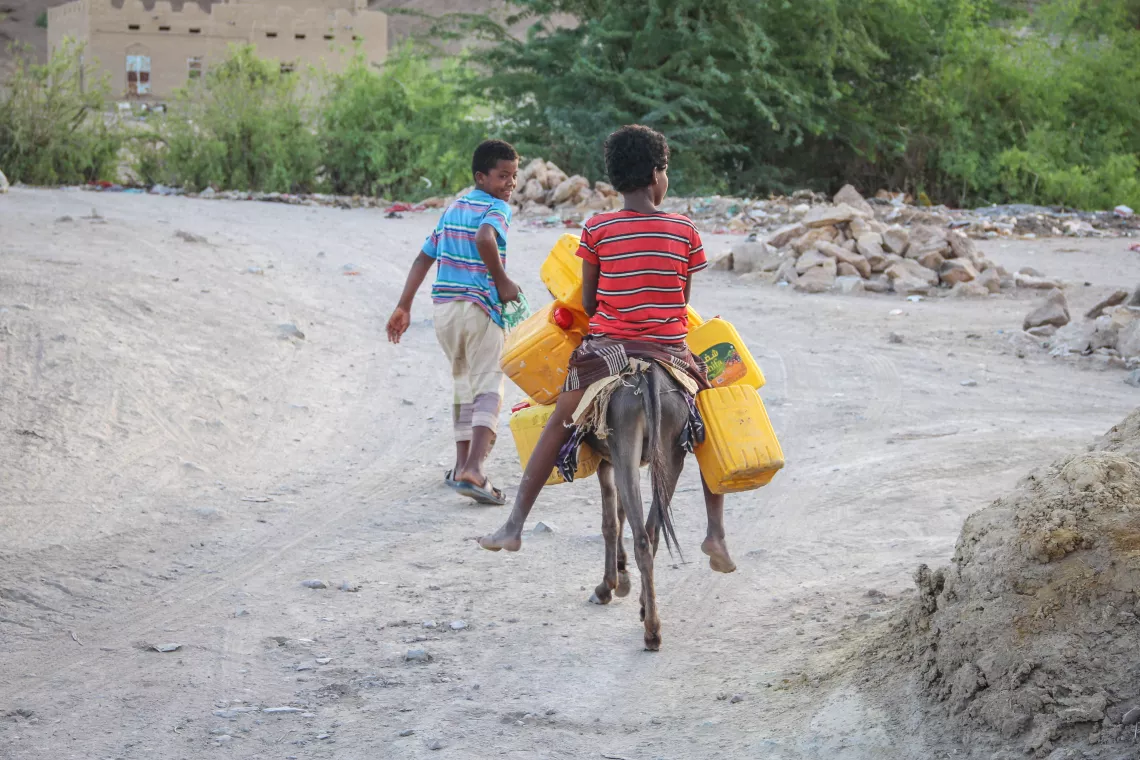
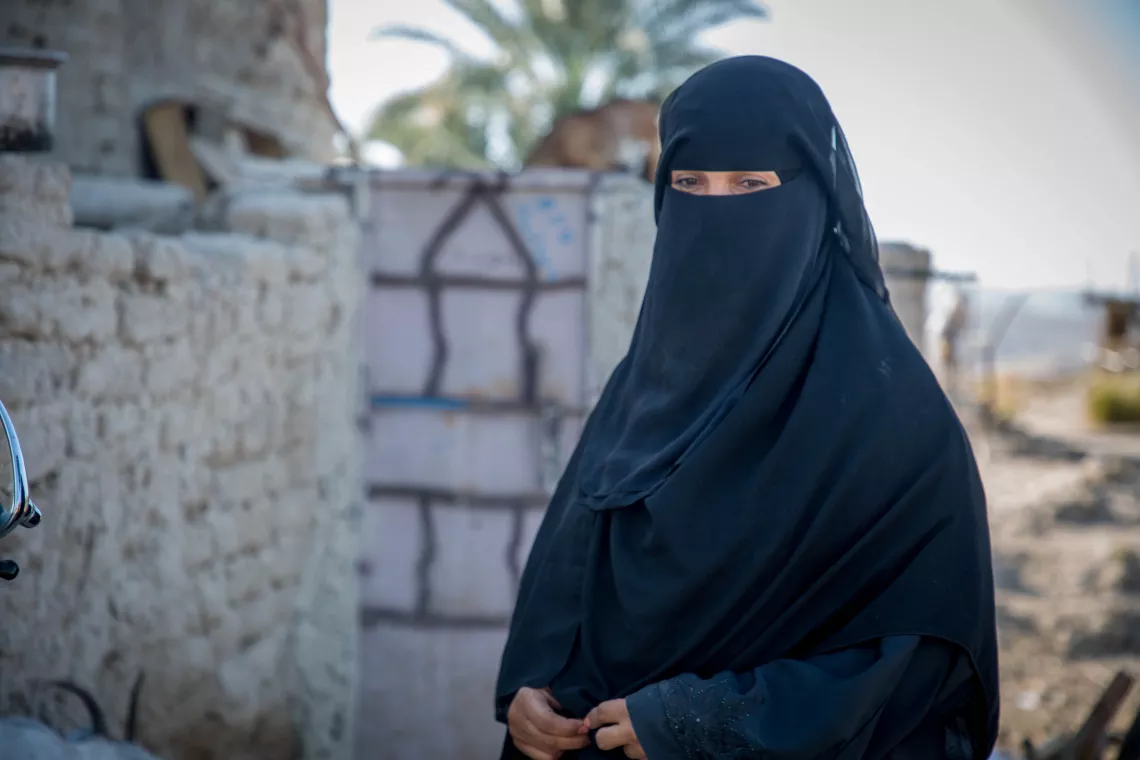
Previously, children were struggling every day as they had to go to hard-to-reach areas riding a donkey to fetch water. But because of this project, their lives completely changed. “Fetching water is the responsibility of women and children in the village,” explains Saphia Ahmed Yafei, a 30-year-old housewife and mother of six children. “We used to transport water jerrycans using donkeys from far away areas, even fetching water from polluted water sources. Now the water is coming to us directly,” she stresses.
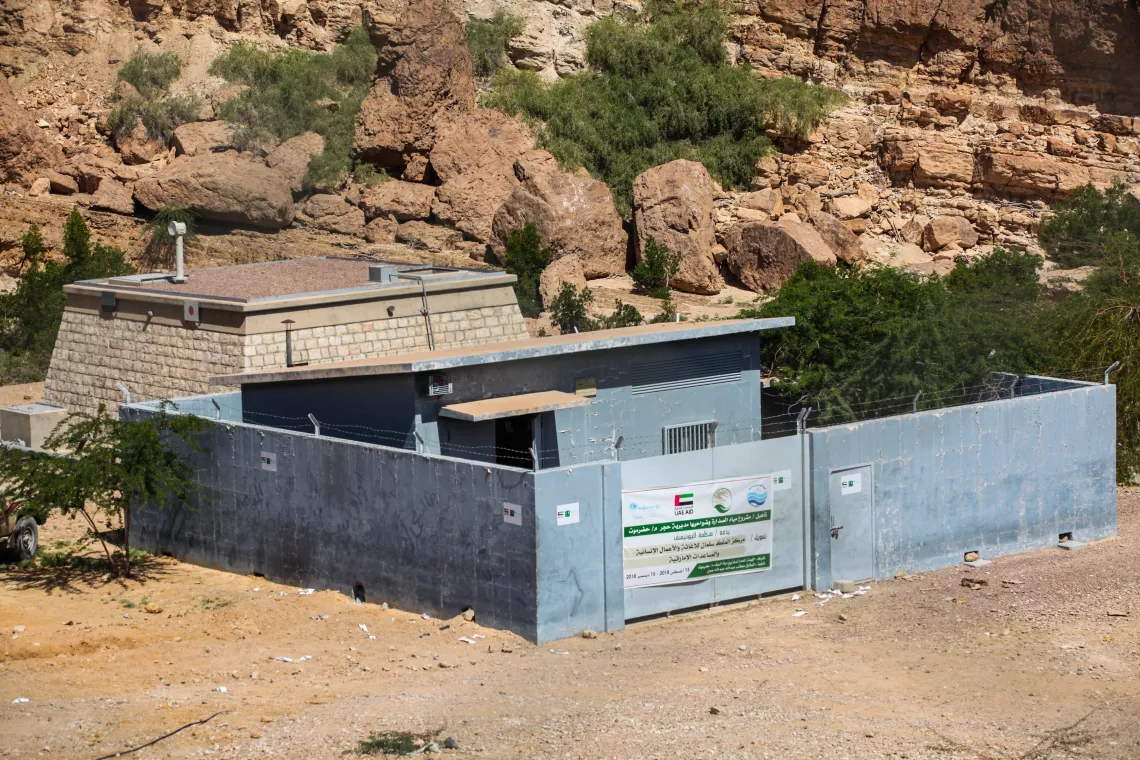
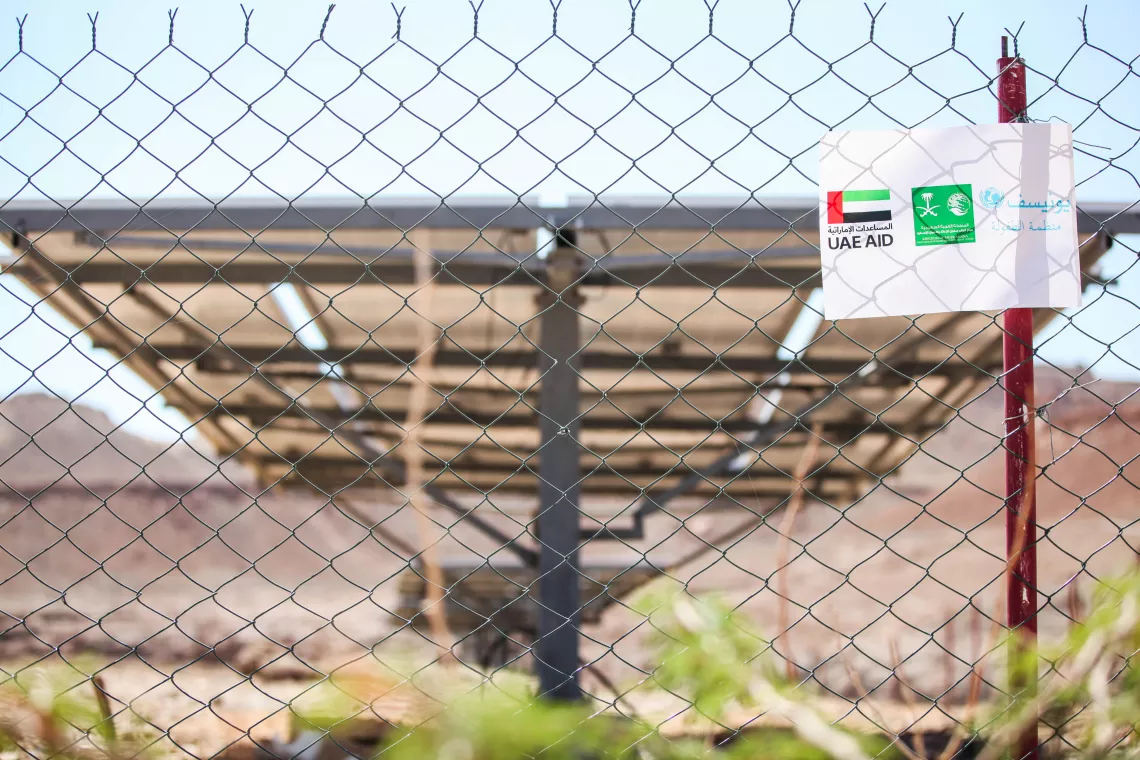
This WASH intervention was achieved thanks to the support of UNICEF partners, the King Salman Humanitarian Aid and Relief Centre (KSRelief) and the United Arab Emirates (UAE).