“Water Has Changed Everything”
How a Solar-Powered Water Project Is Transforming Life for 12,000 People in Taiz
- English
- العربية
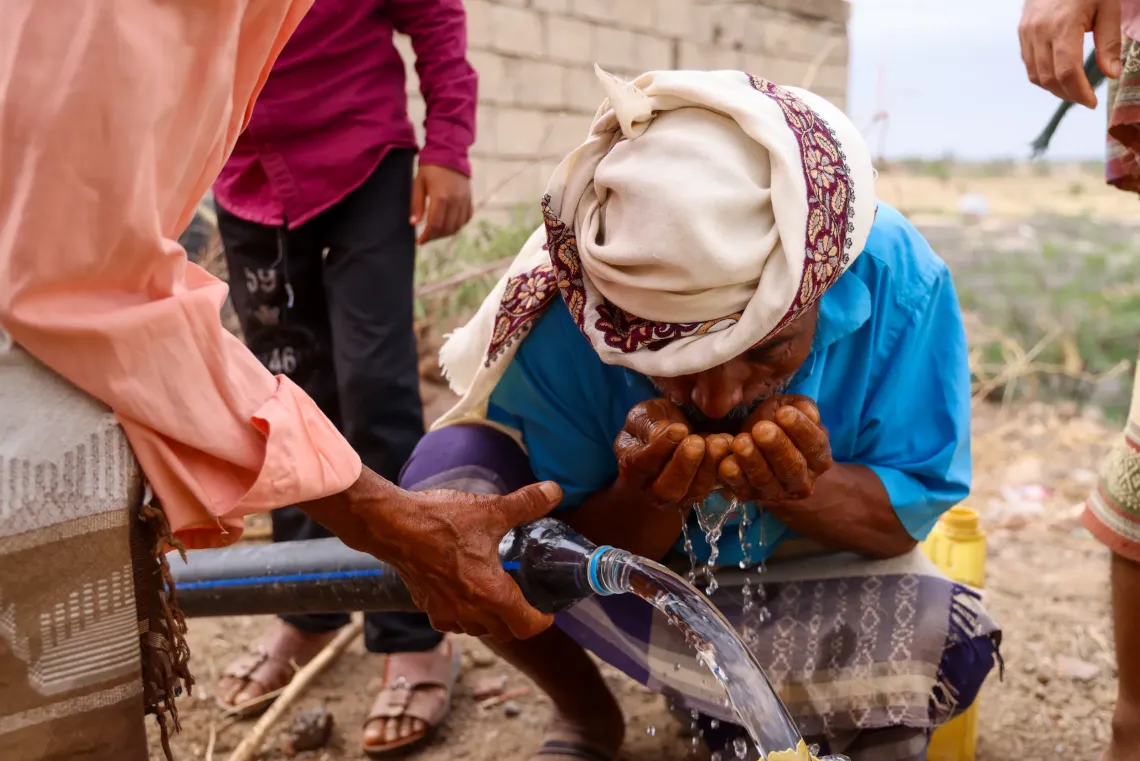
Water is life; without it, no one can survive.” These words from Mohammed Al-Masoudi, a resident of Al-Hojfa village, reflect years of hardship before clean water finally reached his community.
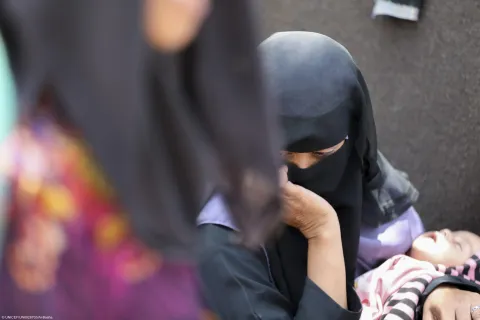
In Yemen, where 17.8 million people, half of them children, lack sufficient access to safe water, sanitation and hygiene services, the burden falls hardest on rural families. In Al-Hojfa, women and children spent hours each day walking long distances to fetch water, often from unsafe sources.
That reality has now changed.
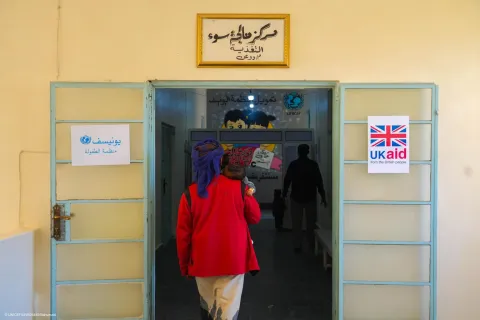
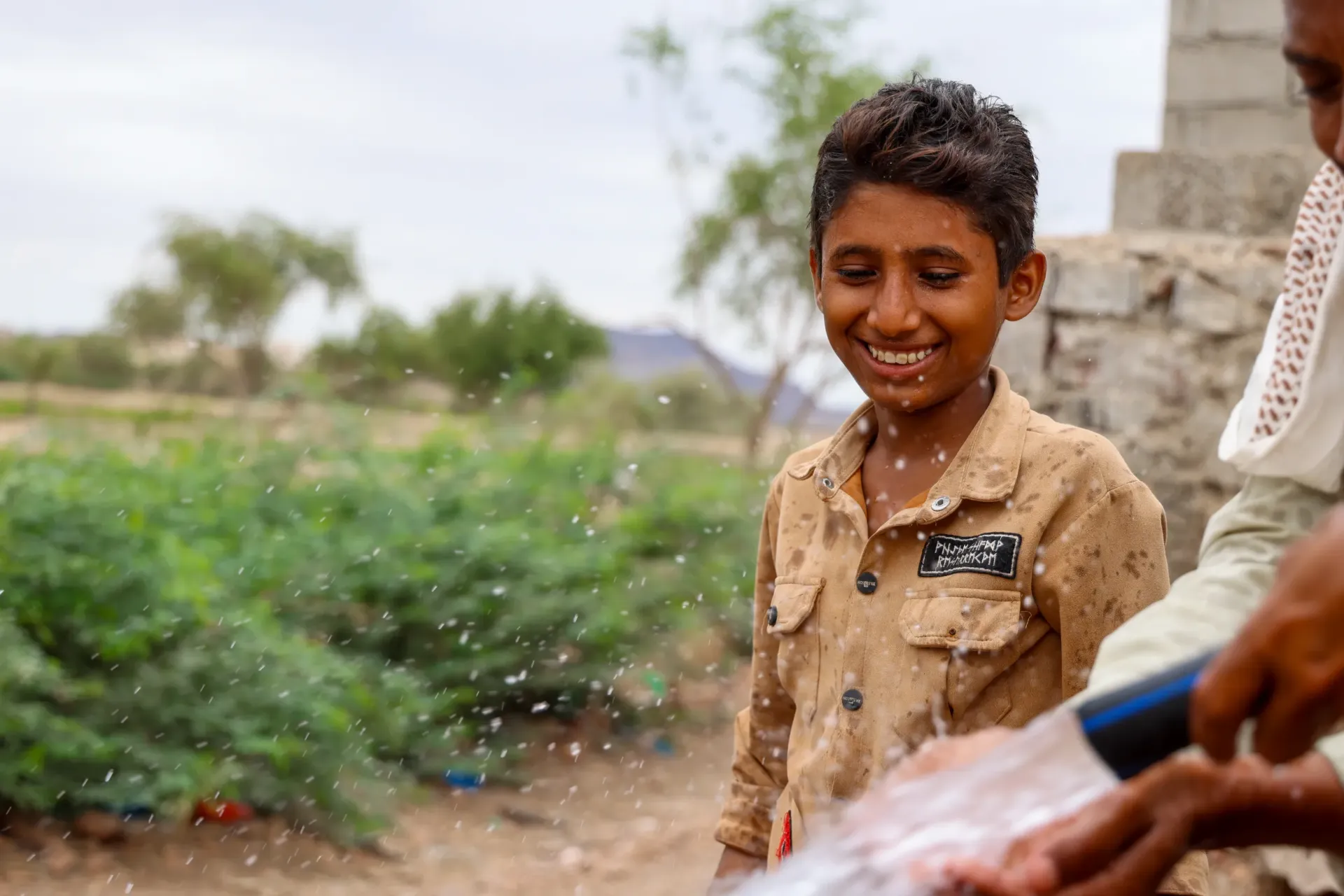
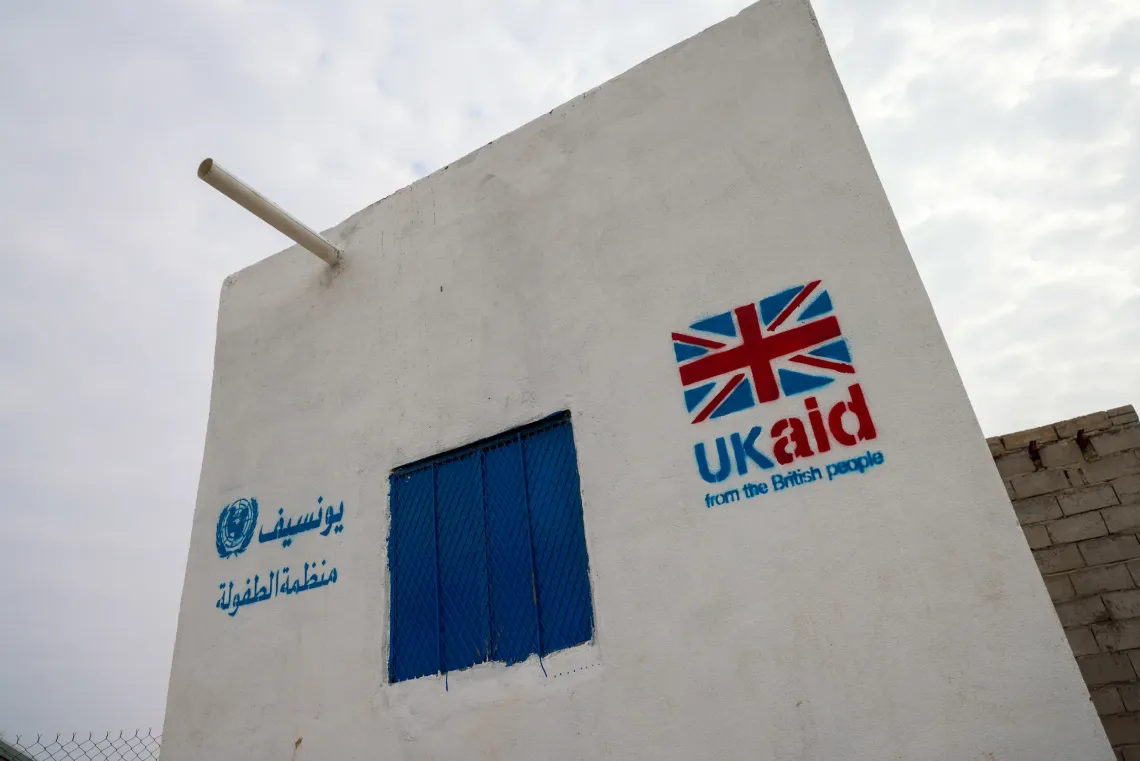
With support from the UK’s Foreign, Commonwealth and Development Office (FCDO), UNICEF implemented the Al-Hojfa water project, providing more than 12,000 people with reliable access to safe drinking water and transforming daily life across the community.
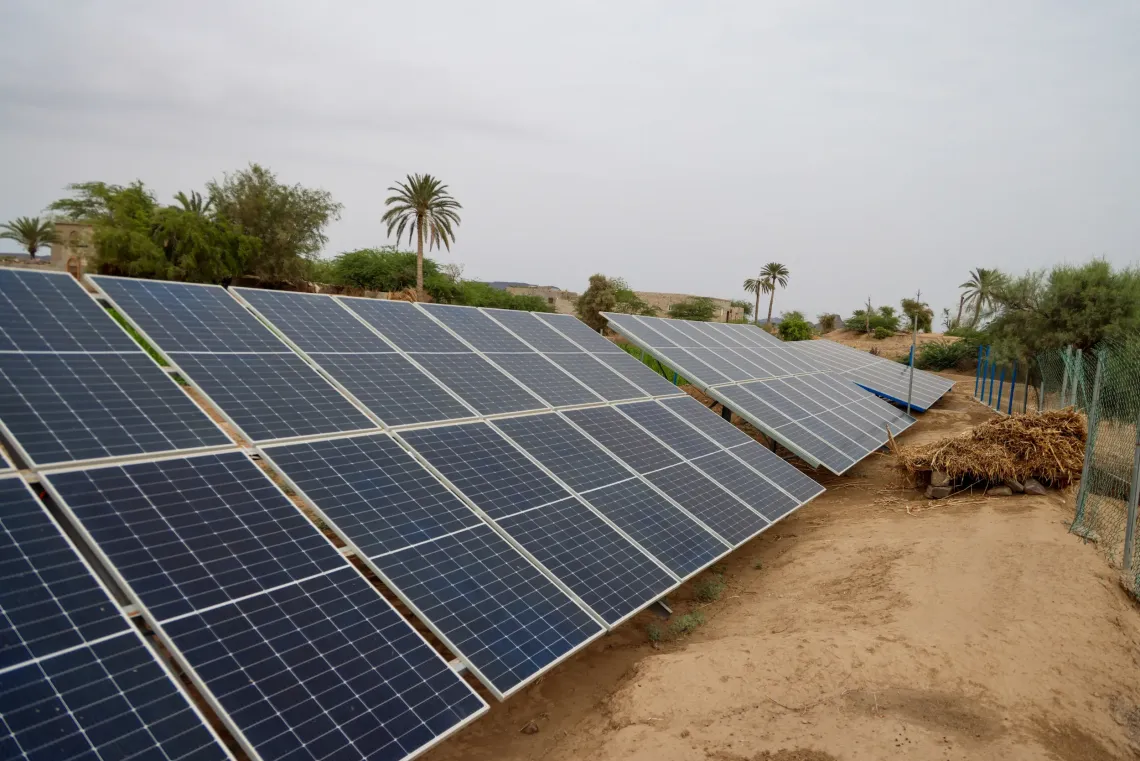
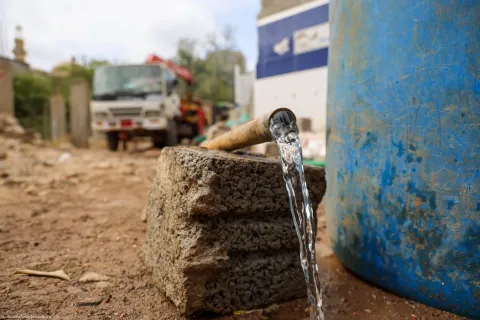
Today, more than 12,000 people can access safe drinking water after the project was completed. The intervention included the construction of a water reservoir, a 3.5-kilometre pipeline network, rehabilitation of an existing well, and installation of a solar-powered pumping system. This ensures reliable water delivery to beneficiaries in Al-Hojfa village and surrounding communities.
Training and Management for Sustainability
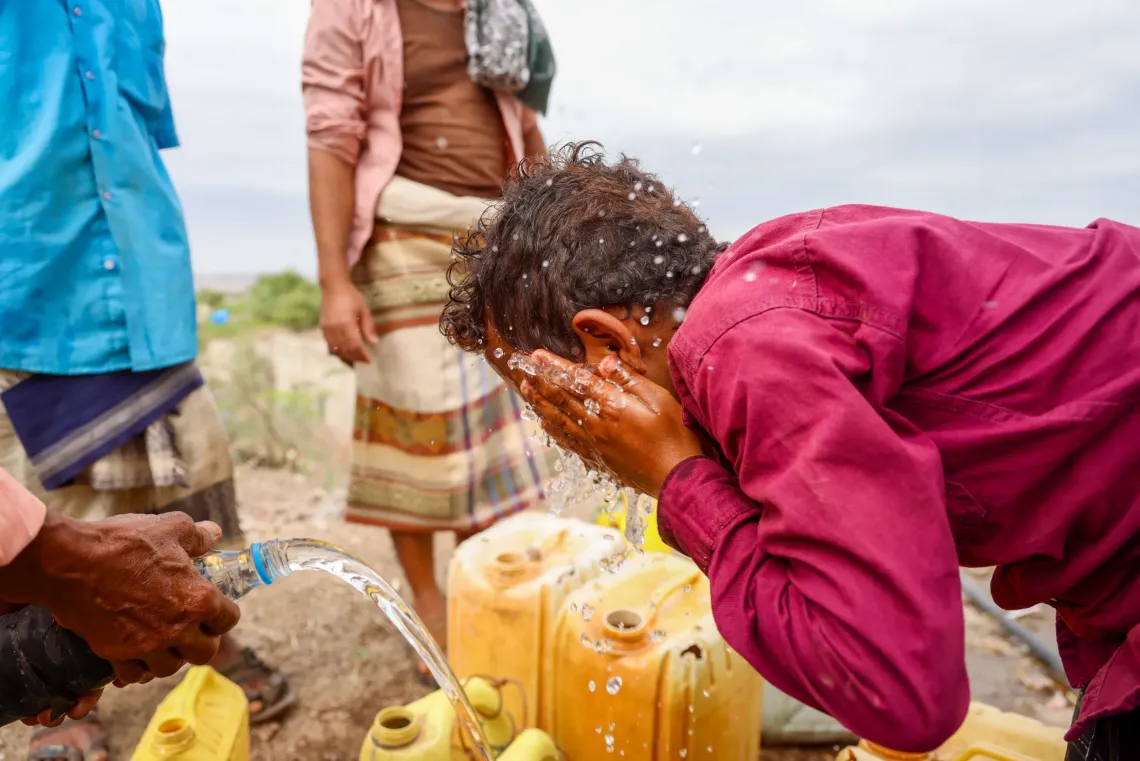
To ensure sustainability, a water committee was trained to manage the system and improve daily life for community members. A project management office was also established and equipped with a remote monitoring system. With 12,000 people now receiving clean water regularly, the project’s impact is clearly visible in everyday life. Families can drink, cook and wash using safe water, and overall community health has improved, making life more stable for everyone.
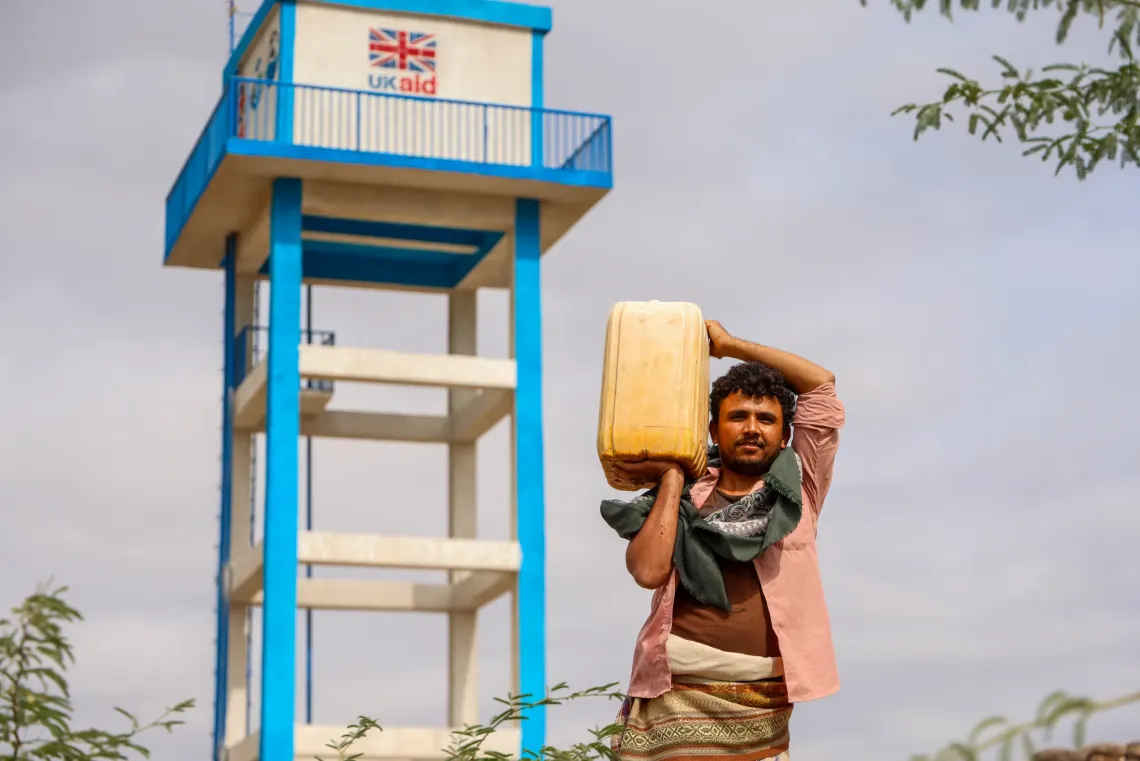
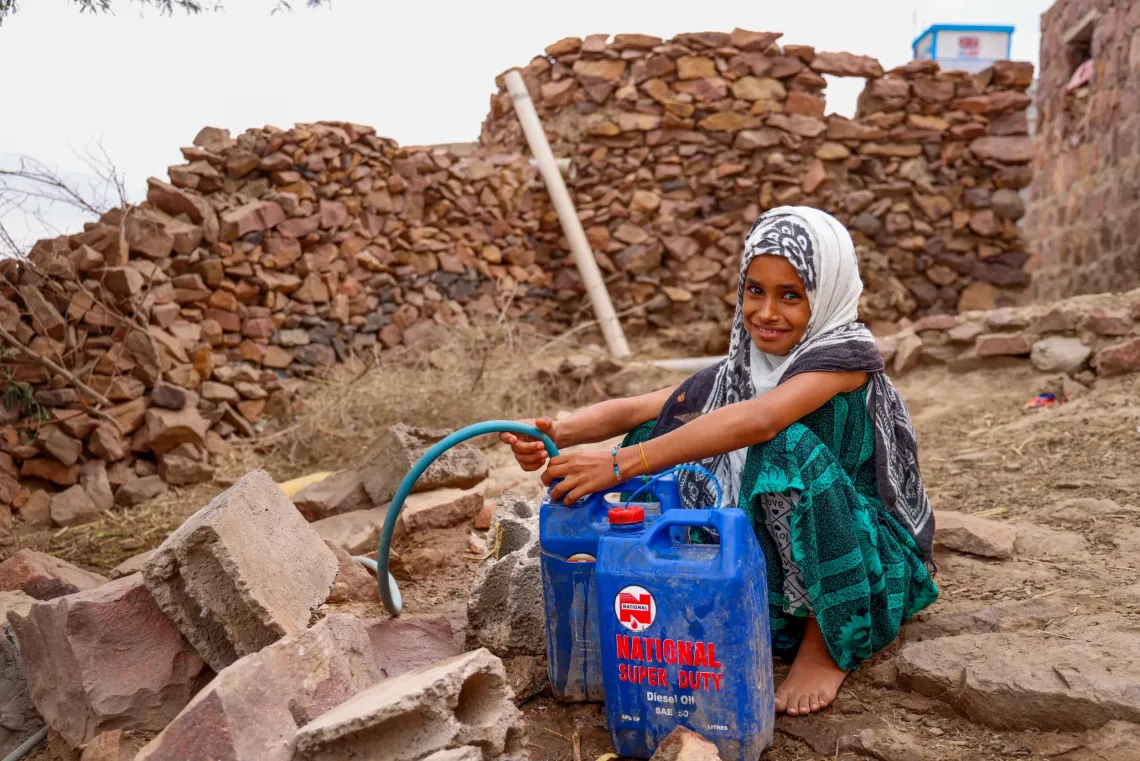
Daily journeys to collect water meant lost school time for children and hours of labour for women. Worse still, unsafe water sources caused diarrhoea diseases that affected the most vulnerable members of the community. Recalling those difficult days, Mohammed says they used to bring water from such far distances that children and girls faced serious risks, including falling into wells or being attacked by dogs or wild animals.
Inclusive and Sustainable Access
UNICEF’s Water, Sanitation and Hygiene programmes focus on inclusive and sustainable access, prioritizing the most vulnerable communities and integrating water services with health, hygiene and education outcomes.
“The project brought vital changes to our lives,” Mohammed says. “Clean and sustainable water is now available, and women and children no longer have to walk for hours to reach water sources.”
Saving Time and Money
Mohammed highlights the project’s positive impact by explaining that access to clean water has saved both effort and money, especially for families who previously had to spend on fuel for motorcycles to fetch water. He adds that after years of hardship, clean water is now available in sufficient quantities for drinking and household use. He also notes that more children are now attending school instead of fetching water.
Water is now pumped and distributed to population clusters, and Mohammed hopes the internal network will be extended to connect water directly to homes so that hardship can end completely.
“Providing clean water continuously means sustaining life, improving hygiene and preventing disease,” says Mohammed Al-Masoudi.
He adds that the project has significantly improved his life and the lives of others, with better public health and improved hygiene for children and households.
Training and Management for Sustainability
To ensure sustainability, a water committee was trained to manage the system and improve daily life for community members. A project management office was also established and equipped with a remote monitoring system. With 12,000 people now receiving clean water regularly, the project’s impact is clearly visible in everyday life. Families can drink, cook and wash using safe water, and overall community health has improved, making life more stable for everyone.
The impact has been profound. Mohammed Al-Masoudi says enthusiastically that after the project was implemented, the cases of cholera, diarrhoea, and other water-borne diseases have decreased significantly.
Thanks to the partnership between UNICEF and the UK’s Foreign, Commonwealth and Development Office (FCDO), clean water is no longer a distant hope for families in Yemen, it is a daily reality. Children no longer spend hours fetching water, mothers no longer worry about unsafe sources, and communities can live healthier, safer lives. This partnership is not just delivering water systems; it is giving children time to learn, family's dignity, and communities the chance to thrive.