Water networks in Al-Jawf provides a source of life
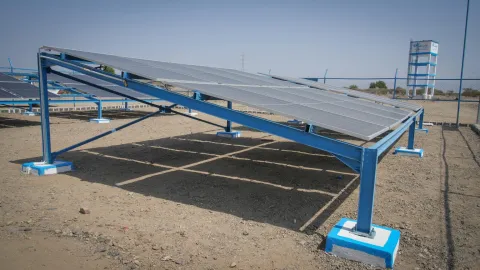
The rehabilitation of Suq Al-Thuluth and Rizezah water project supports the lives of more than 1300 people in Khab wa Asha’af District
- English
- العربية
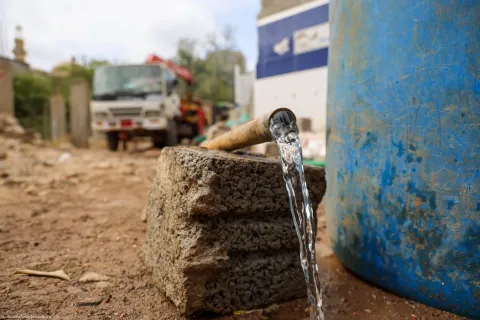
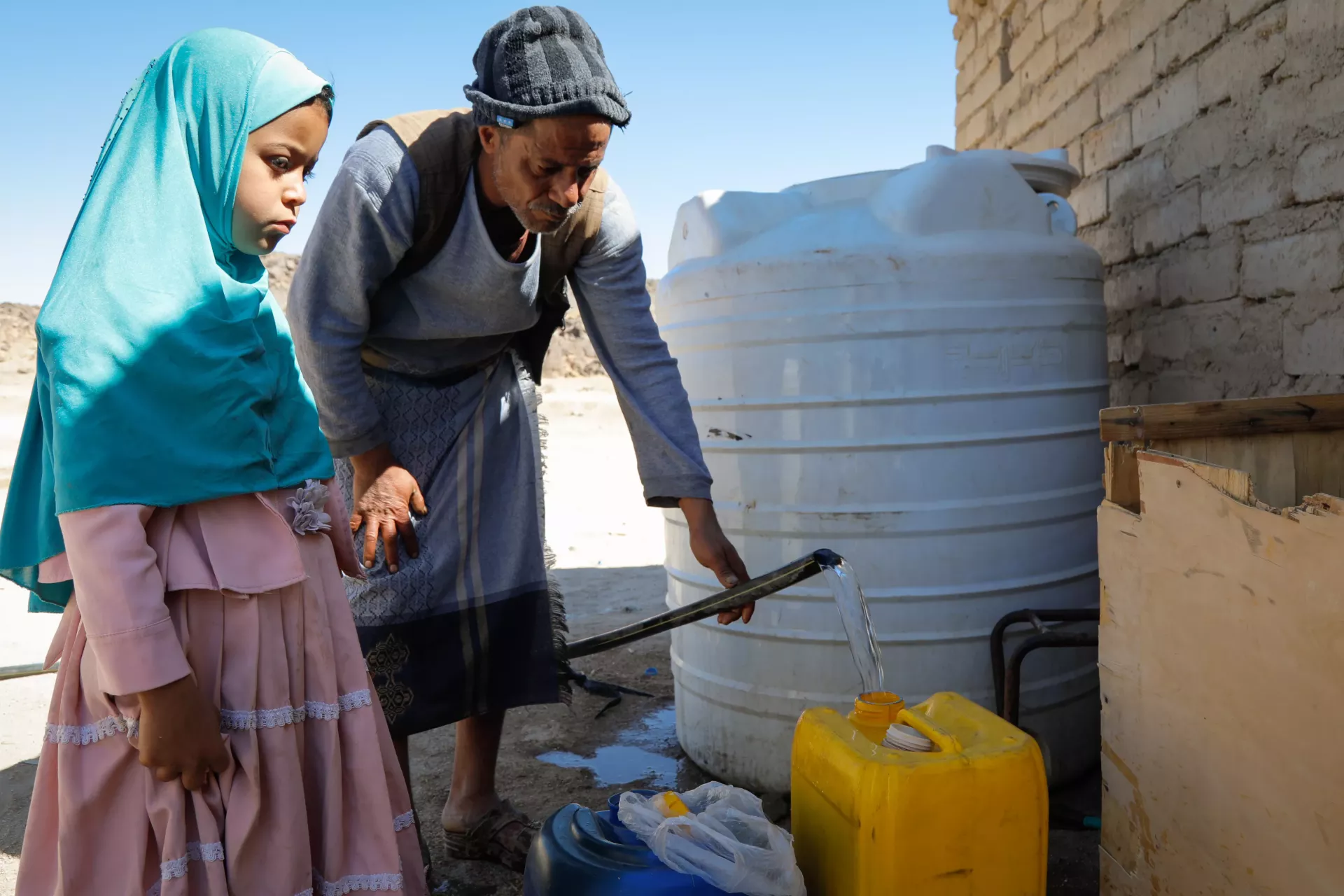
Mabkhout Saad Ali Al-Ezz, a 42-year-old car mechanic, collects water flowing from the pipe just outside his home in a dry and remote community in the Khab wa Asha’af District in Al-Jawf Governorate.
“We used to walk over 15 kilometers to bring water,” says Mabkhout. “It was exhausting and dangerous, especially for children who were also helping us,” he remembers, “But now we have enough clean water for everything—cooking, cleaning, washing—everything a family may need! I am grateful.”
Mabkhout is one of the residents who are benefitting from the newly rehabilitated water system as part of the Suq Al-Thuluth and Rizezah Water Project that connected more than 150 households with clean and safe drinking water, now a lifeline for families.
Yemen is one of the most water-scarce countries in the world with unrestricted groundwater extraction for agricultural and economic purposes and recurrent drought driving increased water table depletion and shortages across the country. According to the latest data from the UN, 27 per cent of the population do not have access to safe water and nearly half of the population do not have access to enough drinking water when needed.
While the country has historically struggled to provide people with accessible water, the ongoing conflict that has lasted for almost a decade has made the situation catastrophic for Yemenis, particularly those who have been forced to flee their homes and move into temporary camps or accommodations in unsanitary conditions "This project isn't just important to me and my family; it's a lifeline for everyone in Suq Al-Thuluth area,” says Daleel AL-Hassan Saeed Al-Ozazi, a 28-year-old resident of Al-Rizezah village located in Al-Thuluth. “Access to water is not just a convenience; it's a basic necessity that now reaches every home,” he adds.
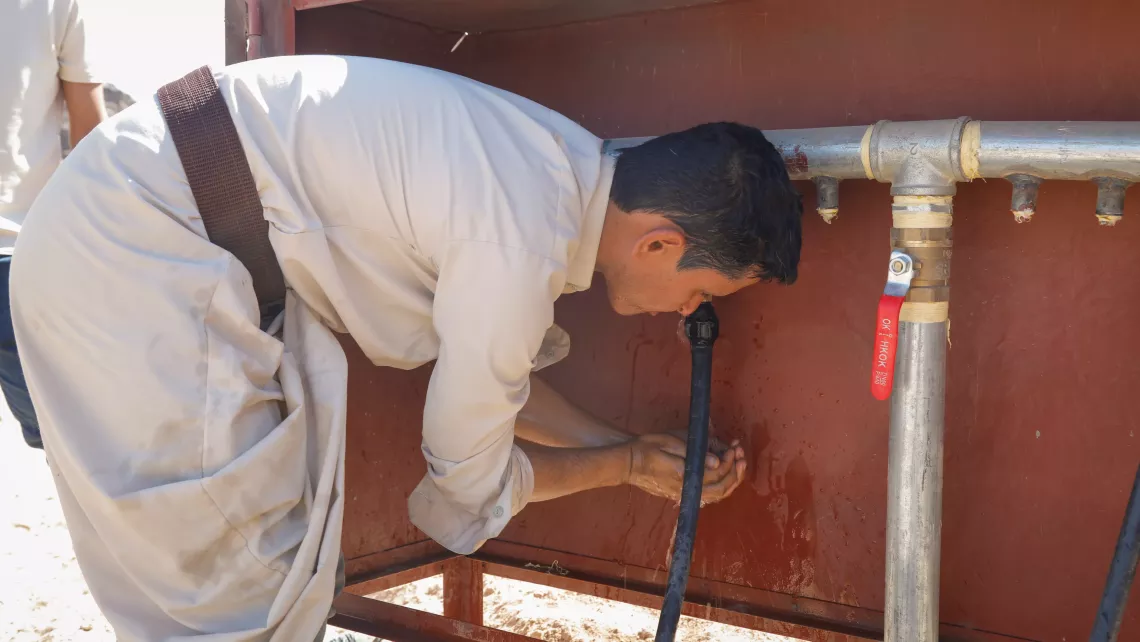
Lack of water is not just a nuisance, an inability to take a relaxing shower or make a cup of tea whenever you want. It can start a chain reaction that leads to a humanitarian catastrophe.
Yemen is a country that faces extremely high risks of cholera and COVID-19 breakouts due to the inaccessibility of safe water for food and personal hygiene. Every year, thousands of young Yemenis have to leave schools in order to help provide their families with clean water, which they often have to carry themselves from faraway wells, undermining their health and giving up on education, career ambitions, and dreams.
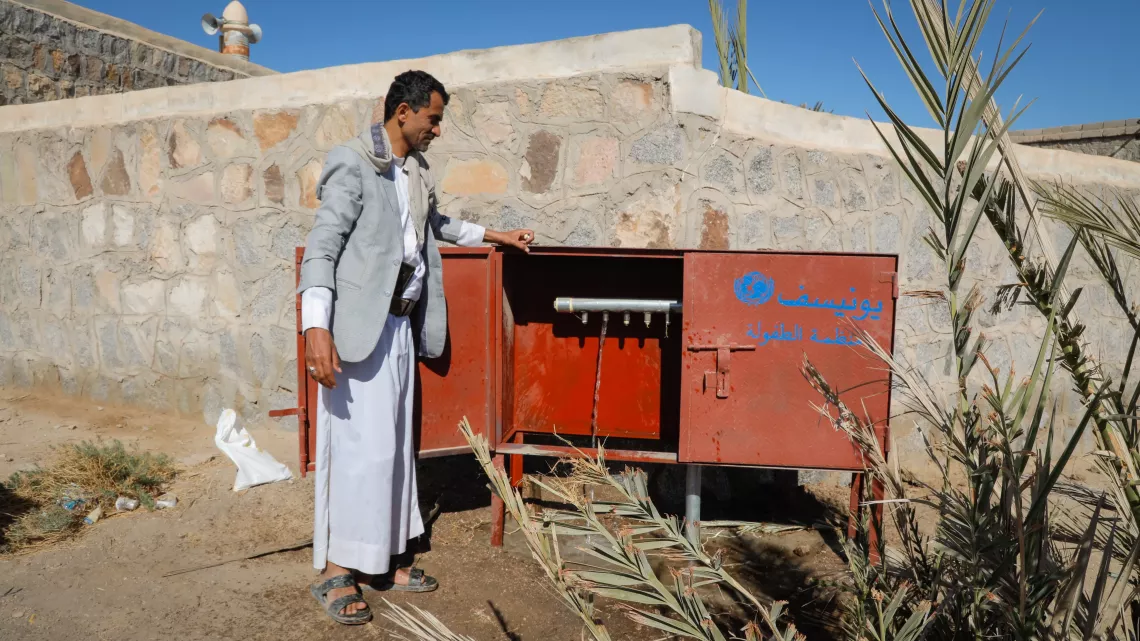
The fuel crisis makes water delivered by special trucks unaffordable for the majority of Yemeni families. As a result, the country is facing a dreadful medical, food, and orphan crisis since only one-third of the country's population is connected to piped water. And even with water networks, the water supply remains unstable due to worn-out infrastructure and other factors.
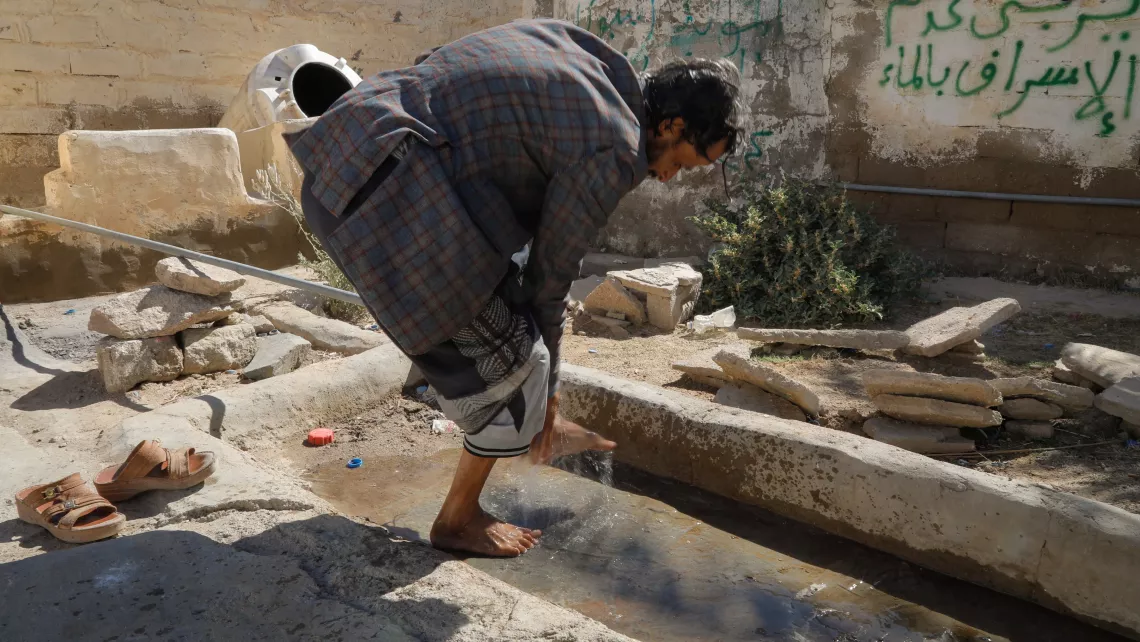
Wael Hameed Zaid from Khab wa Asha’af District says that has seen a huge difference the Suq Al-Thuluth and Rizezah Water Project made in the lives of residents.
“Water trucks came once in 3 days, and sometimes they could not get to us for a whole week. Sometimes we had to travel long distances in the middle of the night to get water. It was dangerous and exhausting. Finally, we don't have to suffer anymore and think that water can run out.”
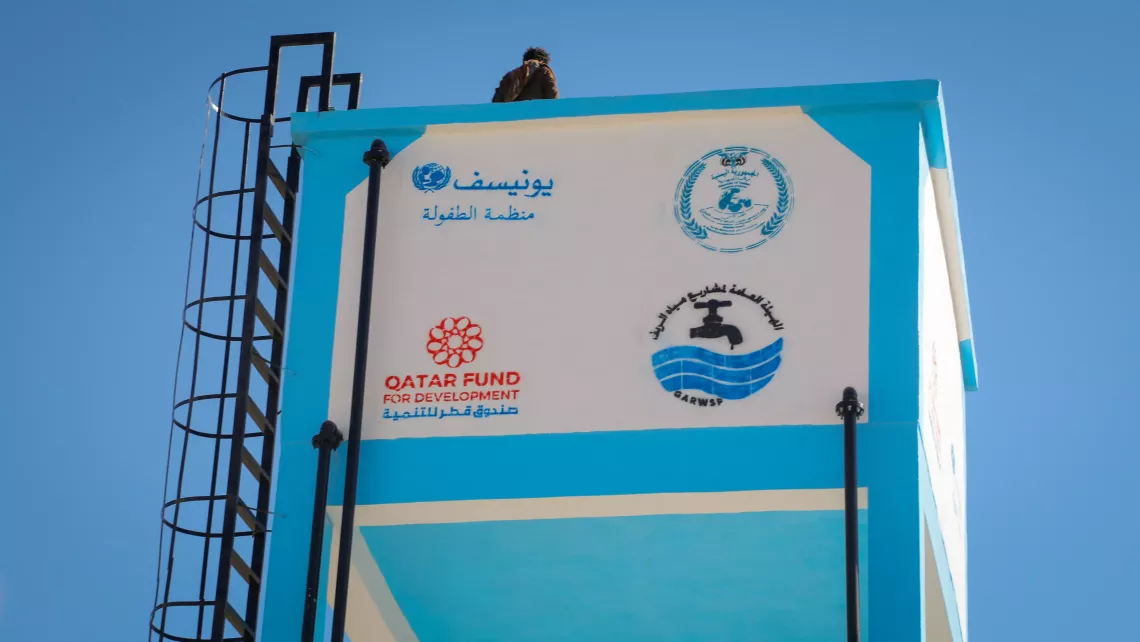
UNICEF’s Suq Al-Thuluth and Rizezah Water Project was funded by the Qatar Fund for Development.