Q&A: how UNICEF responds to emergencies
As floods strike Thailand, children are the most vulnerable and must come first. UNICEF’s Deputy Representative explains why.

- English
- ไทย
Q: What are the unique risks to children in floods?
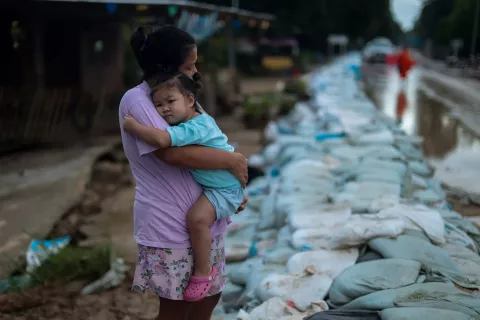
While floods create risks for everyone, the dangers are greater and more complex for children. Children’s bodies and immune systems are still developing, so they are more vulnerable than adults to health risks like water-borne diseases such as diarrhea, injury, and malnutrition. Floods also damage or destroy infrastructure including schools or hospitals, cutting children off from education, sanitation, clean water, and essential services.
As well as physical risks, many children experience stress and emotional shock during a flood. Watching water levels rise rapidly in their home can be very frightening. Missing their routines or losing the things that make them feel secure, like favourite toys or their bed, can make the world feel suddenly scary for any child, particularly younger ones.
Another risk during emergencies is separation from parents or caregivers, which can happen if evacuations take place quickly or if families are forced to move through crowded areas. Even brief separation can be very distressing for a child.
The risks of violence, exploitation, or neglect also increase during floods as routines break down and supervision becomes more difficult.
Because of these multiple risks, families and humanitarian responders must put children first in an emergency. Children’s survival and future wellbeing depend on fast, coordinated support that keeps them safe, reassured, and cared for.
Q: How can families and caregivers keep children physically and emotionally safe during floods?
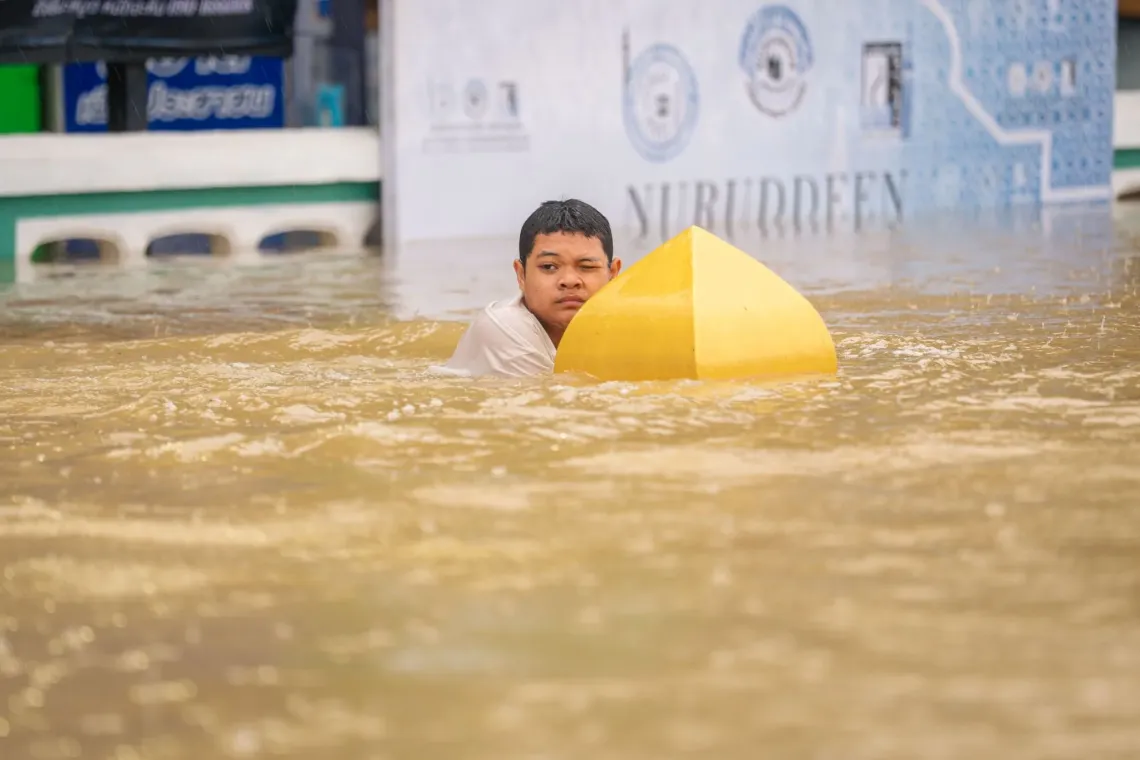
During floods, children face both physical dangers and emotional stress, so families play a crucial role in keeping them safe and reassured. One of the most important steps is to keep children out of floodwaters whenever possible. Even when water looks shallow or harmless, it can be contaminated. Families should use only safe water for drinking, cooking and washing food, and if there is any doubt, boiling the water for at least one minute will improve safety. Frequent handwashing is essential, especially after using the toilet and before eating, and children who have been exposed to floodwater should be bathed as soon as possible.
If evacuation becomes necessary, planning a safe route and carrying essential documents, medicines, baby supplies and non-perishable food in waterproof bags can make a stressful situation more manageable.
Just as important is supporting children’s emotional wellbeing. Floods disrupt routines, separate families from their familiar surroundings and can make the world feel frightening for kids, especially the little ones. Giving children space to talk about how they feel, listening closely, and offering comfort and closeness helps them feel secure. Simple calming activities, soft conversation, or even a big hug can make a big difference. Sticking to familiar routines such as the usual meal times, bedtime rituals, or reading together helps restore a sense of normalcy.
Clear rules about staying together, identifying trusted adults, and avoiding unsafe areas can protect children from risks, especially in crowded or unfamiliar places such as evacuation centres.
Parents should also keep an eye out for any signs of stress. If children seem scared or behave differently for a long time, consider seeking professional help. The Department of Mental Health can be contacted on hotline number 1323.
By caring for their physical safety and emotional needs, families can help children feel protected, calm and supported during one of the most stressful moments of their lives.

Q: What is UNICEF Thailand doing on the ground to help children during emergencies?
In an emergency, time can mean the difference between life and death, and that why our work starts before the emergency even hits. UNICEF Thailand stores essential supplies in high-risk areas before disasters happen so that when floods strike, we can get hygiene supplies, blankets and other support to children within hours or days — not weeks. This preparation allows us to act swiftly to protect children at the moment they need us most.
When emergencies happen, the Thai people are incredibly generous, and many supplies arrive right away. This immediate support makes a huge difference, and UNICEF’s role is to make sure children do not fall through the cracks in the rush to help. That’s why our kits include items designed especially for children, including baby supplies and Magic Bags filled with educational and recreational materials that bring children comfort and help them to keep learning.
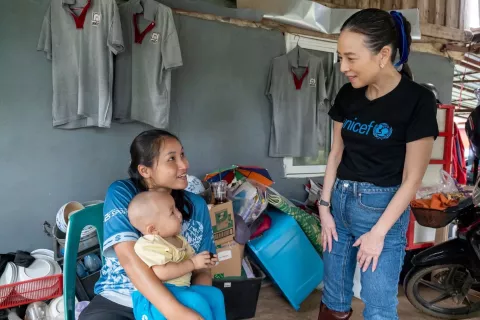
Our work in emergencies goes far beyond delivering supplies. UNICEF works closely with the Department of Disaster Prevention and Mitigation (DDPM), local authorities and community partners to assess situations and ascertain what children need most. This support can take many forms — from deploying mental health teams to help children and adolescents cope with stress, to setting up child-friendly spaces where children can play, learn and feel safe again. In addition, UNICEF helps create safe spaces for mothers to breastfeed and care for infants with dignity.
Across all our work, UNICEF’s priority is clear: respond fast, stay focused on children’s unique needs, and support families and communities to recover safely and with hope.

Q: When UNICEF Thailand launches an emergency fundraising appeal such as the current floods appeal, do the funds go directly to this emergency — and how are they used?
Yes — the funds raised go directly to support children and families affected by the emergency. But it’s also important to understand that UNICEF does not wait for donations before responding. When emergencies strike, UNICEF immediately draws on global resources, pre-positioned supplies, and emergency reserves so we can act fast. In the case of the current floods in Southern Thailand, we had already stored essential items in the province, including hygiene kits, blankets, and recreation and learning materials. We know from experience that these are often the first things families need during floods.
Every emergency is different, and our support is tailored to what children need most in each unique moment. Sometimes this means providing urgently needed health and hygiene supplies, while at other times it might mean creating safe spaces for children, online learning when schools close, mental health support, or emergency cash transfers for families who have lost income.
This is why UNICEF raises funds year-round, so we are always ready to respond rapidly and support children from crisis to recovery. Donations collected now—and in the coming weeks—will help us deliver that support to families whose lives have been turned upside down, while strengthening our overall emergency preparedness.