

2024: Who cares about climate change? #CountMeIn
Climate change is changing children's lives – now the younger generations are demanding action

- English
- ไทย
How Does Climate Change Affect Children?
Frequent illness, missed school, malnutrition, displacement, mental health issues, and even death – children bear the greatest burden of climate change, but their voices and needs are often overlooked. They suffer most and will face its effects the longest. So why are they often excluded in discussions and solutions about the climate crisis?

#CountMeIn
Voice of Children, Told by Children, Action by Children
UNICEF Thailand launched #CountMeIn campaign to raise awareness of the challenges children and young people face, while providing a platform for them to express their views and needs.
We all need to ensure that children and youth are included in the conversations and solutions surrounding the climate crisis, as they are the ones most affected and will inherit this planet for many more years to come.
What does UNICEF do on Climate Change for Children?
UNICEF - in Thailand and globally - calls on governments, businesses, and decision-makers to urgently protect children from the escalating climate crisis by adapting essential services to fit children’s needs, preparing them to thrive in a climate-affected world, and prioritizing them in climate funding.
In Thailand, UNICEF works with the government and partners to promote climate education which helps children and youth better understand climate change and learn ways to protect the environment. We also advocate for their increased participation and involvement in climate discussions and actions.
Photo Story: The Impact of Flooding on Children
A series of photos showcasing the effects of recent flooding in northern and central Thailand on children. As climate conditions evolve and the environment changes, children's lives are profoundly affected.


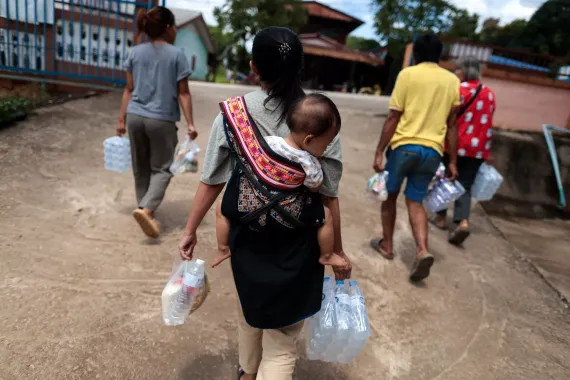


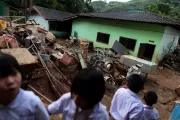

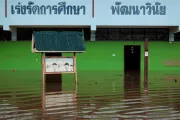



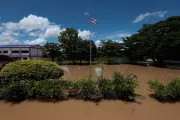

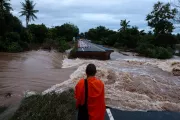
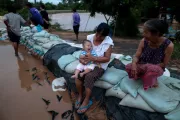
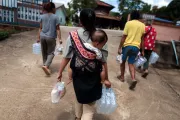
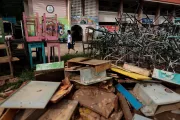
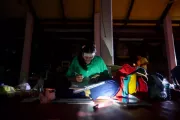

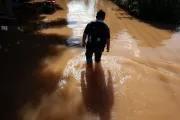
It Used to Be Here



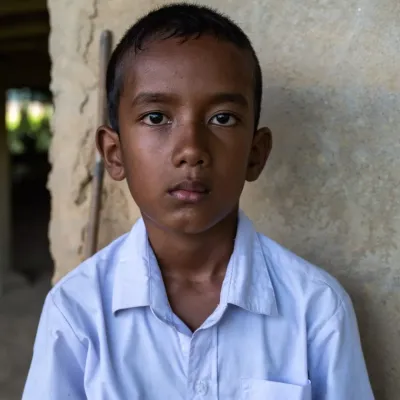
Shocking facts about climate change's impact on children

- 40 million children have their education disrupted annually by disasters exacerbated by climate change.
- Every day almost 2000 children under five years die because of health impacts linked to air pollution.
- Air Pollution accounted for 8.1 million deaths globally In and becoming the second leading risk factor for death, including for children under five years.
- 2 million preterm births annually attributed to ambient particulate matter exposure.
- 559 million children currently exposed to high heatwave frequency, rising to all 2.02 billion children globally by 2050.
- In 2020, over 75 percent of children or around 10.3 million, have been exposed to high heatwave frequency and will suffer more often and for longer in 2050.
- Thailand ranked 50th out of 163 countries where children were most at risk from the impact of climate change.
- Over 43 million children were internally displaced between 2016 and 2021 due to weather-related disasters, including storms and flooding.
- Floods, drought and food insecurity impact child undernutrition and lifelong health effects.
- Every 1°C rise in temperature increases the odds of stillbirth and preterm birth by 5%.
- Each 1 mg/m³ increase in PM2.5 from fires is linked to a 2.3% rise in child mortality risk.
- 10-fold surge in reported cases of dengue worldwide, with cases increasing from 500,000 to 5.2 million, with the highest incidence of cases among children and adolescents.
- Only 2.4 percent of key global climate funds can be classified as supporting child-responsive activities
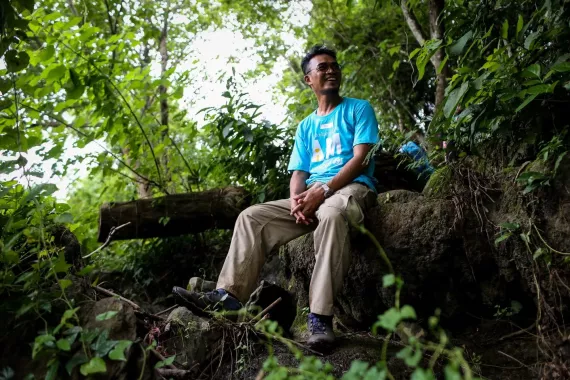
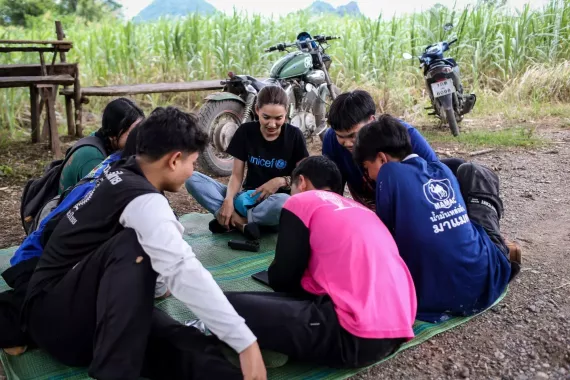
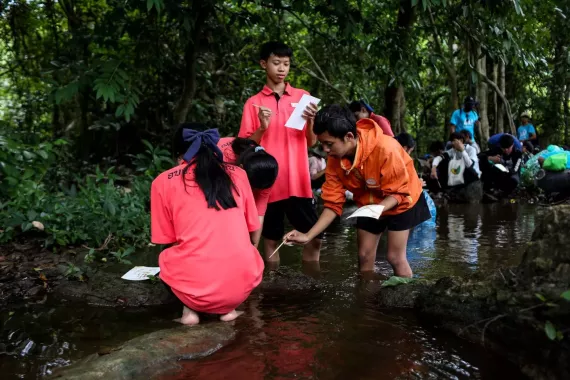
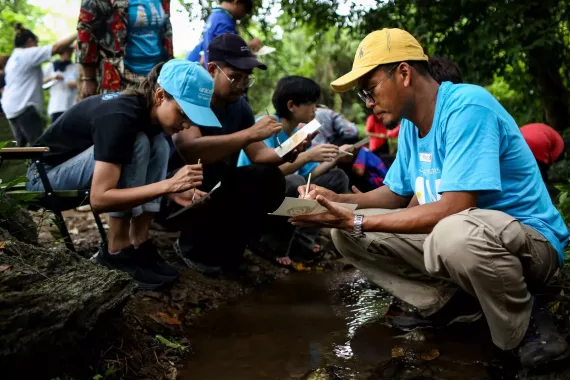
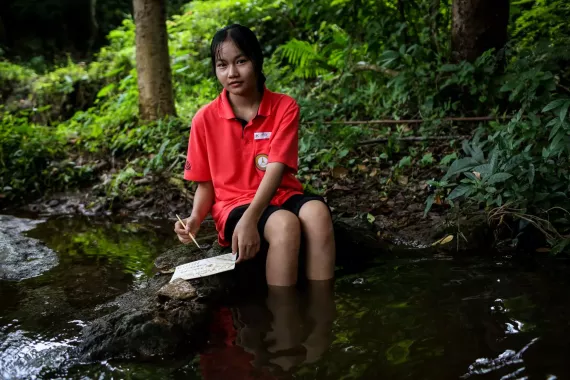
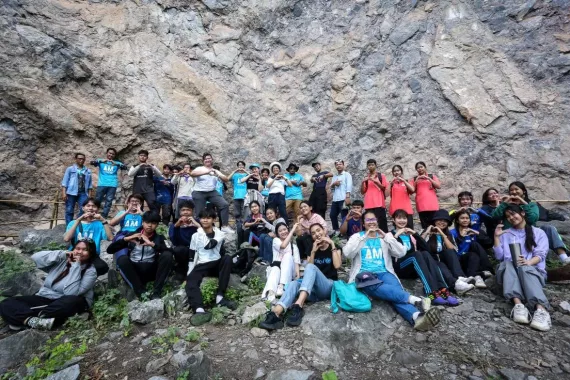
From Pink to Green: The Story of Si Chomphu’s Nature Guardians
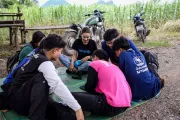
Fifty students gathered to participate in an environmental awareness initiative in Si Chomphu District, Khon Kaen Province, organized by UNICEF and the local community.

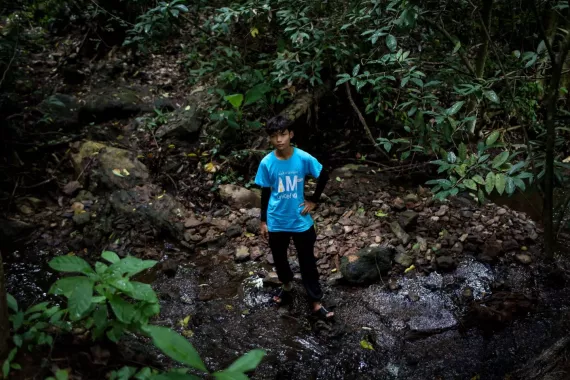


How do we cope with floods, air pollution, and extreme heat?


Essential report and handbook

ABC Handbook
The Active Learning on Biodiversity and Climate Change Handbook (ABC Handbook) is a resource for public, teachers, educators, youth, and families to teach children aged between 7-18 years old about biodiversity loss and climate change. The handbook offers adaptable activities that promote active learning and can be tailored to local contexts.

Impact assessment of climate change and environmental degradation on children in Thailand
Children in Thailand are at risk from climate change, as floods, droughts, and high temperatures impact their health, development, and well-being. This report compiles data on the areas where children are most affected and recommends implementing child-sensitive policies to address these concerns.