

Explosive weapons in populated areas
The devastating effects of explosive weapons on children are wide-ranging and can reverberate long after conflict.
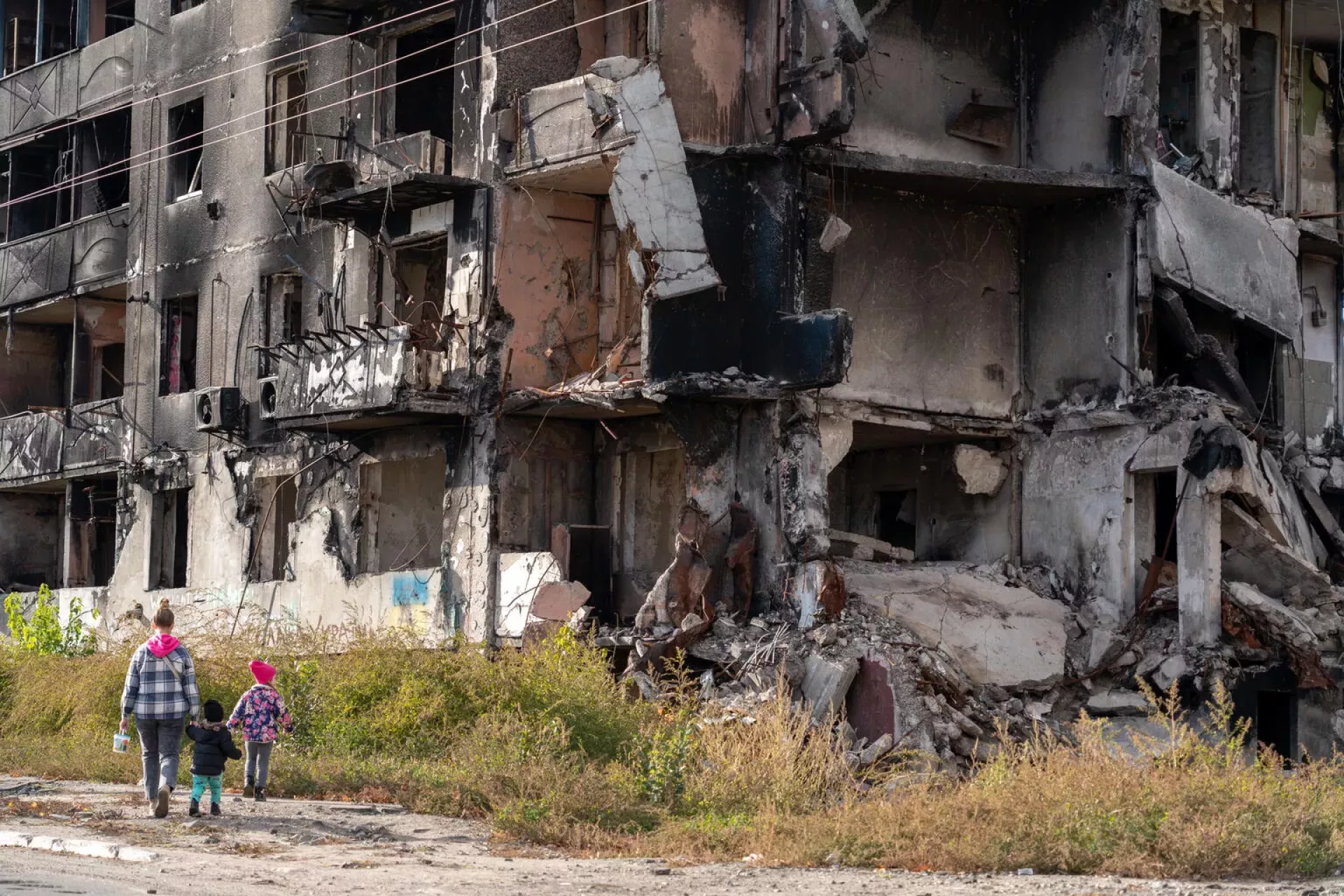
In conflicts around the world, civilians continue to endure the devastating consequences of the use of explosive weapons. Every year, thousands of children are killed, seriously injured or have their lives severely altered – during armed conflict and long after hostilities have ended. As armed conflicts have increasingly been fought in cities, towns, villages, and other populated areas, weapons originally designed for use in the open battlefield are increasingly being used in populated areas, posing a considerable threat to civilians – particularly children.
When used in populated areas, explosive weapons often have long-lasting effects well beyond the immediate harm. Widespread destruction of essential infrastructure and contamination by explosive remnants, for example, deprive families of essential civilian services, such as water and sanitation, electricity, health care and education.
How UNICEF is responding | What UNICEF is calling for | Download the fact sheet
Why children are particularly vulnerable to explosive weapons
Child survivors of explosive weapons in populated areas (EWIPA) endure devastating physical injuries. Some lose their sight, hearing or limbs, while others lose the ability to speak. Children who have been injured, especially those left with disabilities, have different physical rehabilitation needs to adults and, in situations where resources are limited, they are less likely to receive age-appropriate assistance.
The lives of children who survive a bombardment, even those who are not physically injured, are significantly altered. They endure distress or post-traumatic disorders such as persistent fear, severe anxiety, difficulty sleeping or concentrating, nightmares, withdrawal or a loss of appetite, which can interfere with their physical and cognitive development.
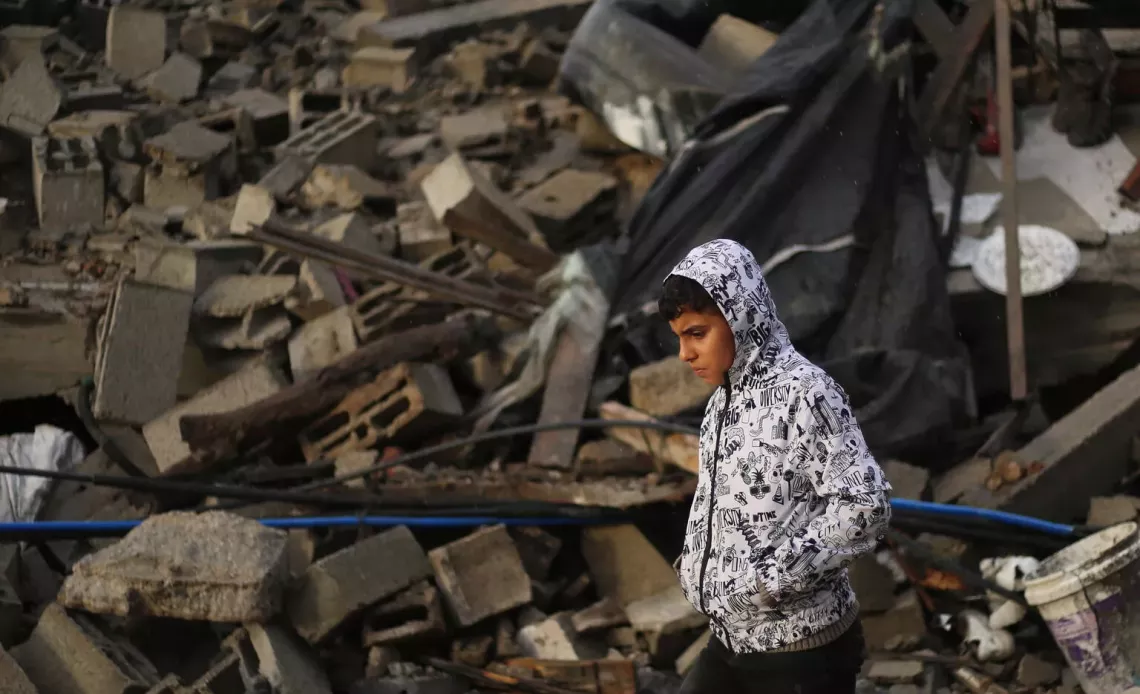
Children are also particularly vulnerable to the reverberating effects of explosive weapons. Damage to schools and hospitals can cause children to bear the consequences of conflict for the rest of their lives. Destruction of play areas prevents access to spaces that are essential for children’s development. Damage to a power plant, bridge, or water pipe can disrupt access to water and sanitation, increasing the risk of disease outbreaks – in protracted conflicts, children under 5 are more than 20 times more likely to die from diarrheal disease linked to unsafe water and sanitation than from the actual violence.
Even after conflict subsides, the effects of explosive weapons can be felt for years to come. Landmines and remnants of war still claim many lives across the world. Children are particularly vulnerable, often attracted to them for their colourful appearance and unaware of how dangerous they are.
How UNICEF is responding
UNICEF and partners provide lifesaving aid during and after conflict erupts and work to strengthen systems to protect children and support their survival, health and development. This includes interventions to ensure access to food, shelter, social support and health care. UNICEF rehabilitates and upgrades destroyed water and sanitation systems, provides cash transfers to displaced families because of conflict, provides education in emergencies and mental health and psychological interventions to children affected by EWIPA.
UNICEF also assists survivors of EWIPA through medical care, provision of artificial limbs, mental and emotional support and access to education, while helping build government and civil society partners’ capacity to protect and support children with disabilities.
Political Declaration on the use of Explosive Weapons in Populated Areas
The Political Declaration on the use of Explosive Weapons in Populated Areas, adopted in Dublin in November 2022, is a crucial opportunity to better protect children, their families and communities from armed conflict. The declaration sends a strong signal worldwide that harming civilians and damaging cities is not a reality we should accept by committing signatory states to restrict or refrain from the use of explosive weapons in populated areas.
What UNICEF is calling for
- All parties to conflict and those with influence over them, to protect and ensure respect for children’s rights including by ending the use of explosive weapons in populated areas and holding perpetrators to account when children’s rights are violated.
All parties to conflict to uphold International Humanitarian Law, notably related to the conduct of hostilities, including the application of the principles of distinction and proportionality and by taking all feasible
precautions during military operations. Parties must also prioritize the protection of civilian infrastructure essential for child survival and wellbeing, such as schools, hospitals and water and sanitation facilities.
- All Member States to endorse and implement the EWIPA Political Declaration. This should include identifying and adopting standard operating procedures, policies, and practices that reduce harm to children, and sharing good practices to influence the conduct of other countries and of non-state armed groups.
- All Member States to refrain from transferring explosive weapons to warring parties likely to use them against civilians and civilian objects in line with national laws and international agreements such as the Arms Trade Treaty.
- State Parties preparing to revoke their commitments to the Anti-Personnel Mine Ban Convention to reconsider their withdrawal to secure a safer future for all. All Member States to sign, ratify and fully implement this Convention and the Convention on Cluster Munitions.
- Donors, humanitarian actors and Member States to allocate sustained funding for programmes to protect children from EWIPA through injury surveillance, conflict preparedness and protection, explosive ordnance risk education, and appropriate quality services for survivors.
- All members of the international community to support and prioritize efforts to gather and share evidence and data on the direct and indirect impact of explosive weapons on children to strengthen and support evidence-informed programming, policy development and implementation, and budget allocation.


