One year on: COVAX gains momentum to drive vaccine equity
Shaped by highs and lows, we look back on a critical year and examine the outlook for 2022 as the world enters a new phase of the COVID-19 pandemic.

No matter where you come from, most people will agree, 2021 was a difficult year. For COVAX – the global vaccine equity mechanism – the year was marked by ground-breaking moments, great expectations and tremendous progress, coupled with unforeseen challenges and setbacks. But if there is one thing we can attest to, it’s that perseverance, international cooperation and a shared goal allow us to overcome even the most difficult times.
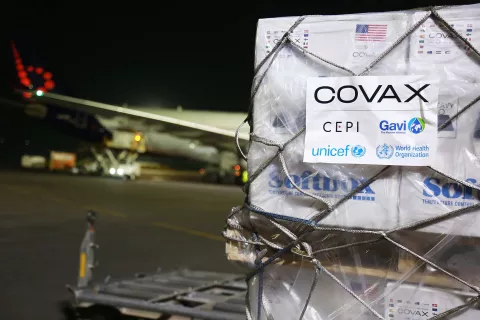
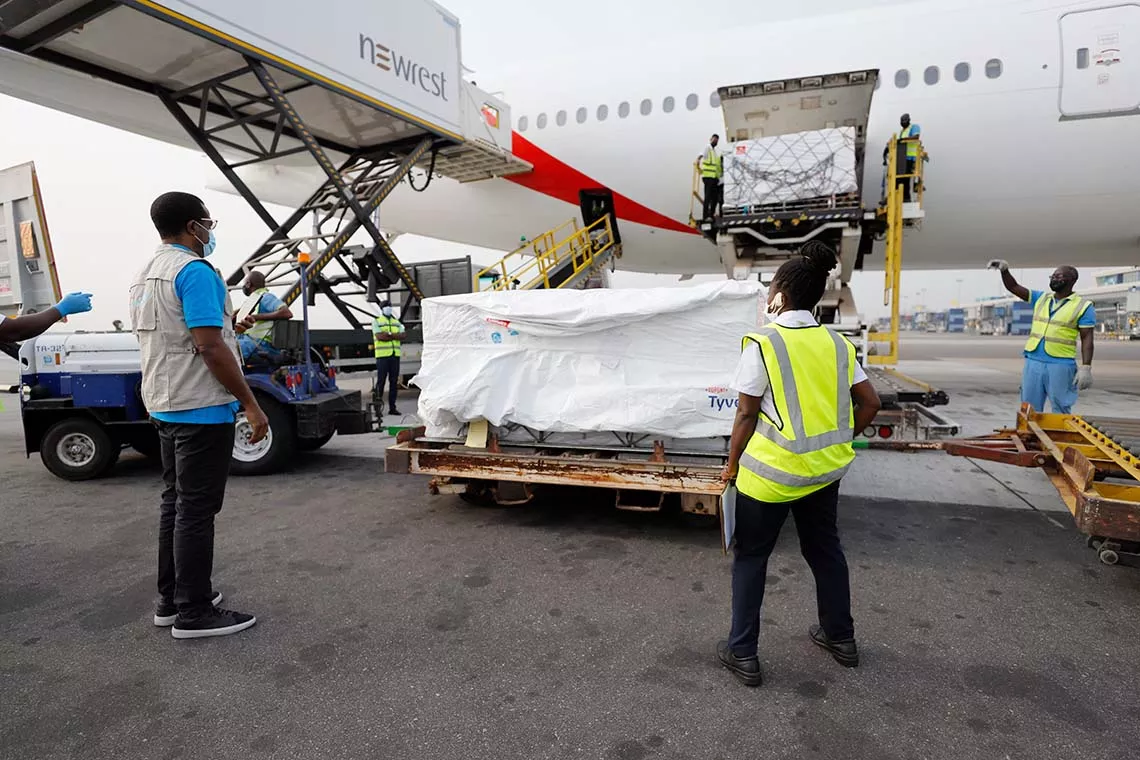
COVAX was created to make COVID-19 vaccines affordable and accessible to all countries, not just the wealthiest ones. For many, the journey of COVAX began with the first international delivery of 600,000 vaccines to Ghana on 24 February 2021, marking the largest vaccine procurement and delivery operation in history.
“When the vaccines arrived, people were ecstatic. There was a sense of relief that actions were being taken to ensure that the people of Ghana were protected against COVID-19. It felt like a ray of hope had finally come for all of us,” said Dr Mrunal Shetye, Chief of Health and Nutrition, UNICEF Ghana.
The global vaccine equity mechanism would go on to deliver 1.2 billion vaccines to 144 countries within 12 months, 85 per cent of which went to low- and middle-income countries. But the journey has been far from straightforward.
Bumps along the road
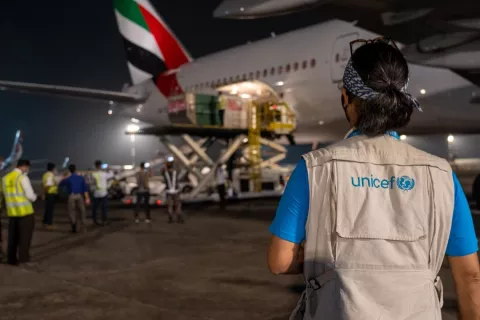
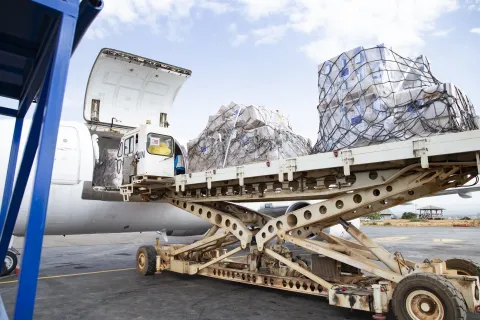
UNICEF, as the lead delivery partner for COVAX, shipped 19 million vaccines to 45 countries during the first 20 days, including difficult to reach places from the Himalayas to remote Pacific islands and conflict zones. It was a time of great hope and we could collectively see a way out of the pandemic.
But soon after this promising start, stumbling blocks began to appear. Much of the early vaccine supply was bought up by wealthy nations before COVAX had financing to secure supplies. Manufacturers experienced challenges scaling up to the levels required, while vaccine nationalism, hoarding and export bans contributed further to a scarcity of supplies. “We never gave up hope, the stakes were far too high. We had to find a way to make COVAX work for all the people and countries depending on us. And that’s where vital support from our partners and donors paved the way for additional access to vaccine doses. Each time one door closed, another one was pried opened,” said Ann Ottosen, Senior Manager, Vaccine Centre, UNICEF Supply Division.
Extraordinary collaboration
In June 2021, UNICEF launched a major public campaign calling on well-supplied donor countries to share doses with others. As a result, more donated doses began to flow to COVAX. By February 2022, UNICEF delivered 500 million doses donated by 31 countries.
It’s not just donors that made a critical difference. Vaccine manufacturers stepped up to accelerate the development of vaccines at an unprecedented rate and increased their production capacity. Airlines and the freight and logistics sectors signed agreements with UNICEF to prioritise the delivery of COVID-19 vaccines, essential medicines, medical devices and critical supplies to respond to the pandemic.
Governments have shown commitment and agility in scaling up national vaccination campaigns and prioritising at-risk groups, as soon as vaccines became available. The heroic efforts of those on the frontline health workers turning vaccines into vaccinations and caring for the sick can never be taken for granted. Day after day, they have shown up to vaccinate, test and care for those affected by COVID-19 and other illnesses. They have done so tirelessly, often at great personal cost.

Delivering at scale
With vaccine supplies now steadily flowing in, we have turned a corner. COVAX delivered 1.2 billion vaccines to 144 countries within 12 months - an unprecedented effort. In December alone, due to the increased availability of supply, UNICEF delivered an all-time high of 340 million doses, which equates to the total quantities delivered during the first 9 months of 2021. Transport and logistics can rapidly step-up, once supplies are available and equally matched with demand from countries.
It’s not just vaccines that are required for this monumental task. UNICEF has also been delivering syringes, safety boxes, cold chain equipment, oxygen supplies and other tools that not only help respond to COVID-19, but also strengthen health systems into the long term.
The journey continues
As we look ahead into 2022, we are facing a radically altered picture compared to last year. Due to successful vaccine development, production scale up, and regulatory approvals, access to COVID-19 vaccines is no longer considered a bottleneck. However, demand for COVID-19 vaccines will vary from country to country based on national response plans and epidemiology.
The Omicron variant causes less severe disease but remains a dangerous virus, particularly for those who are unvaccinated. Yet as of 23 February 2022, only 12 per cent of people in low-income countries have received at least one dose.
We are moving from vaccine supply constraints to absorption constraints. Many countries are impeded by fragile health systems, health work force capacity, lack of cold chain, low demand, last mile logistics, hard-to-reach populations conflict and protracted emergencies.
“Each country has a unique context. We must listen to countries to fully understand their needs and offer tailored support to help countries implement pandemic response strategies and achieve national vaccination targets, without risking a negative impact on other health services,” said Ms Ottosen.
As well as supporting the global vaccination race, every country must have equal access to the whole range of COVID-19 countermeasures, such as tests, treatments and PPE to protect health services and reduce the chances of even more dangerous variants emerging in future.
“We need to be ambitious and courageous, because each day we face new challenges that require innovation, collaboration and solidarity more than ever before. Ultimately, our goal is everyone’s goal: to end the acute phase of the pandemic to benefit children and families around the world,” said Ms Ottosen.
COVAX is the vaccines pillar of the Access to COVID-19 Tools (ACT) Accelerator - a ground-breaking global collaboration to accelerate the development, production and equitable access to COVID-19 tests, treatments and vaccines for every country in the world. COVAX is co-led by the Coalition for Epidemic Preparedness Innovations (CEPI), Gavi, the Vaccine Alliance and the World Health Organization (WHO), alongside key delivery partner UNICEF.