The win-win of investing in education
Investments in children’s education have transformed lives and help create a more stable world. But funding cuts threaten to undermine progress.
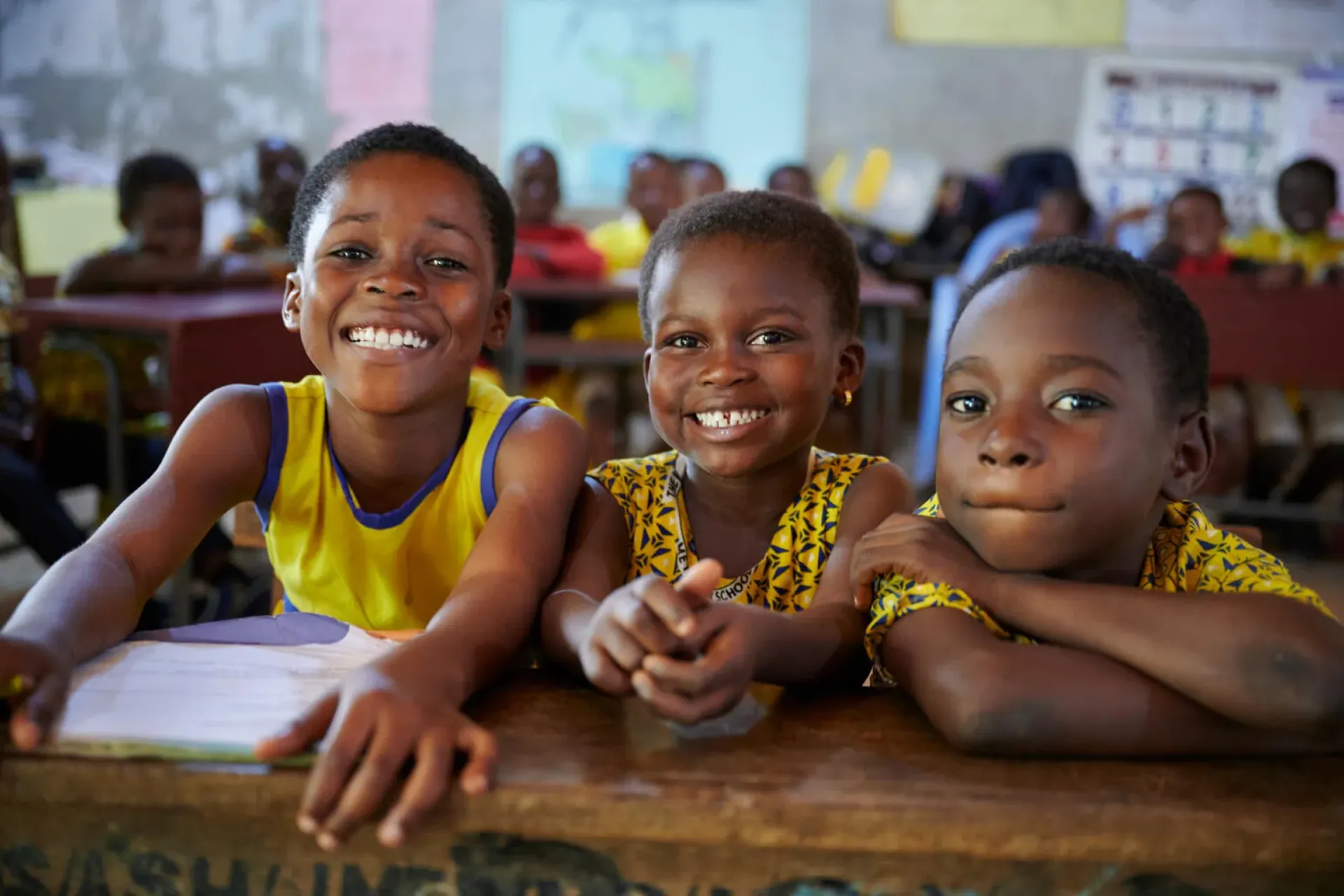
Education is lifesaving and life-changing. In the middle of a crisis, a school might be the only safe space a child has. Children in school are less likely to be forced into child labour, early marriage or recruited by armed groups.
Education also connects children to essential services like clean water and nutritious meals, while offering hope, stability and a pathway out of poverty. Beyond the direct benefits to children themselves, education strengthens economies by creating a skilled workforce, driving innovation and reducing the risk of conflict.
In short, education contributes to a healthier, more stable and prosperous world – an undeniable win-win investment.
But a recent UNICEF analysis shows that international aid to education is projected to fall by more than US$3 billion by the end of 2026. If the cuts become a reality, 6 million more children are at risk of being out of school by the end of next year. This isn’t just an adjustment to a budget line; it’s a threat to an entire generation.
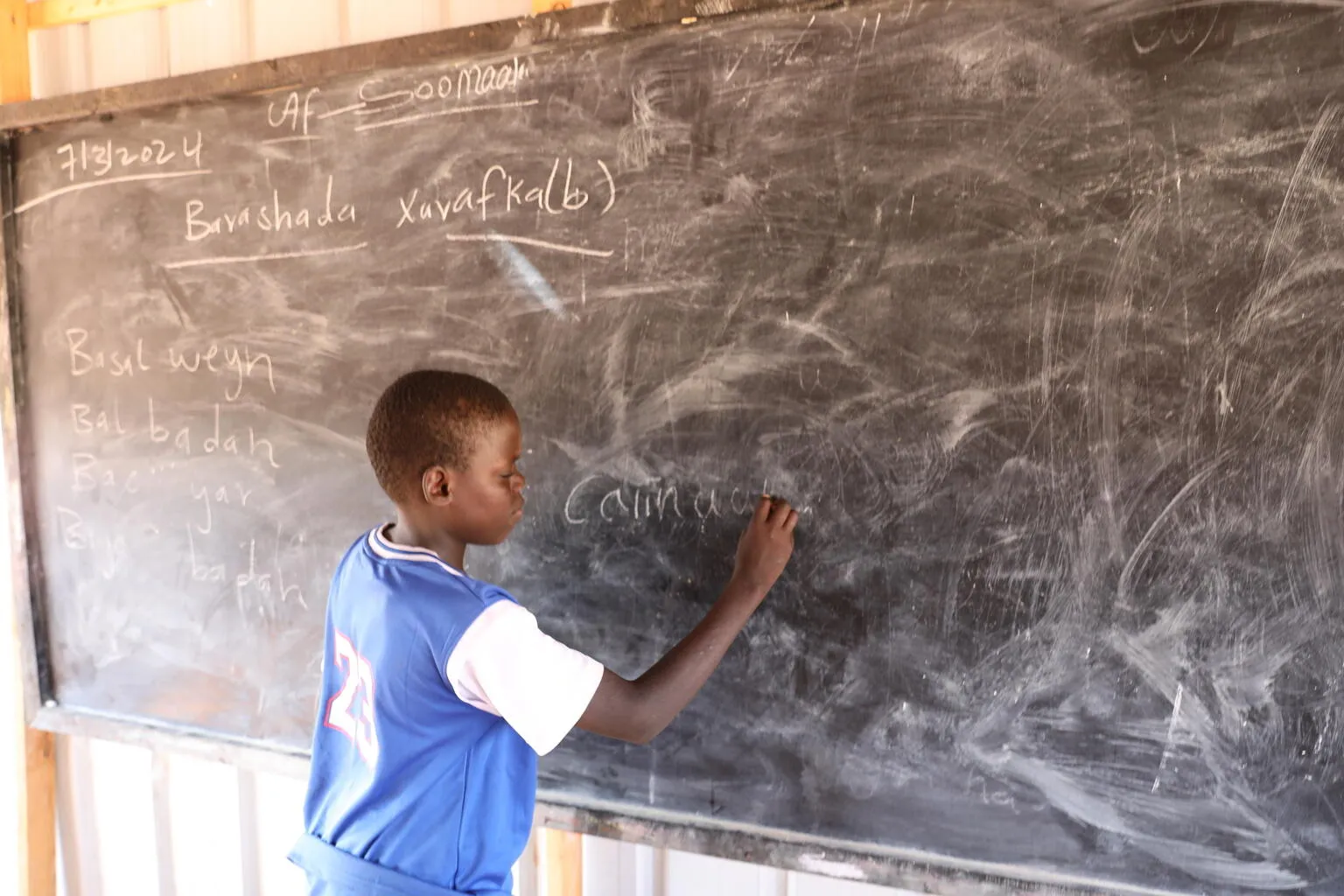
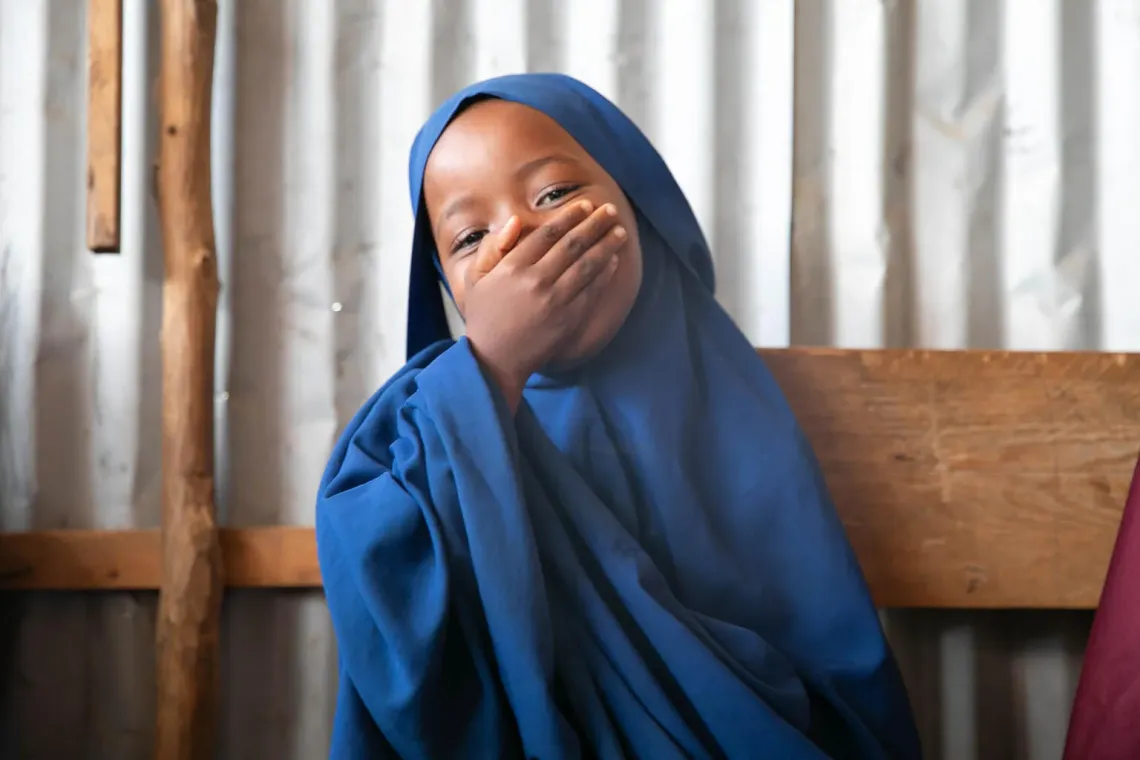
Cuts to education impact children such as Hassan, 13, who joined a temporary learning centre at a camp for internally displaced persons in Dhusamareeb, Somalia. It was the first time he set foot in a classroom.
A prolonged drought in 2021 forced Hassan and his family to leave their home in southwest Somalia. When he arrived at the camp, he missed his home, his friends and his daily routine, but the learning centre he attends has made it easier to meet other children his age and start his learning journey.


UNICEF/UNI653313/Mumin
“I like the new school here. It’s not like the other big modern schools in town, but I don’t mind because I wanted to come to school to learn,” Hassan says. “I’m happy here.”
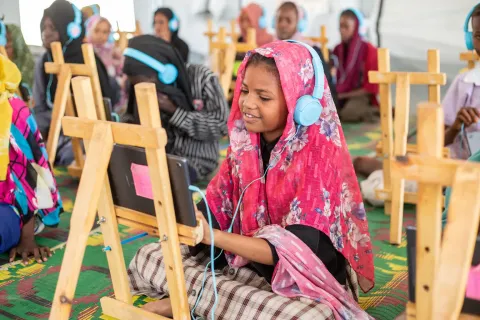
In her classroom in Baidoa, also in Somalia, Asha feels safe, supported and excited to learn. She is one of thousands of children who have benefited from Teaching at the Right Level, an innovative programme supported by UNICEF and regional partners that aims to boost foundational literacy and numeracy among children aged 8 to 17.
In Cox’s Bazar in Bangladesh, hundreds of thousands of Rohingya refugee children are at risk of losing access to basic education. In July 2025, funding cuts forced the closure of a learning centre attended by 14-year-old Kulsum*. “This was the saddest day of my life,” she says. “I couldn’t imagine not going to school. I could see my dream of becoming a teacher disappearing.”
As aid is reduced, education in emergencies is often cut first. Volunteer teachers then go unpaid, leading to programmes closing and more children dropping out of school. As a result, children are exposed to greater protection threats. The longer they are out of school, the less likely they are to return.
Fortunately for Kulsum, the closure was temporary, and classes have resumed. Despite the immense challenges of displacement, scarce resources and the tenuous nature of educational programmes in the camp, Kulsum has been able to continue to pursue her passion for education.

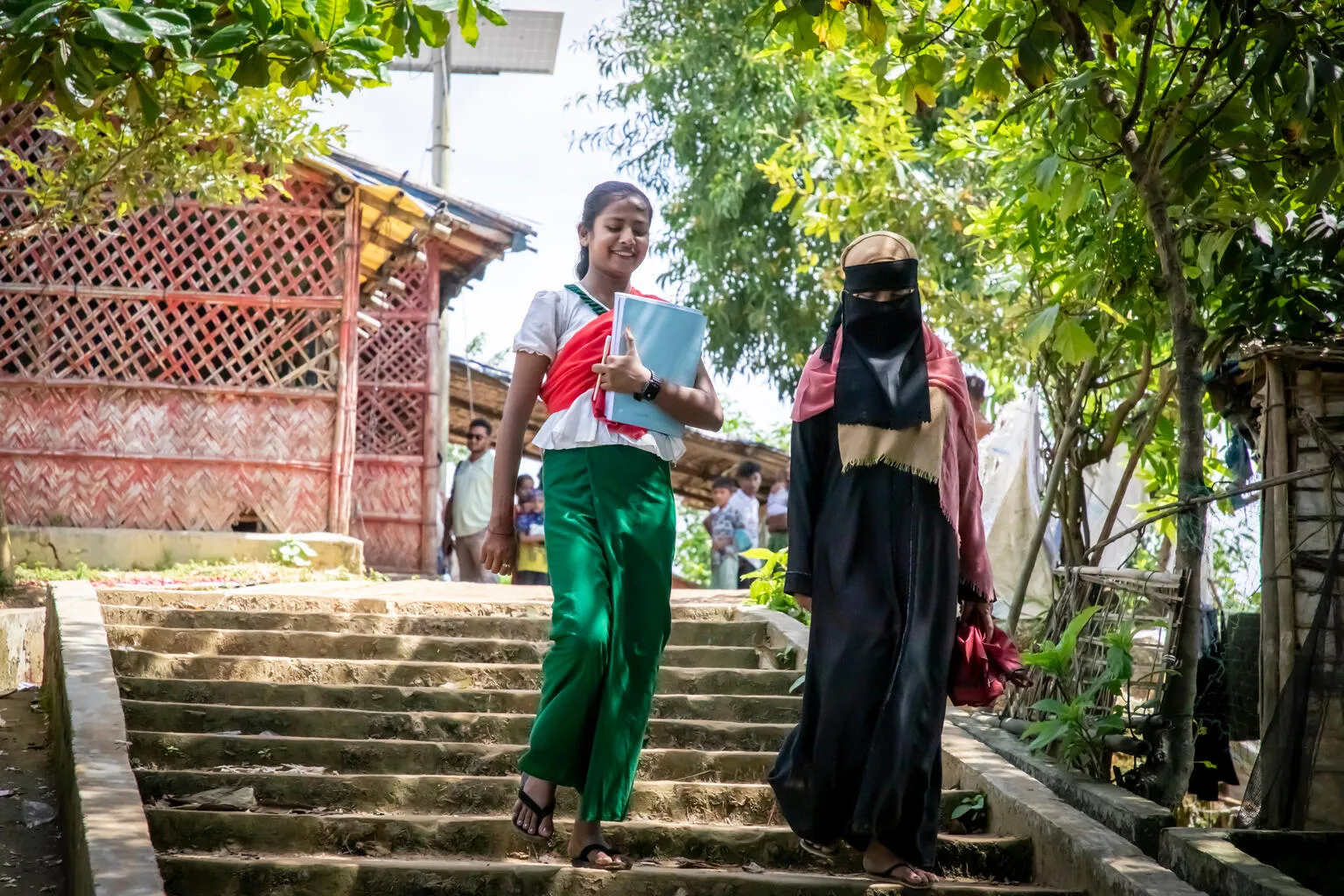

UNICEF/UNI880860/Satu
“I heard there is no more money to teach us,” Kulsum says. “So, I was very happy when I was told some of us can return to school.”
Despite the generosity of Bangladesh and donors, the gap between education needs and funding is growing. More education centres could be forced to close, leaving children vulnerable to violence, abuse and exploitation. Without consistent access to education, an entire generation of Rohingya children risk being left behind.
For children in emergencies, education is about more than the right to learn. Schools protect children from the physical dangers around them – including abuse, exploitation, forced or hazardous labour, and recruitment into armed groups. They provide children with lifesaving supplies. And they provide children stability and structure to help them heal and cope with the upheaval and uncertainty they are experiencing.
In Haiti, where a complex and protracted humanitarian crisis is being driven by escalating armed violence, mass displacement and collapsing services, children’s education is being severely disrupted. After fleeing violence with her mother and siblings, Dieussika eventually found shelter in a former school at a site for displaced persons. Thanks to five months of catch-up classes and vocational training supported by UNICEF and partners, Dieussika was able to return to class.

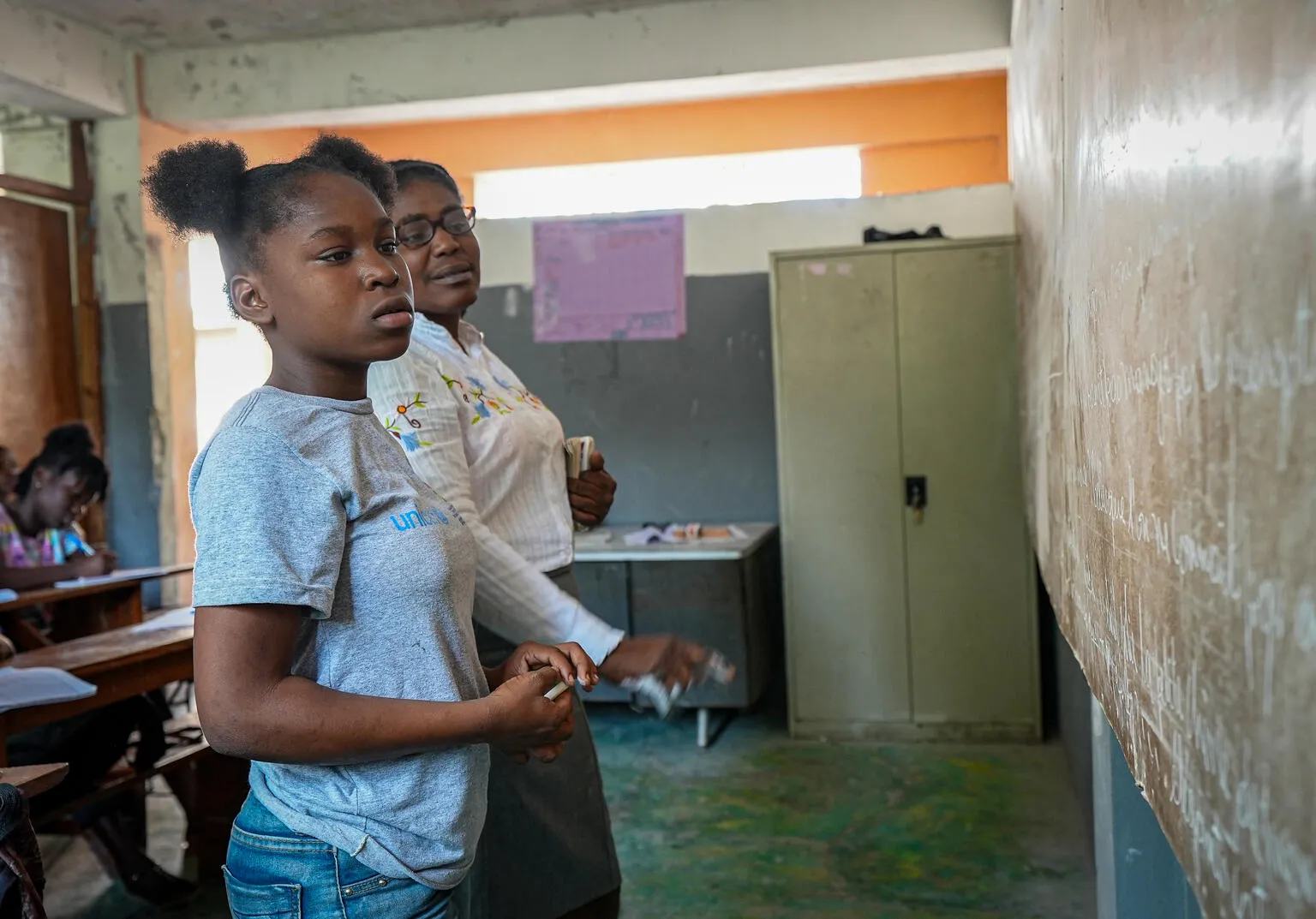

UNICEF/UNI840311/Joseph
“I’m very proud,” she says. “These courses would have cost a lot of money for my parents.”
In 2026, UNICEF will promote learning and well-being through safe spaces, teacher training, catch-up and accelerated learning and psychosocial support in Haiti. UNICEF will also support the rehabilitation of damaged schools.
But with funding cuts for education in emergencies globally projected at US$745 million, countries facing humanitarian crises will be confronted with financial losses that their systems simply cannot absorb – with potentially devastating consequences for learning in countries including Haiti.
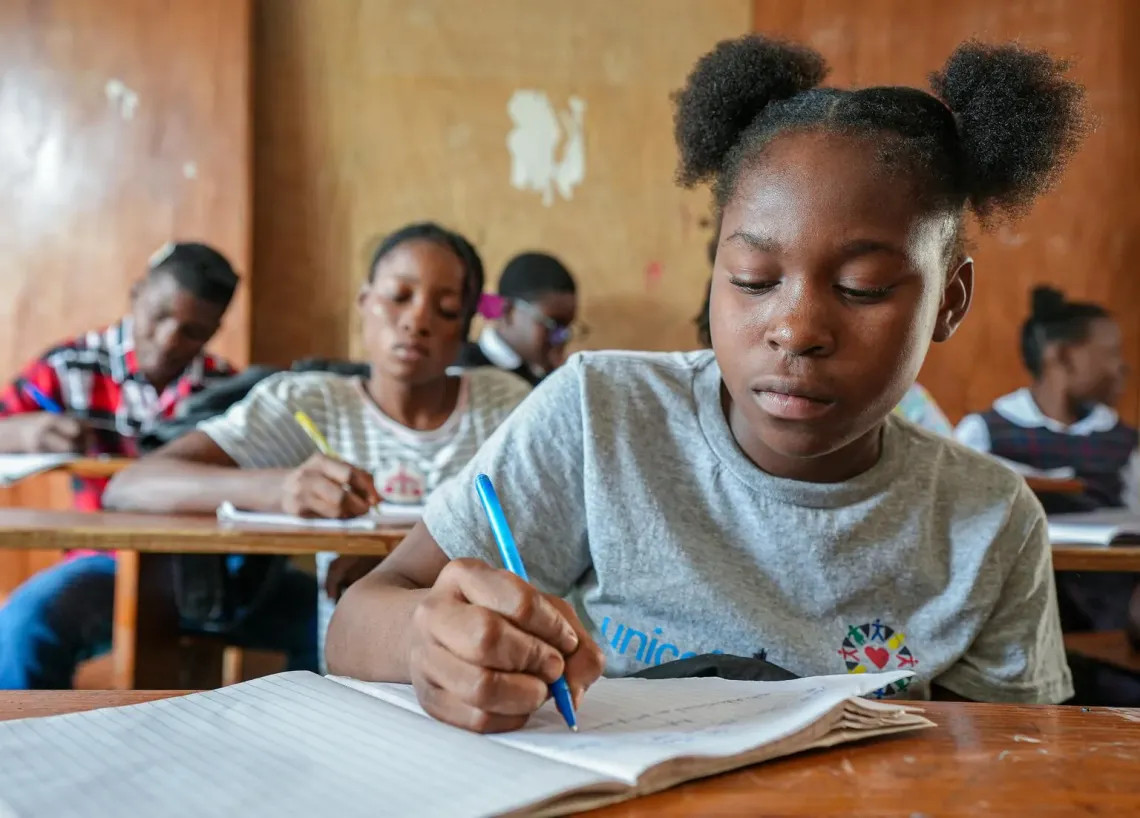
Allowing cuts to education to stand is not just a policy failure – it’s a broken promise to children worldwide. UNICEF’s education work supports children inside and outside the classroom, working with partners to ensure children have the foundations they need to thrive and creating a more stable and prosperous world.
This includes:
- Building quality foundations: From early childhood to primary education, where the returns are the highest, UNICEF supports children to develop essential foundational literacy, numeracy and socio-emotional skills. UNICEF also supports strengthening multiple pathways for education, including catch-up education, vocational training, apprenticeships and formal secondary education.
- Strengthening existing systems: UNICEF accompanies governments in strengthening education systems through teacher development, curriculum reform, learning assessment, climate-resilient infrastructure and planning, and data and accountability systems.
- Humanitarian response: In emergencies and protracted crises, UNICEF ensures children can continue learning even when their world is falling apart. UNICEF helps children develop skills to cope with the trauma of crisis, and supplies them with learning spaces that are safe, child-friendly and equipped with water and sanitation facilities, nutrition and health as well as protection services. Education in emergency contexts provides hope, dignity, structure and important skills at a time when children’s lives might be chaotic, uncertain and scary.
- Girls’ progress: A core part of our mission involves gender-focused education support, such as tuition subsidies, safe and private toilets/latrines in schools and skills programmes specifically for girls, helping to close the gender gaps in access and learning.
*Name has been changed.